Finished Corner Frames
Precision at the Edge. Perfection in the Details.
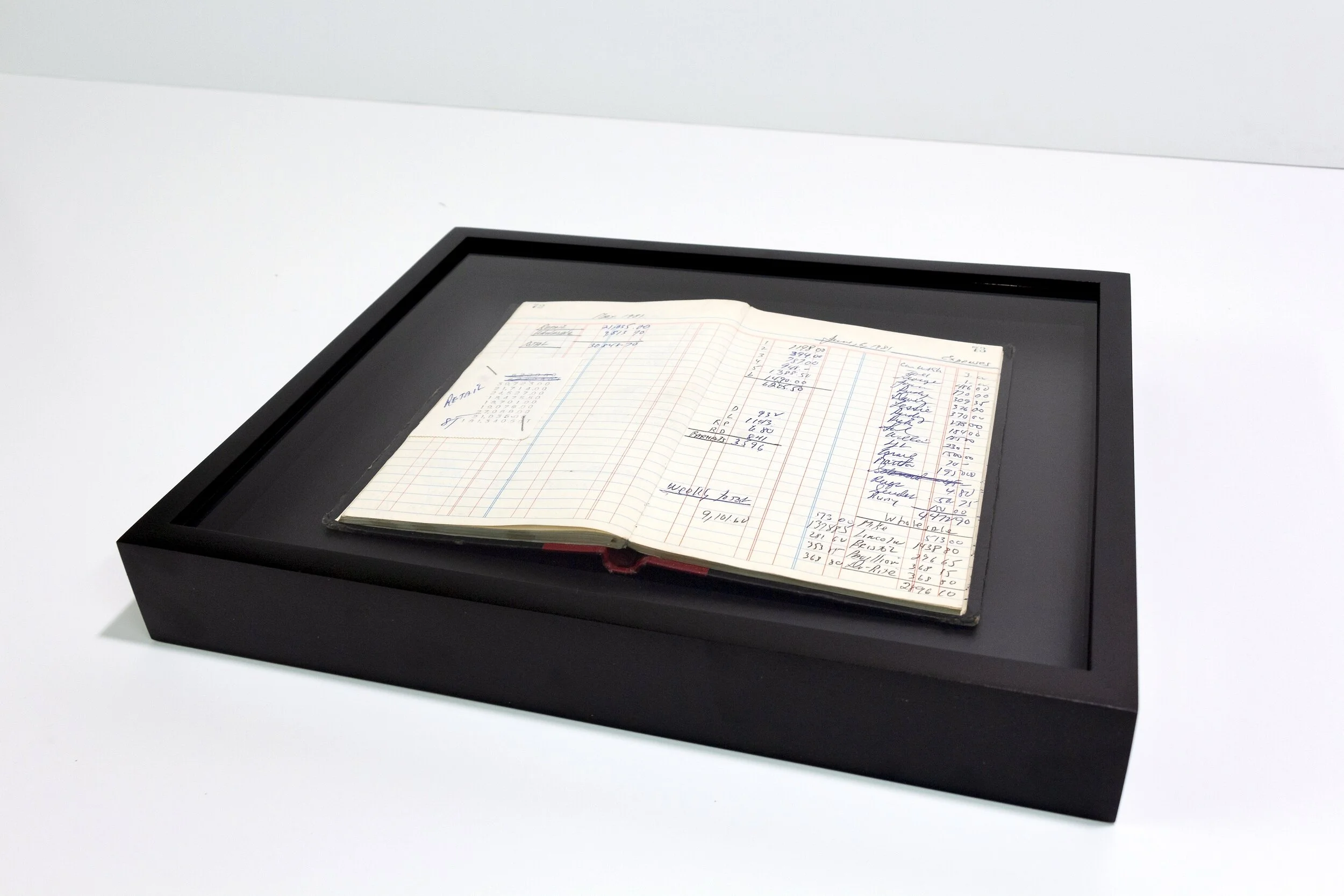
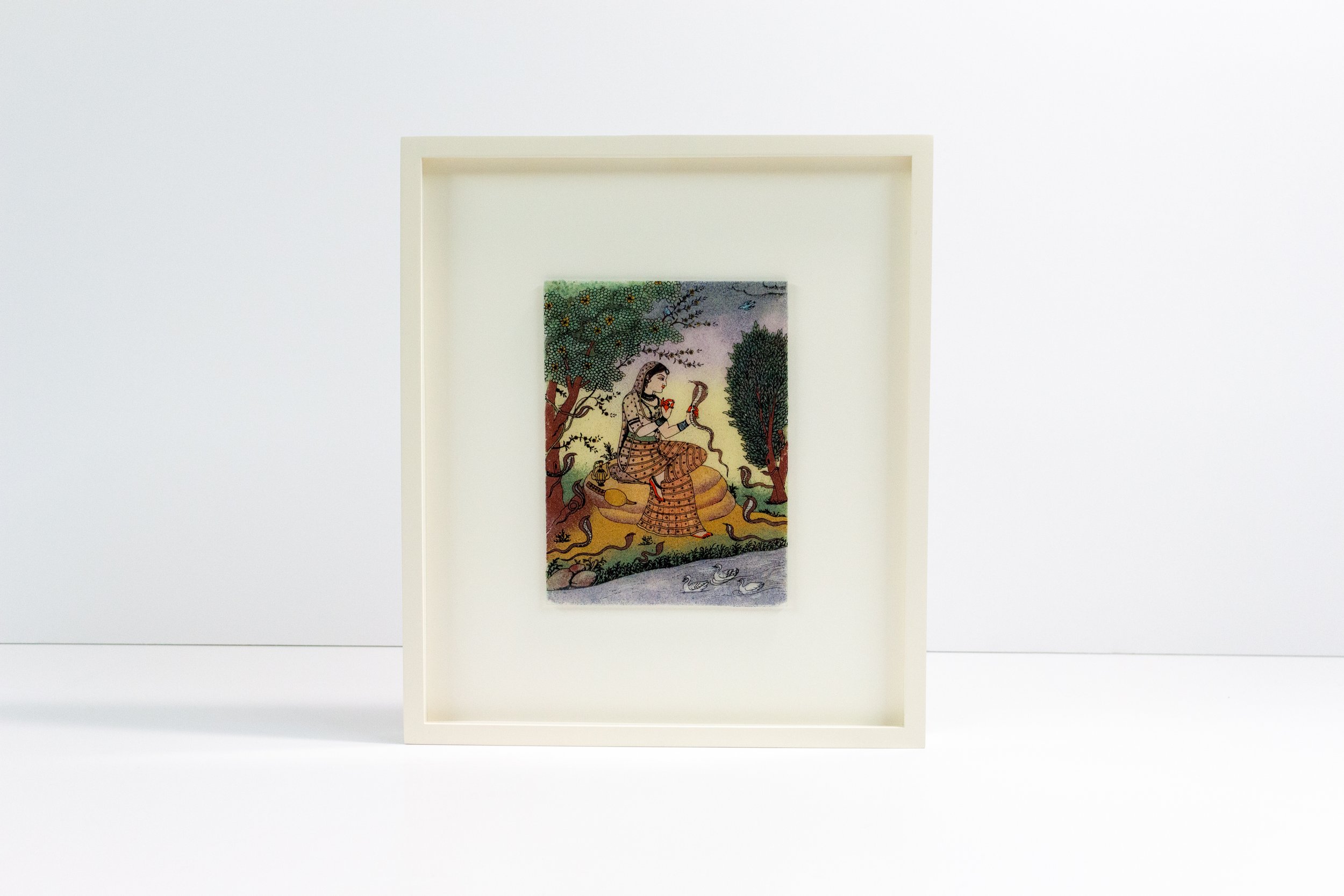
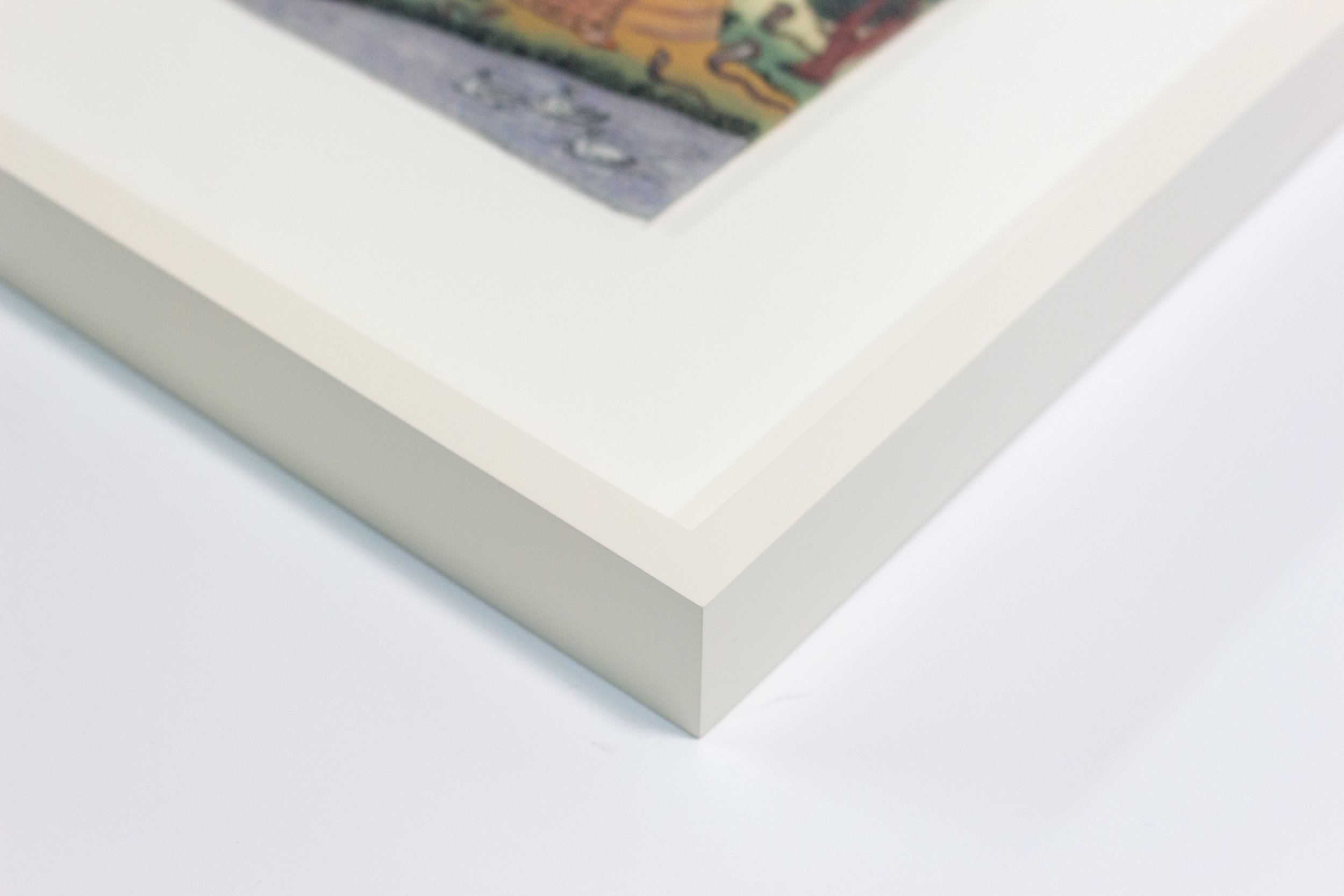
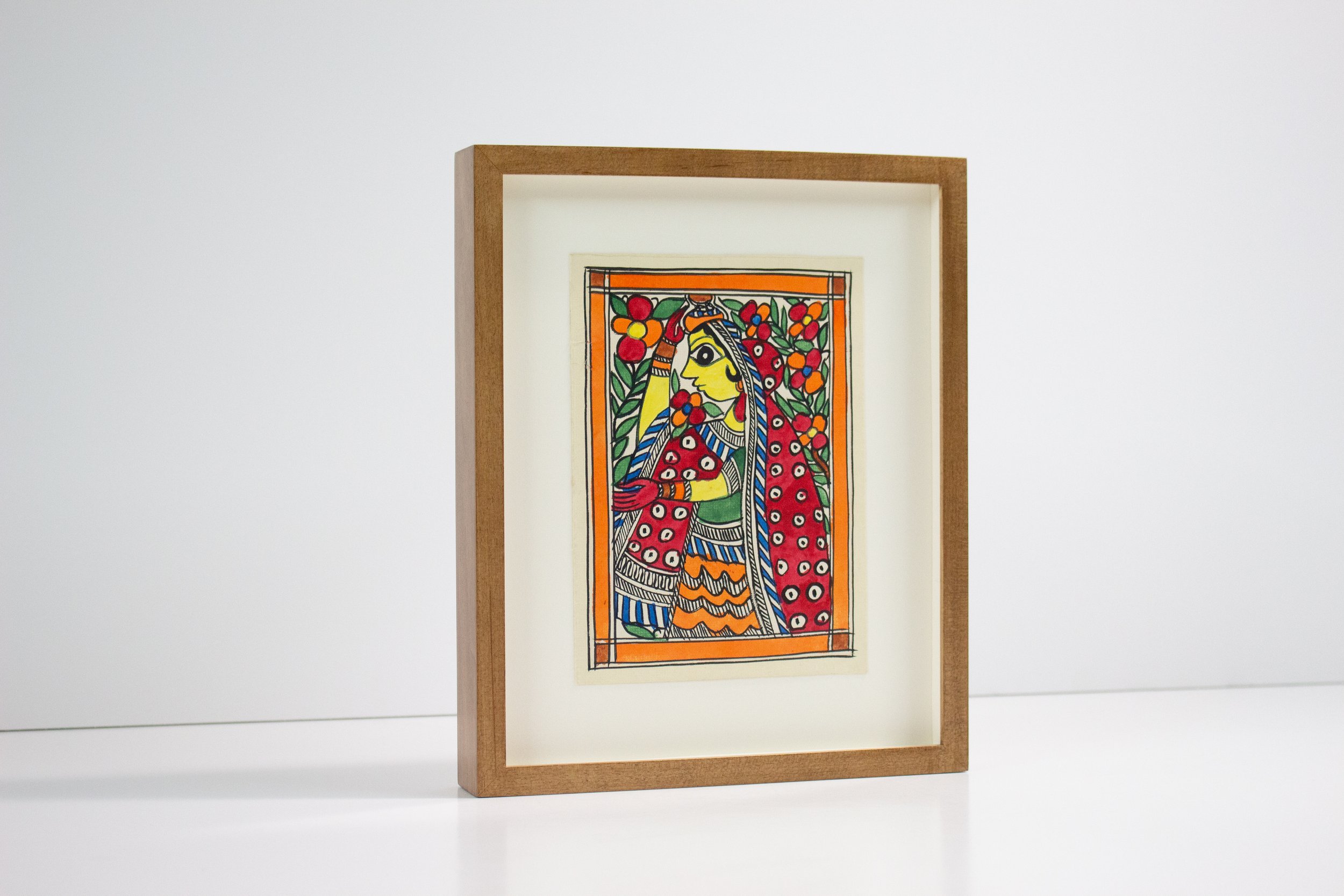
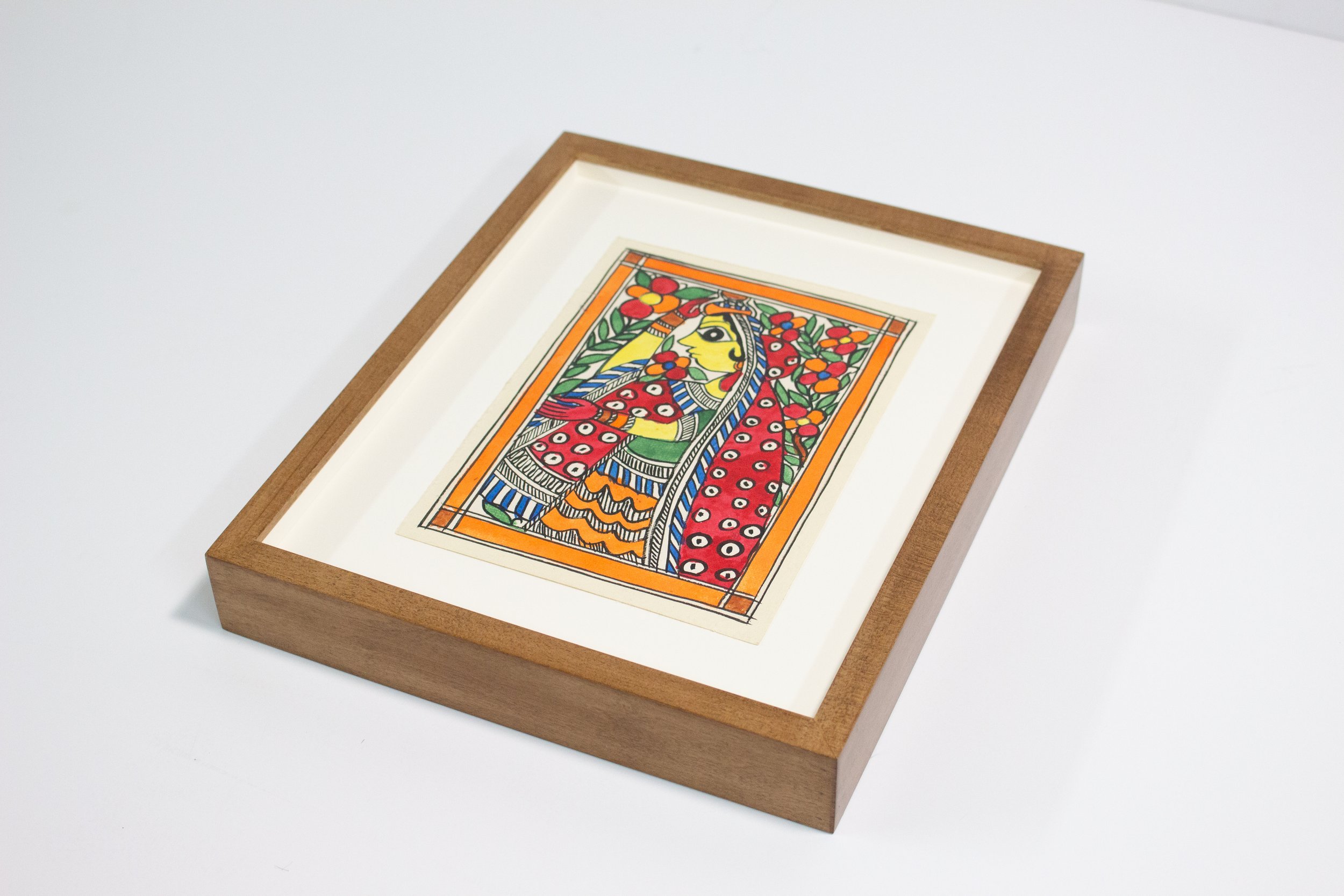
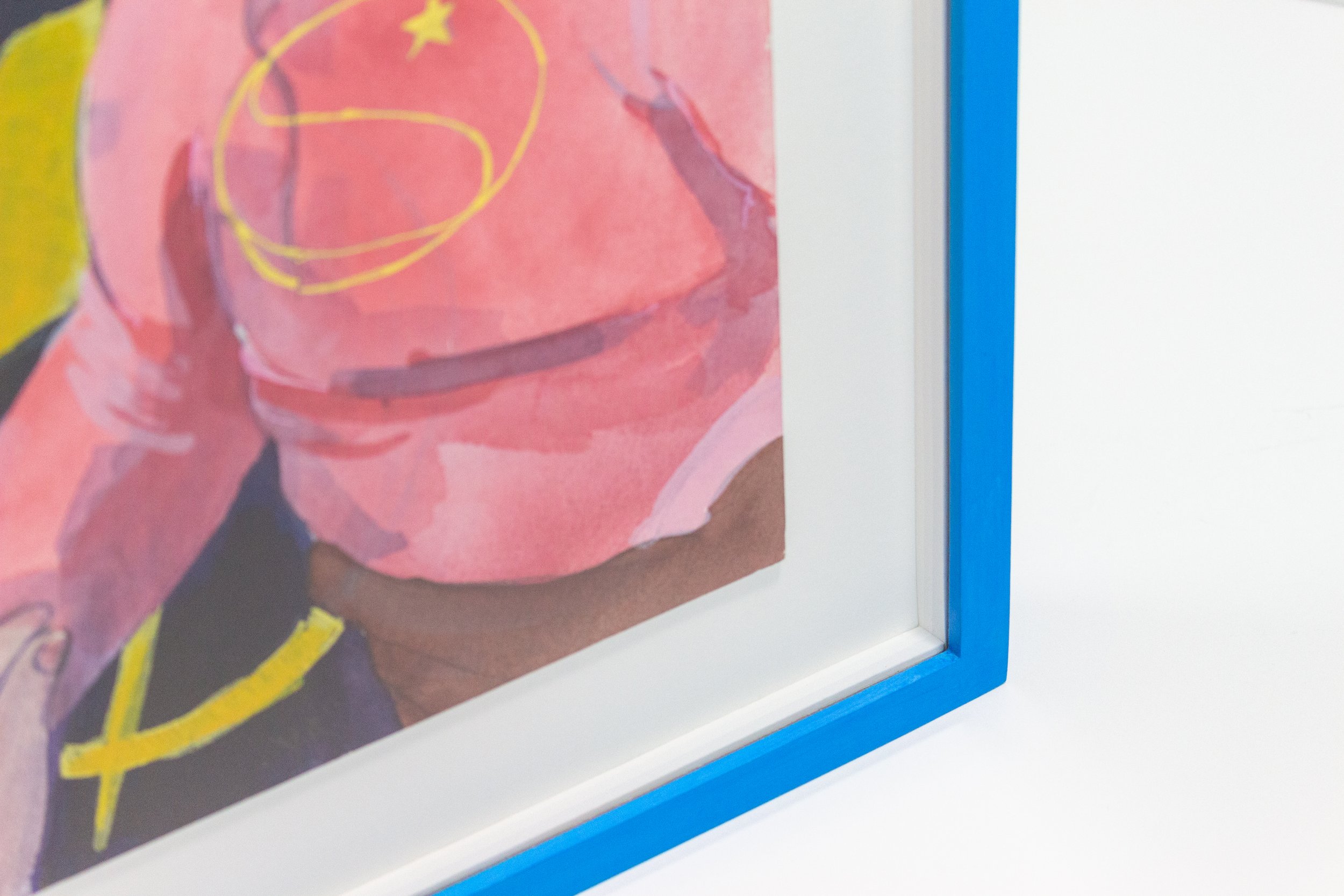
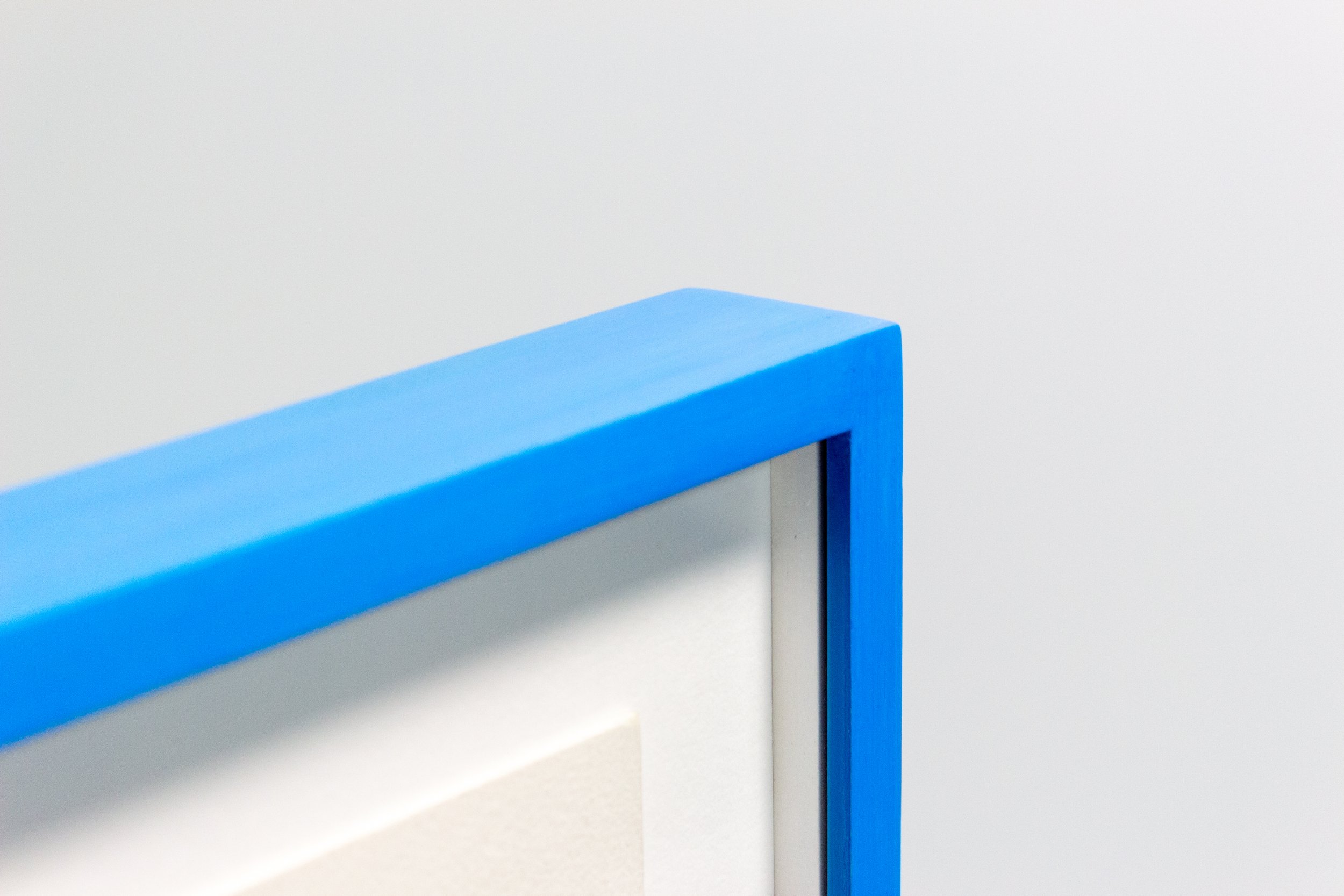
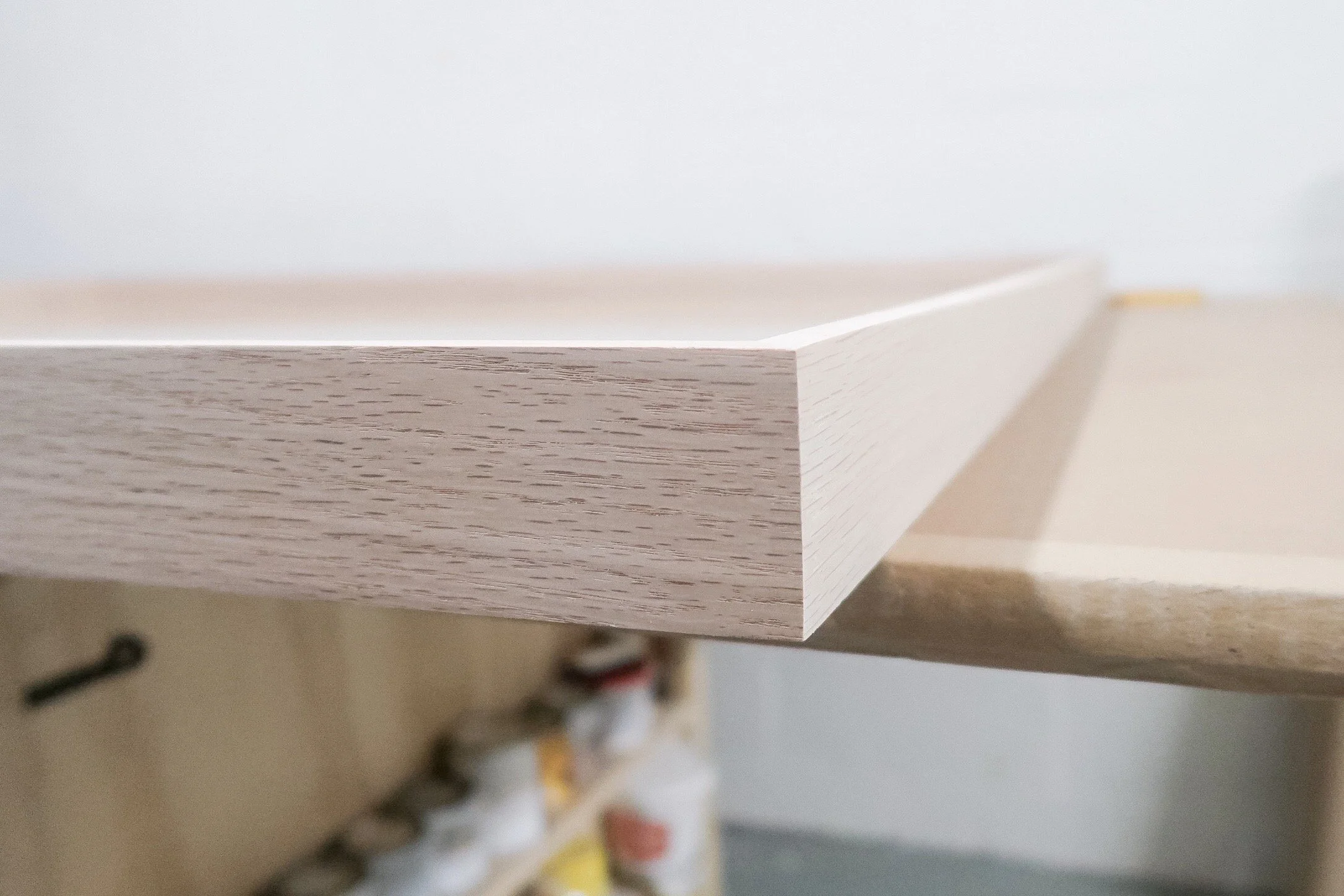
At Harlem Frames, finished corner frames represent the highest level of craftsmanship in custom framing. Unlike standard chop-and-join frames, finished corner frames are built as complete structures—each corner seamlessly joined, sanded, and finished to perfection. The result is a frame that feels intentional, sculptural, and enduring.
These are not just frames. They are objects in their own right—crafted to elevate the artwork they hold.
What Are Finished Corner Frames?
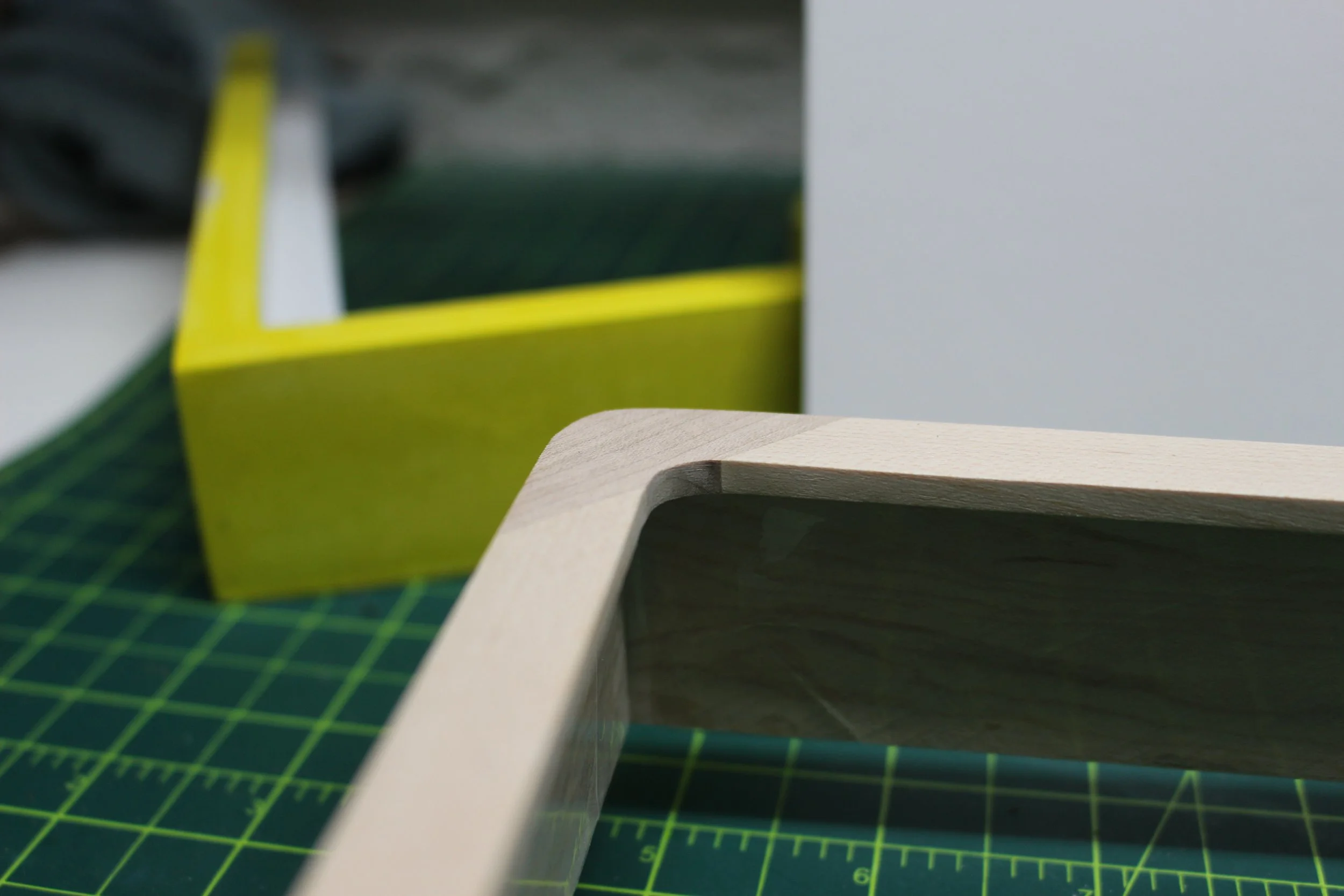
Finished corner frames are constructed as unified pieces rather than assembled from pre-cut lengths. Each corner is carefully built, reinforced, and finished by hand, allowing for greater control over strength, alignment, and surface continuity.
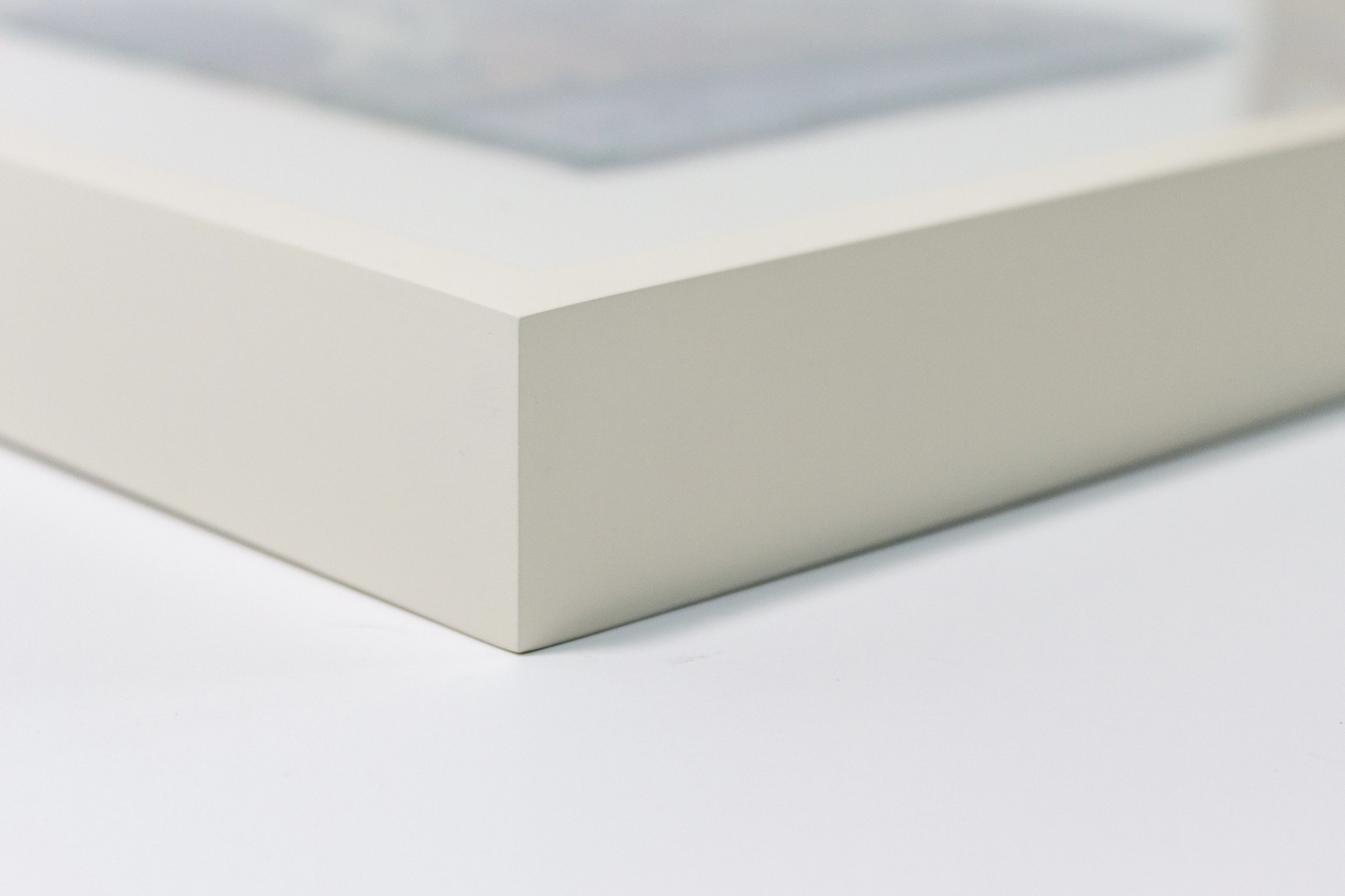
Because of this process, the corners are visually flawless—free of visible seams, misalignment, or filler. The profile flows continuously around the artwork, creating a refined and cohesive presentation.
Why Choose Finished Corners?
Superior Strength
Engineered as a single structure, finished corner frames are significantly more stable—ideal for large-scale or high-value works.
Elevated Aesthetic
Finished corners create a sense of permanence and craftsmanship that cannot be replicated with standard frames. Every edge is clean, continuous, and intentional.
Custom Finishing
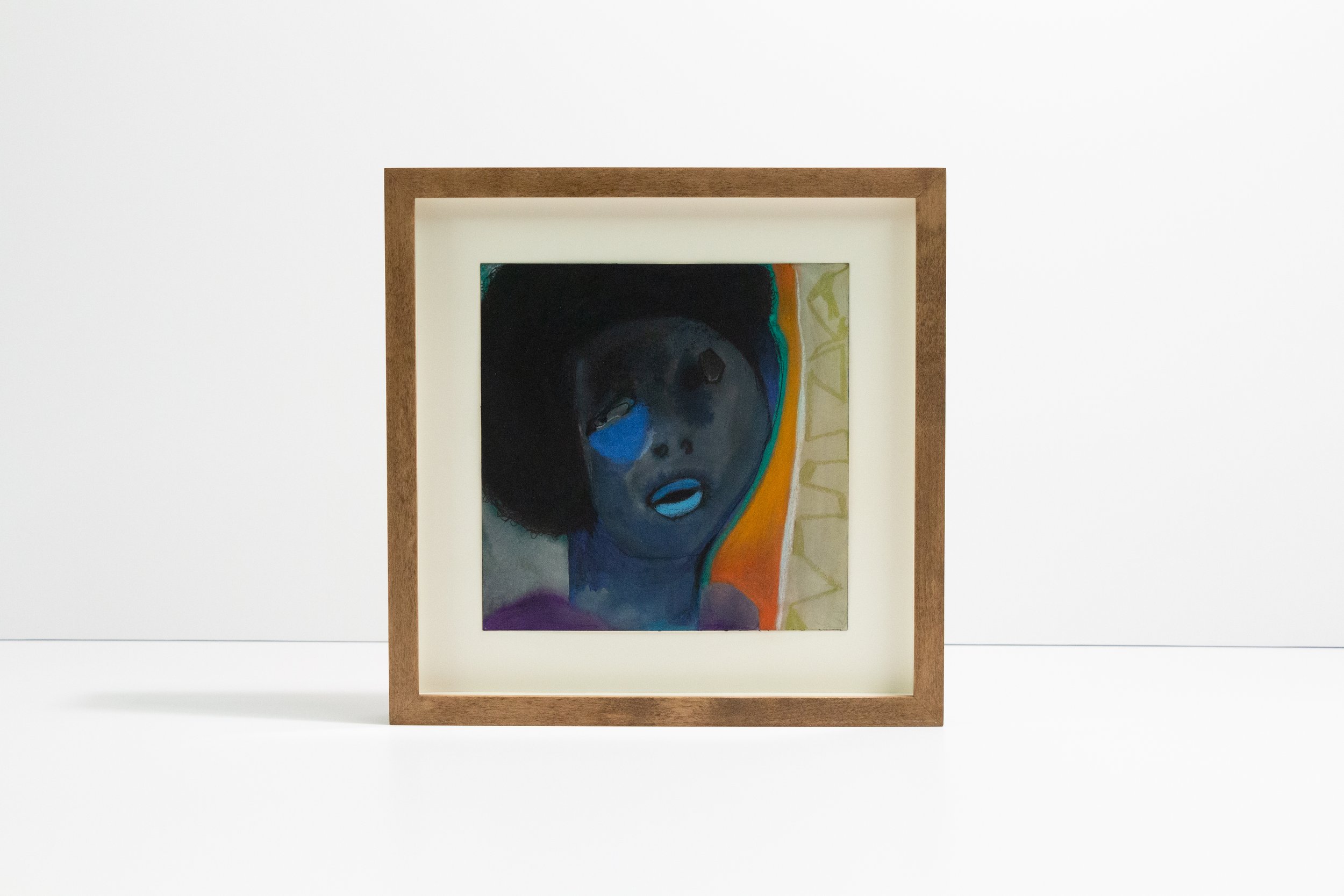
From hand-applied gesso and gilding to custom stains and paints, each frame can be tailored to complement the artwork with precision.
Materials & Finishes
We offer a wide range of materials and finishes, all executed with meticulous attention to detail:
Solid hardwoods (maple, walnut, oak, basswood)
Hand-applied gesso builds
Traditional and contemporary gilding (gold, white gold, silver)
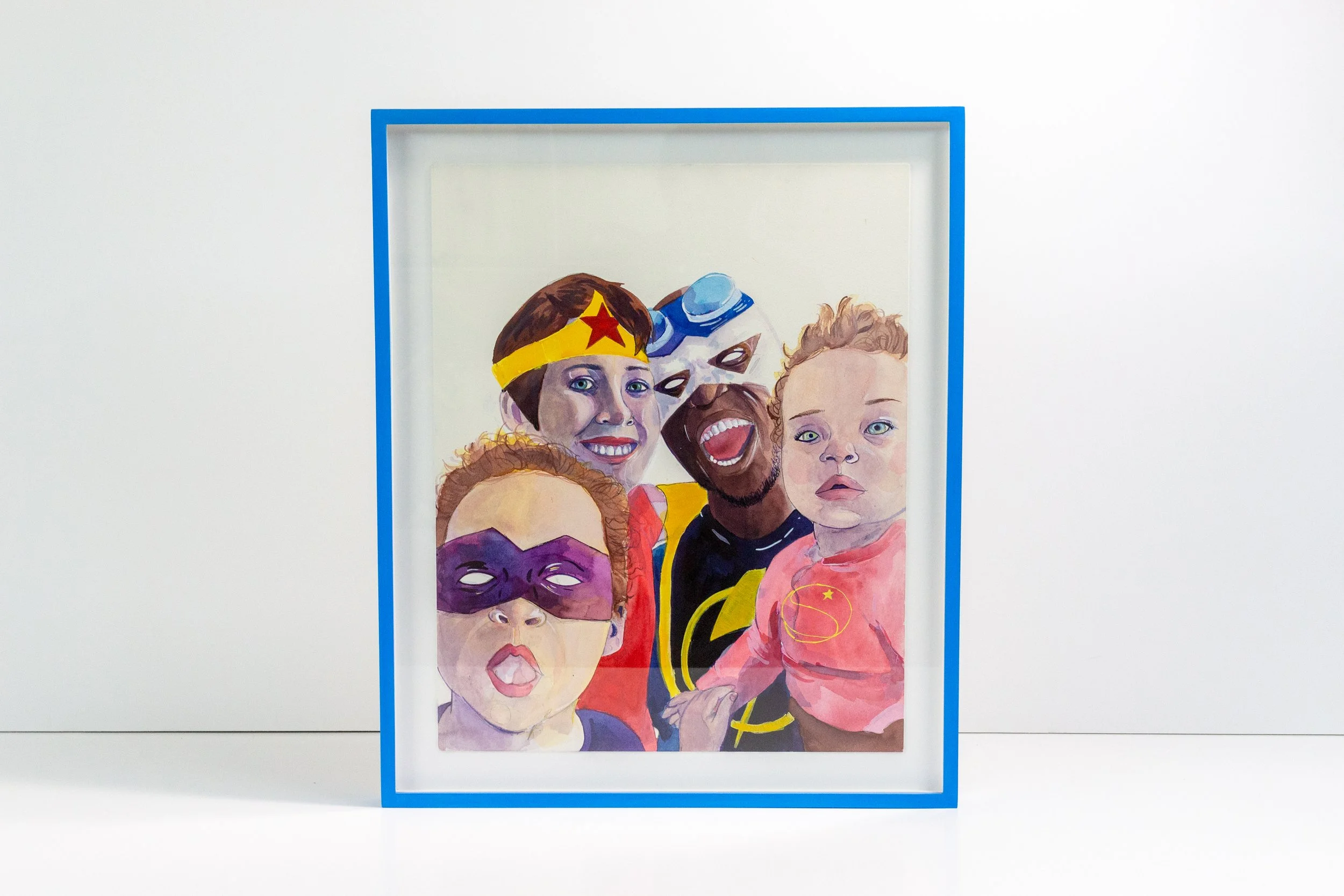
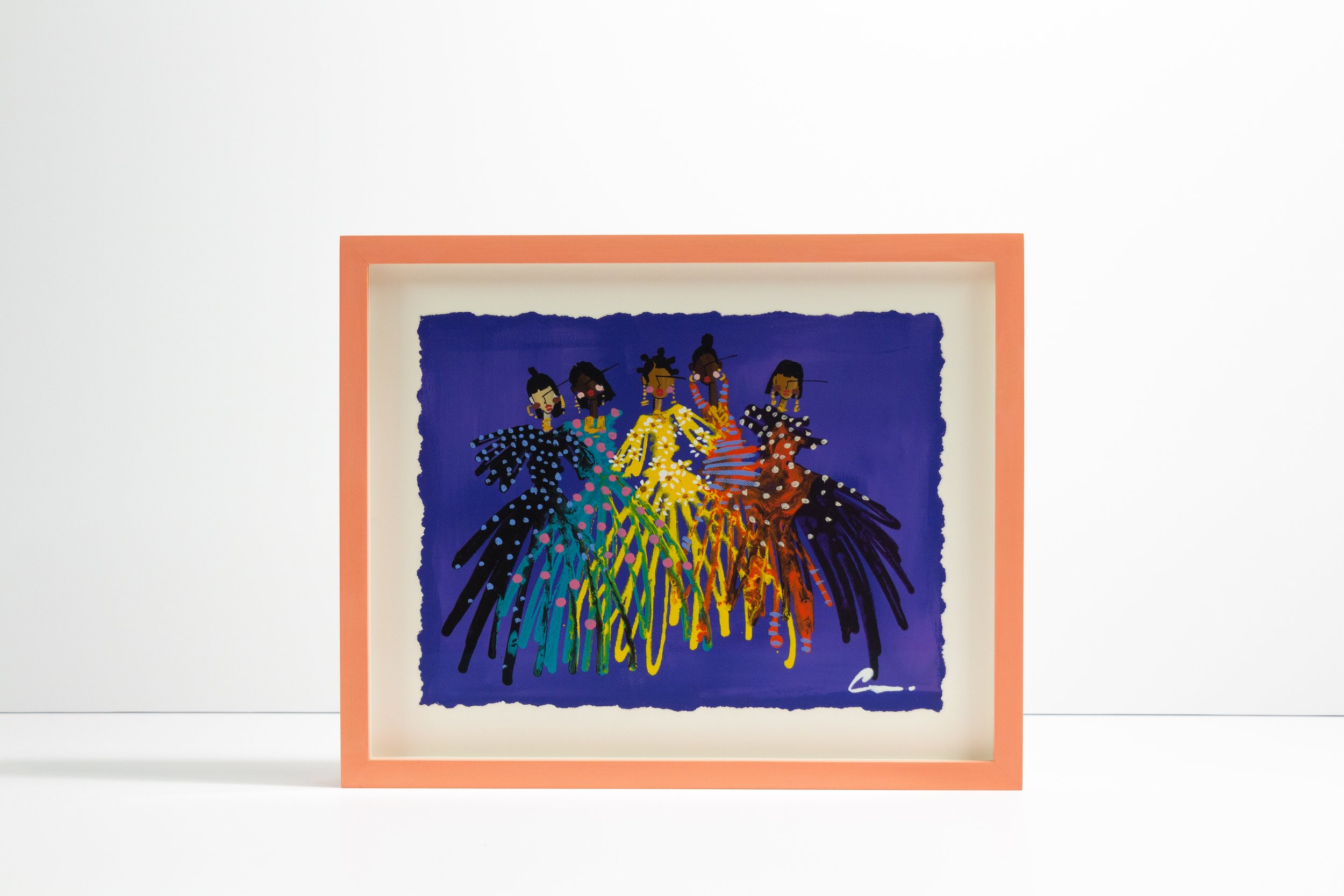
Matte and high-gloss lacquer finishes
Custom stains and washes
Textured and sculpted surfaces
Each finish is developed in close collaboration with the client, ensuring the final result aligns perfectly with the artwork and environment.
Built for Important Work
Finished corner frames are often chosen for:
Blue-chip and museum-quality artworks
Large-scale paintings and installations
Exhibition and gallery presentations
Collector-grade framing projects
Our Process
1. Consultation
We begin by understanding the artwork, context, and desired presentation.
2. Design & Sampling
Profiles, finishes, and proportions are developed and refined through samples and mockups.
3. Fabrication
The frame is constructed as a unified structure, with corners built, reinforced, and refined.
4. Finishing
Hand-applied finishes are layered, sanded, and perfected to achieve the desired surface.
5. Final Assembly
The artwork is fitted using archival methods, ensuring long-term preservation.
Construct
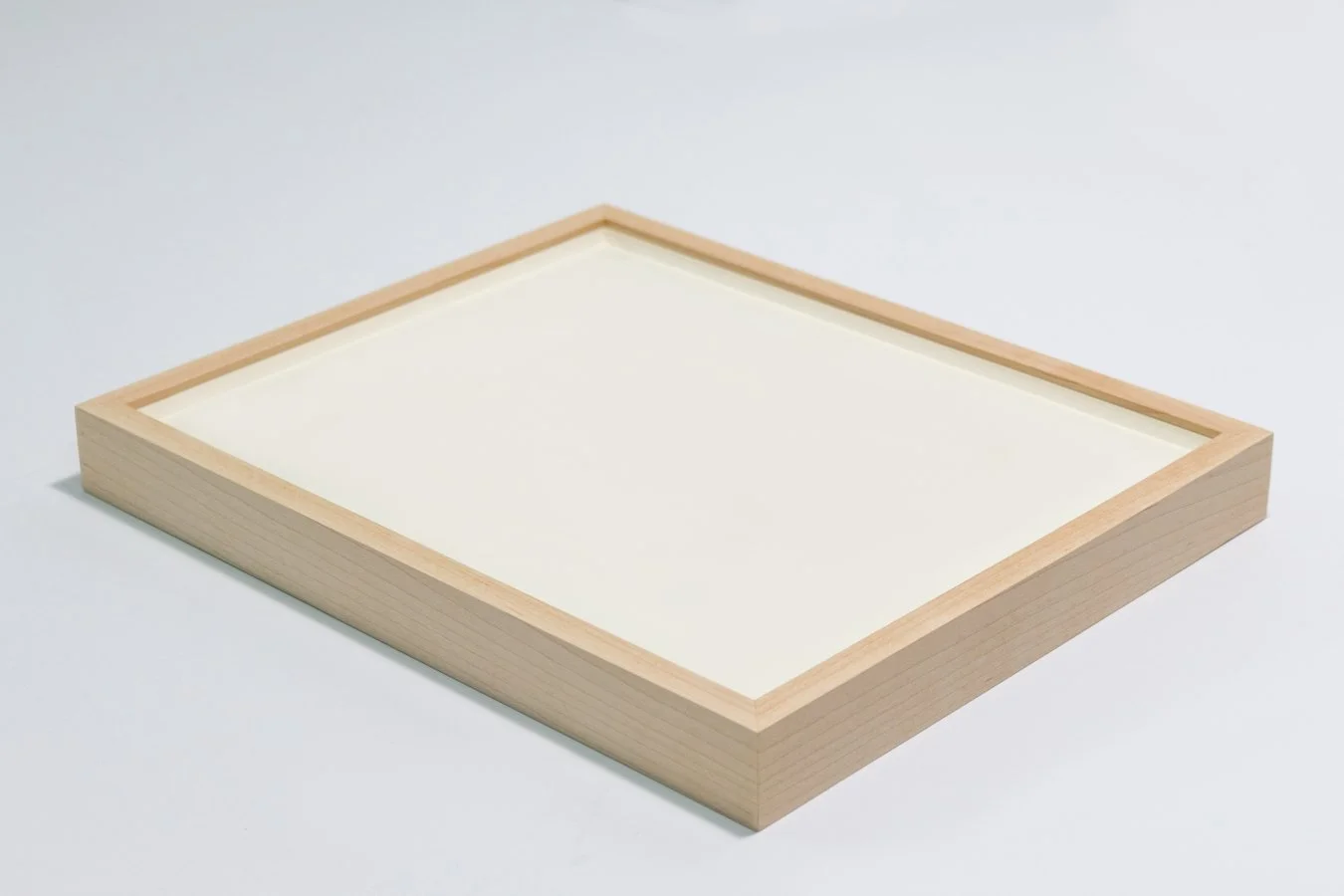
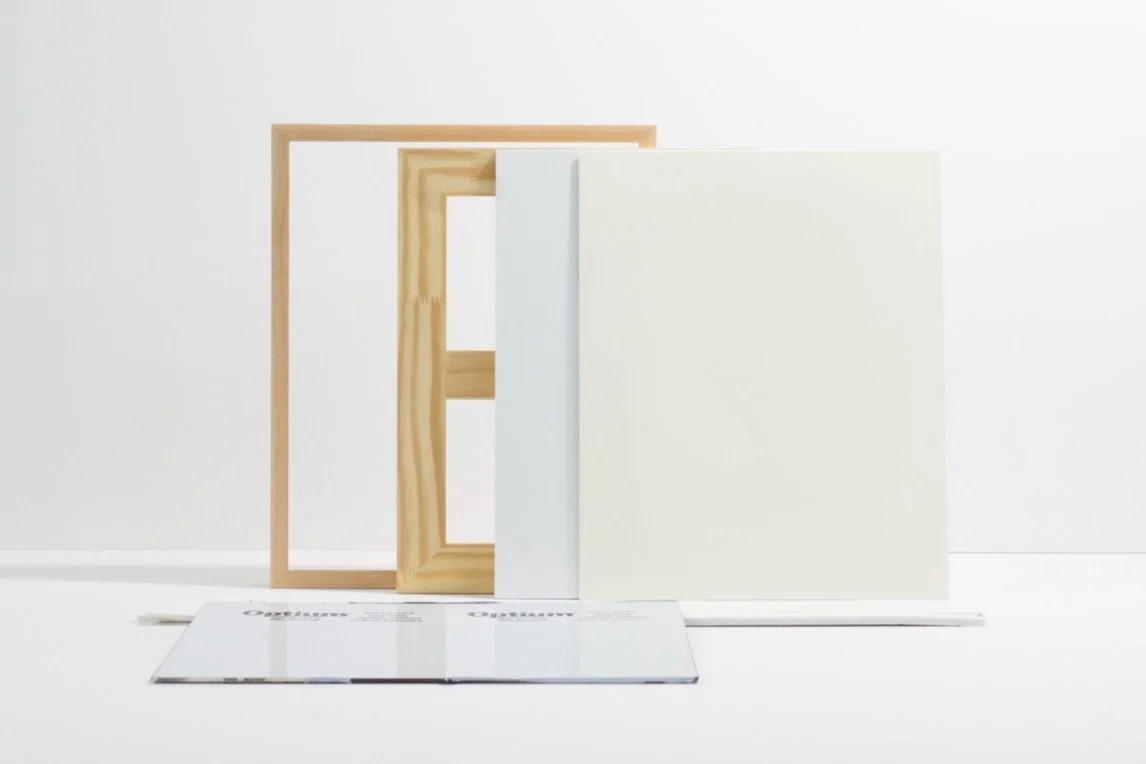
Archival framing incorporates a combination of material and practices used to mount and frame an artwork. The main components of Archival framing are the frame, the mounting board and the glass.
The Mounting Board
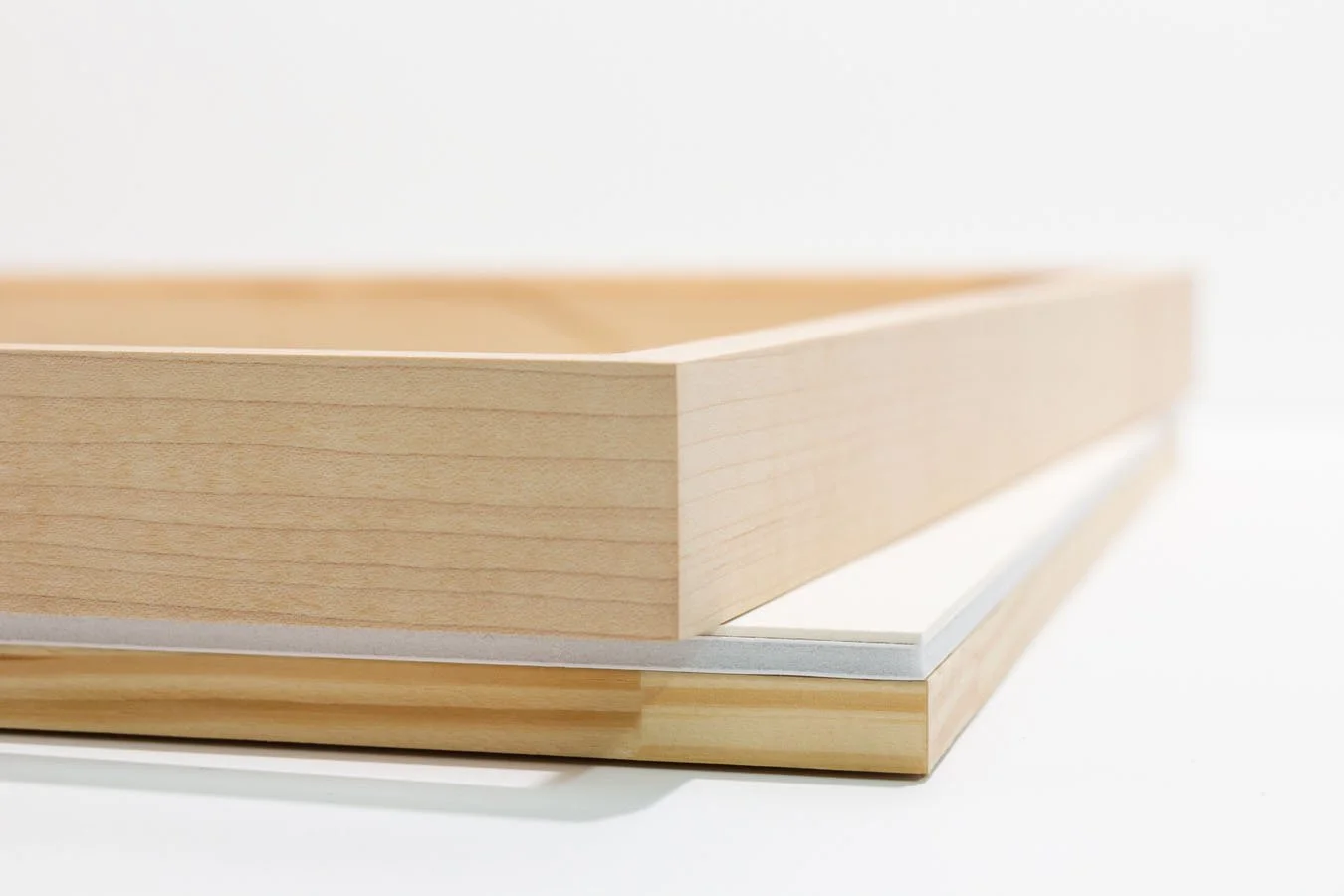
The mounting board is a combination of single materials which form together the support for the artwork. It may be composed of:
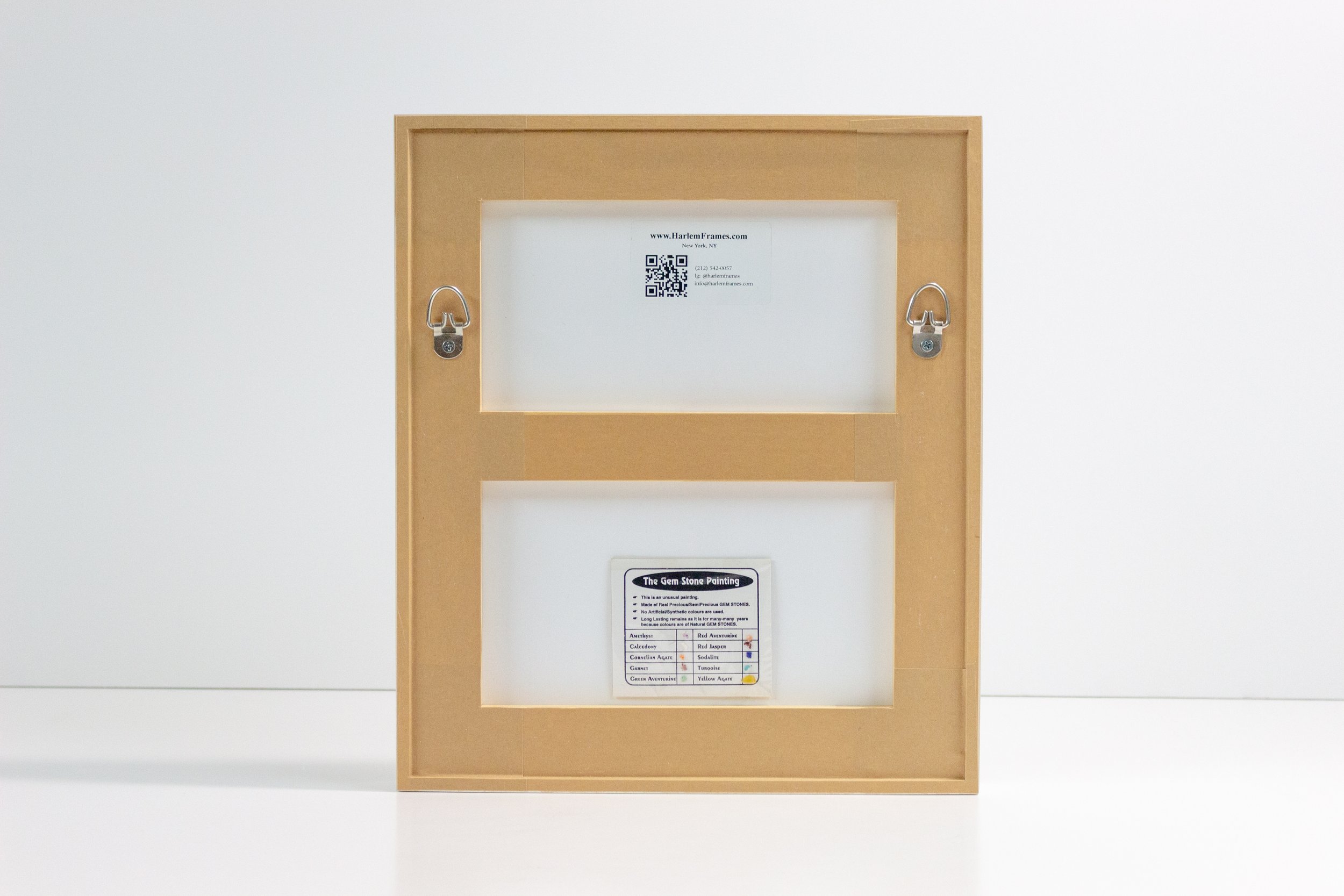
Strainer: a wooden board that goes in the back of the frame. It is most commonly used with cap frames, shadow boxes, mirrors and oversize jobs. It ensures the longevity of the mounting board and ultimately the artwork itself. It also prevents the backing board from bending and reinforces the frame’s joinery.
Backing board: Common materials are acid free foamboard, coroplast (corrugated plastic)
Mat board: This is the substrate commonly used to affix an artwork. 100% acid free rag mat to float artwork or with a cut in window. Other substrates include linen mat, sintra, dibond, wood and acrylic.
Archival Mounting
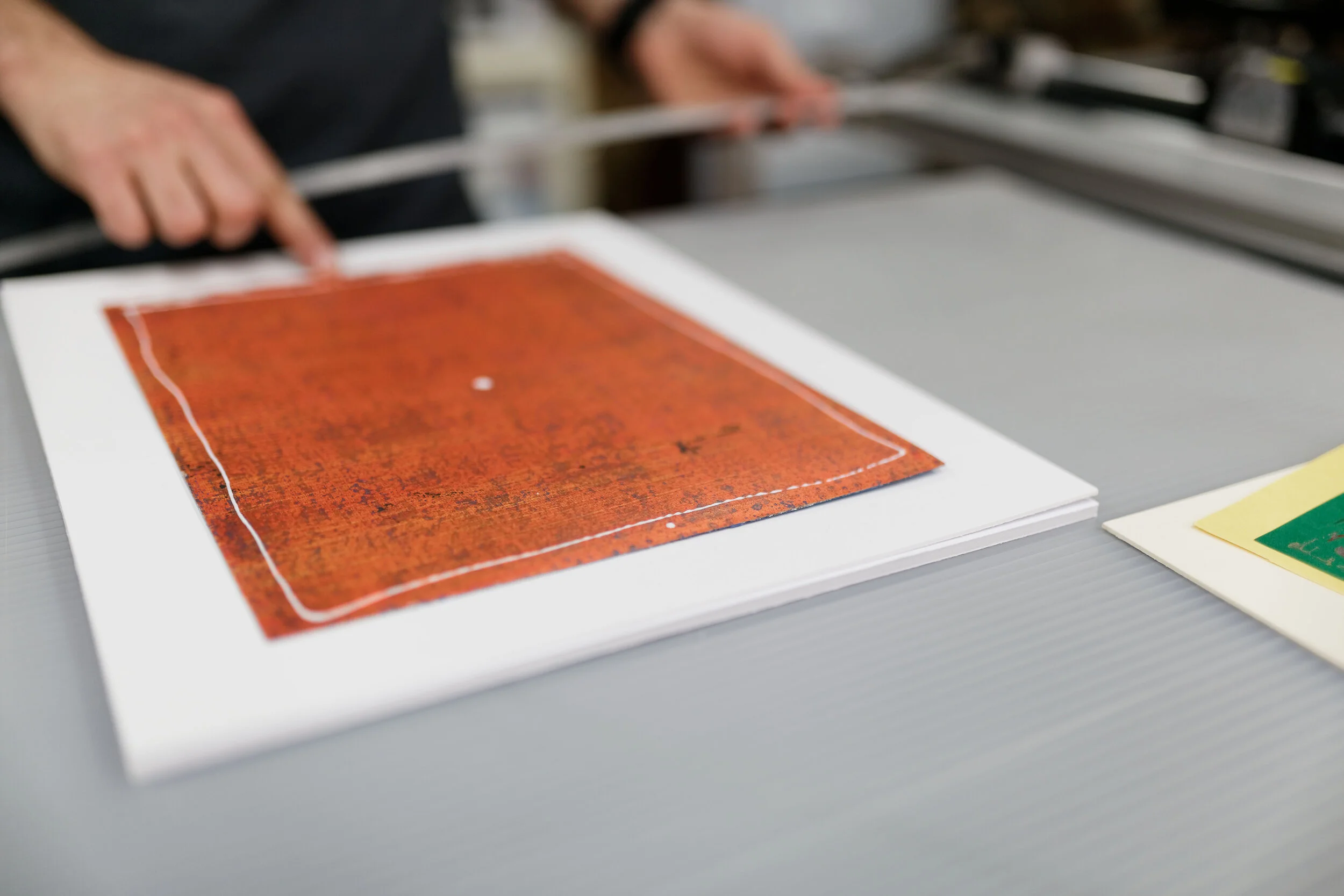
Every artwork is mounted using conservation-grade methods designed to protect and preserve over time. Depending on the medium and condition, we select from a range of techniques:
Hinge mounting with Japanese paper and reversible wheat starch paste
Float mounting to reveal deckled or irregular edges
Sink mounts for delicate or thick works on paper
Structural supports for large or heavy canvases
Spacing & Depth Control
Finished corner frames allow for precise control of spacing between the artwork and glazing. We design each build to ensure proper air gaps, preventing contact while maintaining a clean, intentional presentation.
From subtle float effects to deep-set shadow spaces, every dimension is considered.
Glazing
We offer a range of premium glazing solutions to enhance visibility while protecting the artwork from environmental damage:
UV-filtering glass and acrylic to prevent fading
Museum glass with virtually invisible reflectivity
Anti-reflective coatings for optimal clarity in bright spaces
Acrylic glazing for large-scale or weight-sensitive installations
Each glazing option is carefully matched to the artwork, its scale, and where it will live—balancing protection, clarity, and presence.