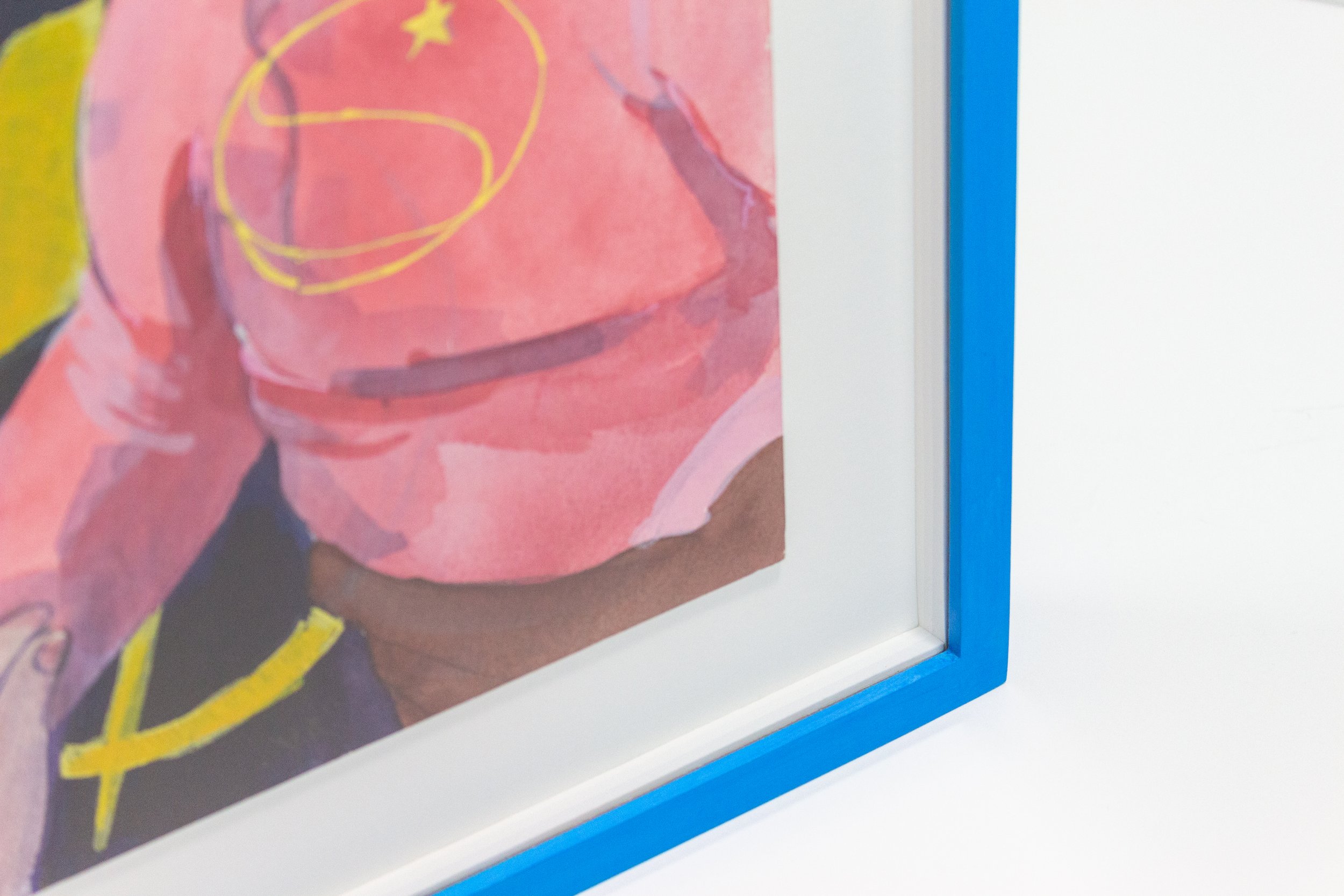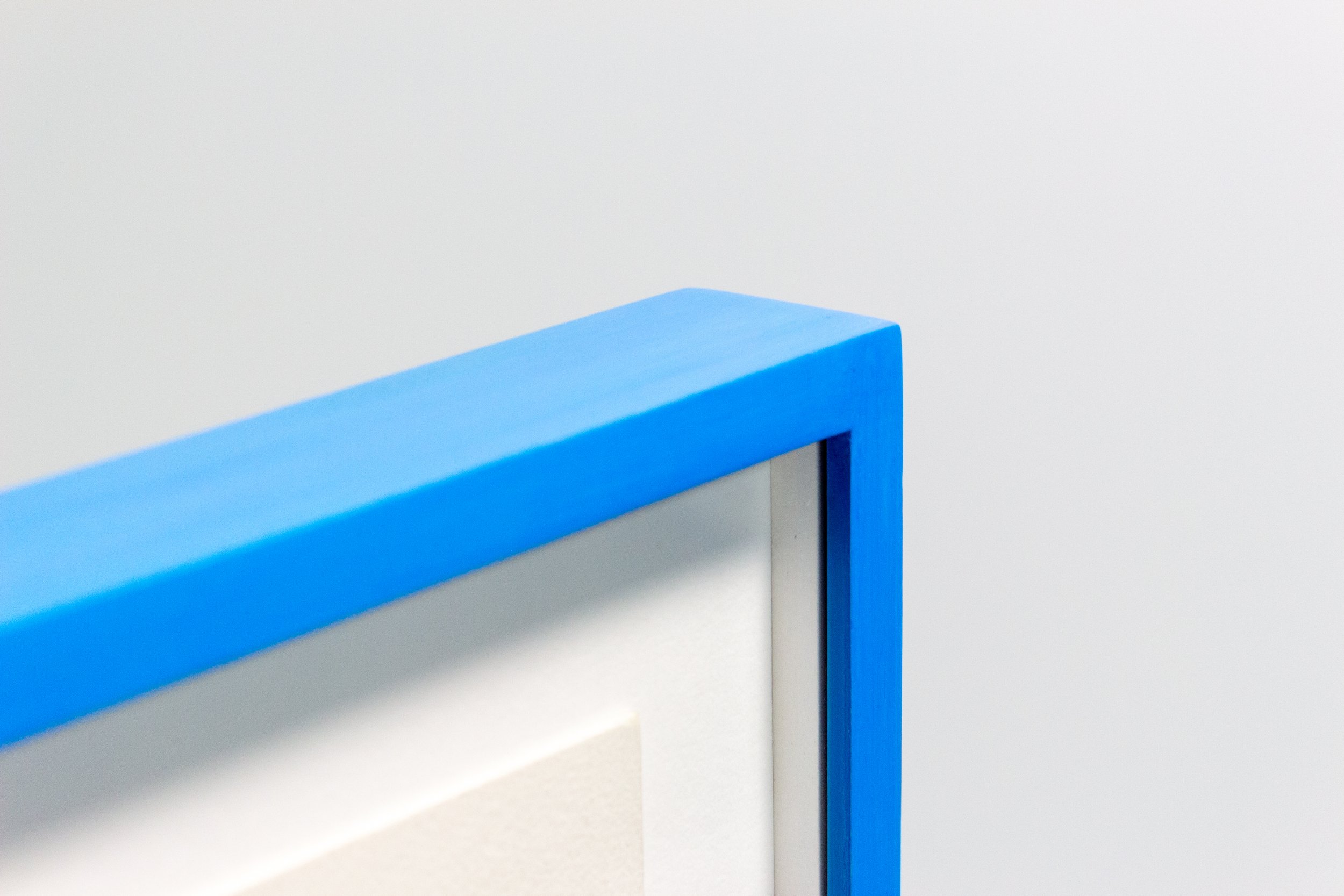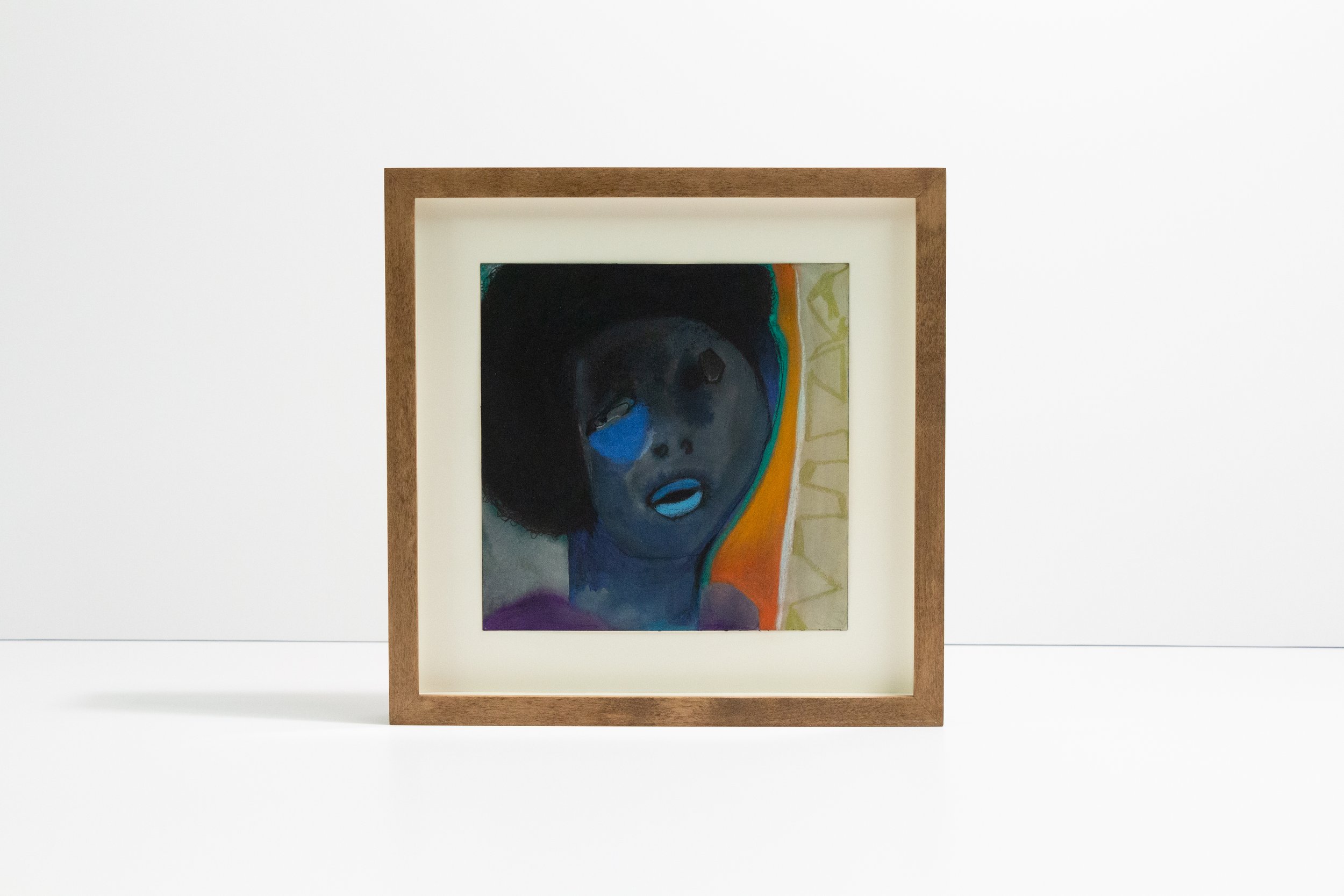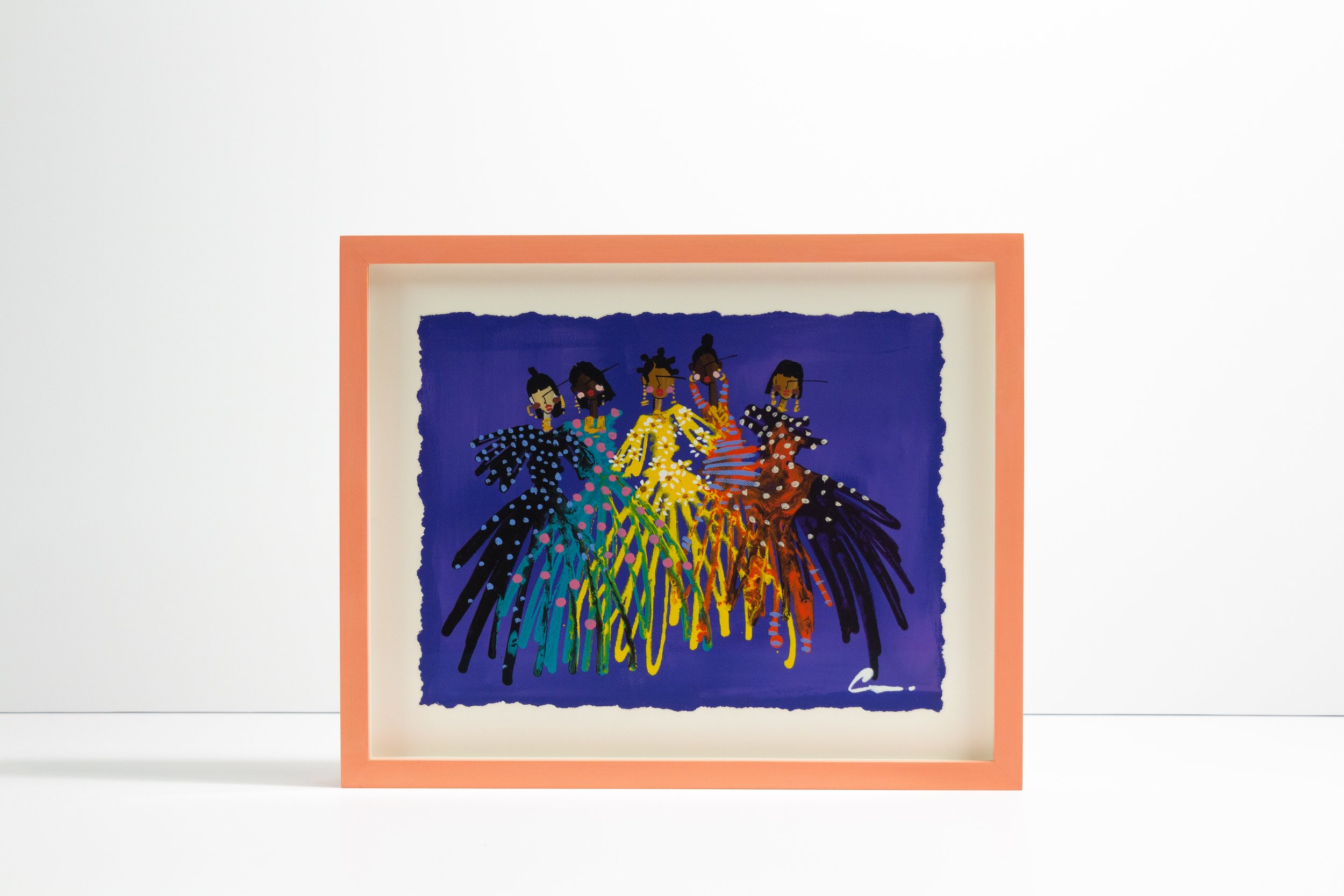

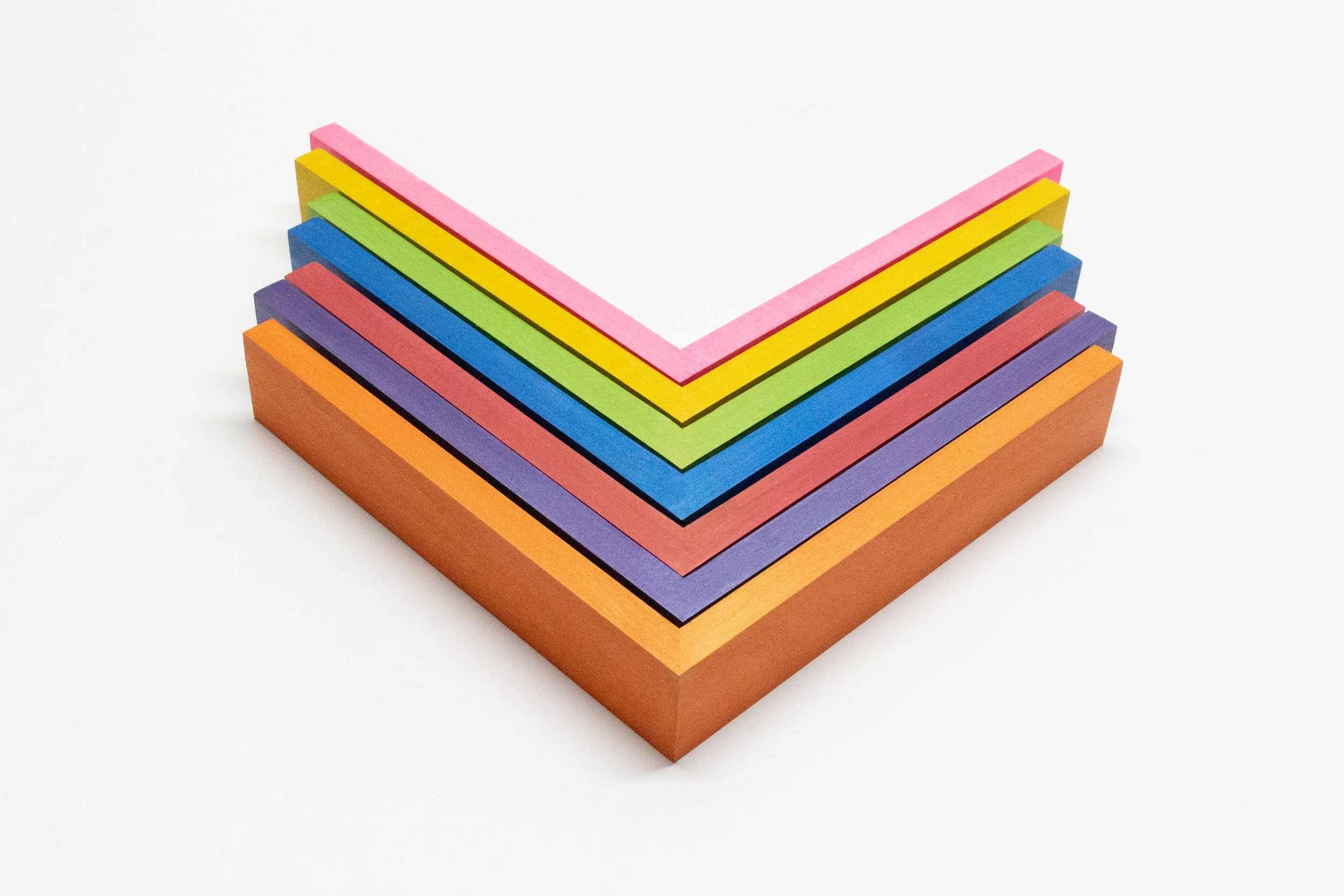
New York City’s preferred destination for finished-corner frames.
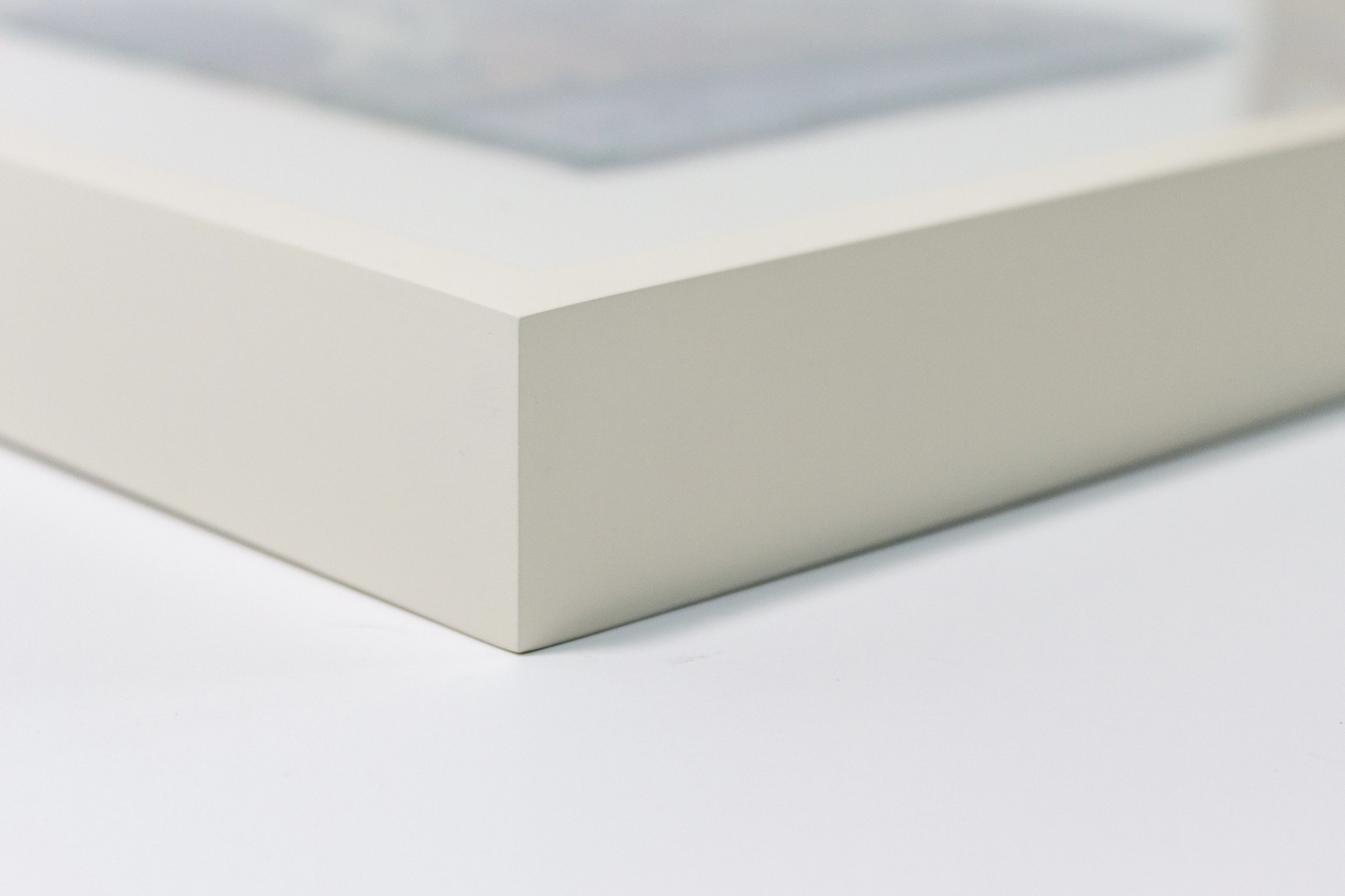
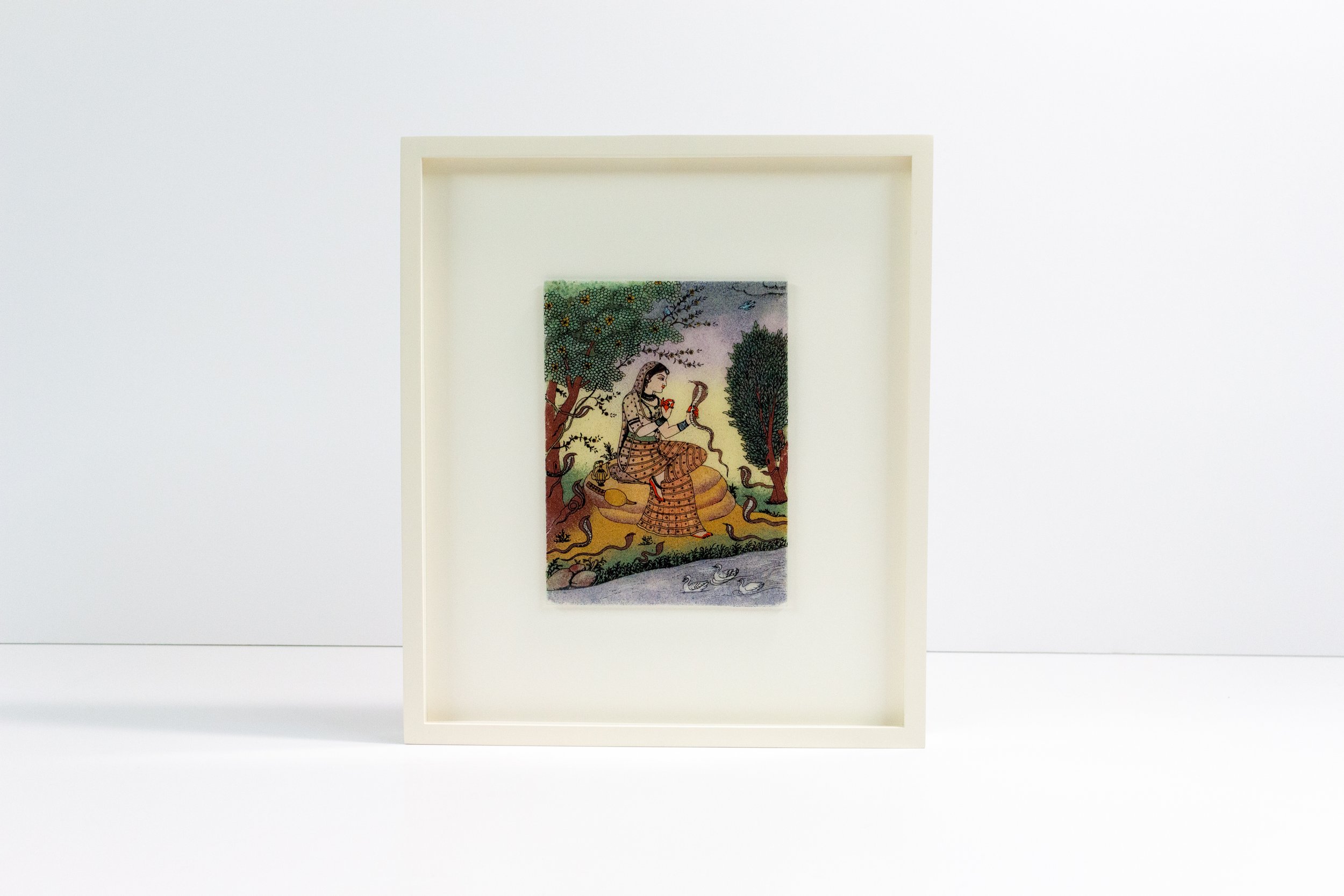
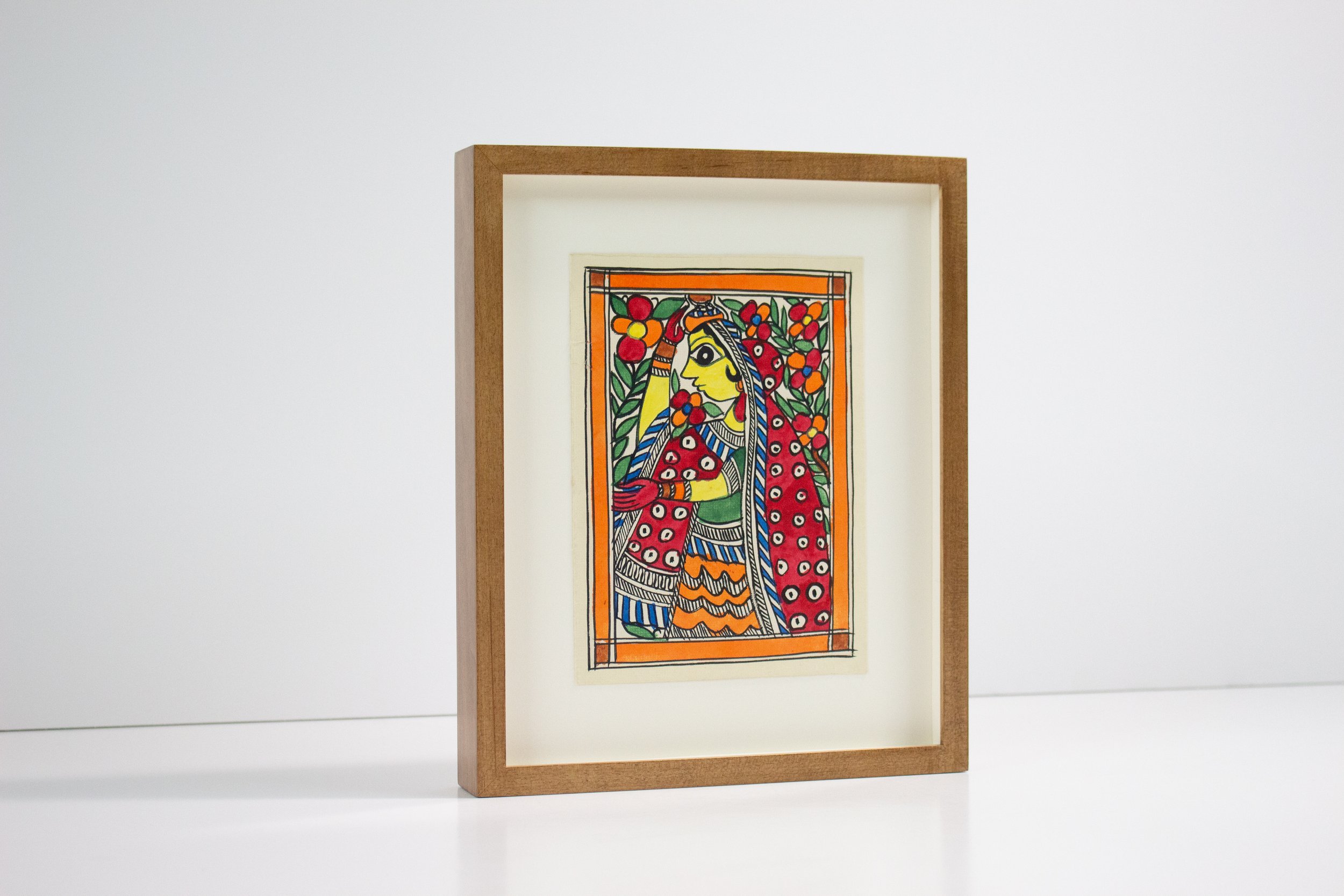
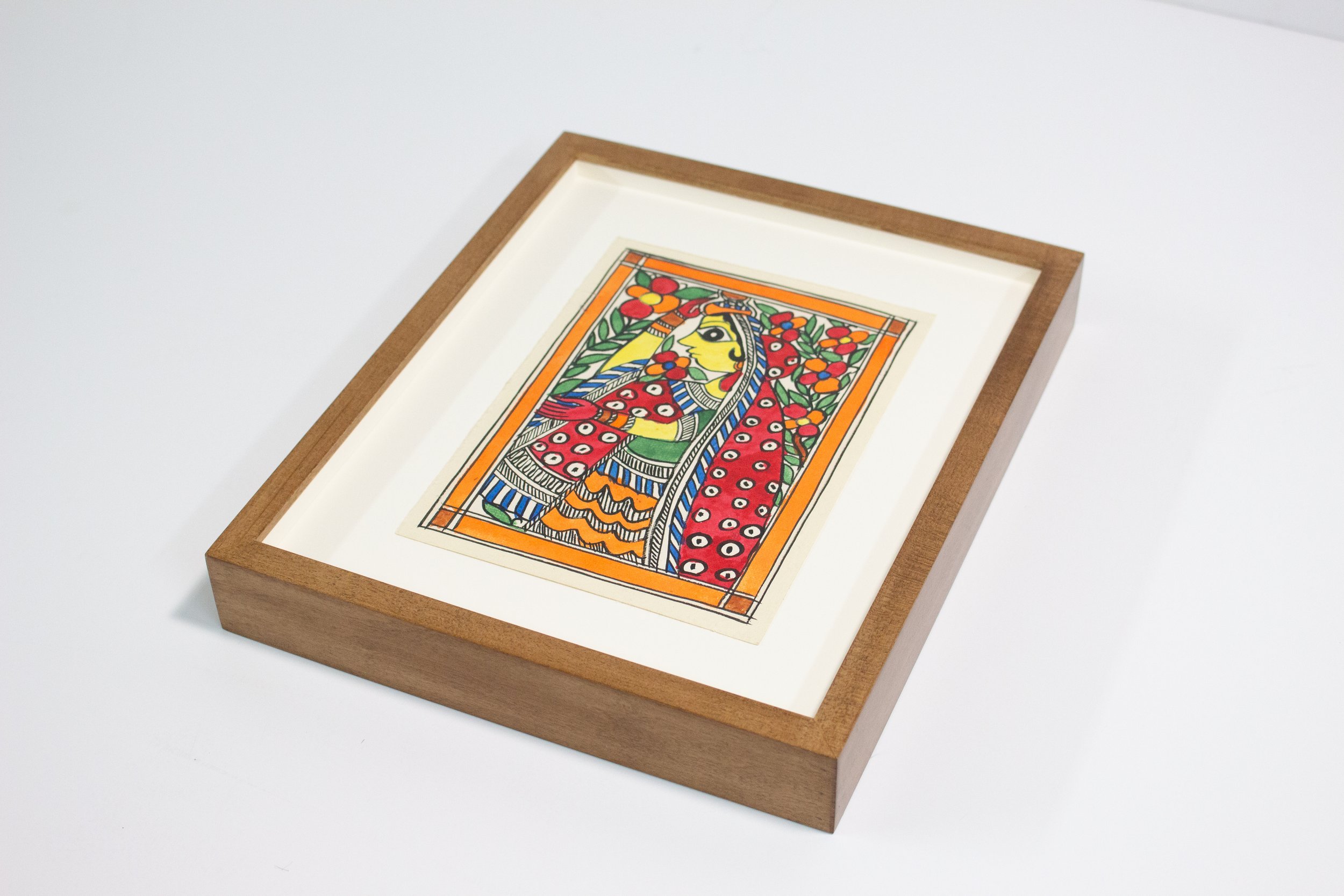
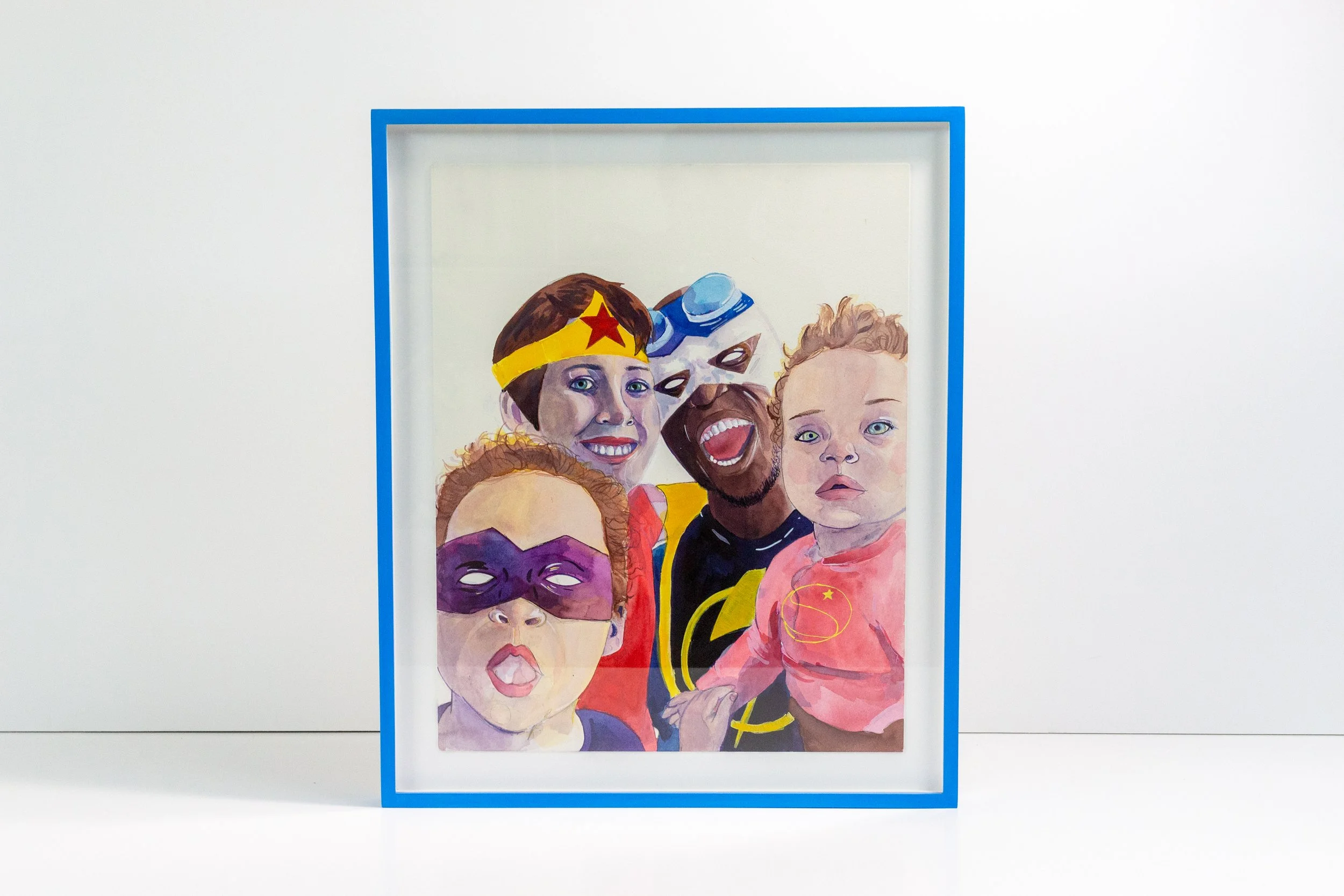
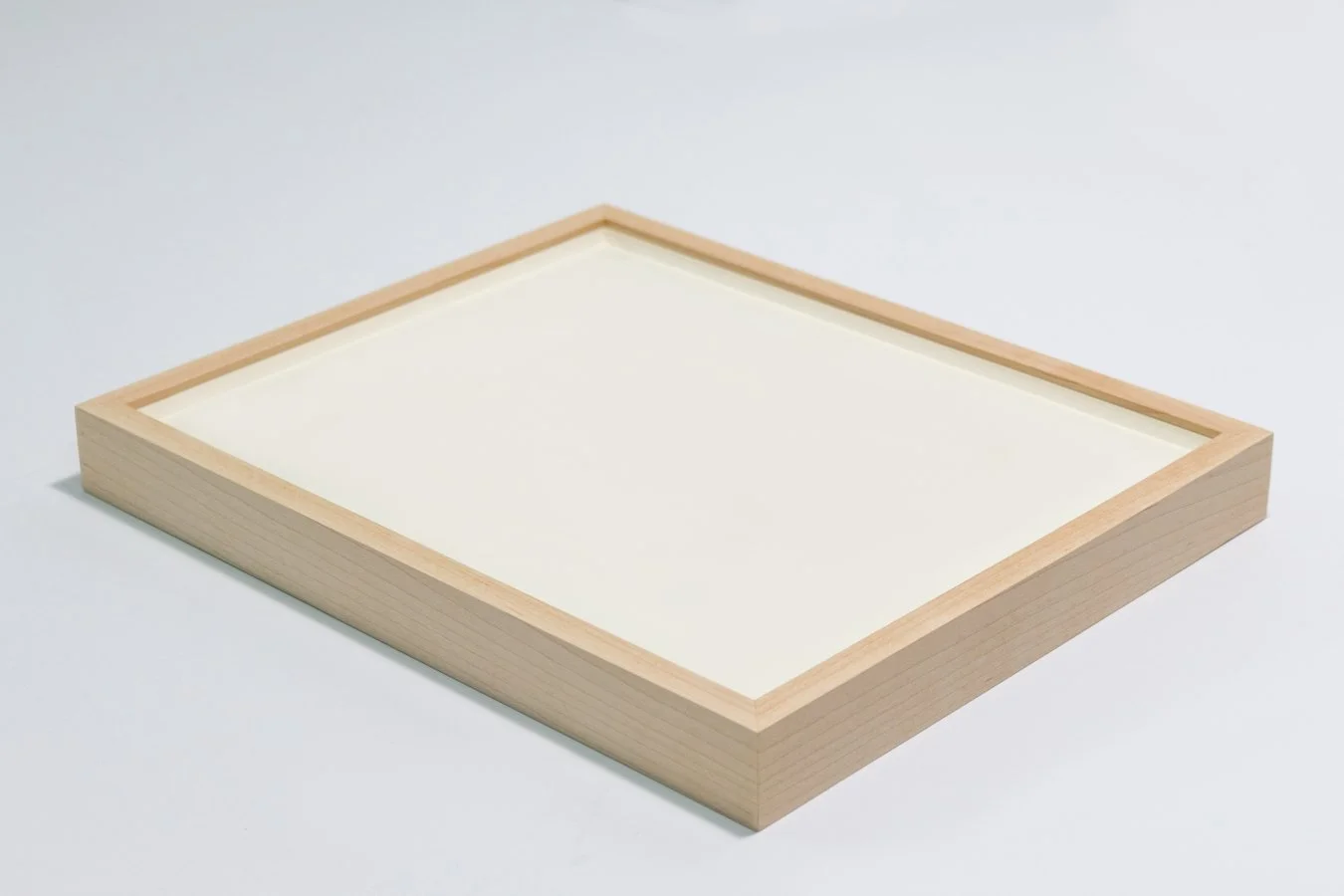
A finished-corner frame is the pinnacle of framing options, offering unparalleled versatility for a wide range of projects. Our handcrafted frames are meticulously constructed from premium raw materials, ensuring they are suited for archival purposes. We offer choices in wood species, colors, finishes, and textures to accommodate any and all tastes. Maple, our most popular wood, is valued for its durability, neutral appearance, and tonal versatility. It is especially ideal for achieving rich, solid colors through advanced lacquer or enamel finishes. Below, we provide some examples of framing options using maple wood.
We can create custom frames in an endless array of sizes and rabbet configurations to suit your specific requirements. If you’re unsure about the best profile for your item and space, give us a call. We’re here to guide you through the process and help you select your perfect frame.

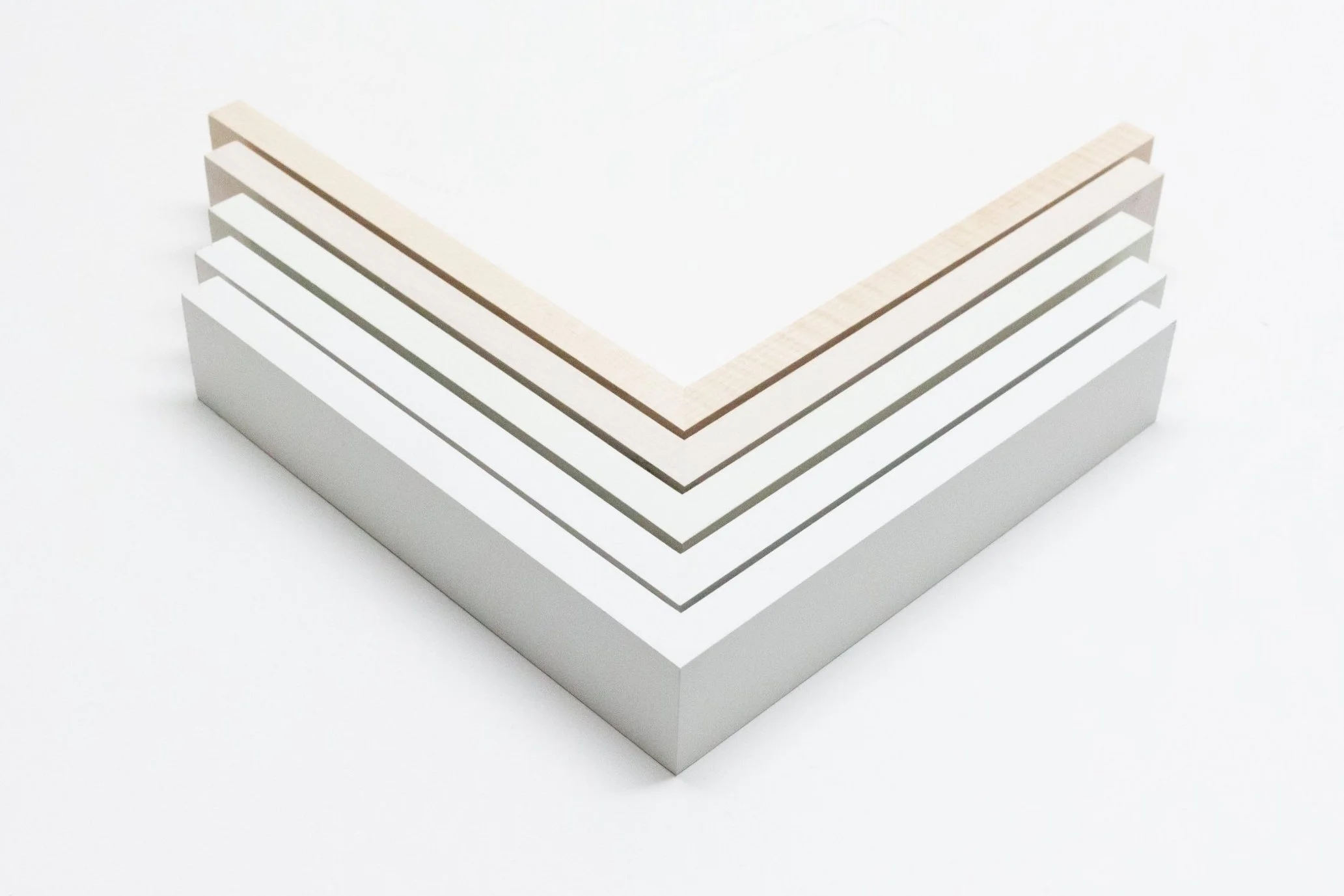
Natural Tones
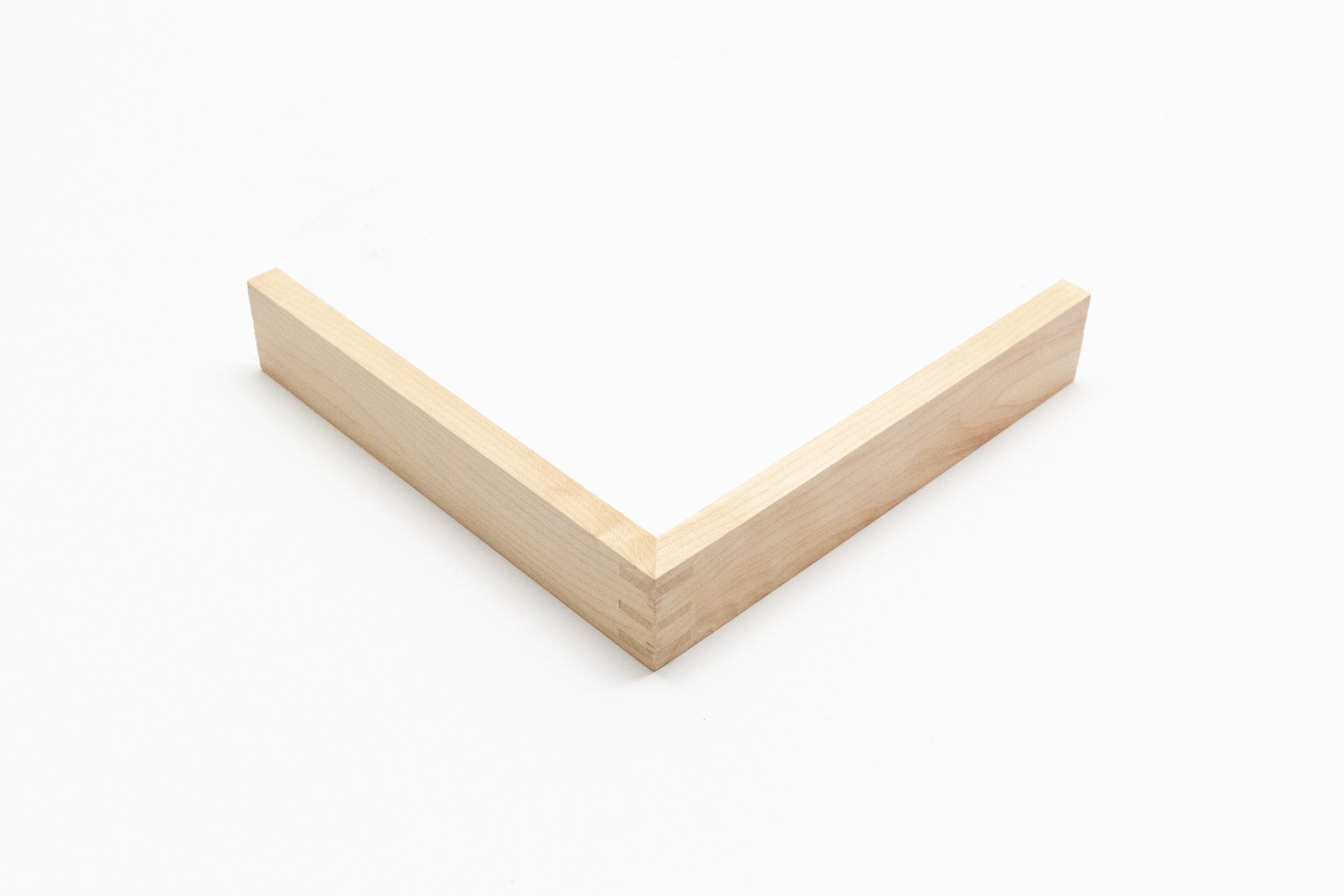
Natural Maple

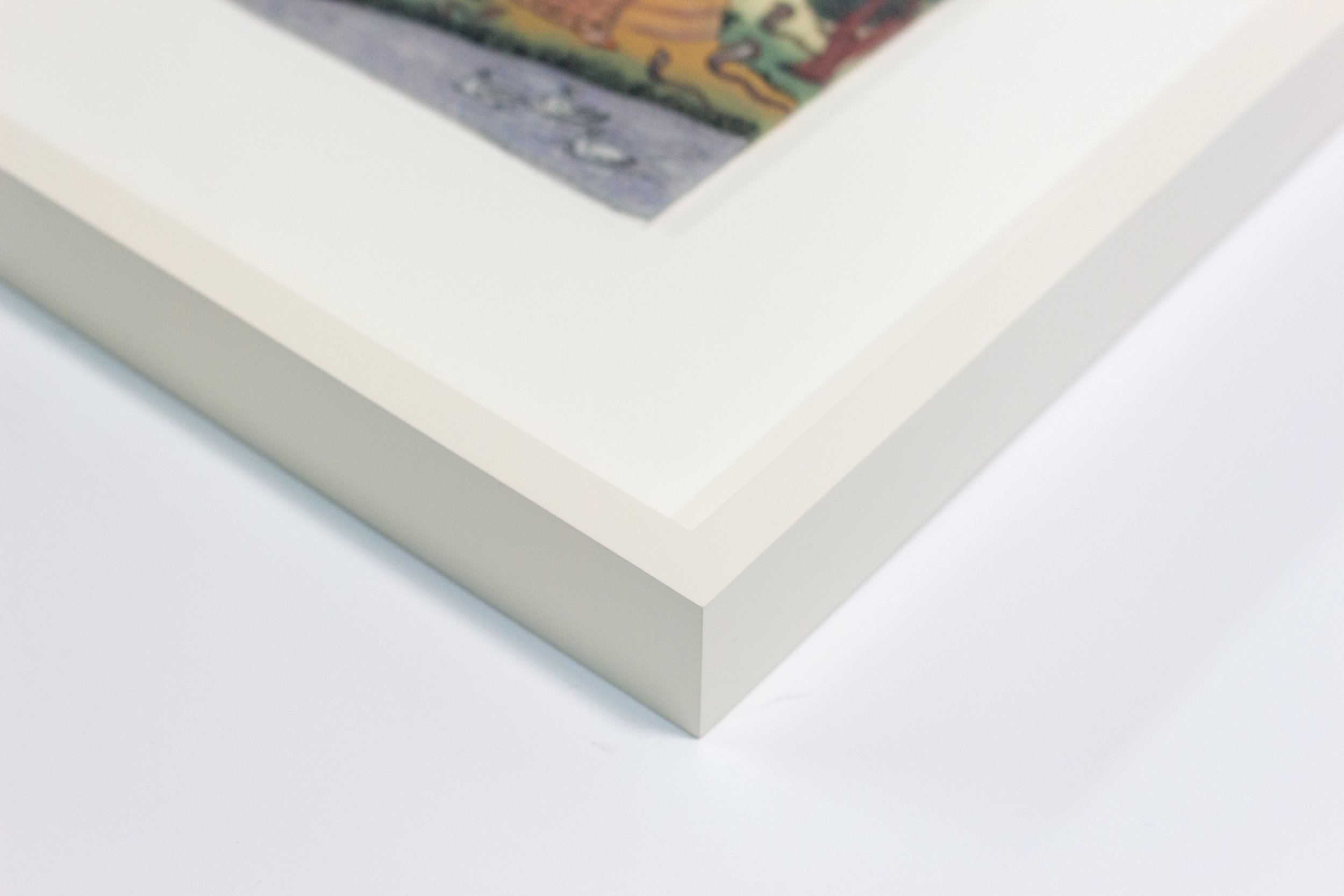
A wooden L-shaped corner piece on a white background.
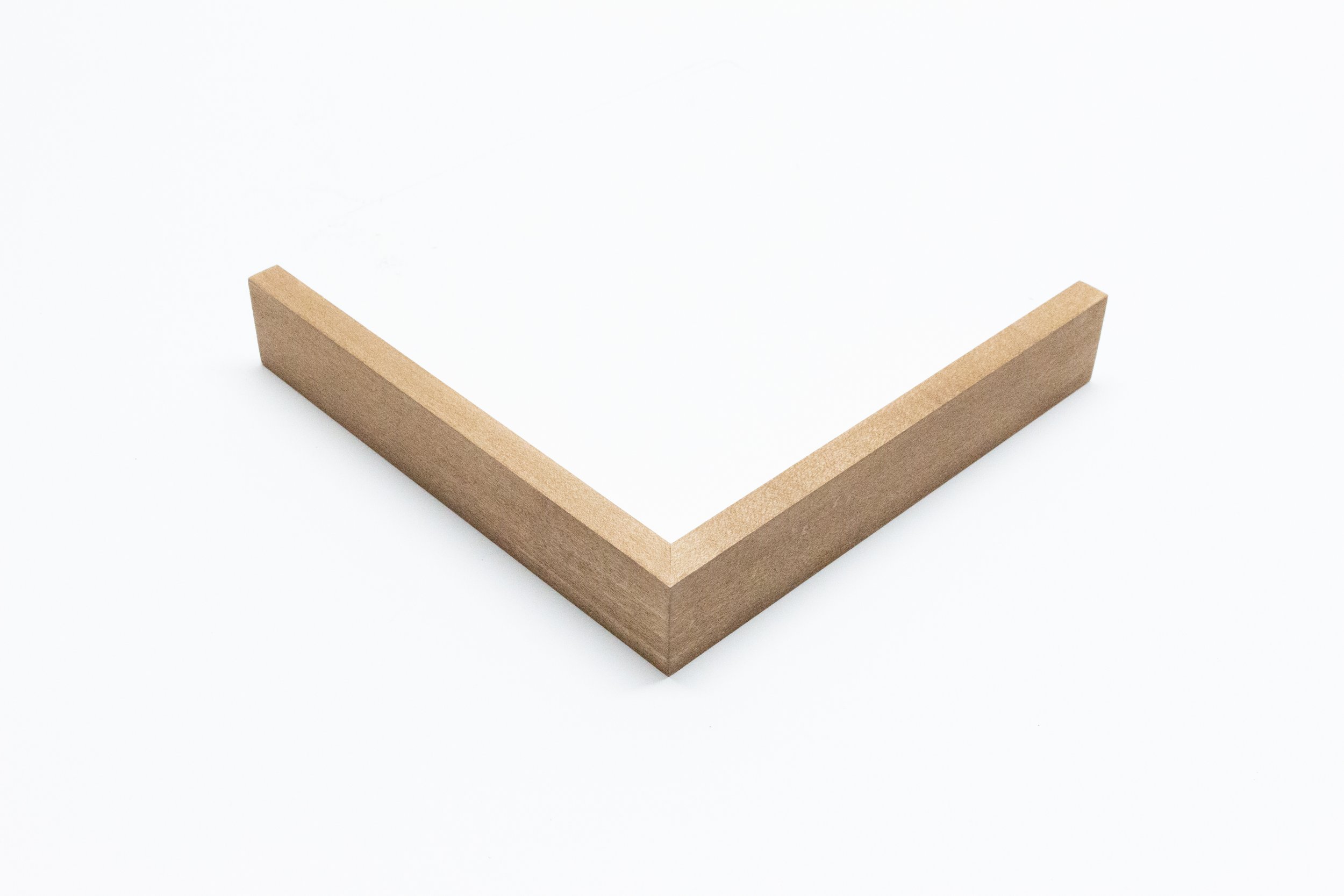
Light Walnut

Medium Walnut
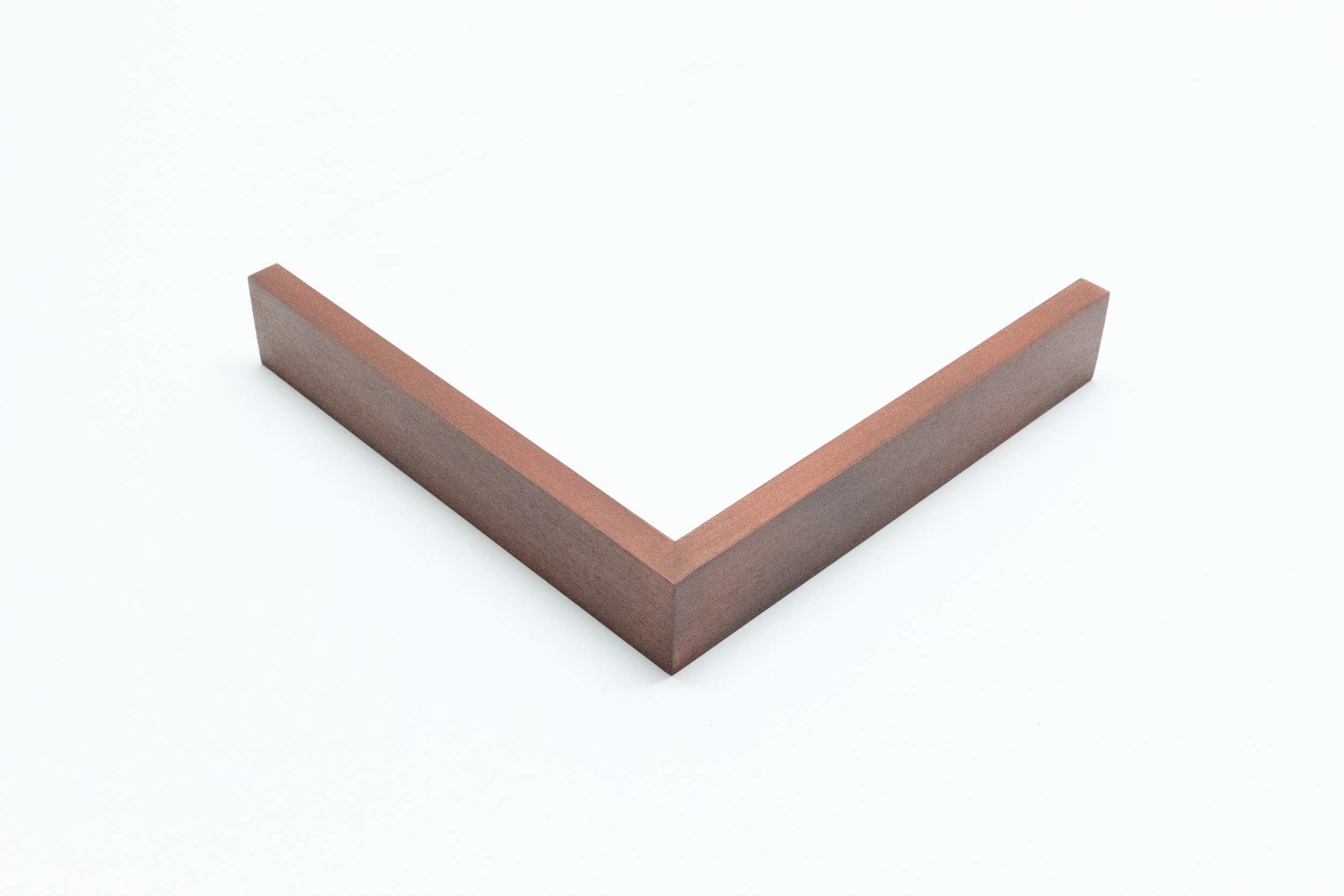
Cherry

Dark Walnut

White Tones
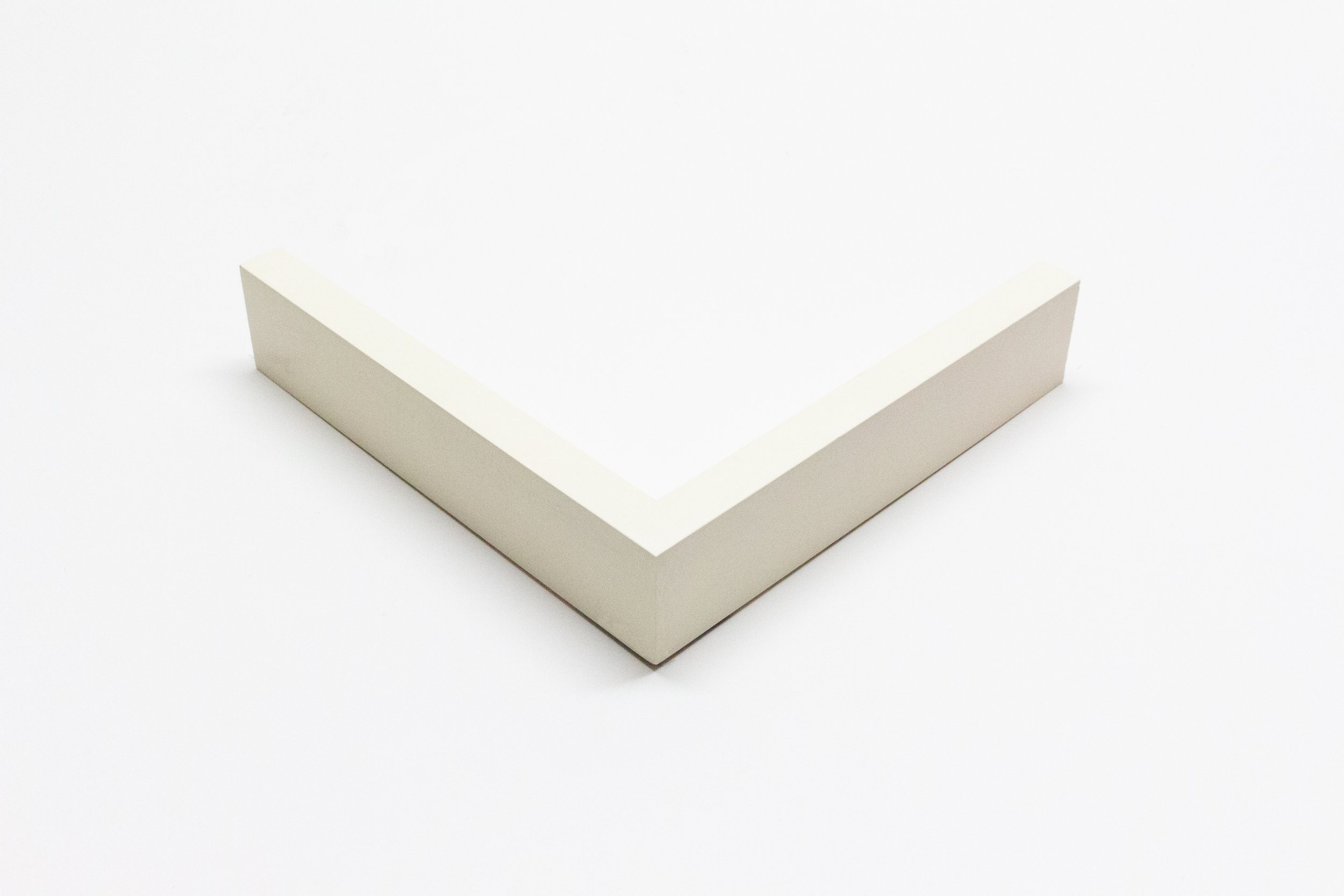
White Matte

White Linen

White Satin

White Wash
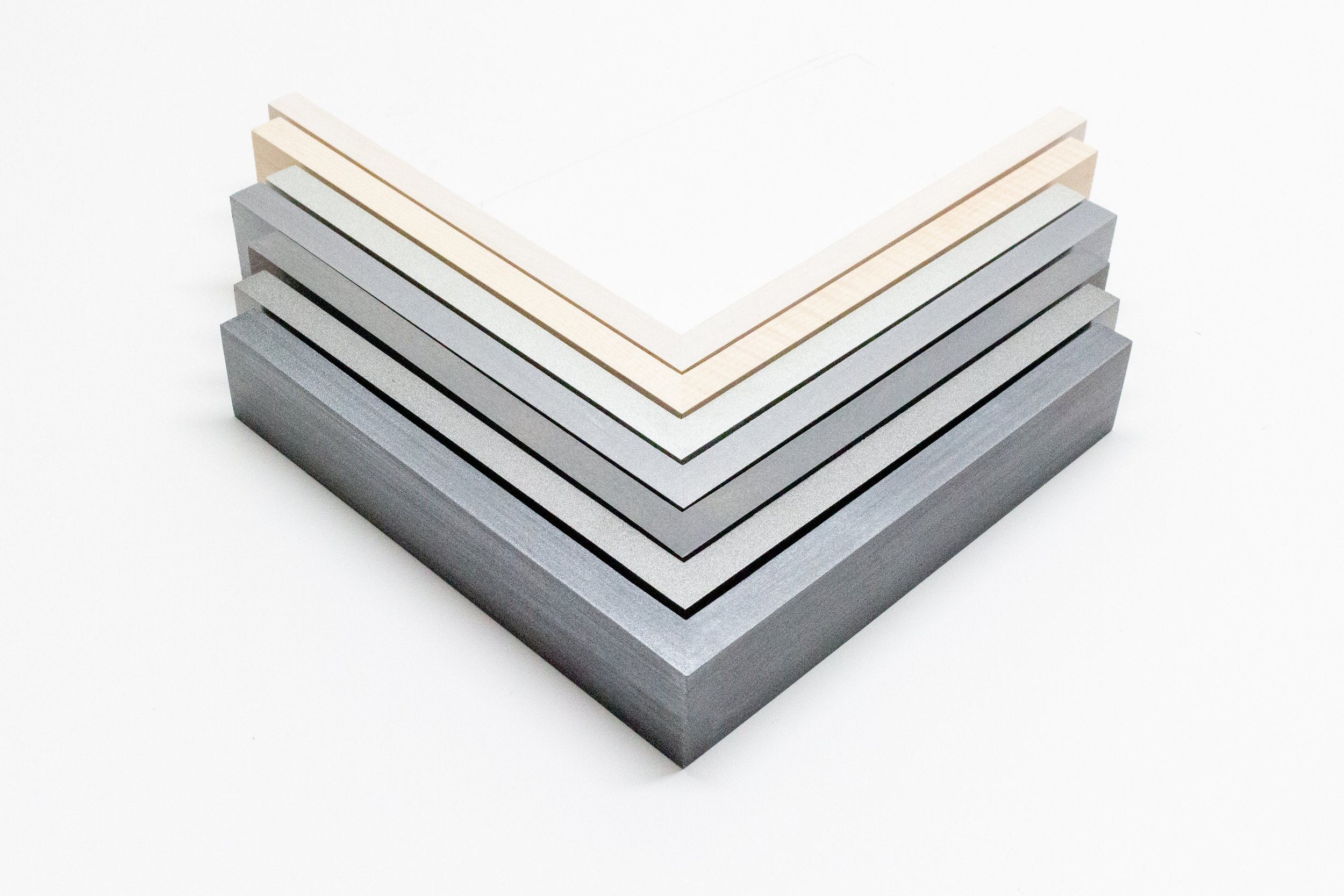
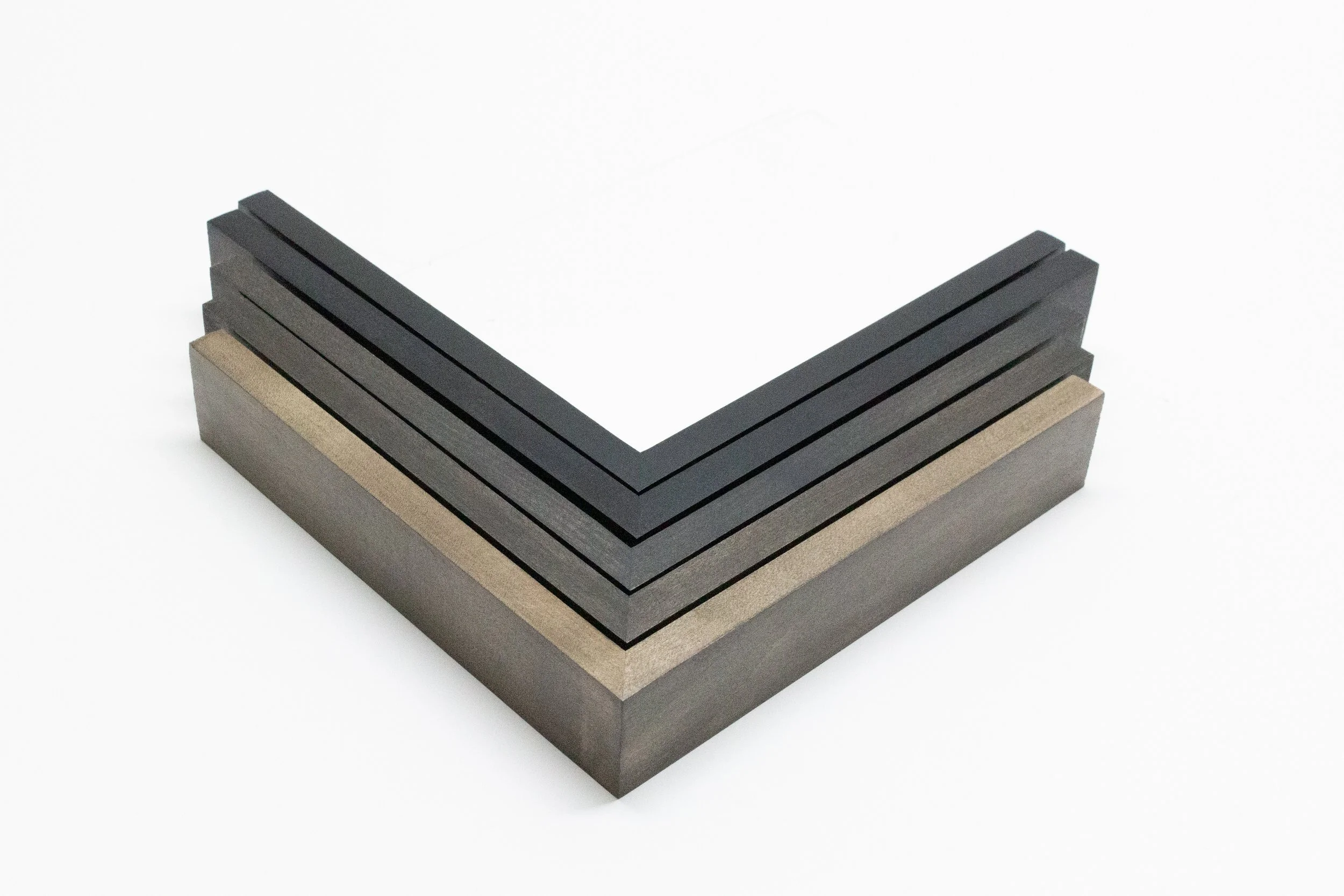
Silver / Gray Tones

A metallic L-shaped corner piece on a white background.

A silver metallic corner bracket on a white background.

Silver metallic corner piece on a white background.

A white L-shaped piece placed on a white surface.

Black Tones
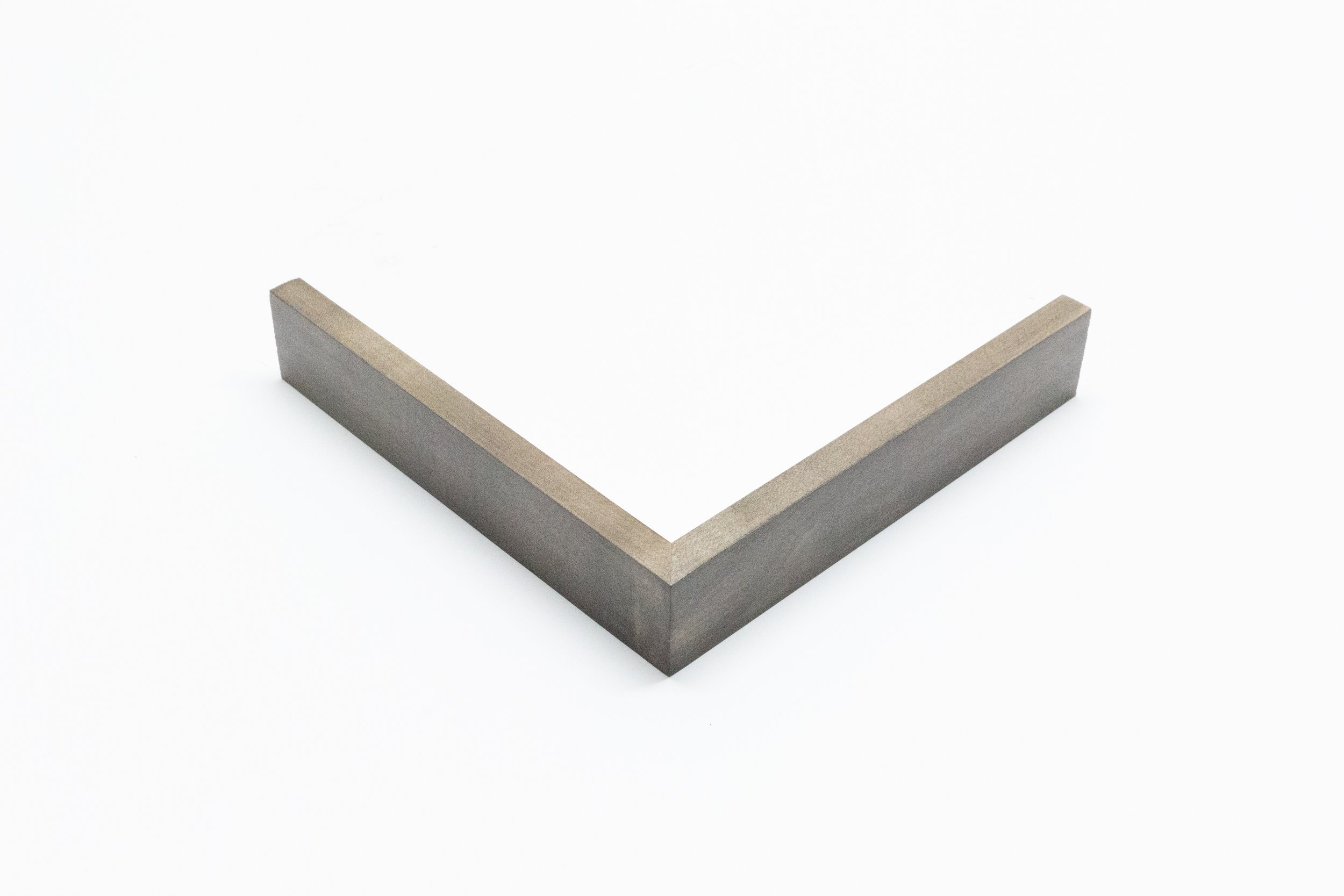
Light Gray

Medium Gray

Dark Gray

Black

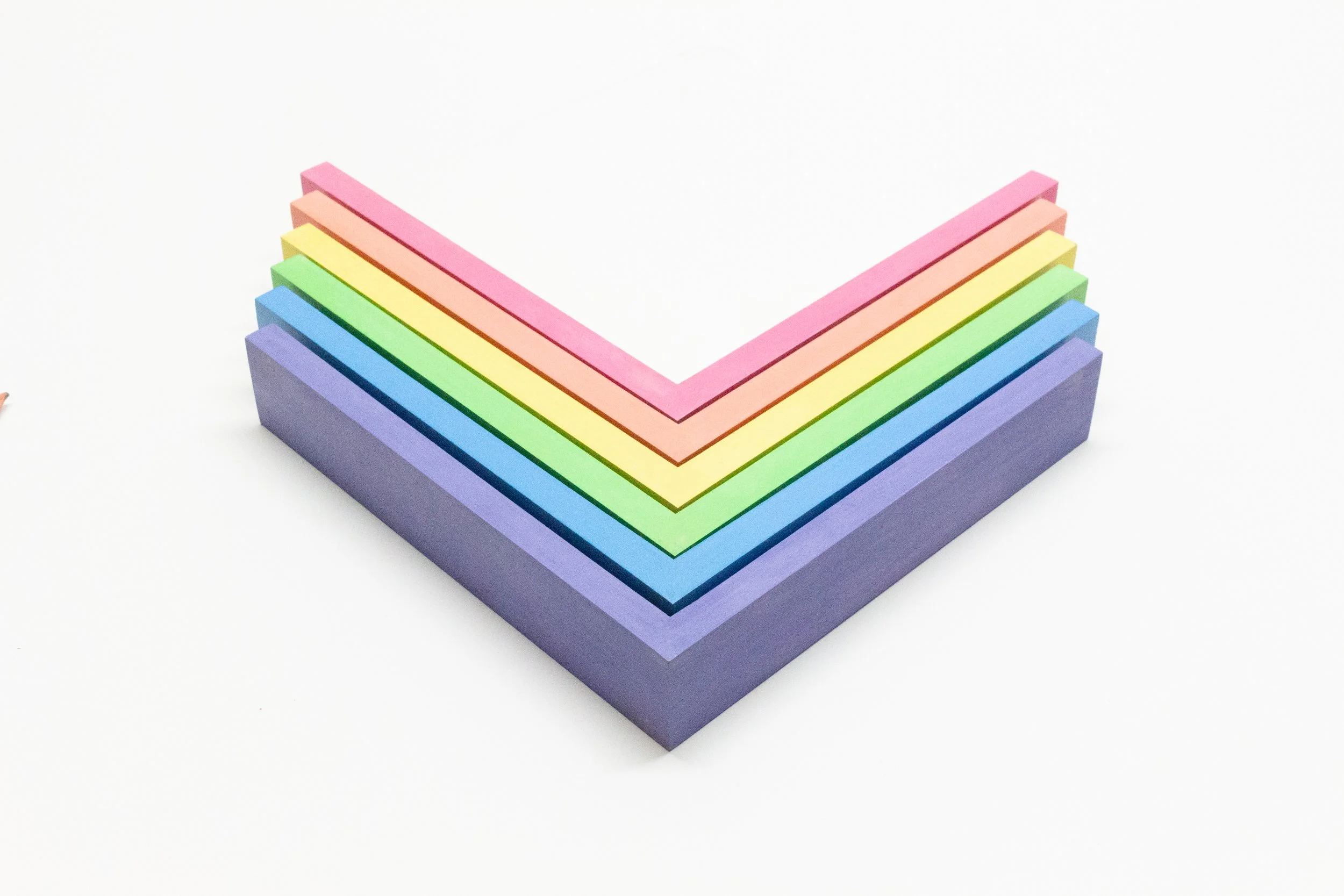
Pastel Tones

Lavender
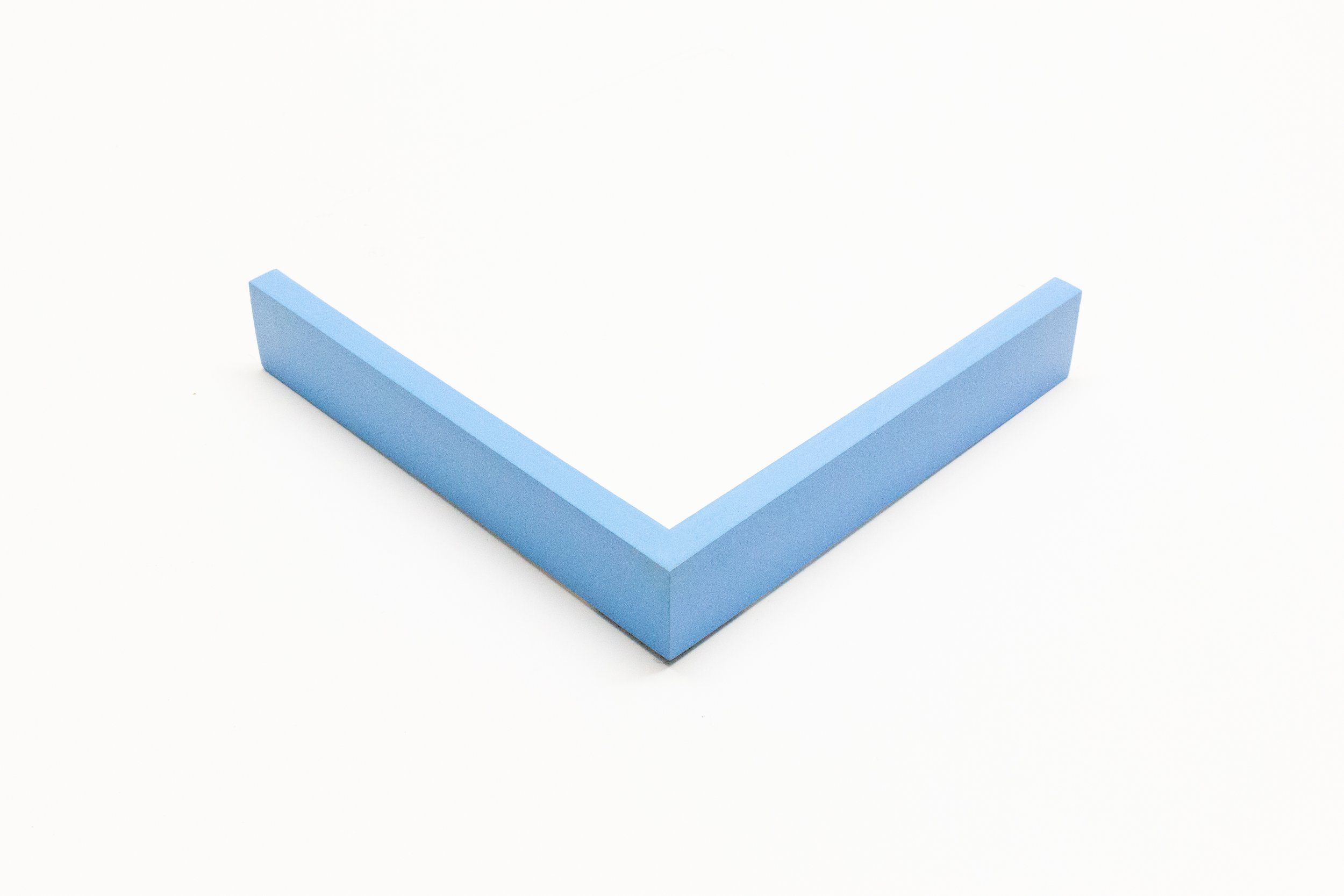
Sky Blue

Mint

Mellow Yellow

Peach

Bubblegum

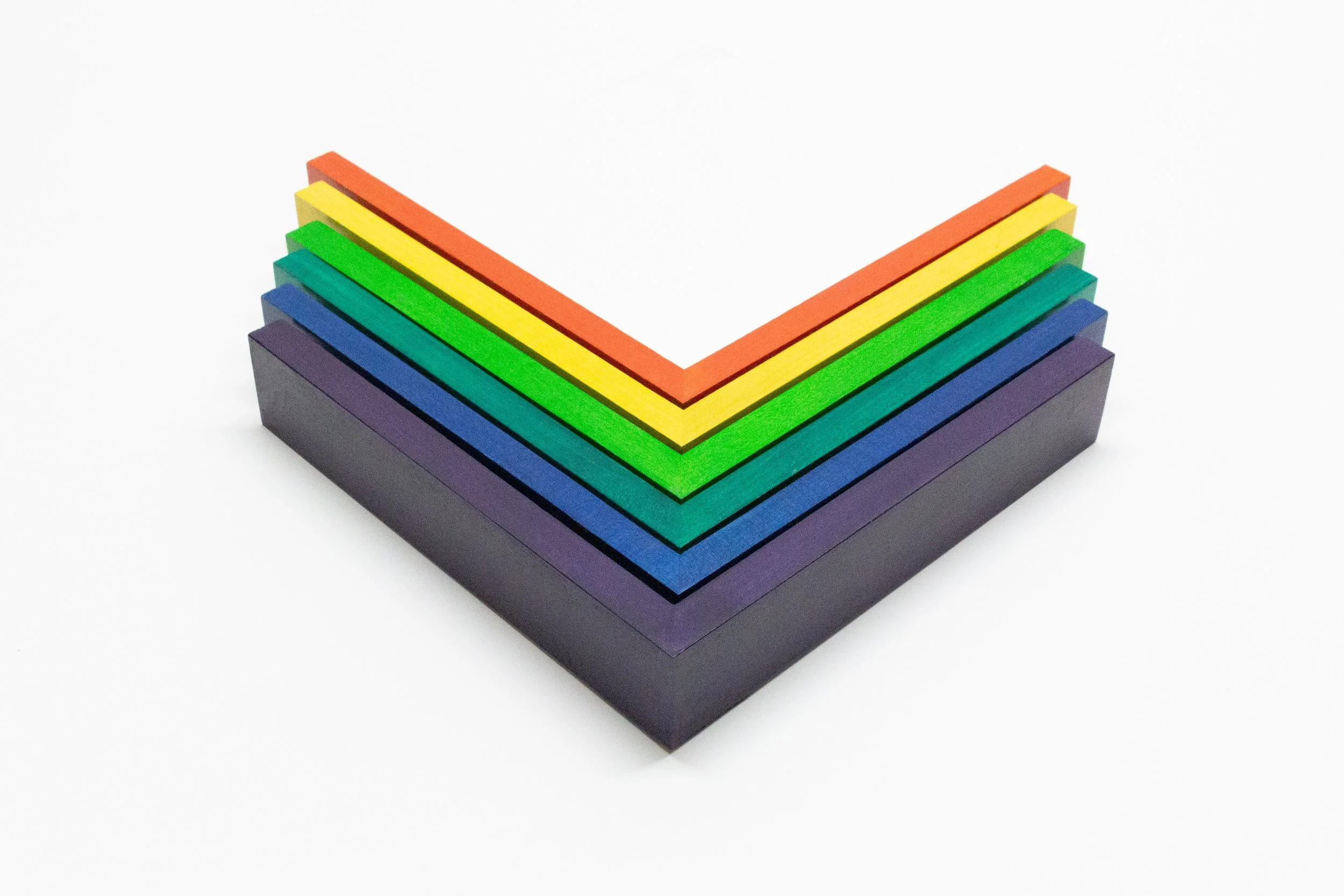
Primary Tones

Deep Purple

Dark Blue

Seafoam Green
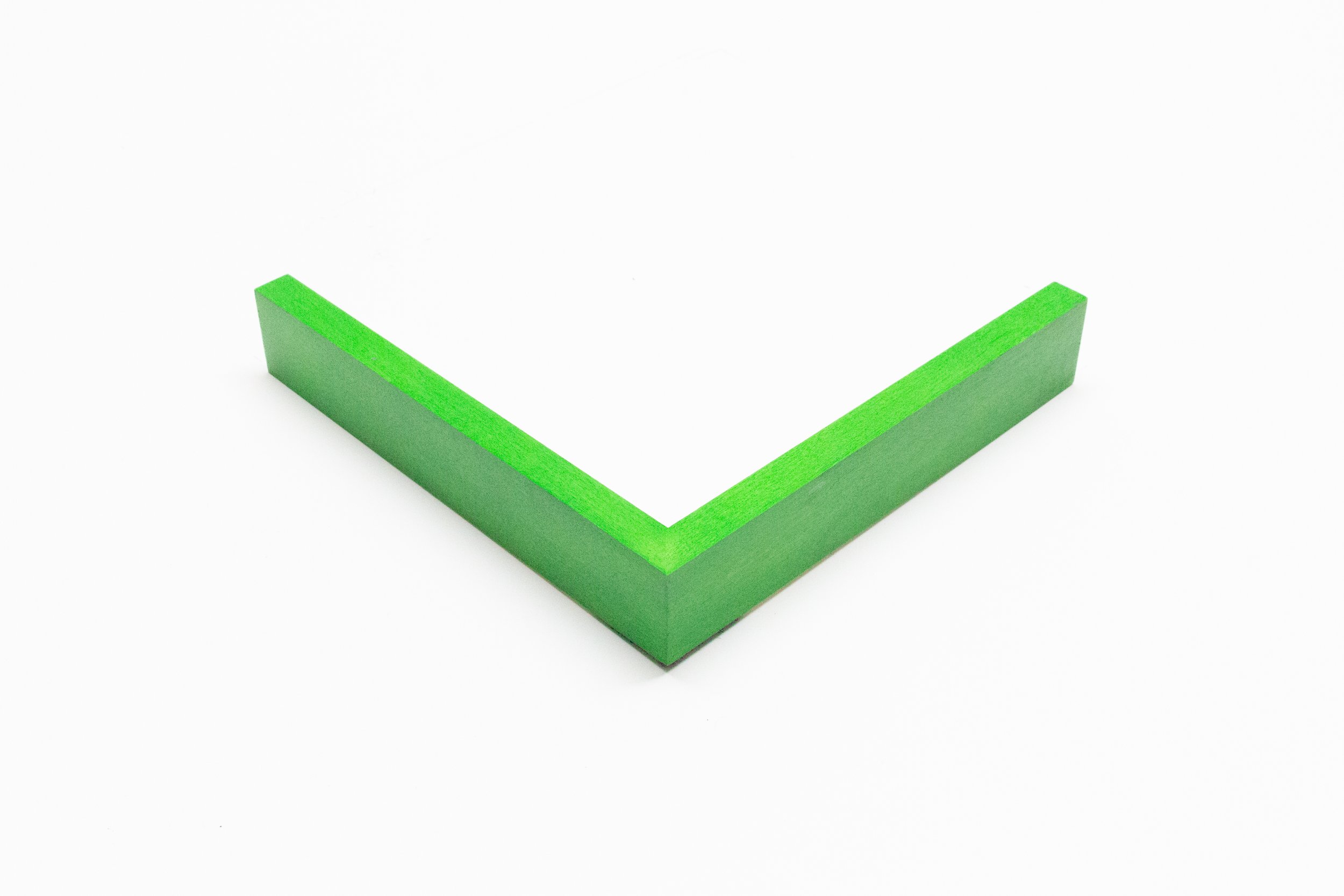
Grass Green

Taxi Yellow

Red Orange
Construct
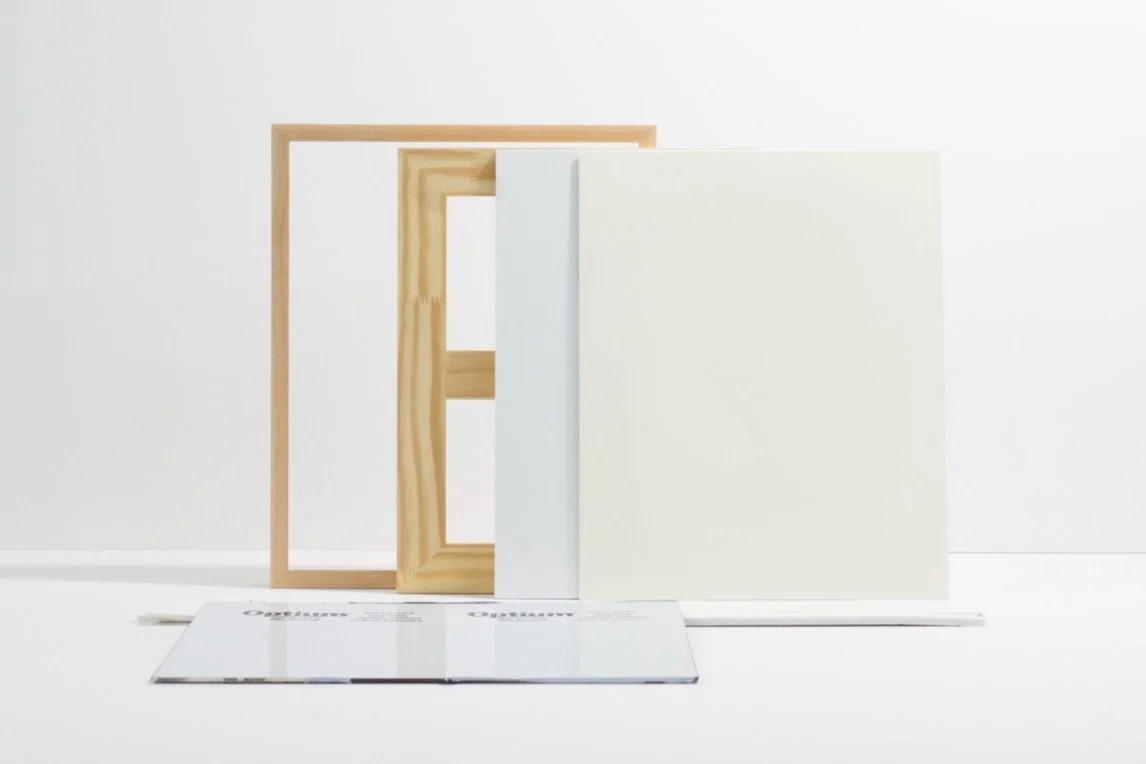
Archival framing incorporates a combination of material and practices used to mount and frame an artwork. The main components of Archival framing are the frame, the mounting board and the glass.
The Mounting Board
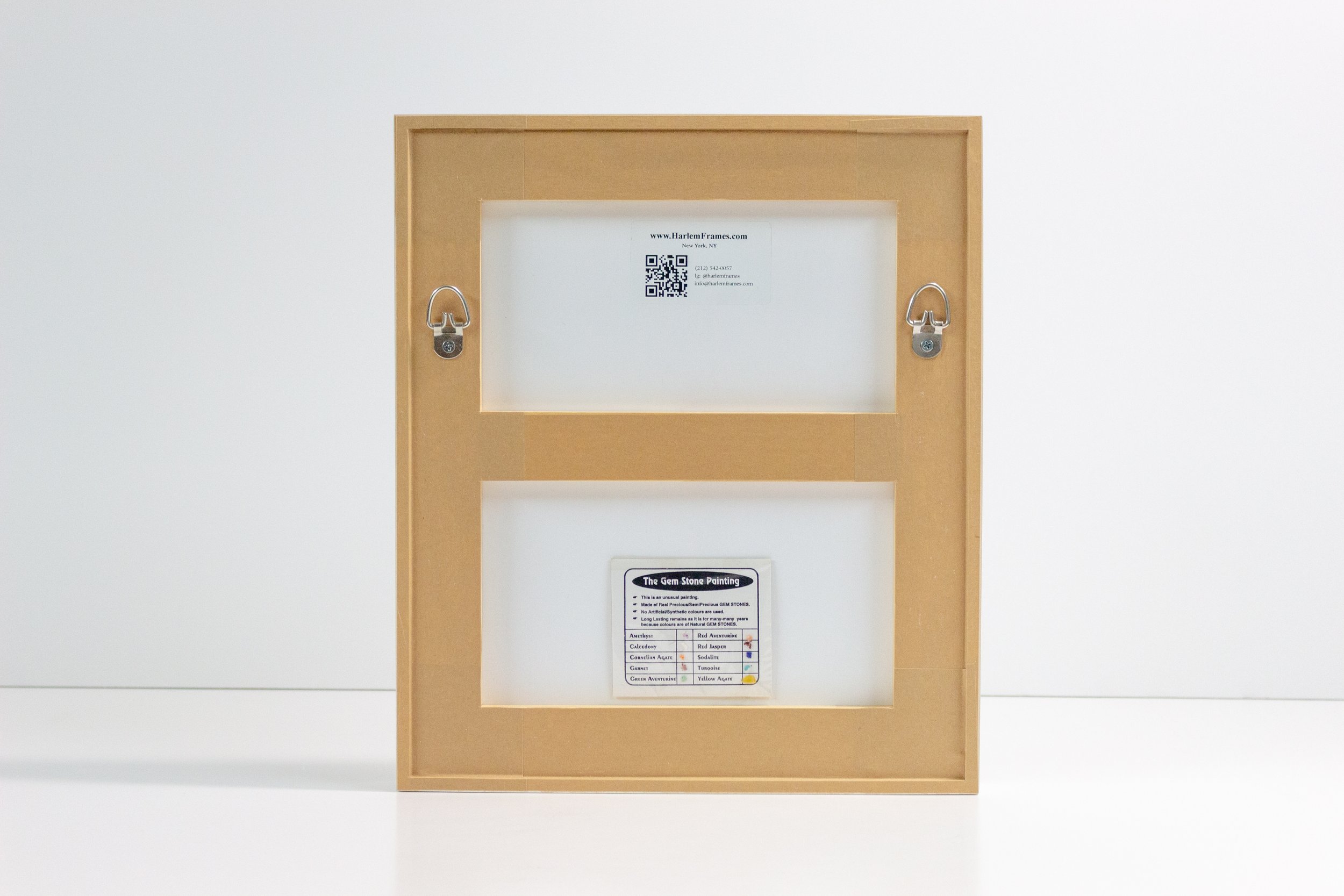
The mounting board is a combination of single materials which form together the support for the artwork. It may be composed of:
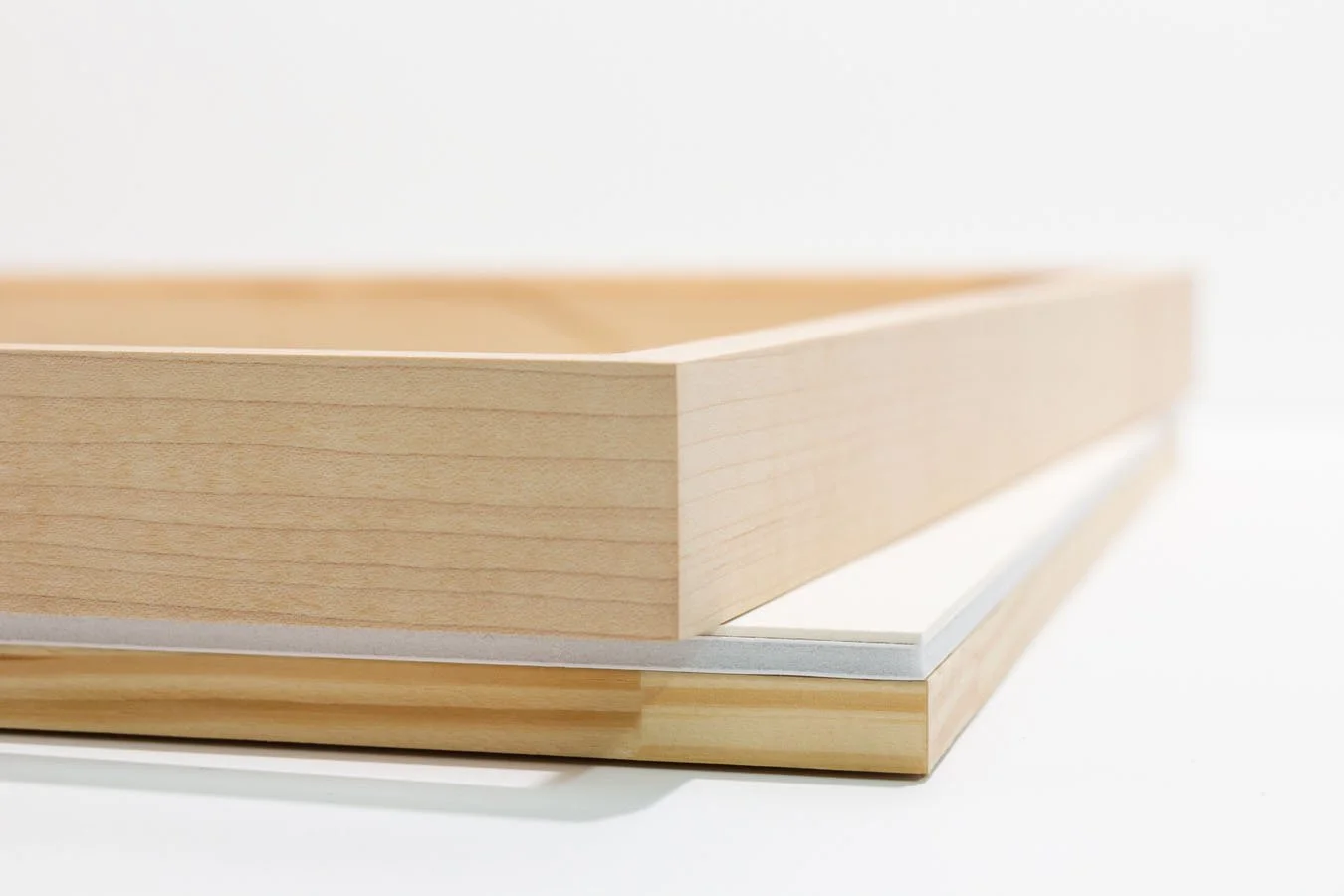
Strainer: a wooden frame that goes in the back of the frame. It is most commonly used with cap frames, shadow boxes, mirrors and oversize jobs. It ensures the longevity of the mounting board and ultimately the artwork itself. It also prevents the backing board from bending and reinforces the frame’s joinery.
Backing board: Common materials are acid free foamboard, coroplast (corrugated plastic)
Mat board: This is the substrate commonly used to affix an artwork. 100% acid free rag mat to float artwork or with a cut in window. Other substrates include linen mat, sintra, dibond, wood and acrylic.