What Is Conservation Framing—and When Do You Need It?
A frame does more than determine how an artwork looks on the wall. For original, valuable, sentimental, or delicate pieces, the materials and techniques used inside the frame can also play an important role in how the artwork is cared for over time.
That's the idea behind conservation framing.
Conservation framing is an approach that considers both presentation and preservation. Rather than focusing solely on the moulding surrounding the artwork, it looks at the complete framing system—from mat boards and mounting methods to glazing, backing, spacing, and the environment where the finished piece will be displayed.
But does every artwork require conservation framing? Not necessarily. Understanding when it matters can help you make a more informed decision about your piece.
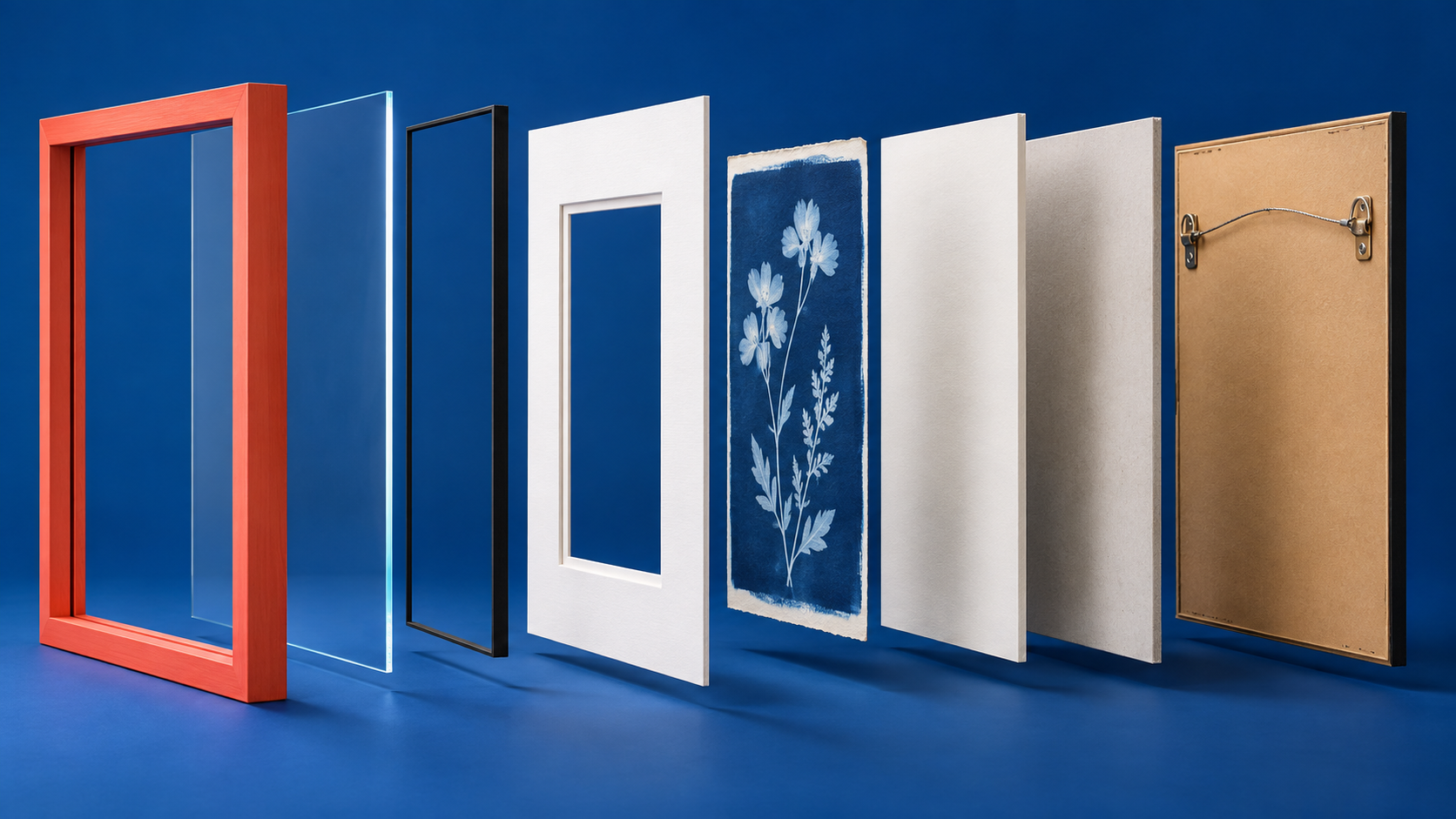
What Makes a Frame “Conservation” Quality?
Conservation framing isn't a particular aesthetic.
A conservation-framed artwork can be contemporary, traditional, colorful, minimal, floated, deeply matted, or surrounded by an ornate moulding. What matters is largely what you don't see once the frame is finished.
A conservation-minded approach considers:
Works on paper
Limited-edition or signed prints
Fine-art photography
Historical documents
Textiles
Collectible material
Family photographs and heirlooms
Valuable artwork
Irreplaceable objects
Pieces intended to remain framed for many years
The decision isn't determined by financial value alone. A handwritten letter from a grandparent may be worth very little on the market but impossible for its owner to replace. Sentimental value can be just as important as monetary value when deciding how carefully something should be framed.
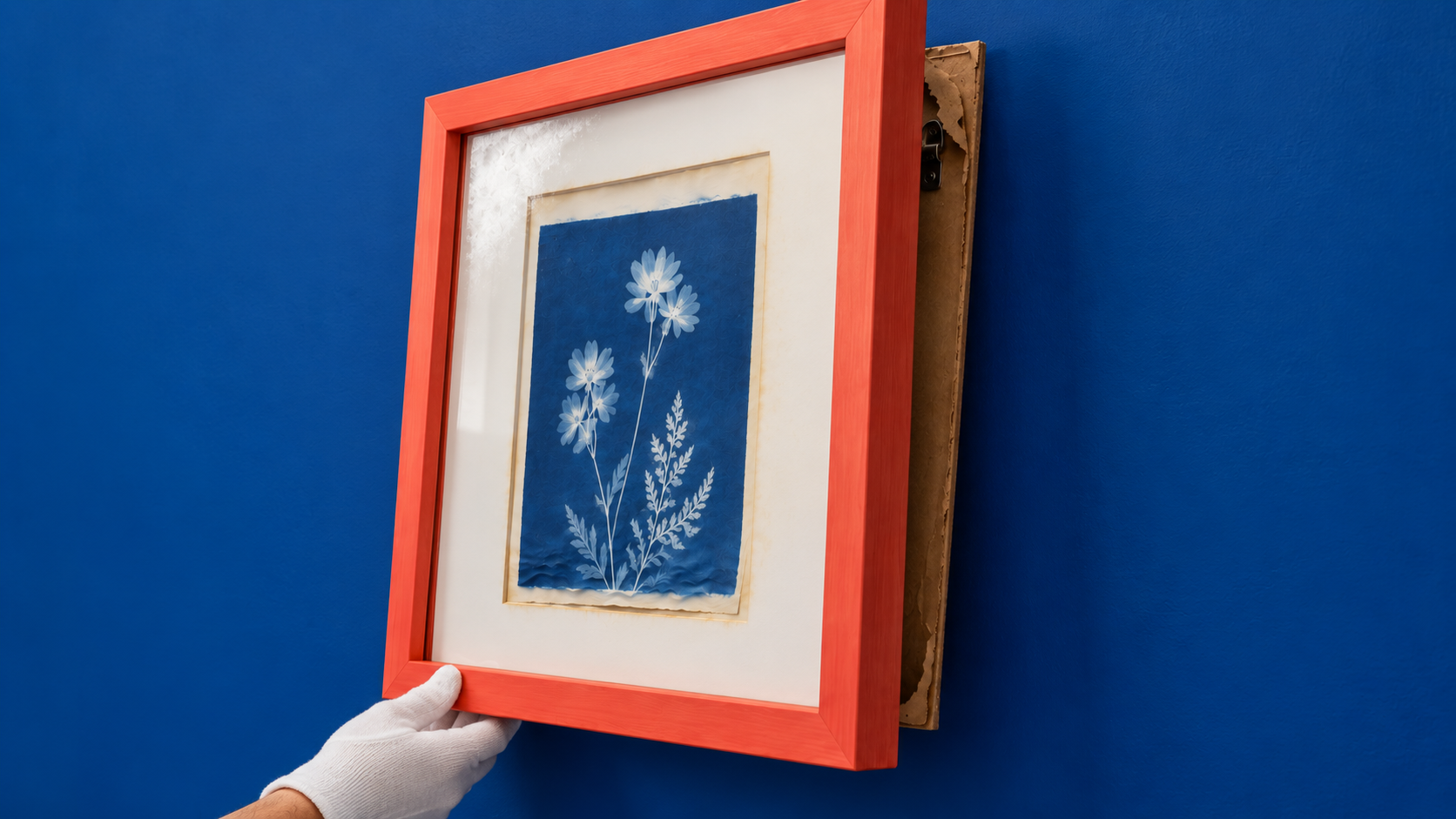
When Should Older Artwork Be Reframed?
You may also consider conservation framing for artwork that's already hanging on your wall.
Older pieces may have been framed using materials or techniques that were common at the time but wouldn't necessarily be selected for sensitive artwork today.
Consider having an older frame assessed if you notice:
Yellowing or browning mats
Artwork touching the glazing
Staining or discoloration
Rippling or buckling
Artwork slipping inside the frame
Damaged or deteriorating backing
Moisture or condensation
Loose mounting
Cracked glazing
Mold or unusual spotting
You may also want an assessment simply because you don't know how the piece was originally framed. Reframing doesn't necessarily mean changing its appearance. In some cases, the goal may be to preserve the existing aesthetic while improving the materials surrounding the artwork.
Does Conservation Framing Last Forever?
No framing system eliminates the effects of time or environment completely.
Even conservation-framed artwork should be protected from prolonged direct sunlight, excessive humidity, concentrated heat, water, and unstable environmental conditions.
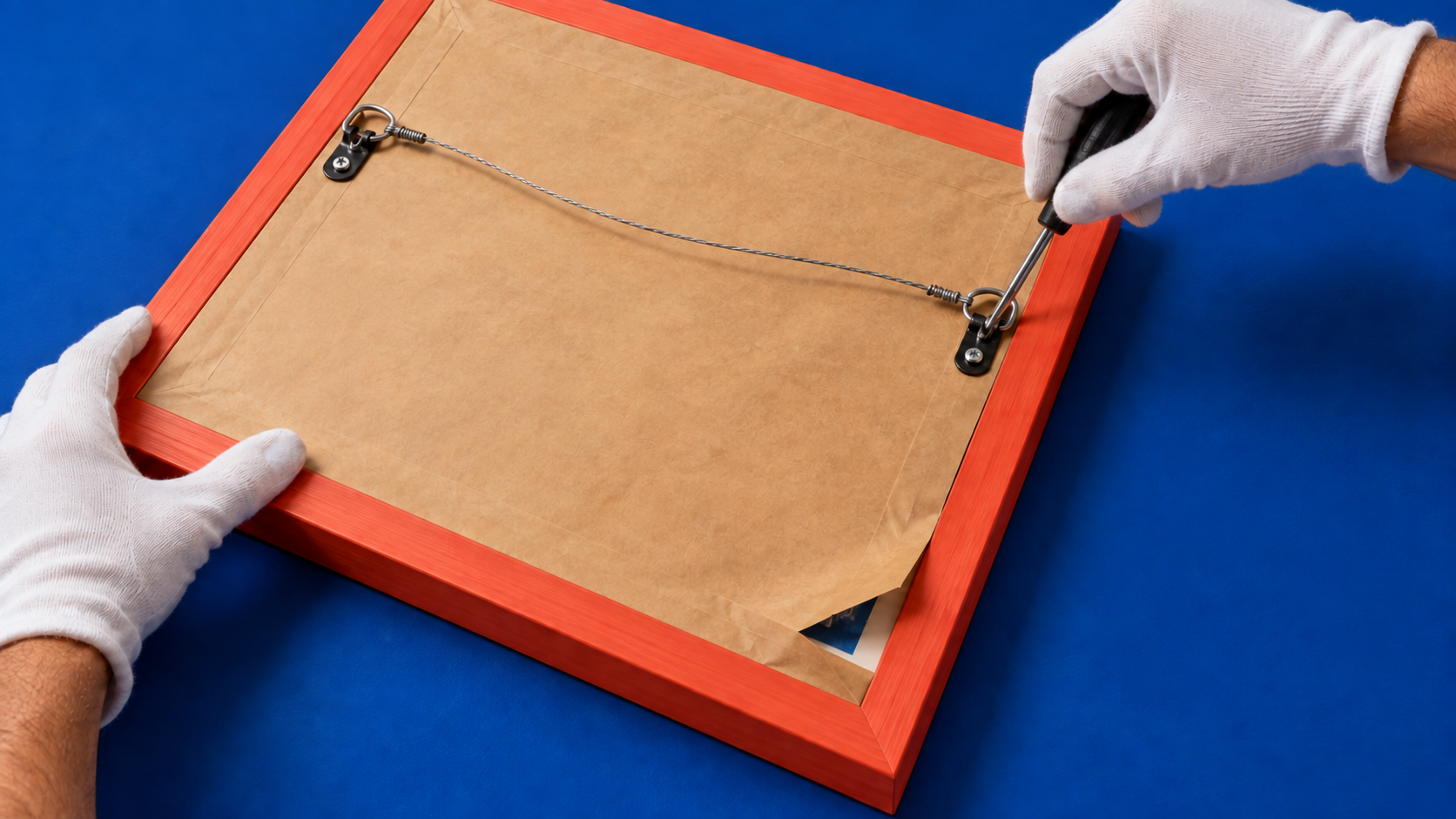
Materials can age, hardware can loosen, and the needs of an artwork can change over decades. Conservation framing should therefore be understood as one part of responsible long-term artwork care, rather than permanent protection.
Preservation Doesn't Have to Compromise Design
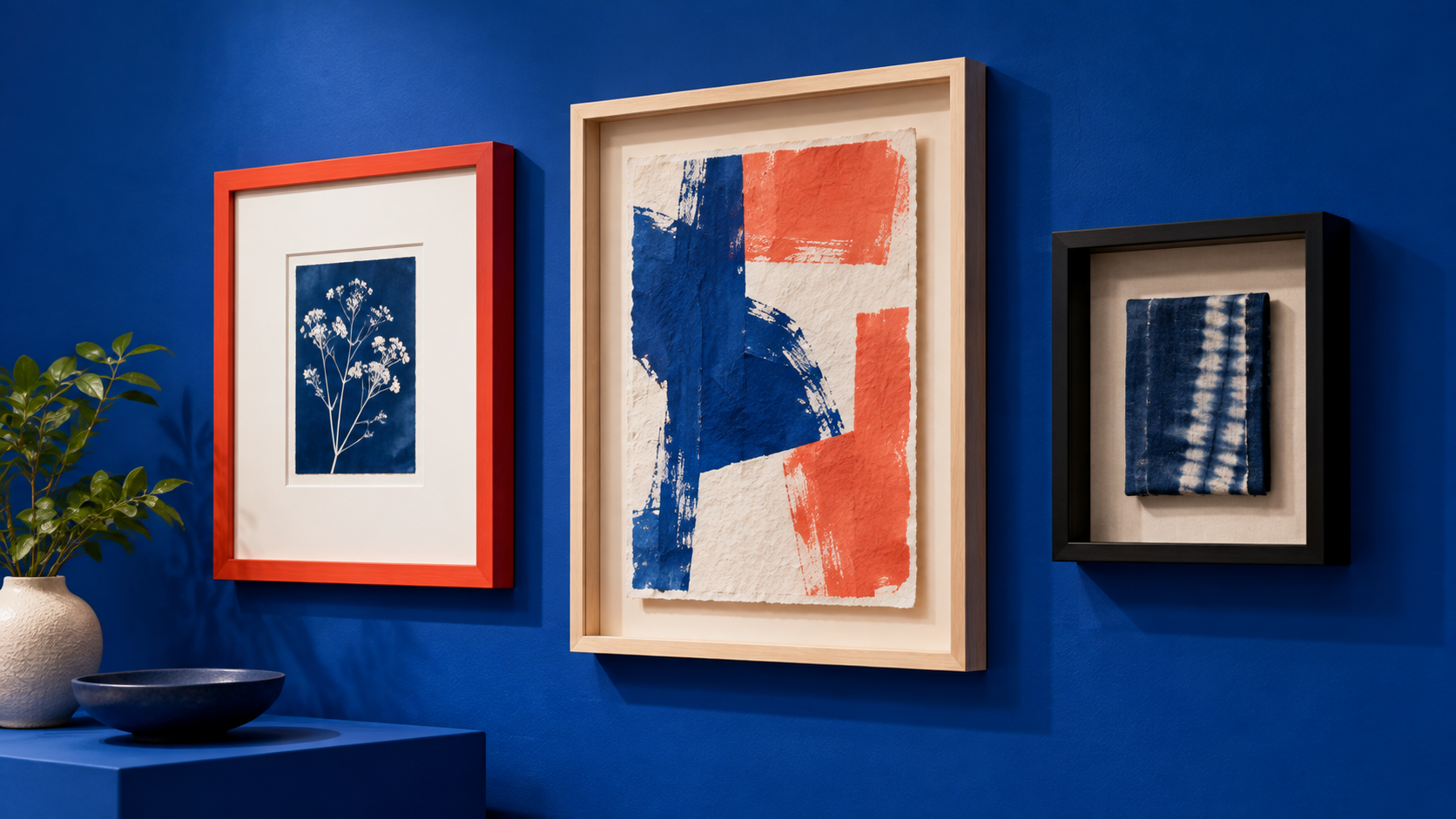
Perhaps the most important thing to understand about conservation framing is that preservation and aesthetics don't have to compete.
A conservation-minded presentation can still use beautiful natural woods, colorful mouldings, generous mats, float mounting, shadowboxes, specialty glazing, or a completely custom design.
The objective is to create a presentation that feels appropriate for the artwork while making thoughtful decisions about the materials closest to it. At Harlem Frames, we approach conservation framing piece by piece—considering the artwork's medium, condition, value, construction, presentation, and intended environment before determining the appropriate solution.
Have an original, valuable, historical, or sentimental piece you're considering framing or reframing? Bring it to Harlem Frames and our team can help you determine the level of protection and presentation appropriate for the work.
Related Insights
Museum Glass, Acrylic & Conservation Glazing: What's the Difference? →
To Mat or Not to Mat? Choosing the Right Mat for Your Artwork →