Where NOT to Hang Your Artwork
Finding the perfect place for an artwork isn't only a design decision. Light, heat, humidity, moisture, and environmental changes can all affect a framed piece over time. A wall may look ideal aesthetically while exposing an artwork to conditions that aren't ideal for its long-term care.
This is particularly important for original works on paper, photographs, prints, textiles, paintings, and sentimental or irreplaceable pieces. While thoughtful framing can provide meaningful protection, where the artwork lives after it leaves the frame shop matters too.
Here are some locations to think twice about before hanging your artwork.
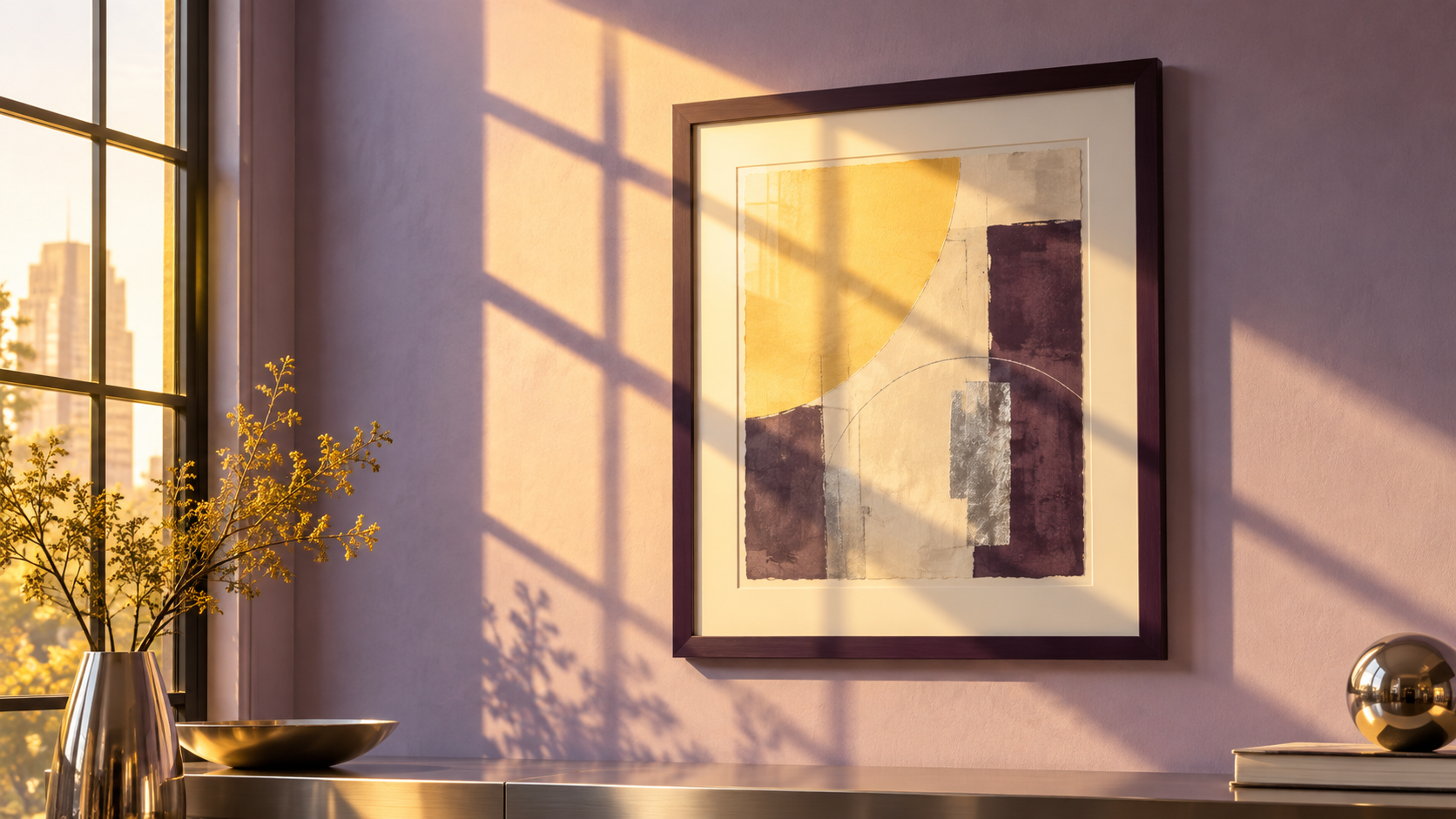
1. In Direct Sunlight
A bright, sun-filled wall may make artwork look beautiful during the day, but prolonged direct sunlight can be particularly challenging for light-sensitive materials.
UV exposure can contribute to fading and deterioration in photographs, works on paper, textiles, inks, and certain pigments. Visible light can contribute to change as well.
UV-protective glazing can significantly reduce ultraviolet exposure, but no glazing makes an artwork completely immune to the effects of light. Before hanging a sensitive piece, watch how sunlight moves through the room throughout the day. A wall that appears shaded in the morning may receive several hours of strong afternoon sun.
Better choice: A wall with indirect or controlled natural light.
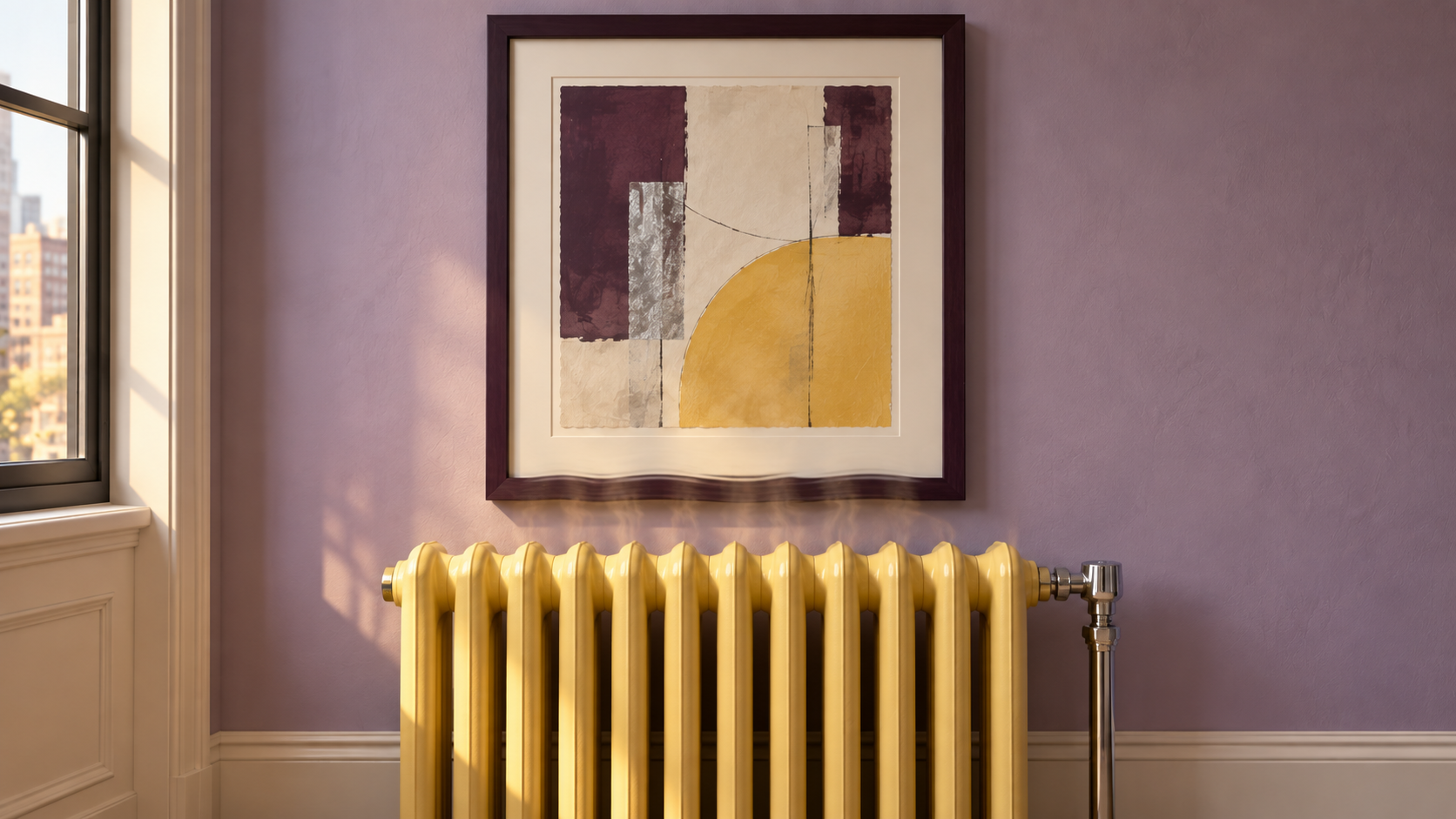
2. Directly Above a Radiator
The space above a radiator is tempting—especially in New York apartments where available wall space can be limited.
But concentrated heat and repeated temperature changes aren't ideal conditions for artwork. Paper, wood, canvas, adhesives, mounting materials, and frames can respond differently as environmental conditions fluctuate. Over time, repeated exposure to heat can place unnecessary stress on the artwork and its framing materials.
Better choice: Allow meaningful distance between framed artwork and concentrated heating sources.
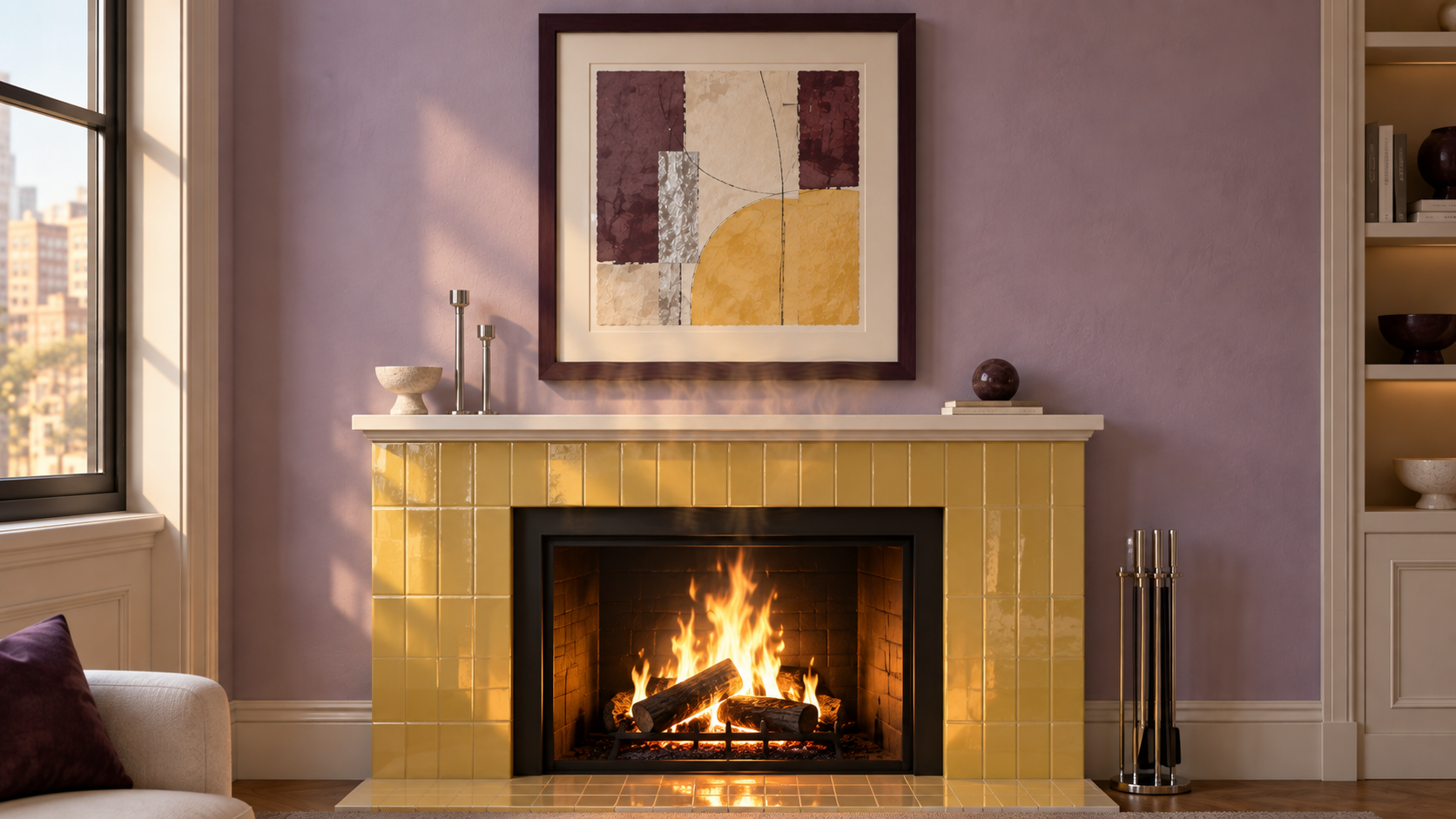
3. Above a Working Fireplace
A dramatic artwork above a fireplace can look wonderful, but the environment deserves careful consideration.
A functioning fireplace can introduce heat, temperature fluctuations, smoke, soot, and airborne particles around the artwork. Even if the piece doesn't appear visibly affected, repeated exposure can create conditions that aren't appropriate for valuable or sensitive works. If the fireplace is frequently used, consider placing important artwork elsewhere.
Better choice: Reserve the mantel area for pieces that are less sensitive or consult a professional about the particular artwork and environment.
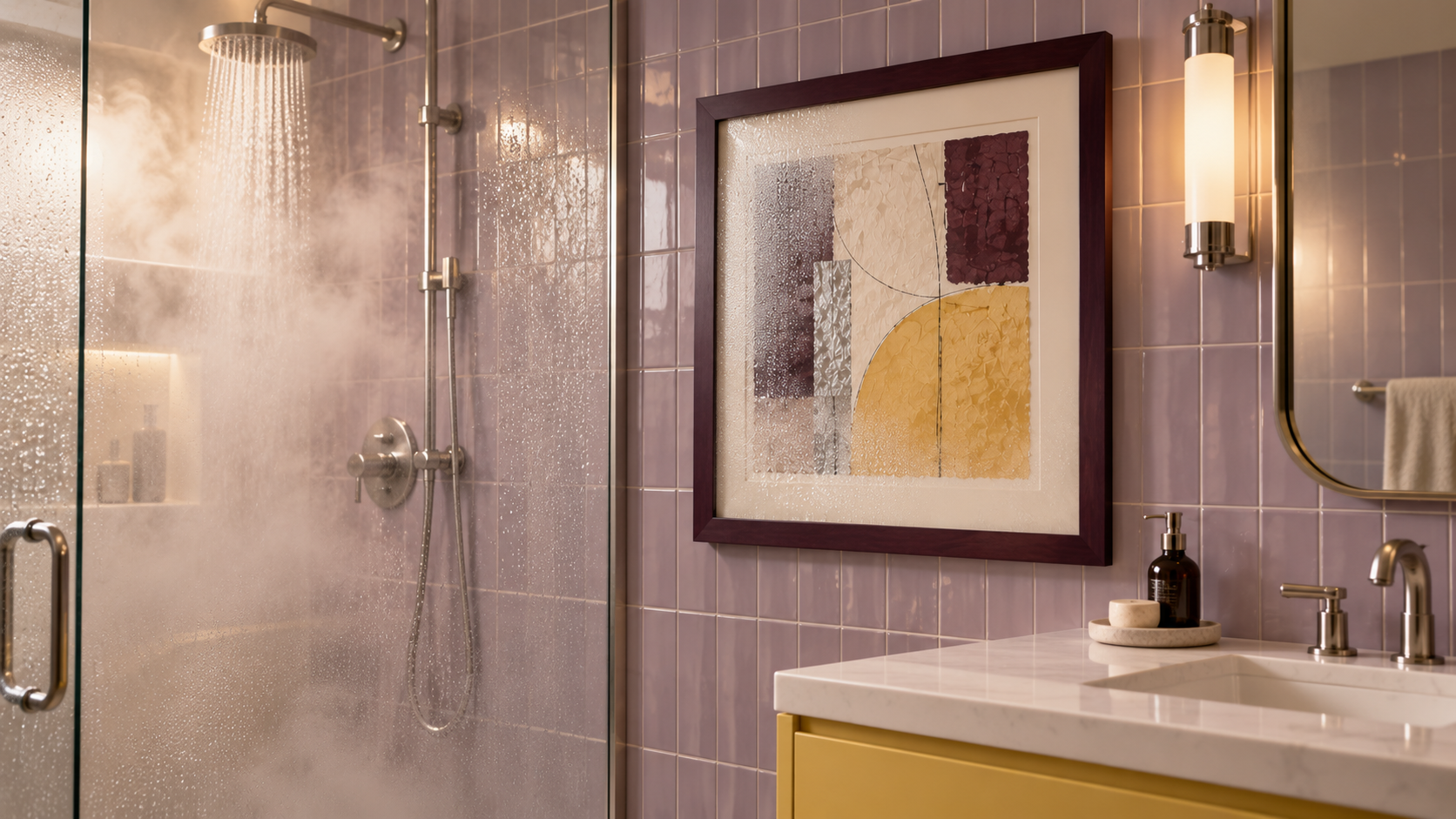
4. In a Steamy Bathroom
Whatever it is, the way you tell your story online can make all the difference.Artwork can add warmth and personality to a bathroom, but bathrooms frequently experience significant fluctuations in humidity.
Hot showers create moisture and condensation, followed by periods when the room dries again. These repeated environmental changes can affect paper, canvas, wood frames, backing materials, and other components. Moisture can also create conditions favorable to mold.
A well-ventilated powder room is very different from a small bathroom where several hot showers are taken every day, so the actual environment matters.
Better choice: Use less sensitive or replaceable artwork in high-humidity bathrooms and keep valuable or irreplaceable pieces in more stable rooms.
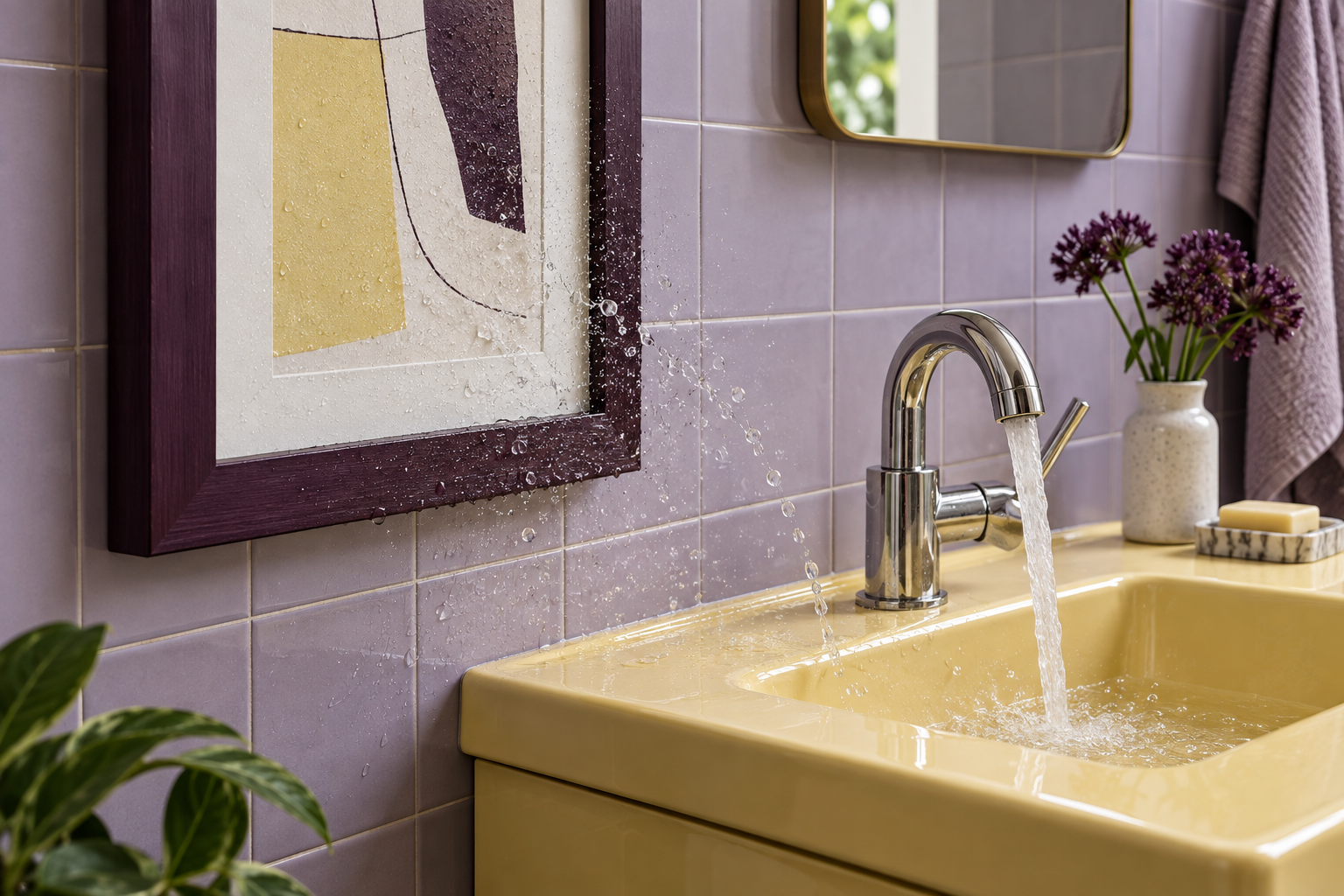
5. Immediately Beside a Shower, Sink, or Bathtub
Humidity isn't the only concern in bathrooms.
If an artwork is close enough to a water source to be splashed, it probably belongs somewhere else. Frames aren't waterproof enclosures. Moisture can potentially enter around the edges or through the back of a frame, where it may affect the artwork or framing materials.
Better choice: Keep framed artwork safely separated from direct sources of water.
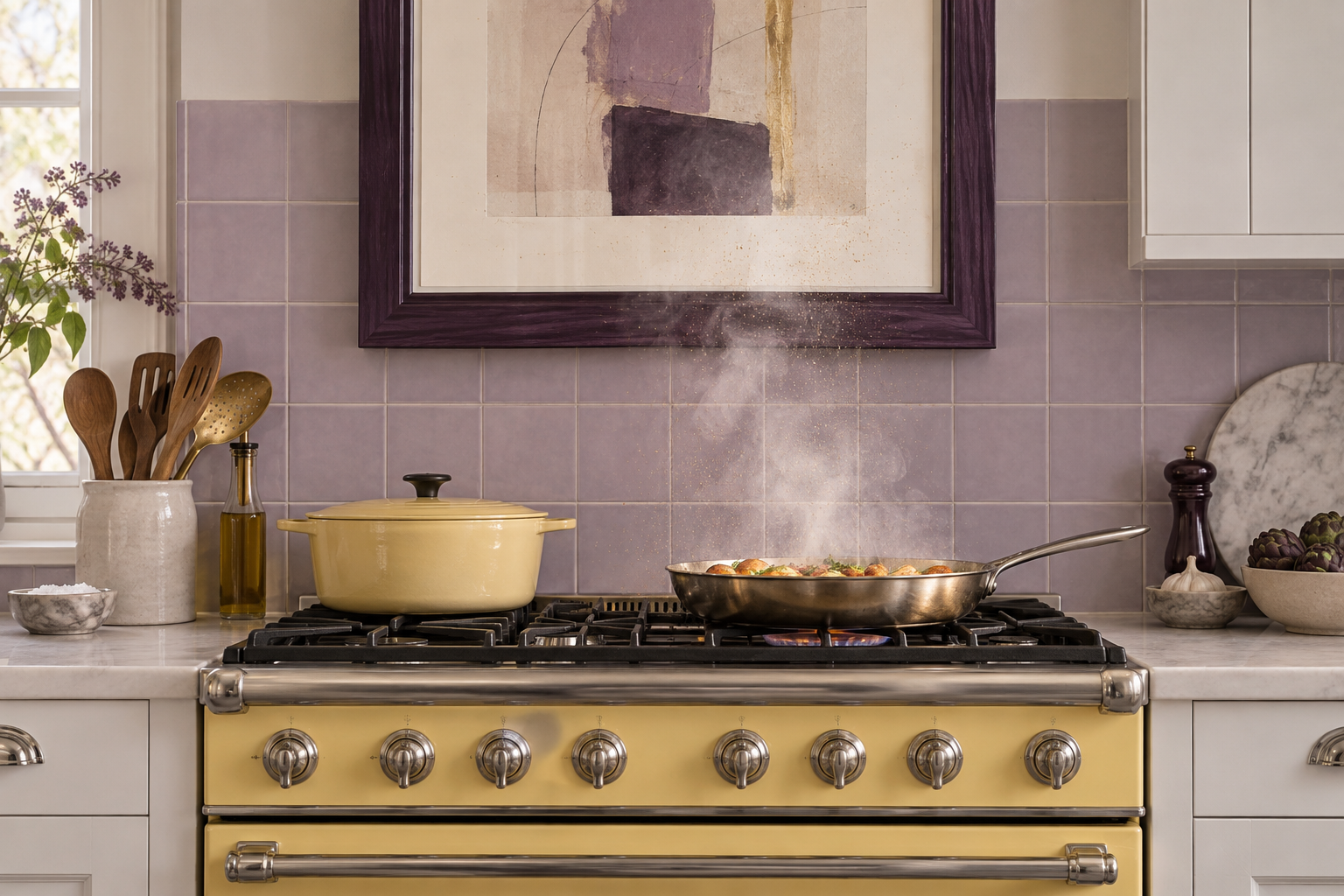
6. Directly Over the Stove
The kitchen can be one of the harshest environments in a home for certain artworks.
Heat, steam, grease, smoke, food particles, and frequent changes in humidity can all accumulate around cooking areas. A framed print across the room from the stove may be perfectly reasonable. An original work directly above the cooktop is another matter.
Better choice: Hang artwork away from cooking surfaces, sinks, and areas where steam and grease regularly accumulate.
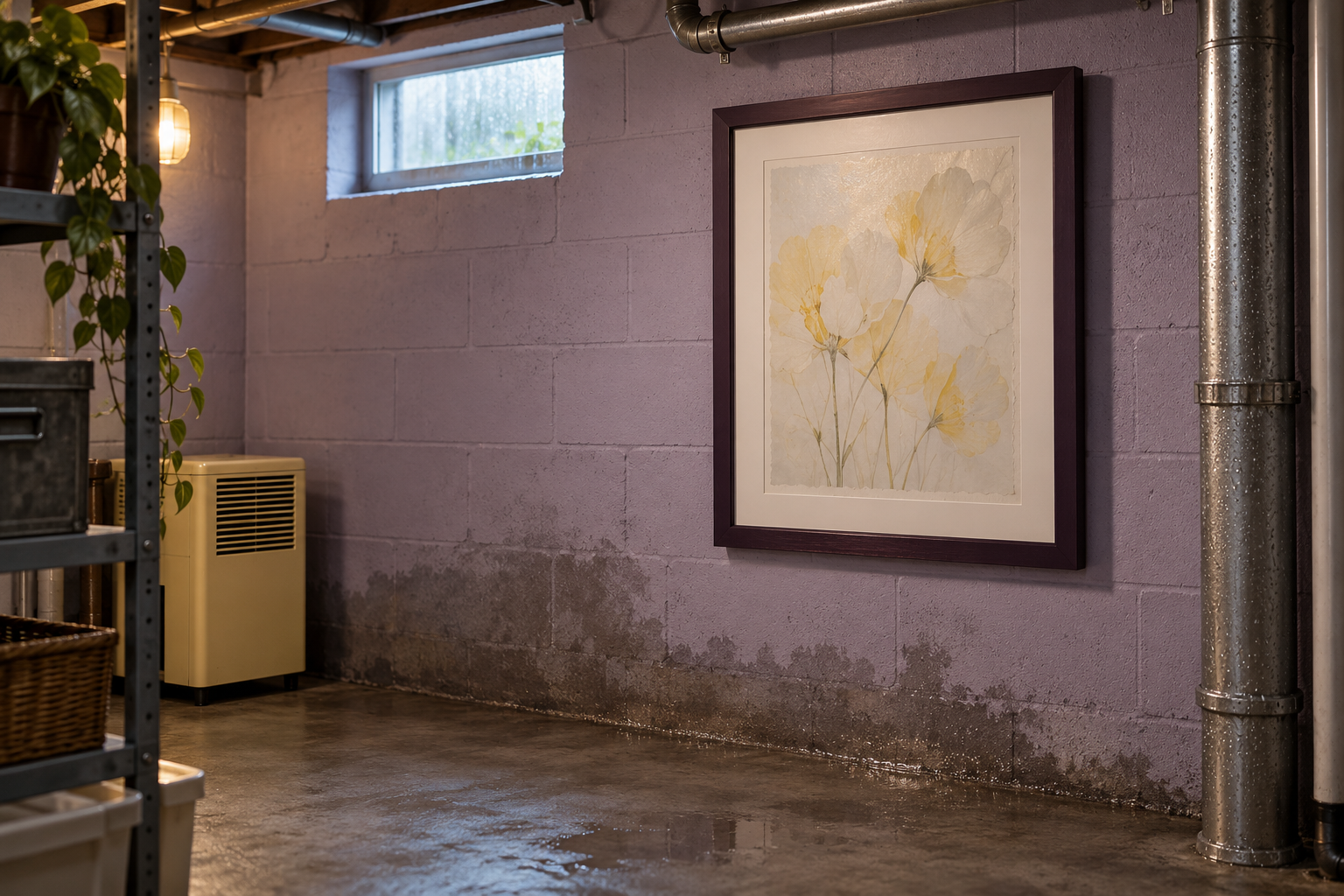
7. In a Damp Basement
Basements can provide plenty of wall and storage space, but environmental conditions vary enormously.
Some are climate-controlled and relatively stable. Others experience elevated humidity, temperature changes, condensation, or occasional water intrusion. Before displaying or storing valuable artwork in a basement, understand the conditions of the space throughout the year—not just on the day you hang it.
Better choice: A dry, climate-controlled area with stable environmental conditions.
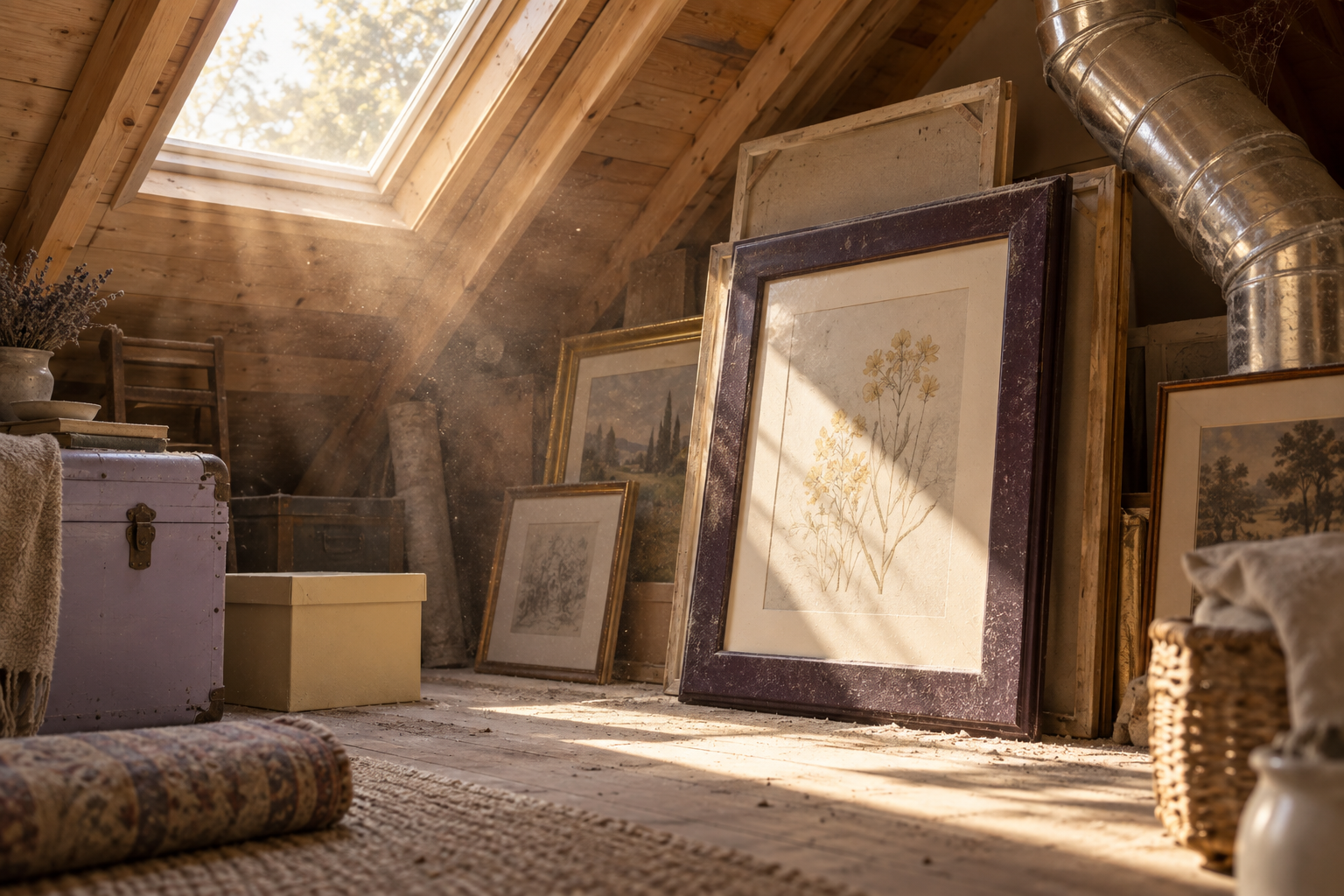
8. In an Unconditioned Attic or Garage
Attics and garages can experience dramatic seasonal changes in temperature and humidity.
They may also expose artwork to dust, insects, moisture, and other environmental risks. These spaces are generally poor choices for displaying or storing valuable framed artwork unless they have been specifically converted into controlled environments.
Better choice: Store artwork inside the conditioned living environment or use appropriate professional art storage for important collections.
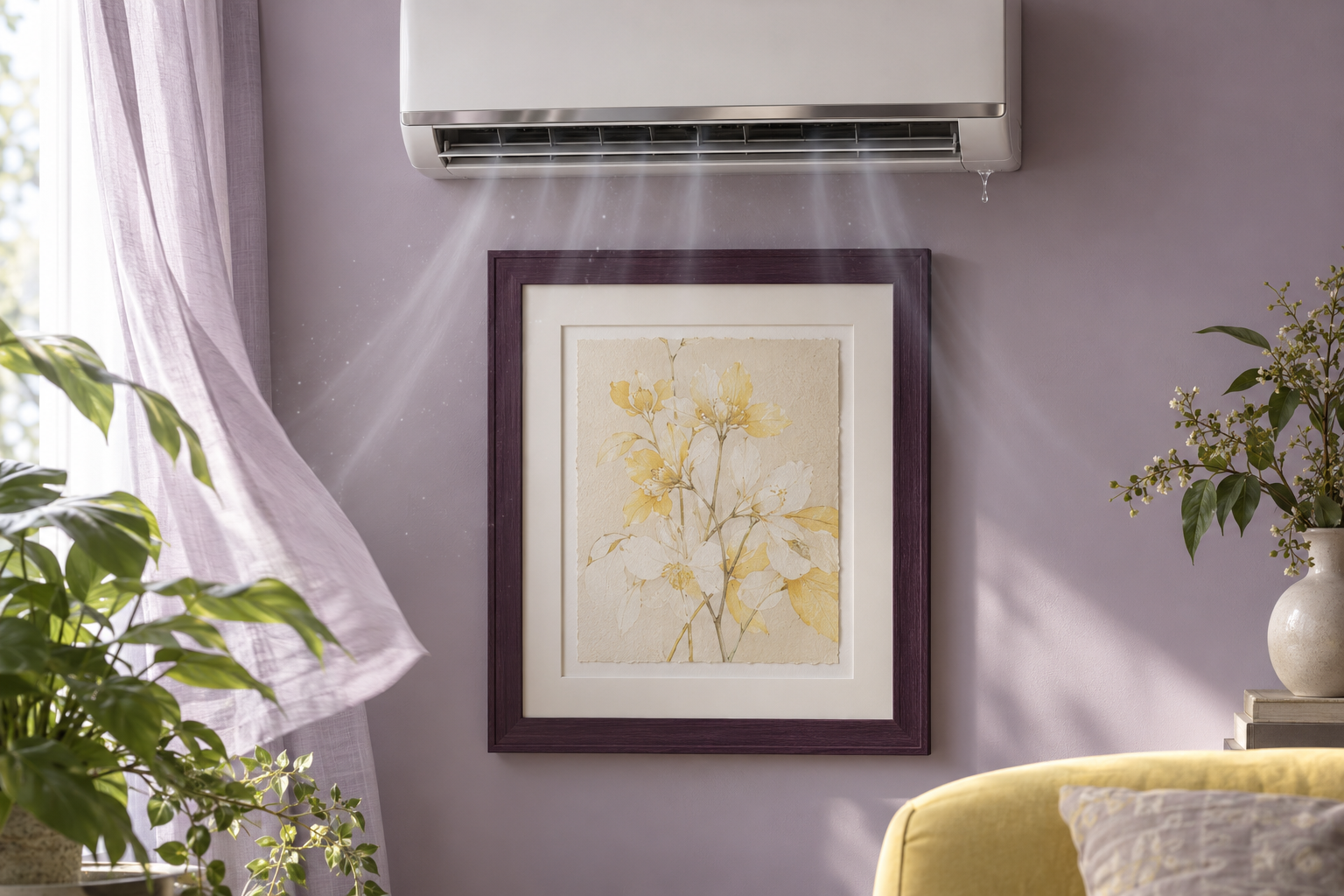
9. Directly Beneath an Air Conditioner or Vent
Heating and cooling vents are easy to overlook.
Placing artwork directly in the path of forced hot or cold air can expose it to repeated environmental fluctuations. Window air conditioners can also present concerns if condensation or leaks develop.
Better choice: Position important artwork away from direct airflow and equipment that could potentially produce moisture.
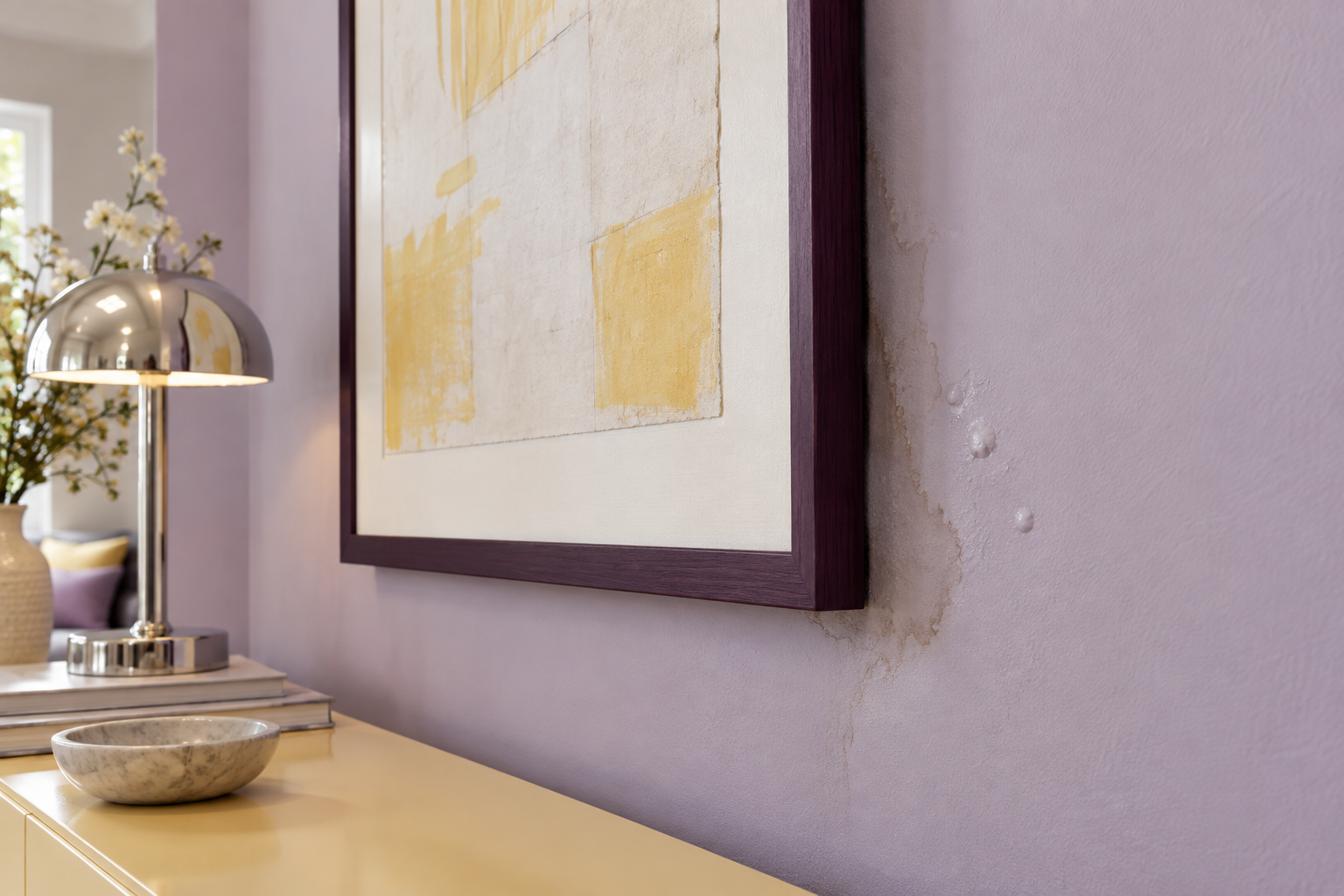
10. On a Wall With a History of Moisture Problems
A freshly painted wall may conceal an old leak.
If a wall has experienced plumbing problems, roof leaks, condensation, or recurring dampness, address the source before installing valuable artwork. Water damage can affect far more than the frame itself. Moisture entering a framing package can potentially affect mats, backing, mounting materials, paper, canvas, and the artwork.
Better choice: Confirm that the wall is completely dry and the underlying problem has been resolved before installing the piece.
What About Valuable Artwork?
The more valuable, delicate, sentimental, or irreplaceable a piece is, the more carefully its environment should be considered.
An inexpensive, replaceable poster and an original watercolor don't necessarily need to be treated the same way.
For particularly important works, think about:
Natural and artificial light
Temperature stability
Humidity
Proximity to water
Heating and cooling sources
Installation hardware
Wall condition
The type of glazing and framing materials being used
Sometimes the best framing solution begins with understanding where the finished artwork will ultimately hang.
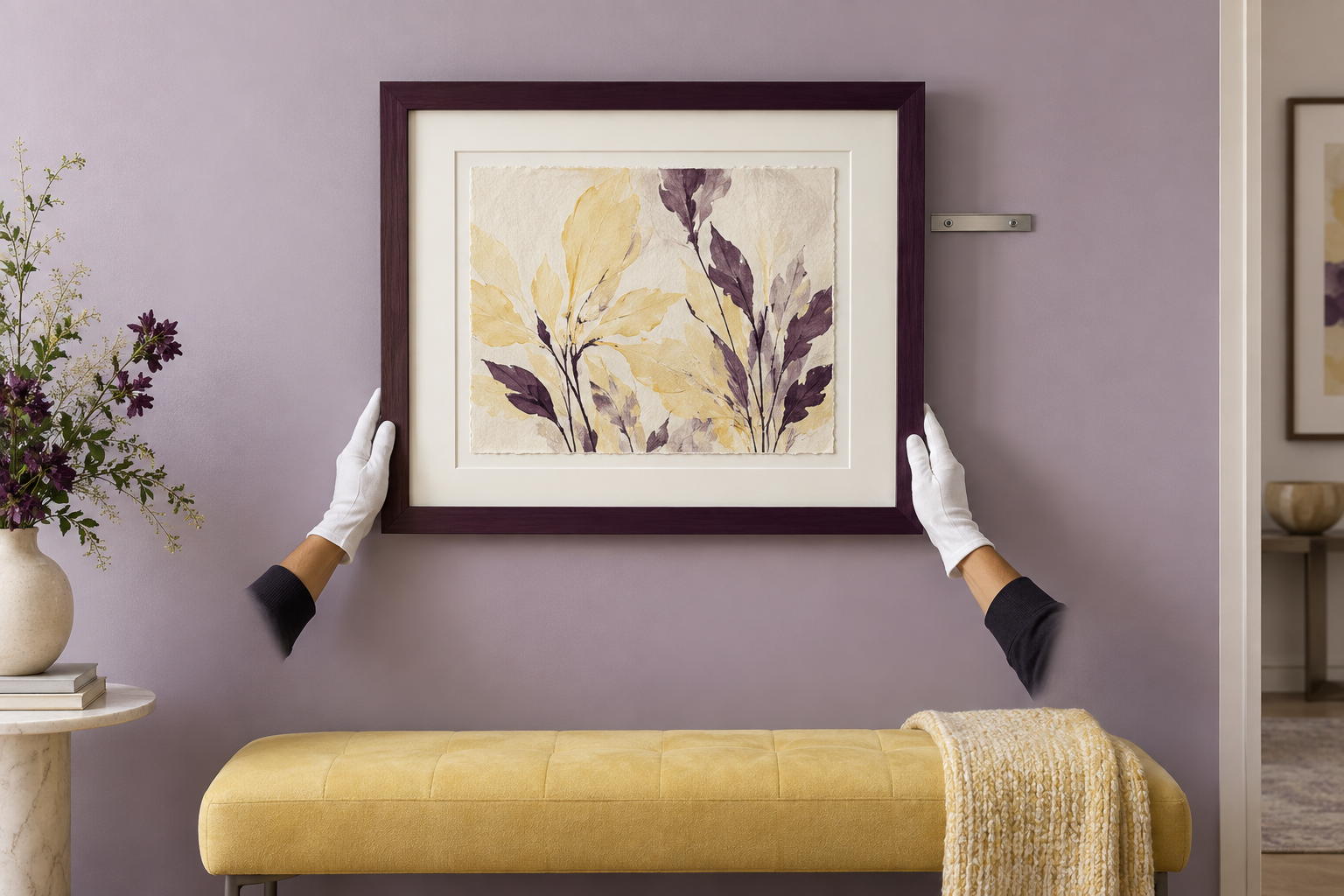
Good Framing and Good Placement Work Together
Conservation matting, appropriate mounting, protective glazing, quality backing materials, and professional installation can all contribute to the long-term care of an artwork.
But framing can't compensate for every environmental condition. The safest approach combines thoughtful framing with thoughtful placement.
At Harlem Frames, we consider both presentation and preservation when developing a framing solution. If you're unsure where or how to display an important piece, bring it to the studio and talk with our team about the artwork, its framing, and the environment where you plan to hang it.
Related Insights
Museum Glass, Acrylic & Conservation Glazing: What's the Difference? →
To Mat or Not to Mat? Choosing the Right Mat for Your Artwork →