How to Care for Your Artwork After Custom Framing
Professional framing helps protect and present an artwork, but proper care shouldn't end once the finished piece leaves the frame shop. Where you hang an artwork, how you clean it, the environmental conditions around it, and even how you handle the frame can influence its condition over time.
Whether you've framed an original painting, photograph, limited-edition print, family heirloom, textile, or something simply meaningful to you, a few thoughtful habits can help preserve both the artwork and its presentation for years to come.
Here are some of the most important things to consider after bringing a newly framed piece home.
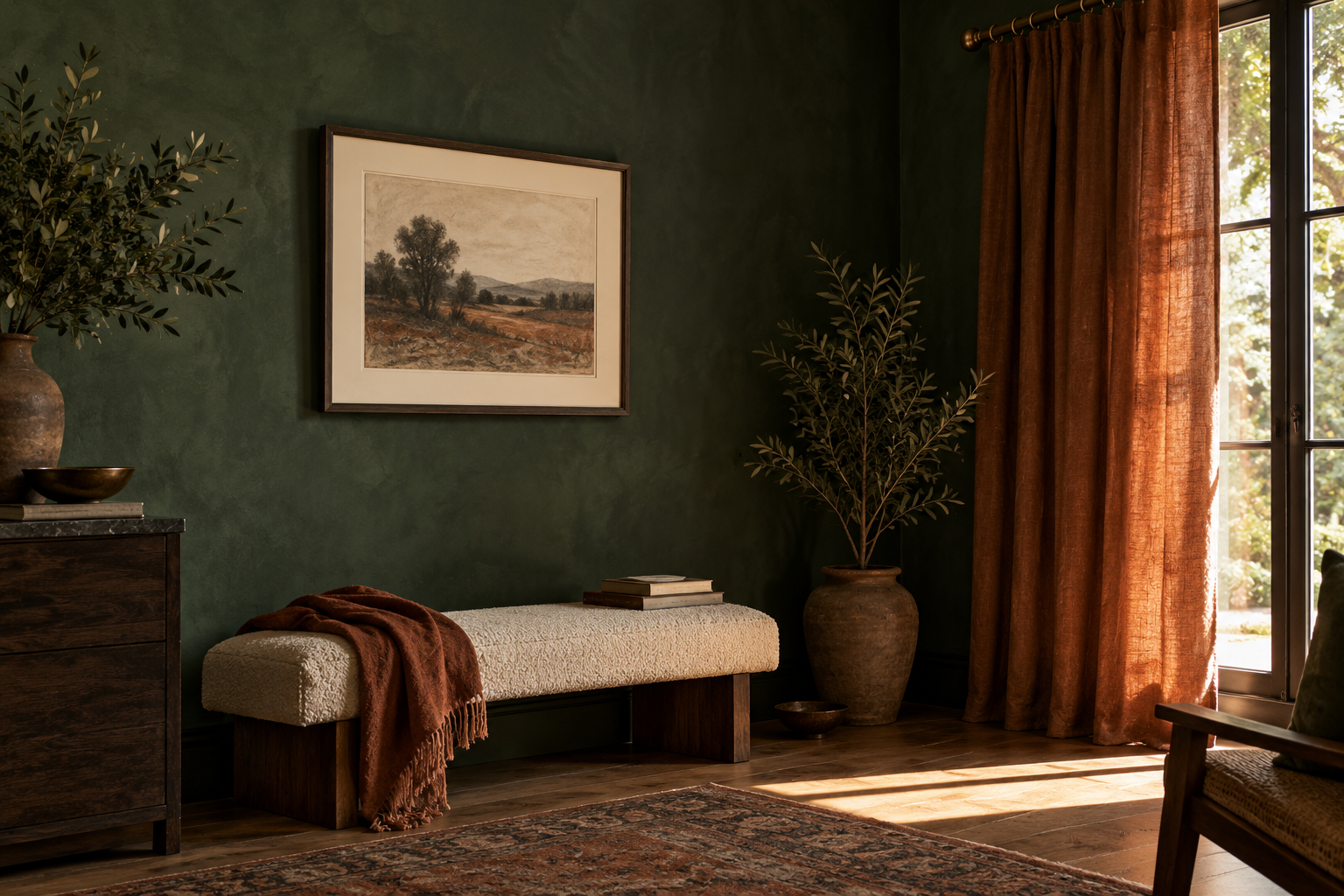
Keep Artwork Away From Direct Sunlight
Light is one of the most important environmental factors to consider when displaying artwork.
Prolonged exposure to direct sunlight can contribute to fading and changes in many materials, particularly works on paper, photographs, textiles, inks, and certain pigments. Even when a piece has been framed using UV-protective glazing, thoughtful placement still matters. Protective glazing can significantly reduce exposure to ultraviolet radiation, but it doesn't make artwork completely immune to the effects of light.
Whenever possible, avoid placing sensitive artwork directly opposite a bright window or in a location that receives strong sunlight for extended periods throughout the day. For particularly valuable or light-sensitive works, consider the lighting conditions of the room as part of the framing and installation process.

Be Mindful of Heat
That empty wall above a radiator may seem like the perfect place for a framed artwork—but it isn't always the safest environment.
Avoid hanging artwork directly above or beside:
Radiators
Heating vents
Fireplaces
Wood-burning stoves
Other concentrated heat sources
Repeated heating and cooling can create environmental fluctuations around an artwork and its frame. Wood frames, paper, canvas, mounting materials, and other components can respond differently to changes in temperature and moisture. A more stable environment is generally preferable for long-term display.
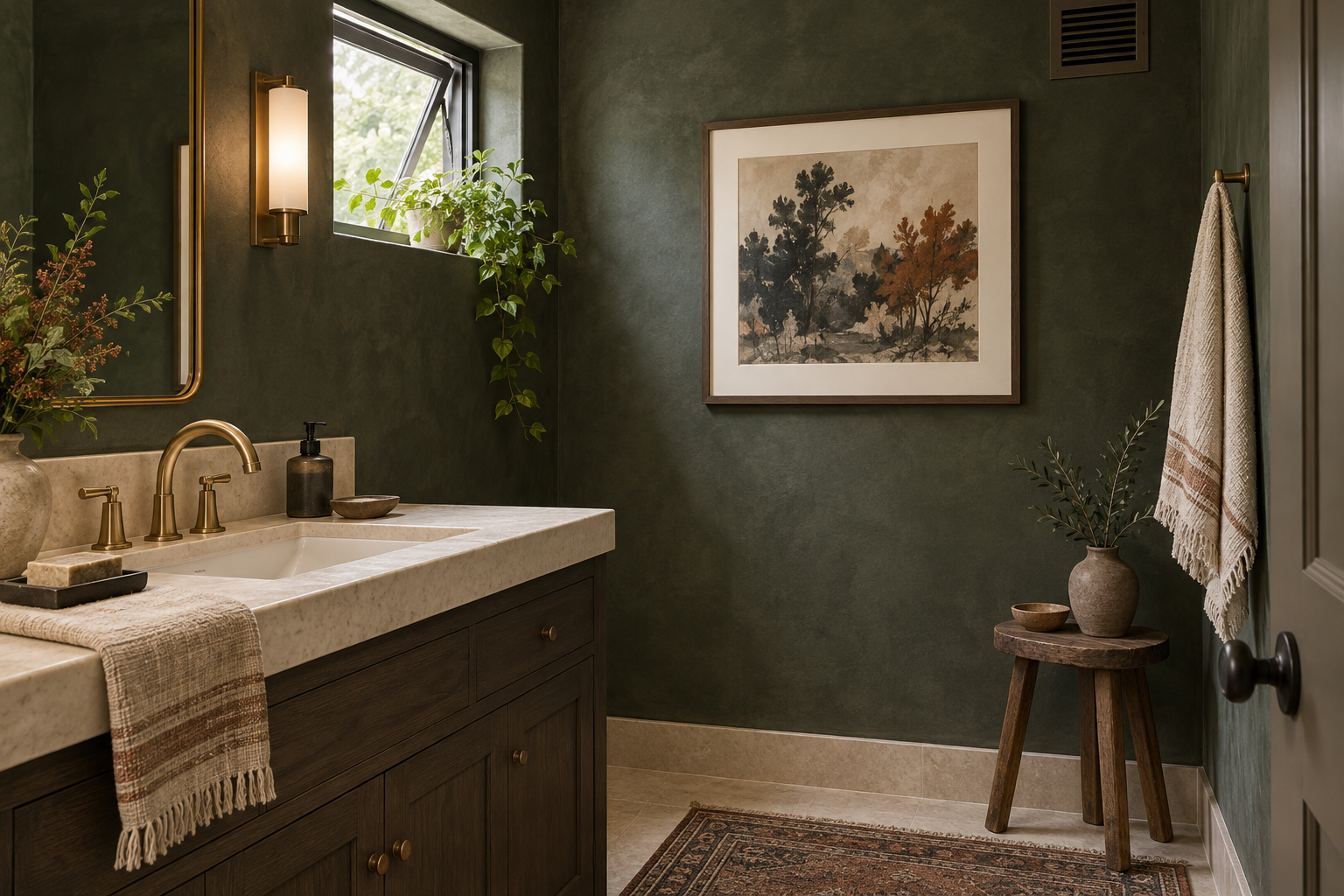
Humidity Matters
Bathrooms can look beautiful with framed artwork. So can kitchens and basements.
But humidity requires consideration. Excess moisture and repeated fluctuations in humidity can affect paper, canvas, wood, adhesives, backing materials, and other components within a framed piece. Bathrooms with frequent steam, damp basements, and areas close to sinks or cooking surfaces may therefore be unsuitable for certain artworks.
This doesn't mean artwork can never be displayed in these spaces. The appropriate location depends on the piece, its materials, its value, the framing system, and the conditions of the room. For something irreplaceable, however, a more environmentally stable location is generally the safer choice.
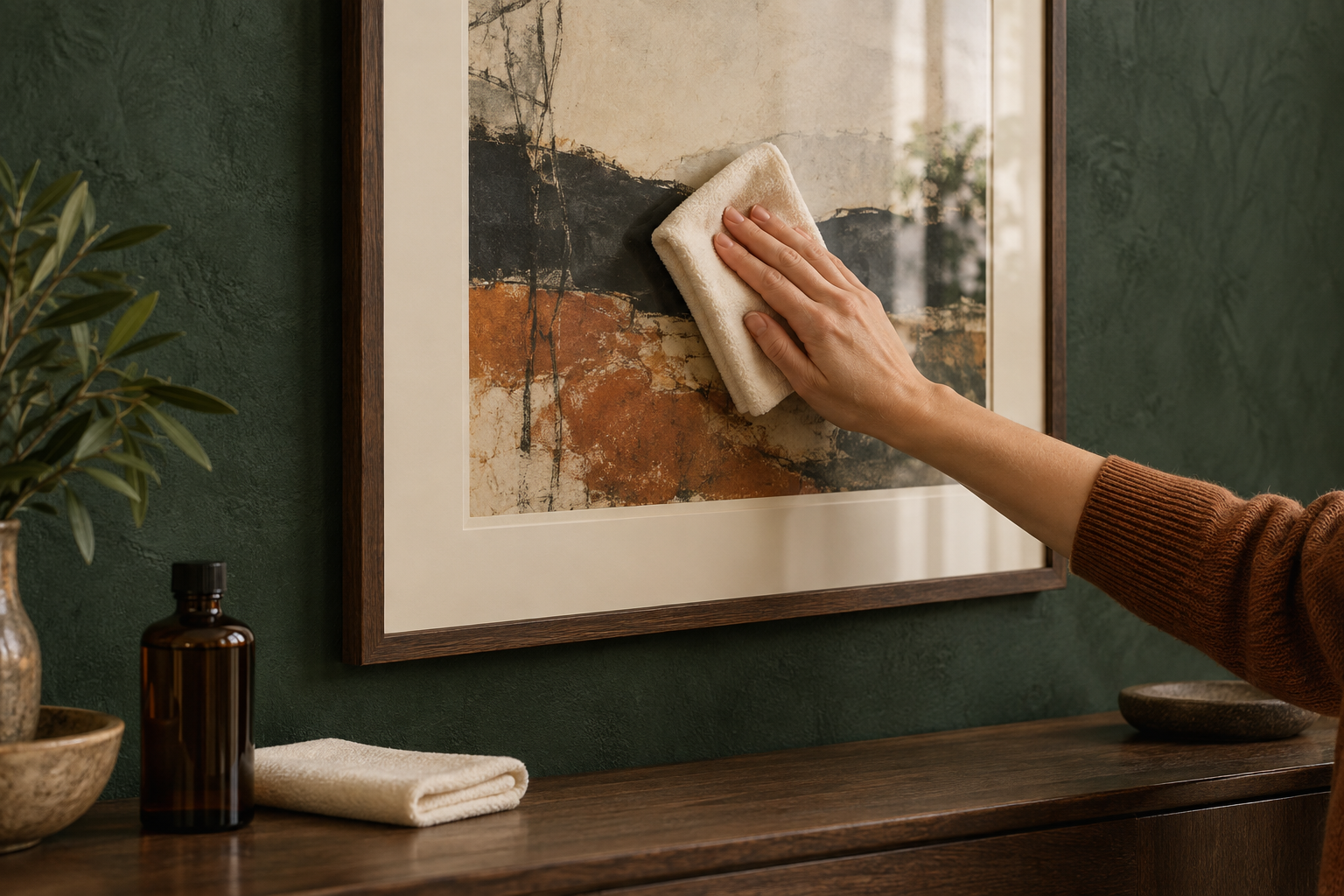
Clean the Glazing Carefully
Dust inevitably accumulates on framed artwork.
For routine cleaning, start gently. A clean, soft microfiber cloth can often be sufficient for removing surface dust from glazing. Before using any cleaning product, it's important to know what type of glazing is actually in the frame.
Glass and acrylic are different materials and shouldn't automatically be cleaned in the same way. Certain household cleaners can damage specialized coatings or acrylic surfaces. Avoid spraying cleaner directly onto a framed artwork. Liquid can travel toward the edges of the frame and potentially enter the framing package.
When you're unsure, ask your framer what cleaning method is appropriate for the glazing used on your particular piece.
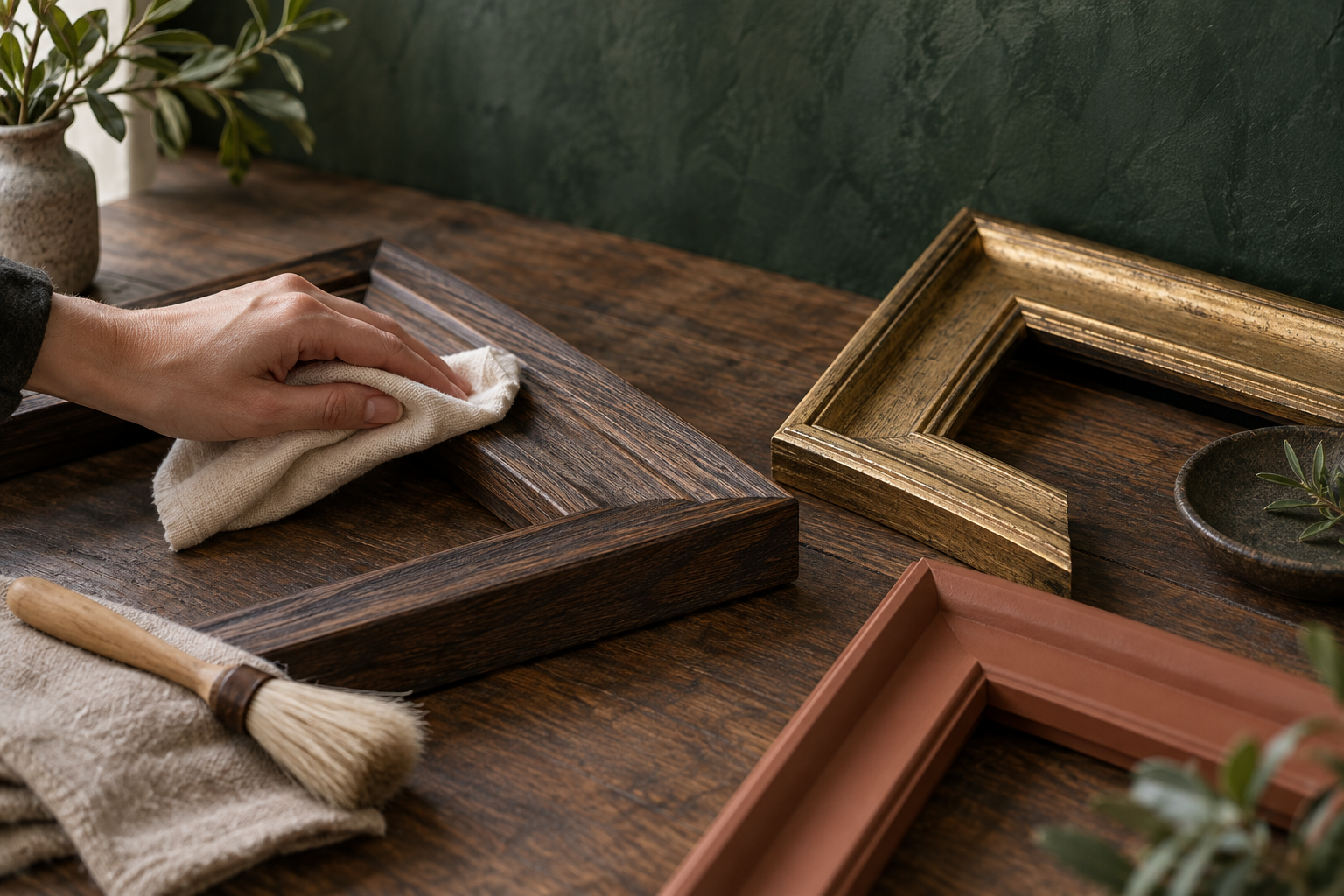
Don't Forget the Frame
Frames need care too.
Dust wood and finished mouldings gently with a clean, soft cloth. Avoid aggressive household cleaners, abrasive materials, excessive moisture, or products that haven't been recommended for the particular finish. Painted, gilded, stained, natural-wood, and specialty finishes can all respond differently to cleaning.
Older or highly decorative frames may require especially careful handling. If you notice cracking, flaking, loose ornamentation, or another change in the frame's surface, professional assessment may be preferable to attempting a repair yourself.
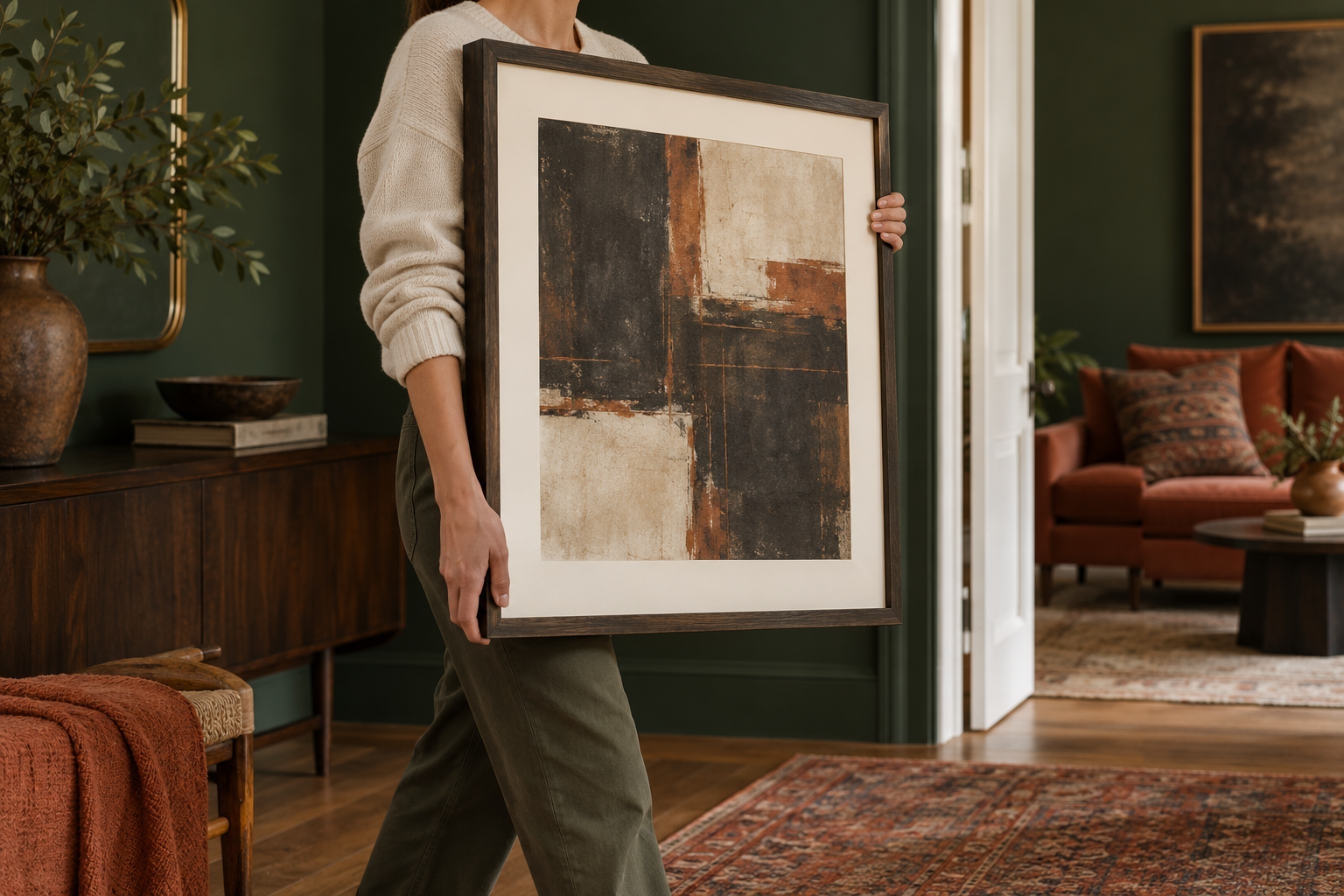
Handle Framed Artwork With Both Hands
When moving framed artwork, support it securely from both sides or from underneath rather than carrying it by the hanging wire.
The wire and hanging hardware are designed primarily to support the piece once installed—not necessarily to function as handles.
For larger or heavier works, use two people whenever necessary. Before moving a substantial piece, it's also worth planning where it's going before lifting it. This reduces unnecessary handling and the risk of accidentally striking walls, furniture, or doorways.
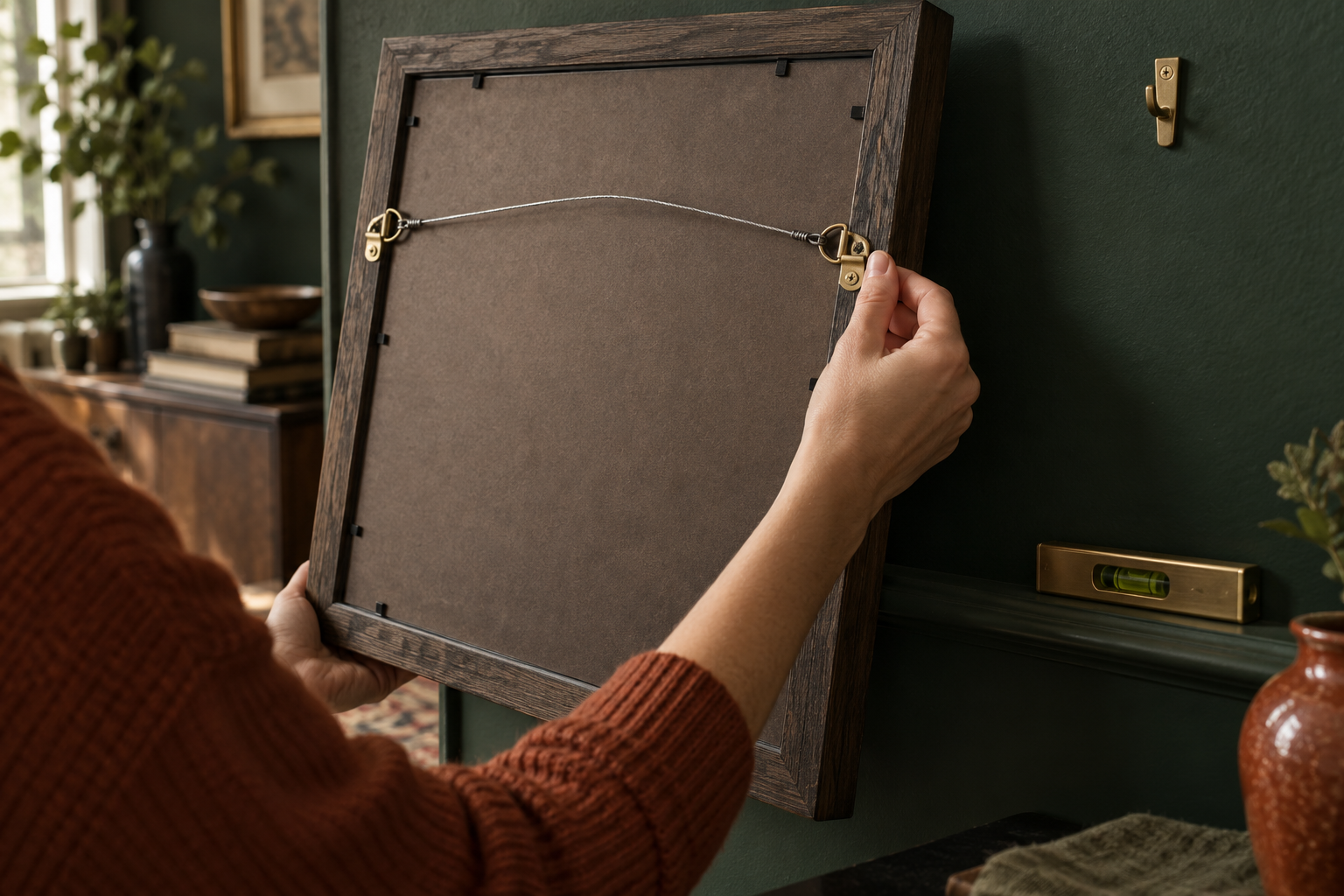
Check Your Hanging Hardware
Artwork should be installed using hardware appropriate for both the weight of the finished piece and the wall on which it will hang.
A small framed photograph and a large glazed artwork have very different installation requirements. Periodically check that the artwork remains secure and level, particularly after moving furniture, construction, or other activity around the wall.
If a frame begins leaning away from the wall, hardware becomes loose, or the piece seems unstable, address the issue rather than simply repositioning it. Large, heavy, valuable, or unusually shaped works may benefit from professional installation.
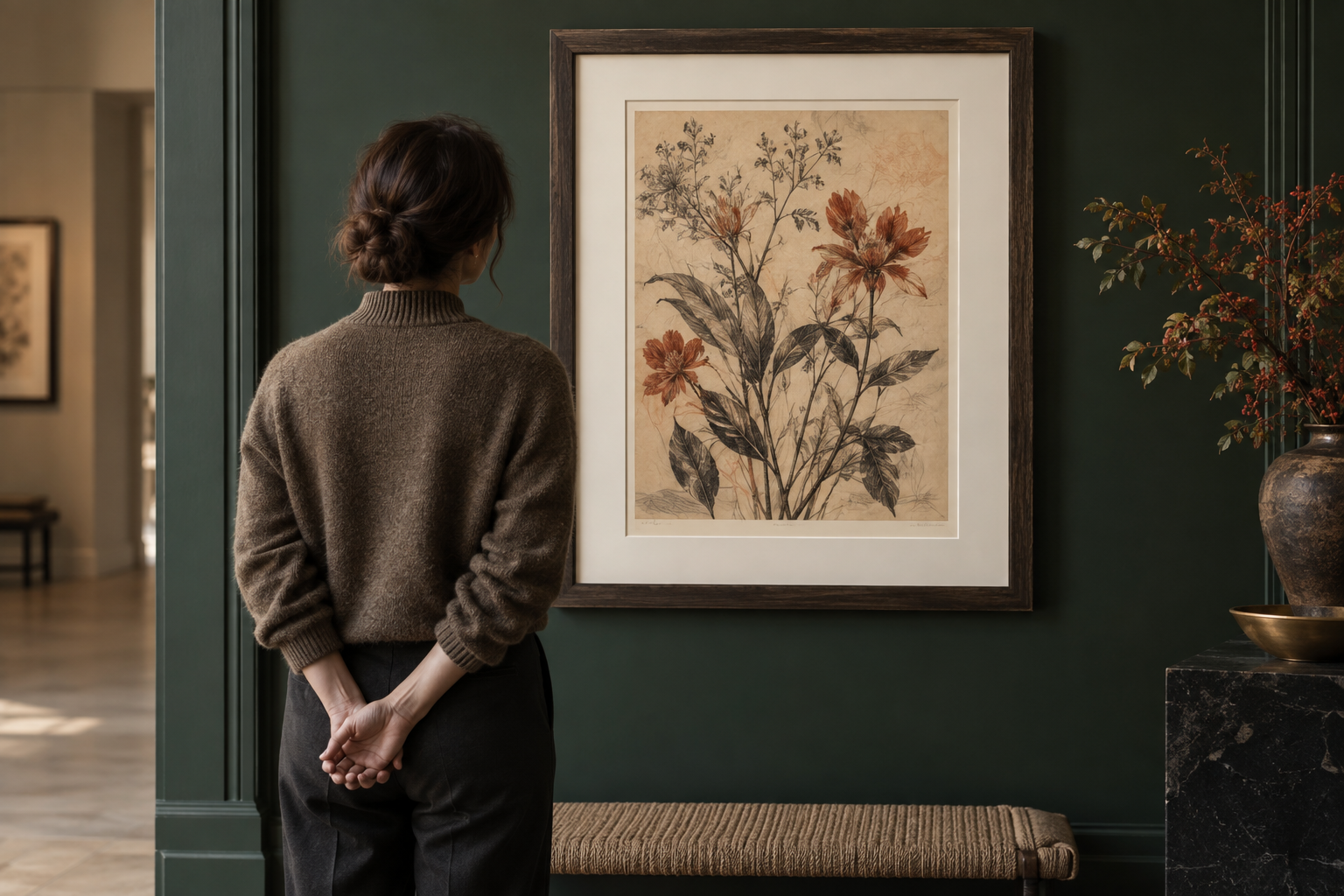
Avoid Touching the Artwork Itself
Once an artwork has been professionally framed, resist the temptation to open the frame unnecessarily.
Fingerprints, oils, dust, accidental creasing, and improper handling can introduce risks—particularly with photographs and works on paper. If something appears to have shifted inside the frame, the artwork has slipped, or debris has entered the framing package, bring the piece back to a professional framer rather than dismantling it yourself.
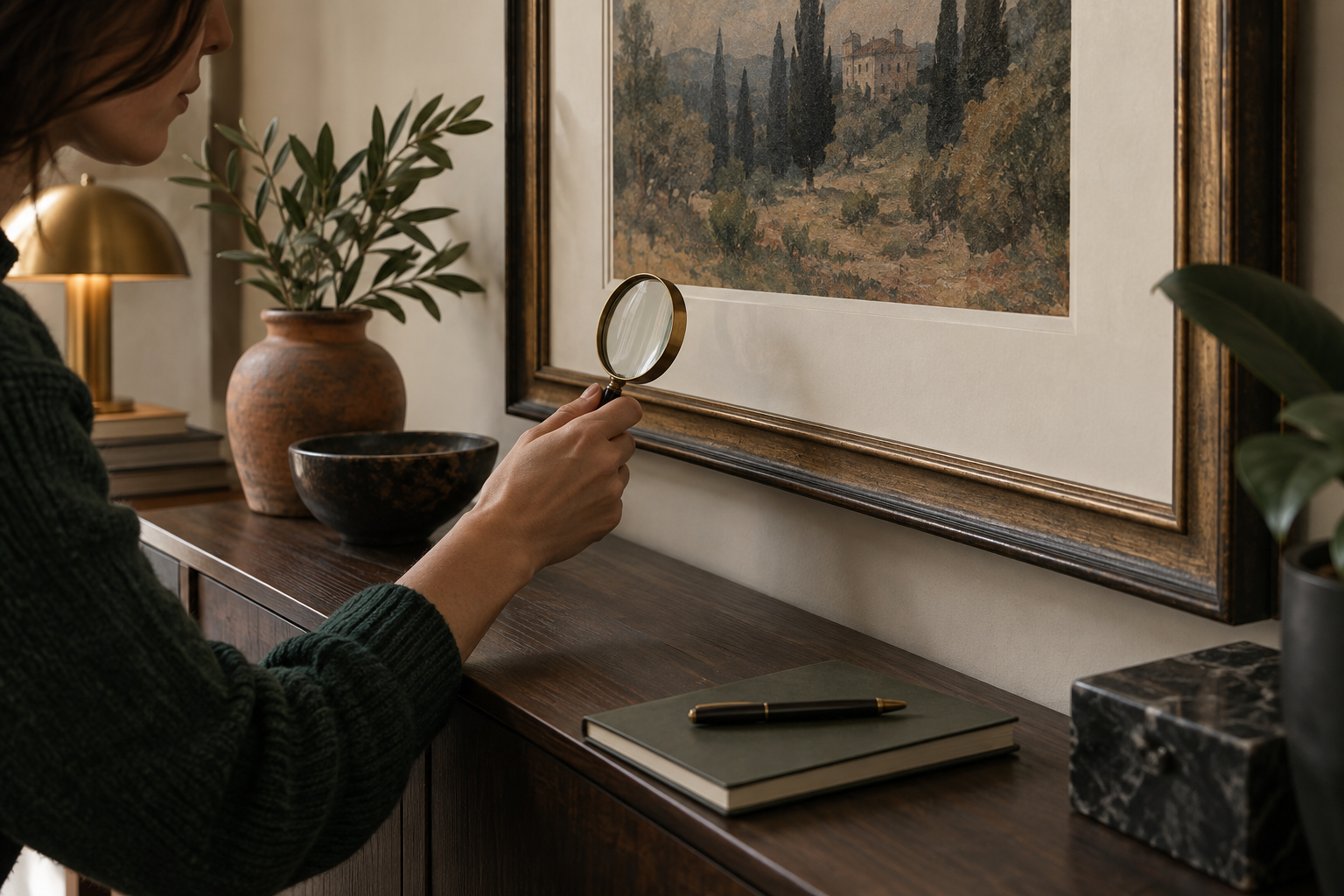
Watch for Changes Over Time
Take a closer look at your framed artwork every so often.
Potential warning signs include:
Condensation beneath the glazing
Artwork shifting or slipping
Rippling or buckling
Yellowing or discoloration
Insects or debris inside the frame
Mold or unusual spotting
Loose frame corners
Damaged backing
Cracked or chipped glazing
Changes in the mat board
Not every change indicates a serious problem, but noticing something early can make it easier to determine what is happening and whether the piece needs attention.
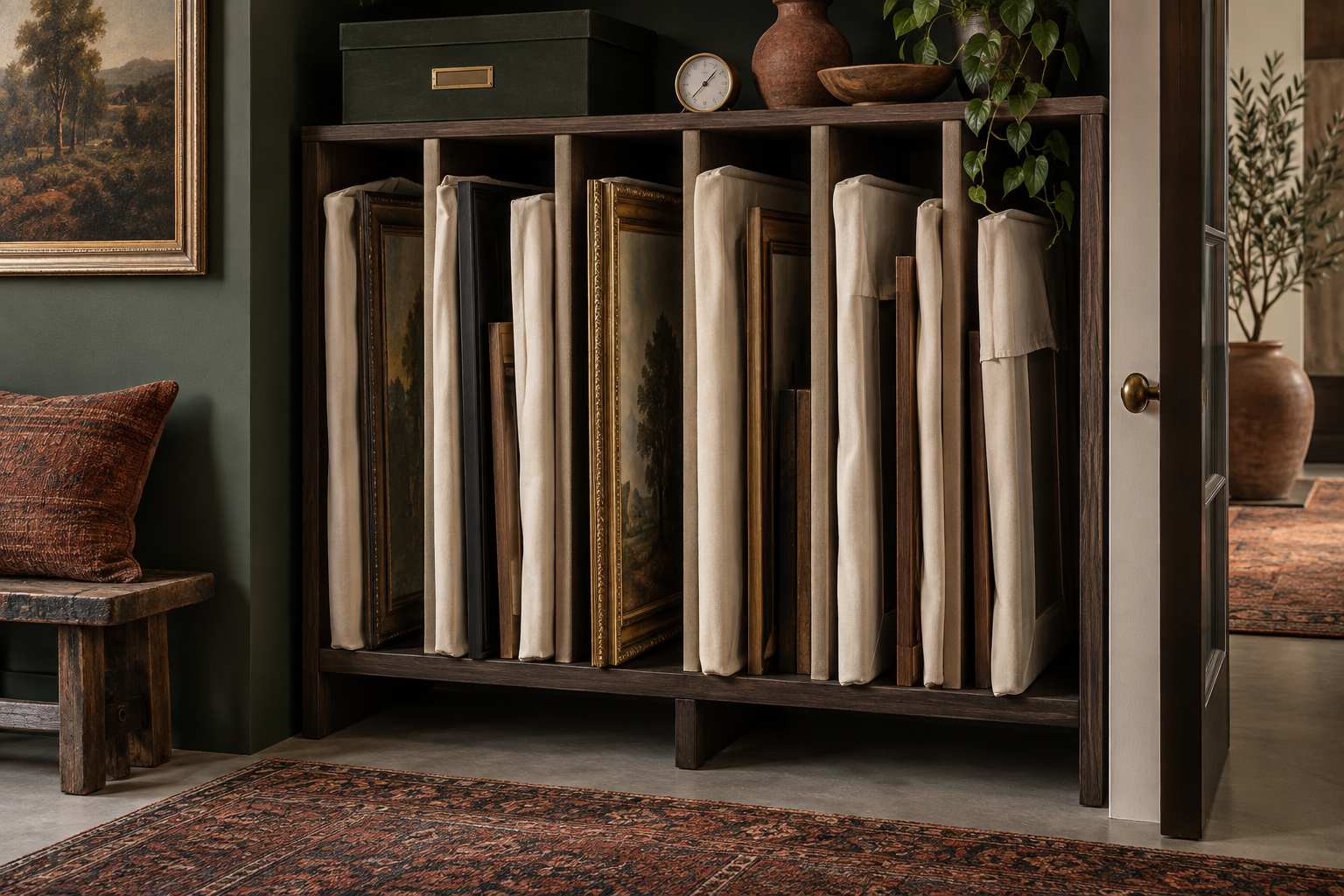
Store Framed Artwork Carefully
If a framed piece isn't currently being displayed, don't simply place it uncovered in an attic, basement, garage, or storage unit without considering the environment.
Whenever possible, choose a clean, dry, environmentally stable location. Protect the frame and glazing from scratches and impact, and avoid placing heavy objects against the artwork.
Framed works are generally better stored securely upright rather than lying beneath a stack of other objects. For valuable collections or long-term storage, more specialized art-storage solutions may be appropriate.

Remember: Conservation Framing Isn't Permanent Protection
High-quality framing can do a great deal to support the preservation of an artwork.
Conservation mat boards, appropriate mounting techniques, UV-protective glazing, backing materials, and thoughtful construction can all help create a safer environment for a piece.
But no frame can completely protect an artwork from poor environmental conditions, accidents, extreme light exposure, excessive moisture, or improper handling. The best approach combines appropriate framing with thoughtful care after the artwork leaves the studio.
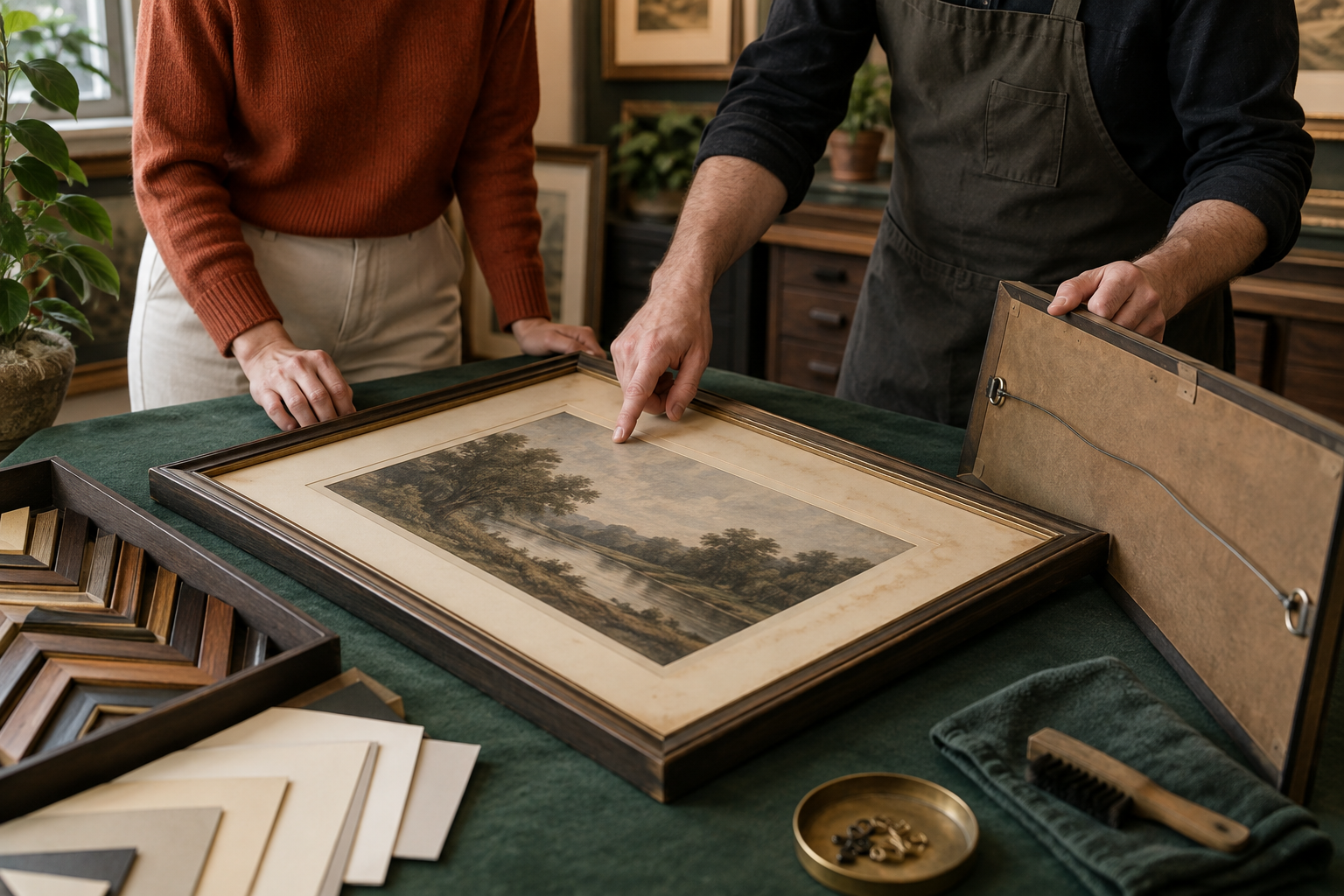
When Should You Bring a Piece Back to Your Framer?
You don't need to wait until something is visibly damaged.
Consider having a framed artwork assessed if:
It has been framed for many years
You don't know what materials were originally used
The mat has begun discoloring
The artwork appears to have shifted
The glazing has been damaged
The backing has opened or deteriorated
The frame itself requires repair
You're moving the artwork into a significantly different environment
The piece has become more valuable or important to you
Older framing can sometimes contain materials or mounting methods that would no longer be recommended for sensitive artwork. An assessment can help determine whether anything should be changed.
Care Is Part of the Framing Process
A thoughtfully framed artwork is meant to be lived with.
The goal isn't to make you afraid to display or handle your collection. It's simply to recognize that where an artwork lives and how it's cared for become part of its preservation.
At Harlem Frames, we consider framing, presentation, and long-term care together. From conservation materials and protective glazing to custom framing, installation, and frame repair, the appropriate solution begins with understanding the individual artwork.
Have questions about an existing framed piece? Bring it to Harlem Frames and our team can help assess its framing, presentation, and condition.
Related Insights
Museum Glass, Acrylic & Conservation Glazing: What's the Difference? →
To Mat or Not to Mat? Choosing the Right Mat for Your Artwork →