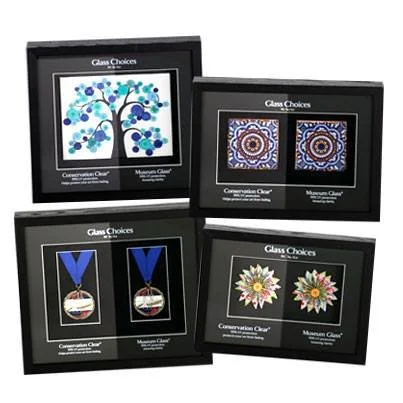
Museum Glass, Acrylic & Conservation Glazing: What’s the Difference?
Naturally, when choosing a custom frame, an ample amount of attention gravitates towards the frame itself. As audiences, we tend to look admiringly at the wood, finish, profile, matting, and ultimate presentation of the work. But what transparently contains the artwork, serving as that essential barrier between it and the audience, is even more crucial to it’s longevity.
Glazing is the glass material placed between an artwork and the environment around it. Depending on the type selected, glazing can effectively address concerns such as UV exposure, reflections, abrasion, static, and the long-term preservation of an artwork, protecting it from damages, extending its lifespan.
At Harlem Frames, glazing isn't treated as a one-size-fits-all decision. We work with a range of Tru Vue glass and acrylic glazing options, which allows us to select the material in accordance with both the artwork and the client’s needs. Equally important, we consider the size of the work, the rooms it will be displayed in, and what level of protection the work will require as a result of these various factors.
Glass or Acrylic?
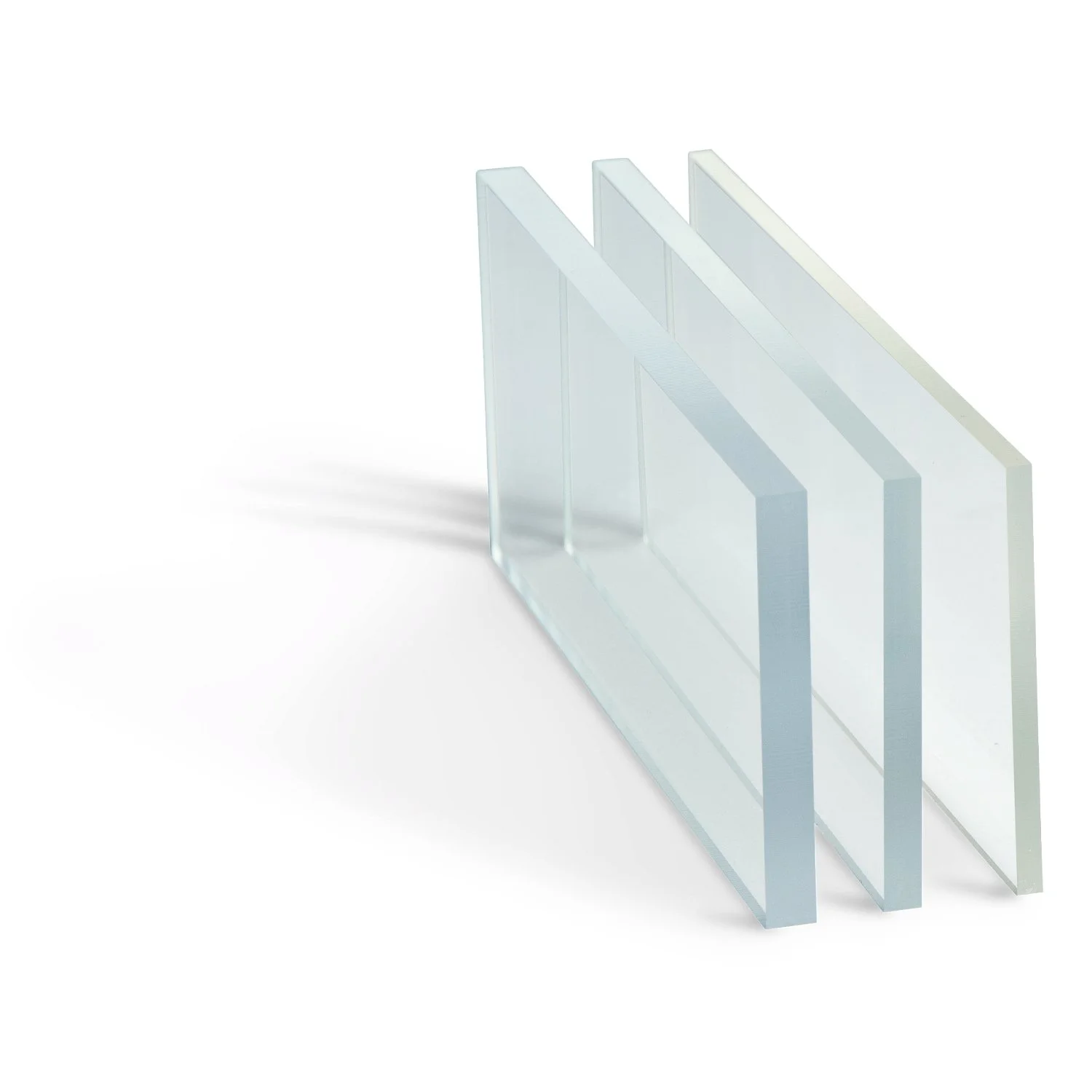
One of the first decisions is whether a project is better suited to glass or acrylic.
Traditional glass offers the familiar rigidity and feel many people associate with framed artwork. Specialized glazing can serve considerably further, however, by incorporating anti-reflective and protective technologies built into the glass itself.
Acrylic, though very similar visually to glass, is made of a transparent plastic material, is significantly lighter than glass, and is also available in conservation- and museum-grade options. Acrylic can be particularly useful for large-scale framing, valuable works, works that will travel, or installations where weight and breakage are high-risk concerns.
The best choice, as always, depends on the individual project.
UltraVue Laminated Glass
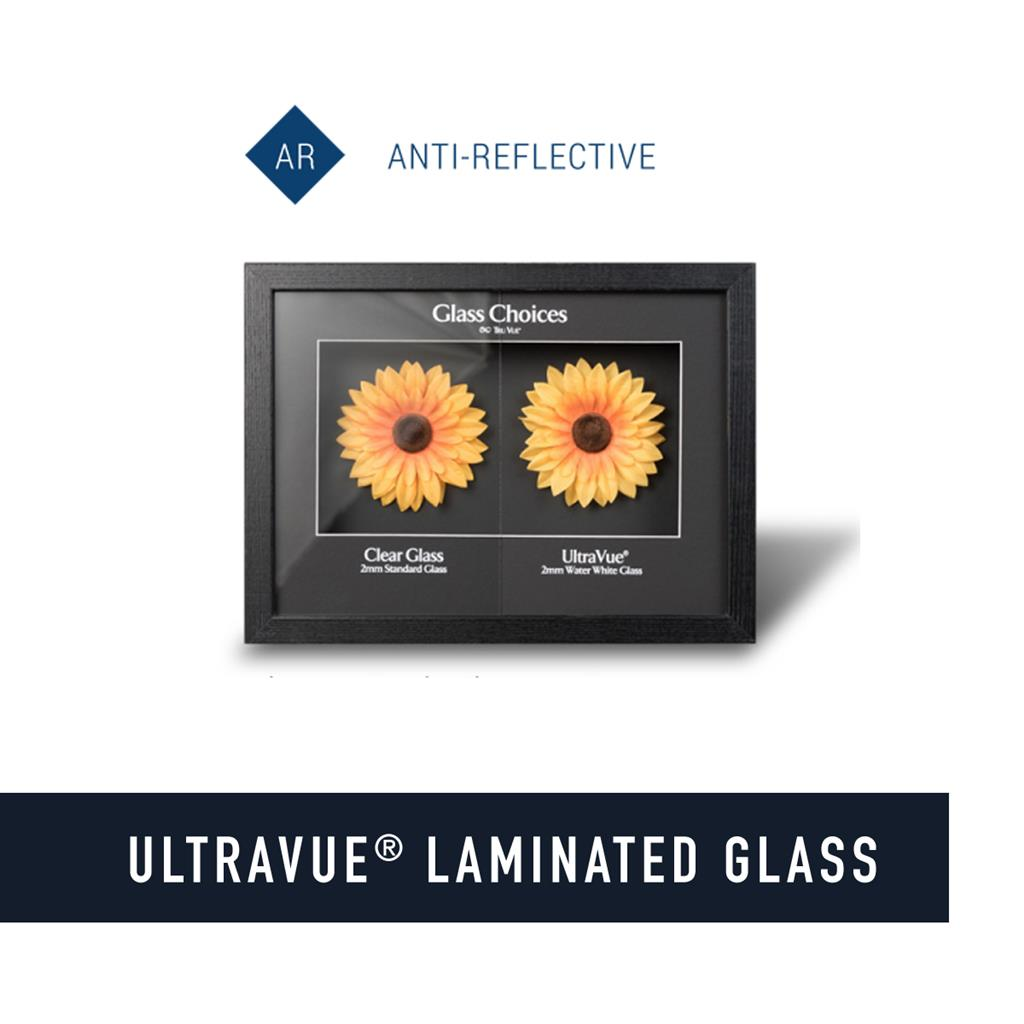
One of the glass options available through Harlem Frames is Tru Vue UltraVue Laminated Glass.
Designed for exceptional viewing clarity, this glazing combines anti-reflective performance with UV protection and the additional security of a laminated construction and finish.
It can be an excellent consideration for artwork where maintaining the visual qualities associated with glass is desirable while preservation and display quality remain important.
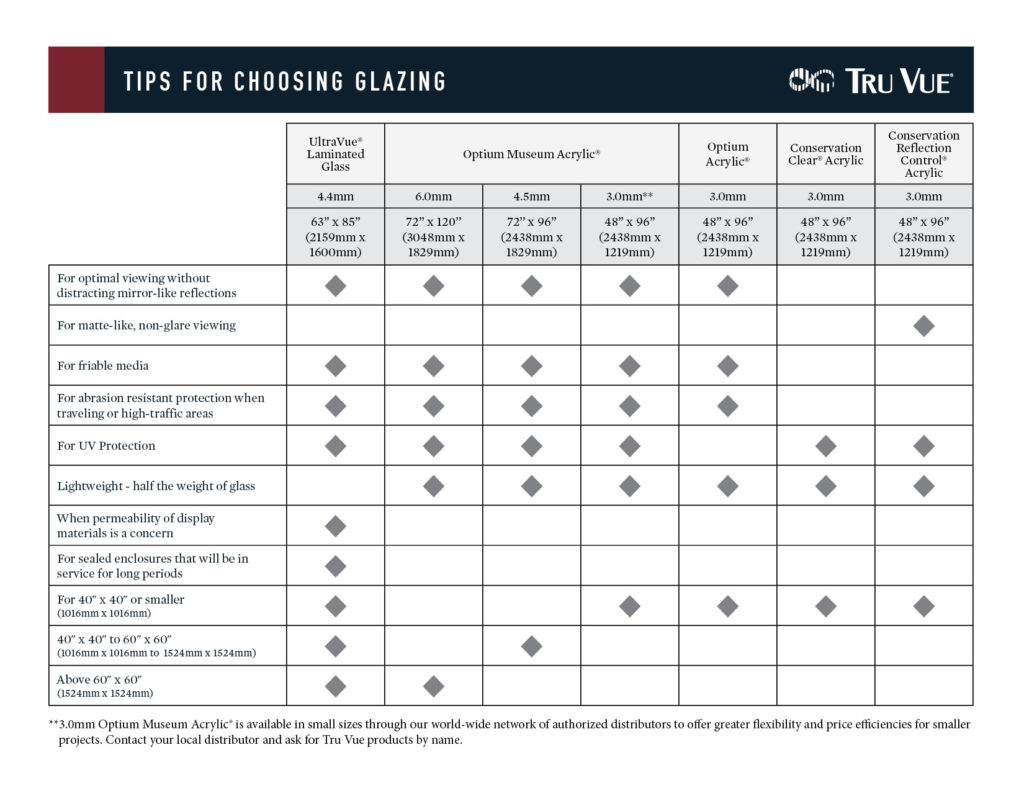
According to Tru Vue's selection guide, UltraVue Laminated Glass is particularly suited to applications where optimal viewing, UV protection, abrasion resistance, and protection for works displayed in high-traffic areas are notable considerations.
Optium Museum Acrylic
Optium Museum Acrylic
vs.
Optium Acrylic
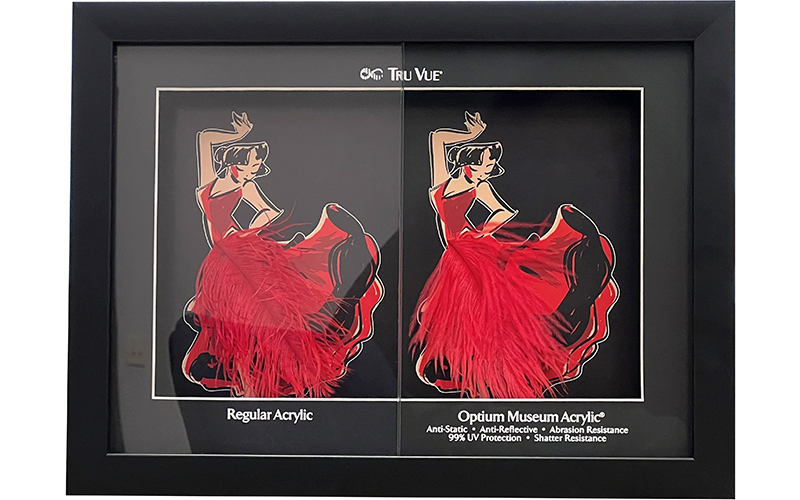
For projects requiring some of the highest levels of performance available in acrylic glazing, Harlem Frames also offers Tru Vue Optium Museum Acrylic.
Optium Museum Acrylic combines exceptional clarity with anti-reflective properties, UV protection, abrasion resistance, and anti-static performance.
The anti-static quality can be particularly important for certain delicate media where static electricity is a concern.
It is also considerably lighter than an equivalent piece of glass, making museum-grade acrylic especially useful when framing large works or pieces intended to travel or be installed in demanding environments.
Harlem Frames commonly uses Optium Museum Acrylic in multiple thicknesses, allowing the glazing specification to respond to the dimensions and requirements of the individual project the client brings forward.
Tru Vue Optium Acrylic provides another high-performance acrylic option.
Like Optium Museum Acrylic, it is designed to provide excellent clarity and reduced reflections while offering many of the practical advantages associated with acrylic glazing.
It can be considered for projects where anti-reflective viewing, abrasion resistance, lighter weight, and anti-static performance are important factors.
The appropriate choice between Optium Acrylic and Optium Museum Acrylic ultimately depends on the artwork and its conservation requirements.

Conservation Clear Acrylic
Not every artwork requires museum-grade anti-reflective glazing.
Conservation Clear Acrylic provides UV protection while retaining the practical benefits of acrylic, including its lighter weight compared with glass.
This can make it a useful option for works where preservation is important but museum-level anti-reflective performance isn't the primary concern.
For larger framed pieces in particular, choosing acrylic instead of glass can also make a meaningful difference in the finished weight of the frame.
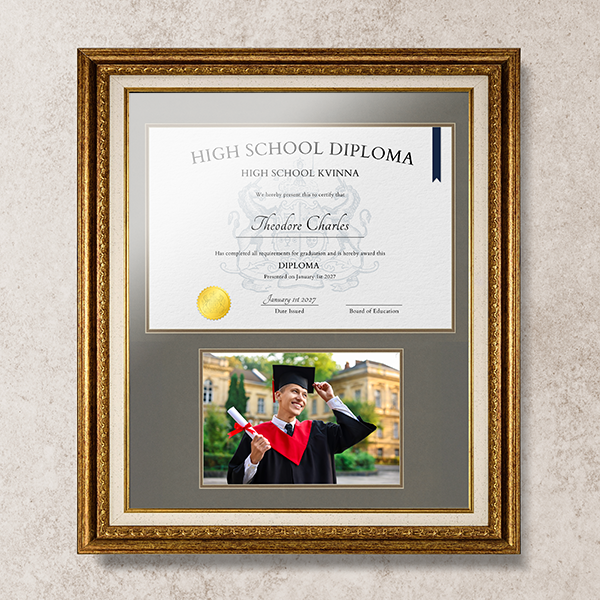
Conservation Reflection Control Acrylic
Harlem Frames can also offer Conservation Reflection Control Acrylic for projects where both UV protection and the reduction of distracting reflections are considerations.
Reflection-control glazing differs from premium anti-reflective glazing such as Optium. Rather than making reflections nearly disappear through optical coatings, reflection-control products are designed to diffuse them.
That distinction matters because different glazing materials can affect the viewing experience differently. Comparing samples in person can be extremely helpful when deciding which effect is appropriate for a particular artwork.
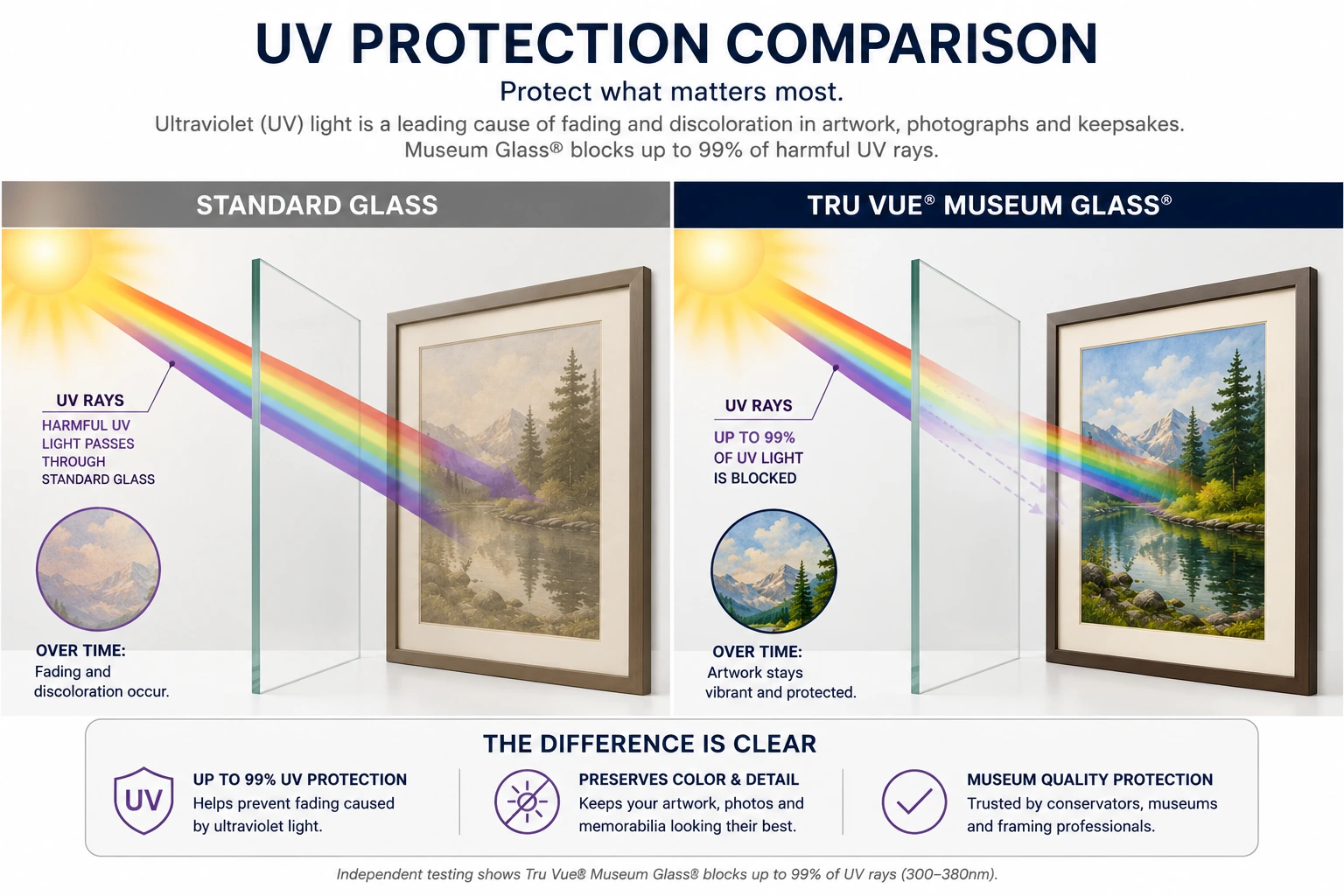
Why Does UV Protection Matter?
Many artworks are sensitive to prolonged exposure to ultraviolet radiation.
Over time, UV exposure can contribute to fading, discoloration, and deterioration in materials such as paper, photographs, textiles, inks, and certain pigments.
For valuable, sentimental, historic, or irreplaceable pieces, choosing glazing with appropriate UV protection can therefore become an important part of a conservation-minded framing approach.
However, UV-protective glazing should never be considered permission to hang artwork anywhere.
Even properly framed artwork should be kept away from prolonged direct sunlight and extreme environmental conditions whenever possible.
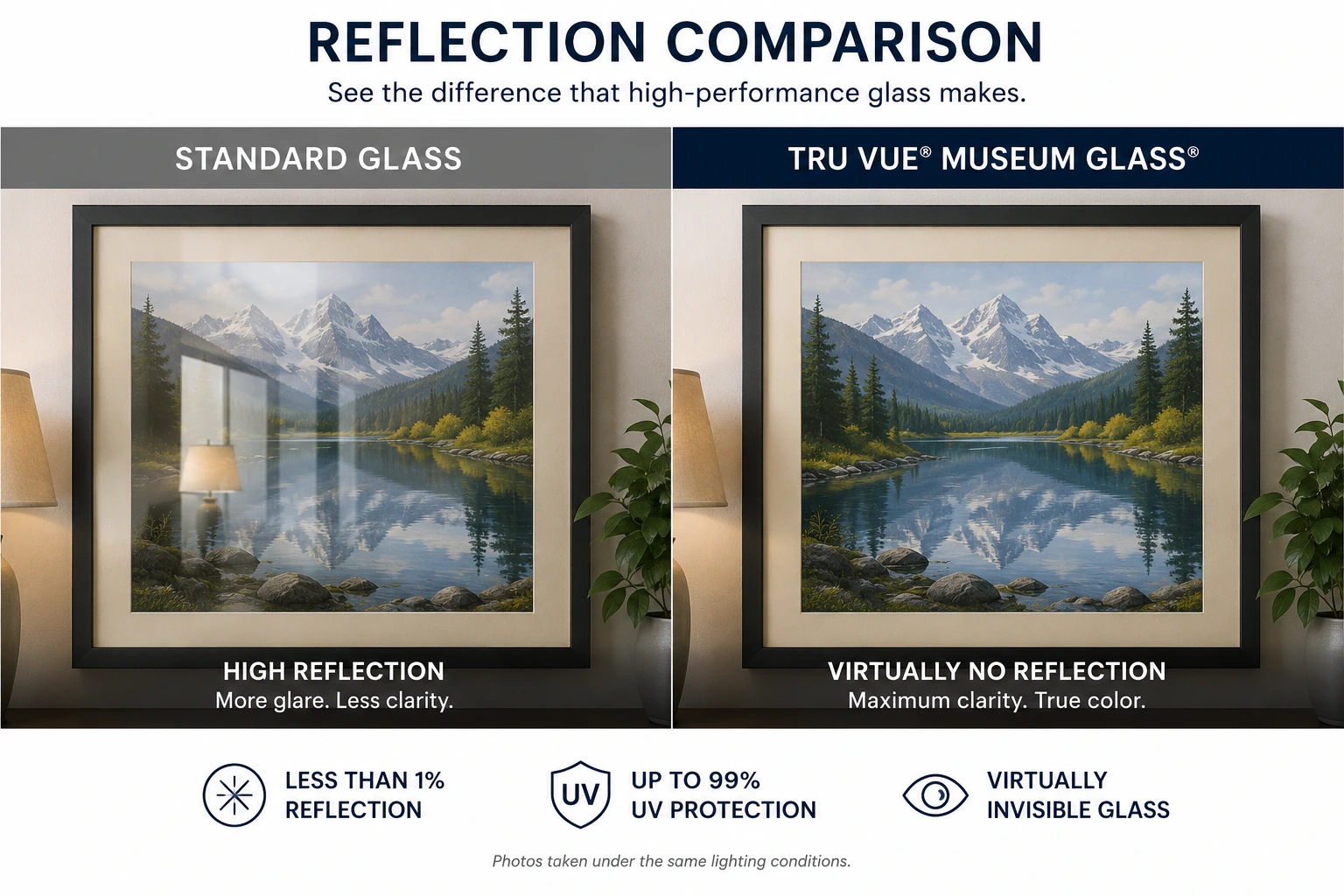
Reflections Matter, Too
Anyone who has tried to view a dark photograph or drawing behind reflective glazing knows how distracting glare can become.
Windows, lamps, overhead lighting, and even the viewer themselves can appear reflected across the surface.
Premium anti-reflective glazing such as Optium Museum Acrylic and UltraVue is designed to minimize these visual distractions so that attention remains on the artwork.
For highly detailed works, dark images, photographs, or artwork displayed in brightly lit environments, the difference can be striking.
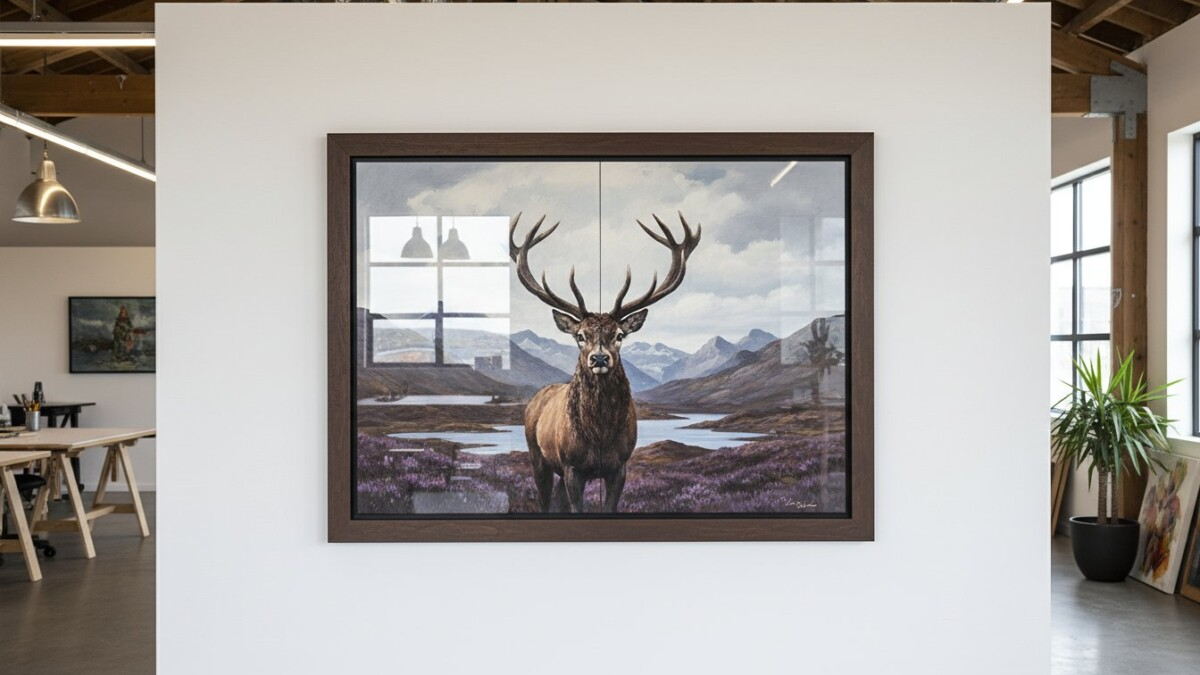
What About Large Artwork?
Size can significantly influence the glazing decision.
As a framed piece becomes larger, weight, rigidity, handling, installation, and safety become increasingly important considerations.
This is one reason acrylic glazing can be valuable for oversized work. Acrylic offers substantially less weight than comparable glass while specialized products can still provide high levels of clarity and protection.
The Tru Vue options available through Harlem Frames include different dimensions and thicknesses specifically suited to different framing requirements.
So, Which Glazing Should You Choose?
There isn't one “best” glazing material for every artwork.
The right choice depends on several factors:
The artwork's medium and condition
Its monetary or sentimental value
Sensitivity to UV exposure
Size and weight of the finished frame
Lighting and reflections in the display environment
Whether the artwork will travel
Concerns about abrasion or static
Desired level of clarity
Budget
A replaceable poster and an original work on paper don't necessarily require the same solution. Neither do a small family photograph and a six-foot artwork destined for an exhibition.
Choosing Glazing at Harlem Frames
At Harlem Frames, glazing is considered a quintessential component of the framing system.
Depending on the needs of the artwork, options include UltraVue Laminated Glass, Optium Museum Acrylic, Optium Acrylic, Conservation Clear Acrylic, and Conservation Reflection Control Acrylic, among other solutions.
Rather than simply asking whether you want “regular” or “museum” glass, we can help you compare the materials in person and consider clarity, reflection, UV protection, weight, safety, preservation, and cost together.
The goal is ultimately simple: choose the glazing that allows you to enjoy the artwork while giving it the level of protection its particular circumstances require.
Images Source:https://tru-vue.com/
How to Choose the Right Frame for Your Artwork
When selecting a frame, there are multiple factors to take into consideration. It’s more than just a matter of a frame that matches your artwork. The right frame can either strengthen the relationship between the work, the space around it, and the environment in which it will live, or visually imbalance the enjoyment of both the work and the space itself.
A thoughtfully chosen frame is intended to elevate the artwork’s presence without competing for attention with the frame itself. Moreover, when it’s necessary, the frame, matting, and glazing can considerably protect the work for years to come.
At Harlem Frames, we have a methodical approach to framing as an extension of the artwork itself. Everything from Material, color, and proportion to depth, glazing, and mounting is an essential contributor to a finished piece.
Here are a few things to consider when choosing a frame:
Start With The Artwork
The artwork should lead the conversation.
Closely examining the piece’s colors, materials, texture, scale, and overall character is crucial before even concluding what room the piece will be hung in. A delicate work on paper may need an entirely different presentation than a conventional, large contemporary canvas, photograph, textile, or vintage poster.
As opposed to simply matching a frame to a prominent color in the piece, you must consider how the frame can complement the overall character of the artwork. Sometimes that means creating contrast. Other times, this may entail choosing a quiet frame that nearly disappears.
The mission is to give the artwork a setting in which it feels complete.
Consider Material and Finish
Wood, metal, painted finishes, stains, and natural materials all create a variable relationship with an artwork.
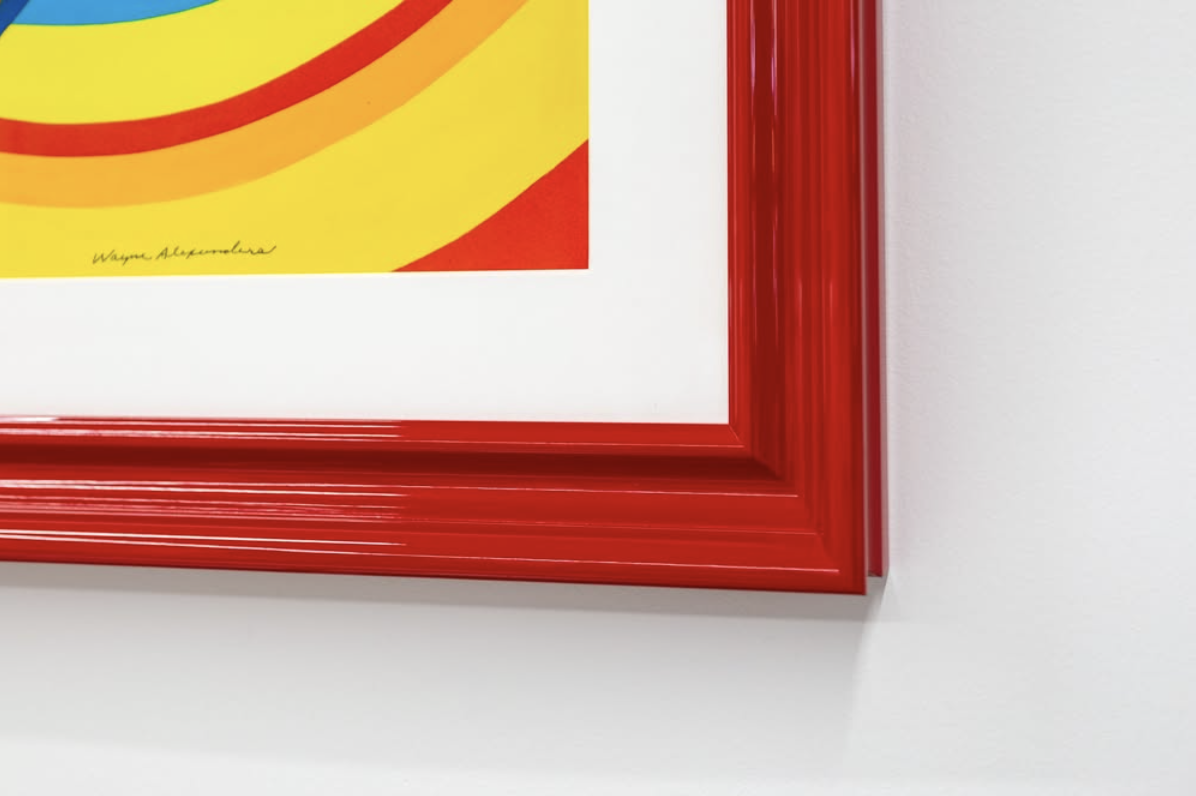
Natural woods such as walnut, maple, and oak can introduce warmth and texture while allowing the grain of the material to remain visible. Black and white frames, however, provide a more restrained or graphic presentation. Meanwhile, metallic, painted, or decorative moulding complement works that call for a stronger visual presence. All of which is subjective.
There isn't one material that works for every piece. To reiterate, an optimal frame choice is dependent on how it responds to the individual artwork.

Pay Attention to Proportion
Frame width and depth matter are just as essential as moulding color.
An overly heavy frame risks overwhelming a small or delicate work, while a frame that’s extra thin can be visually inadequate to surround a large or more dimensional piece.
The proportions are meant to create balance. Larger artwork doesn't unconditionally require an oversized frame, just like a small artwork can benefit from a generous mat or deeper presentation that gives it a greater “wow factor” when mounted on the wall.
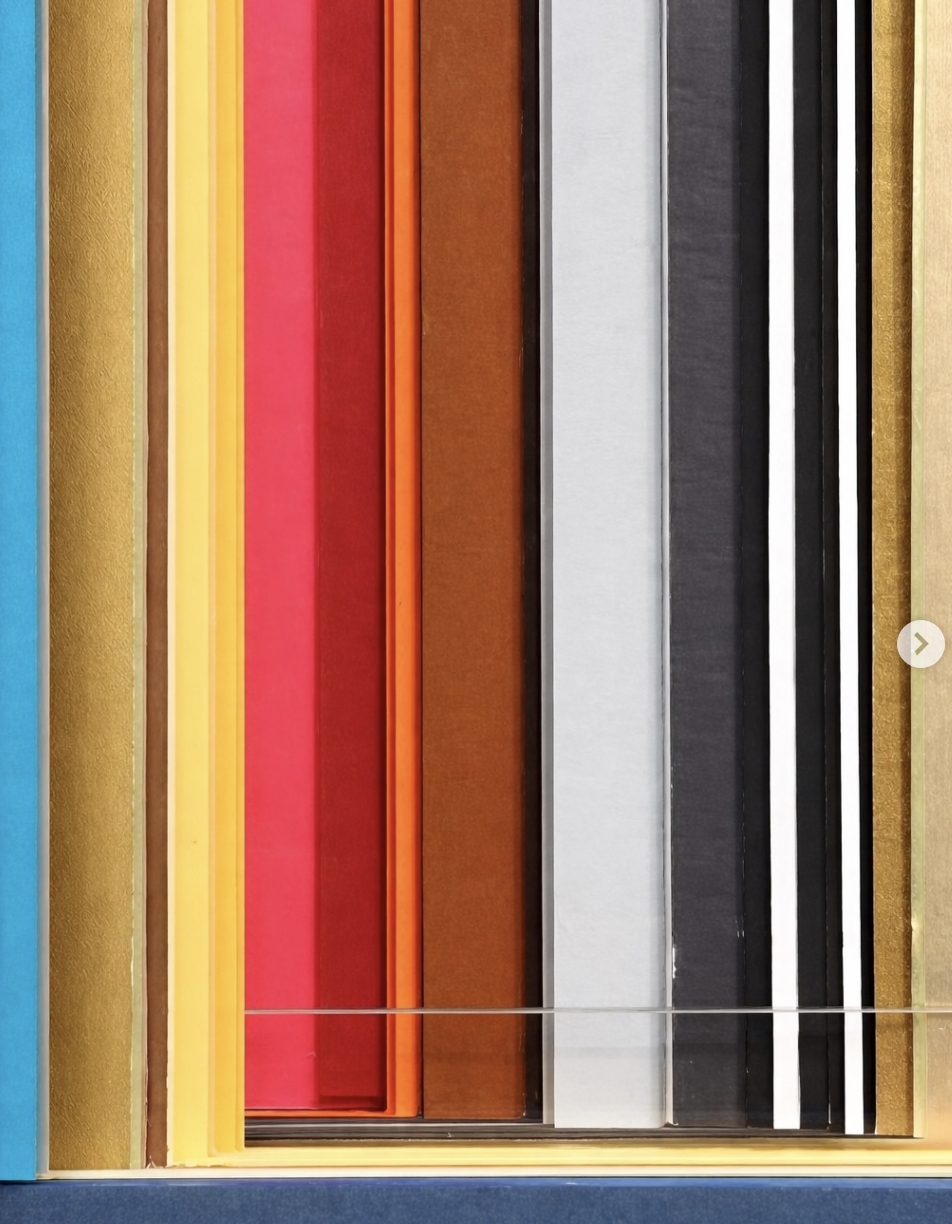
Decide Whether the Artwork Needs a Mat
Matting creates visual space between an artwork and its frame. It’s no understatement to assert how dramatically the mat can change the perception of a piece.
Works on paper, photographs, drawings, prints, and other flat works are frequently presented with mats. Beyond their aesthetic role, properly selected archival matting can also assist in separating the artwork from glazing and contribute to its long-term preservation.
In the same vein, not every piece requires a traditional mat. Floating, spacers, shadowbox presentations, and other framing techniques can create separation while inspiring a very unique visual effect.
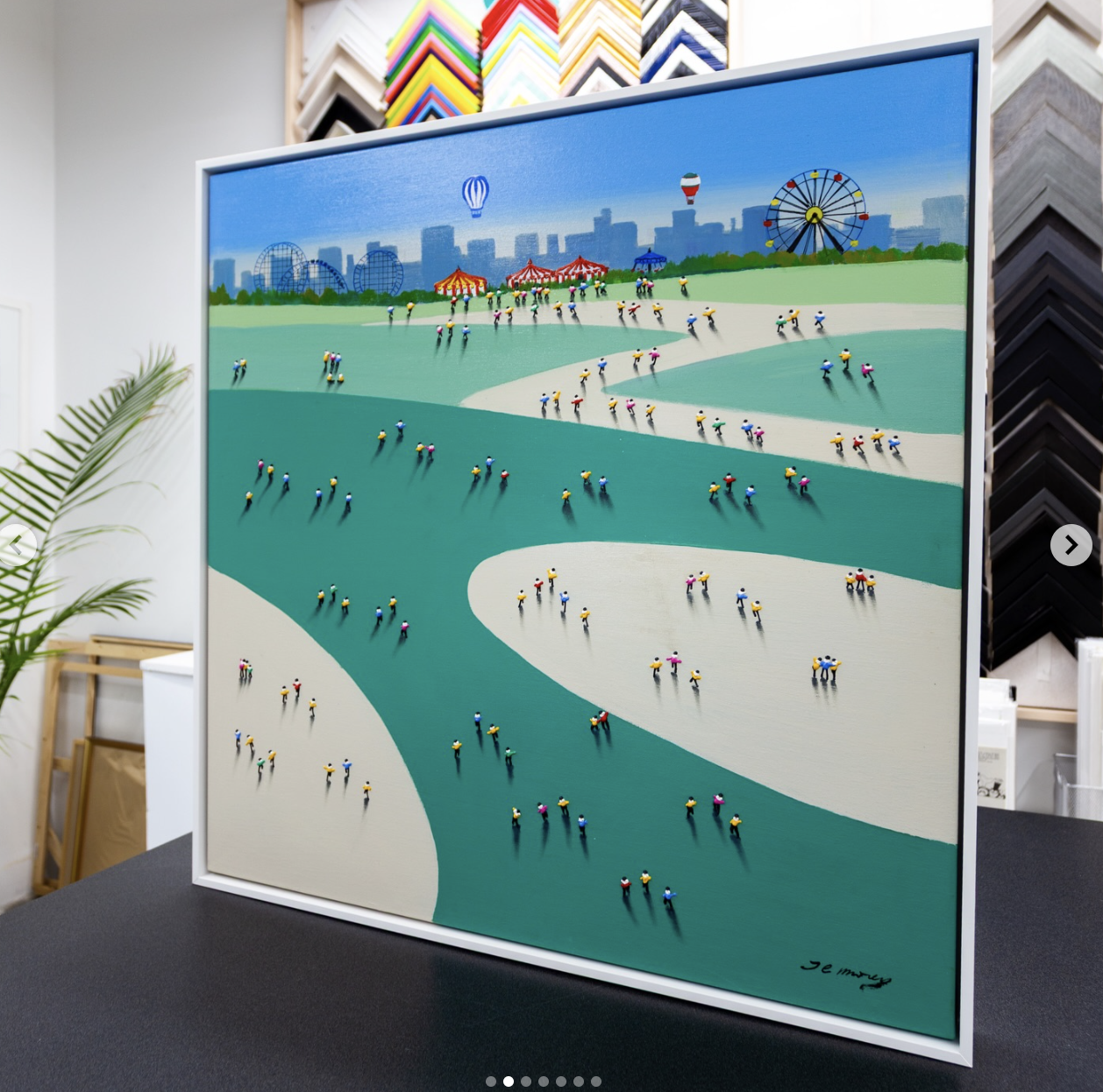
Think About Depth
There’s also the matter of artwork that elevates from having visible space around its edges.
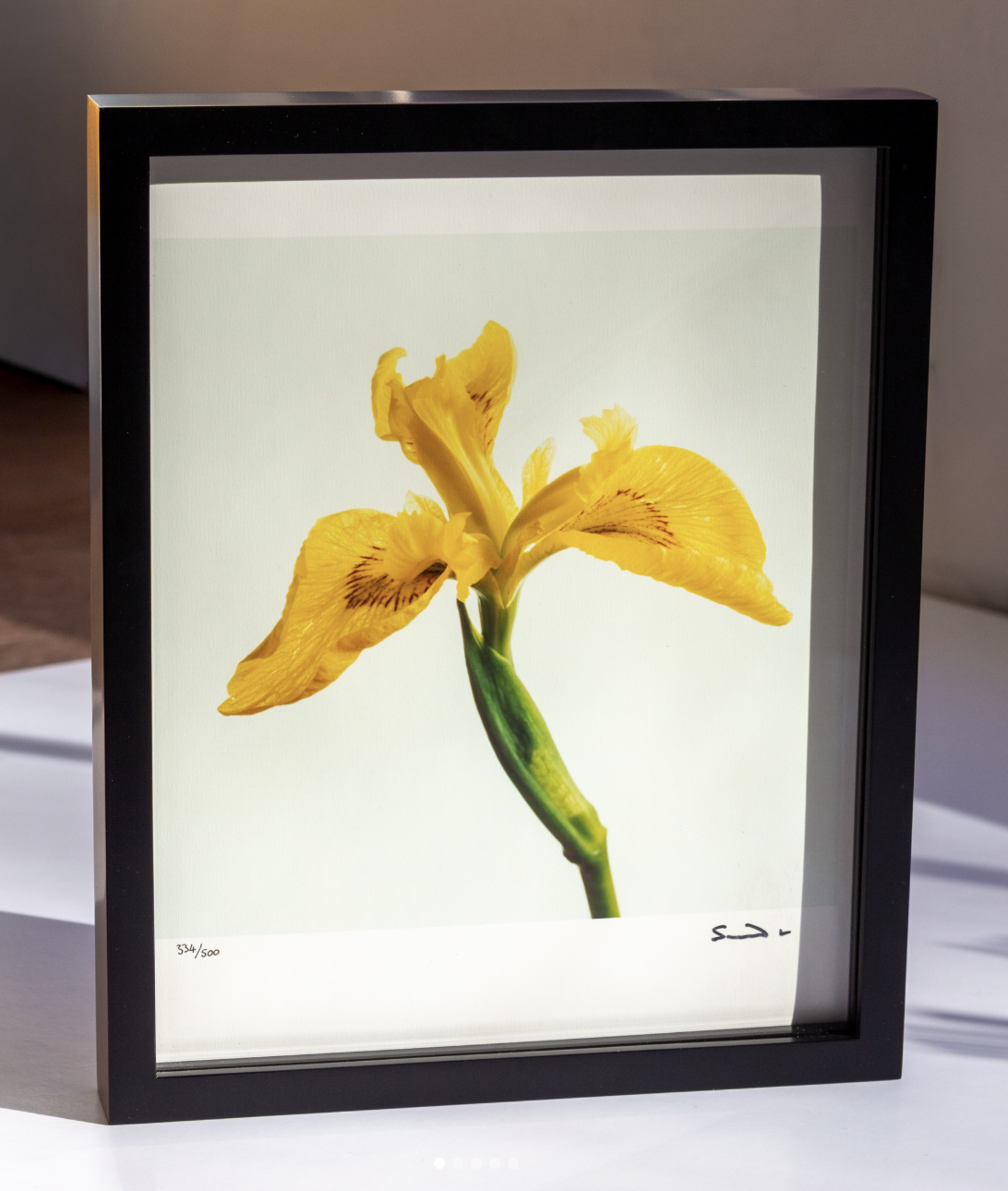
A float frame, for example, produces a narrow gap between a canvas and its surrounding frame. This space from the edges of the artwork is necessary to remain visible because it gives the piece the appearance of floating within the frame.
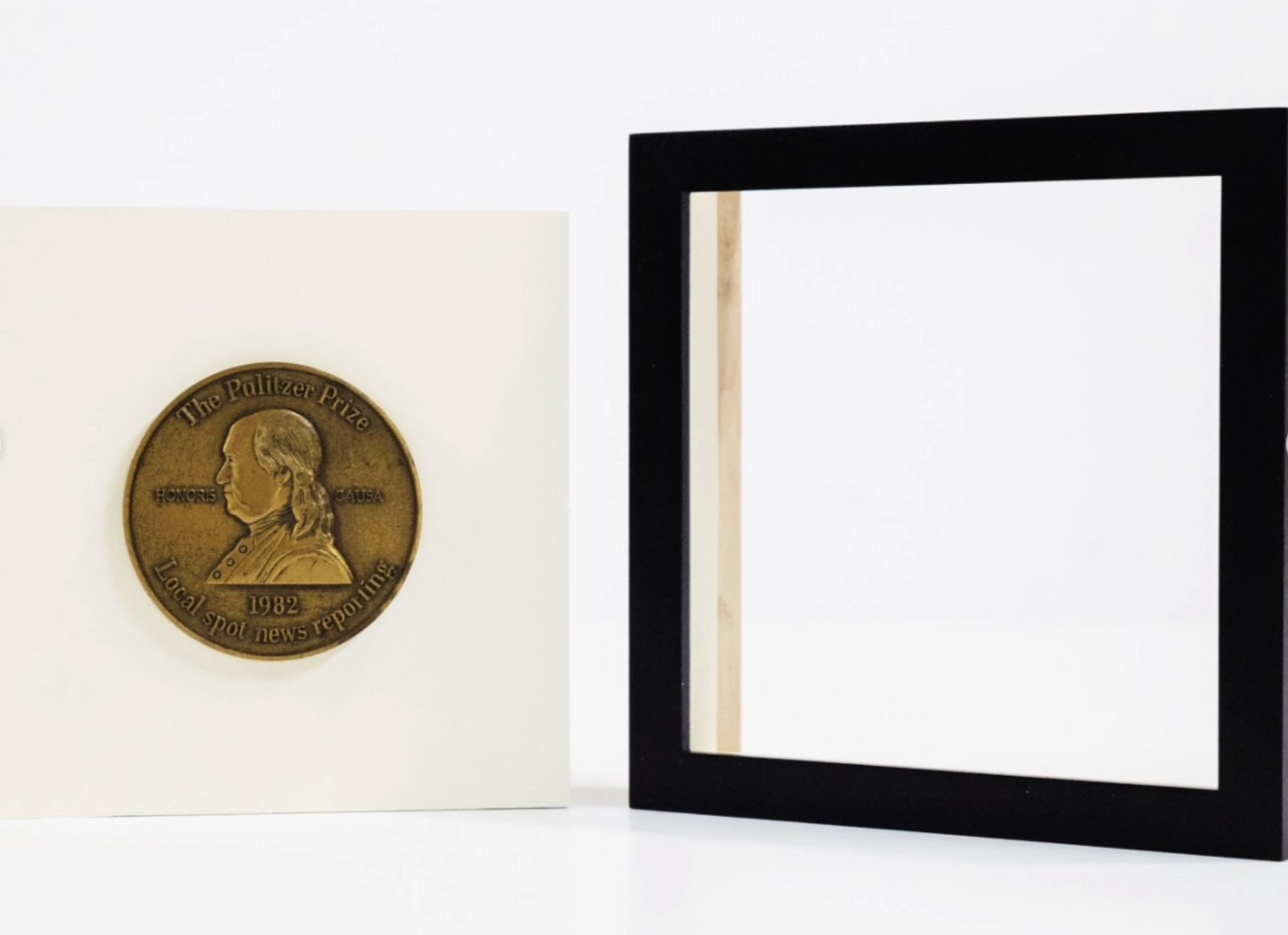
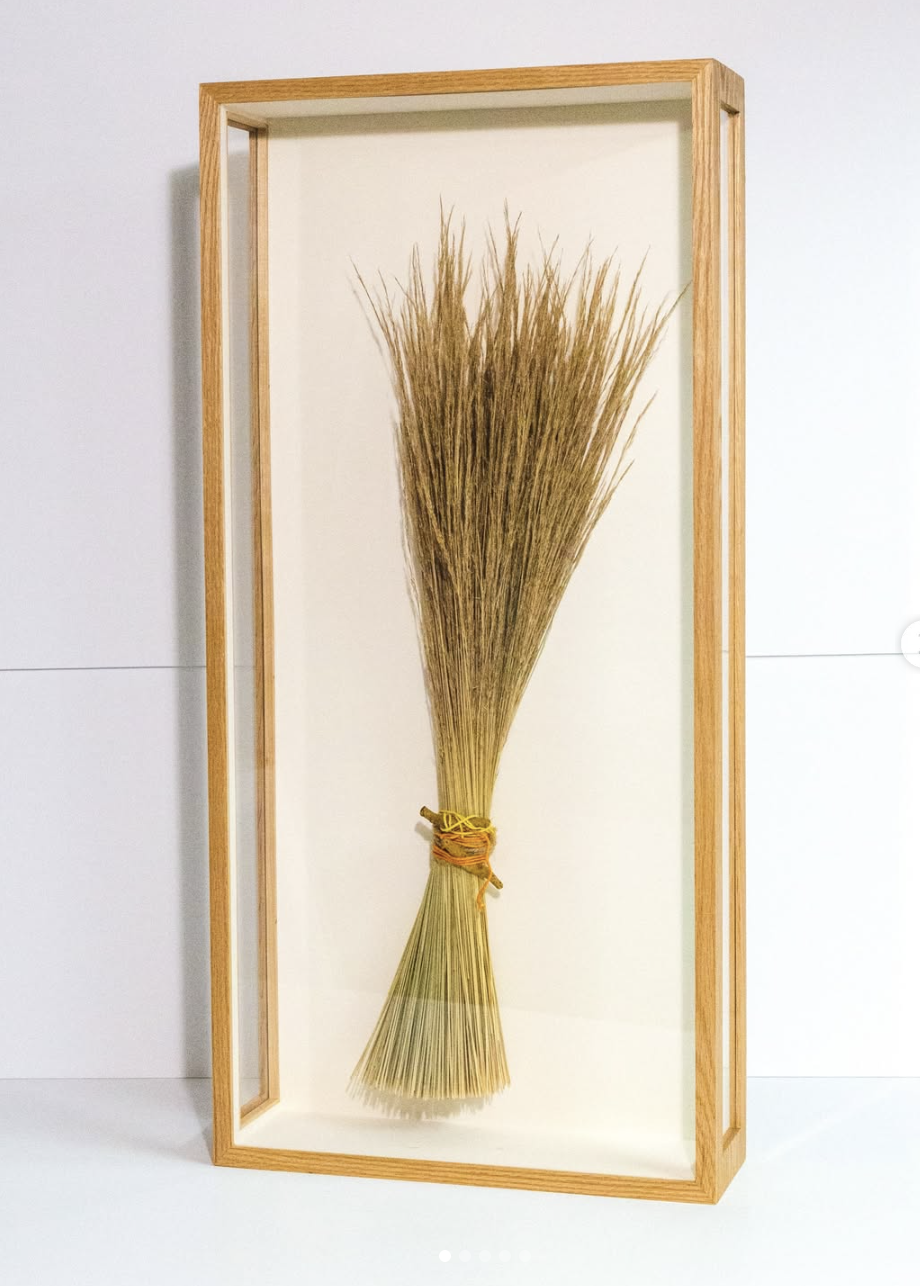
Objects, textiles, memorabilia, and dimensional artwork may require even greater depth through shadowboxes or custom-built framing solutions.
These decisions aren't purely decorative—they influence how the physical object is experienced.
Don't Forget the Glass
For artwork that requires glazing, the type of glass or acrylic can dictate the longevity of the piece itself.
Different glazing options offer varying levels of clarity, reflection control, and UV protection. For photographs, works on paper, limited-edition prints, and other light-sensitive materials, conservation considerations may be especially important.
The most appropriate option depends on the artwork, its value, where it will be displayed, and the level of protection required.
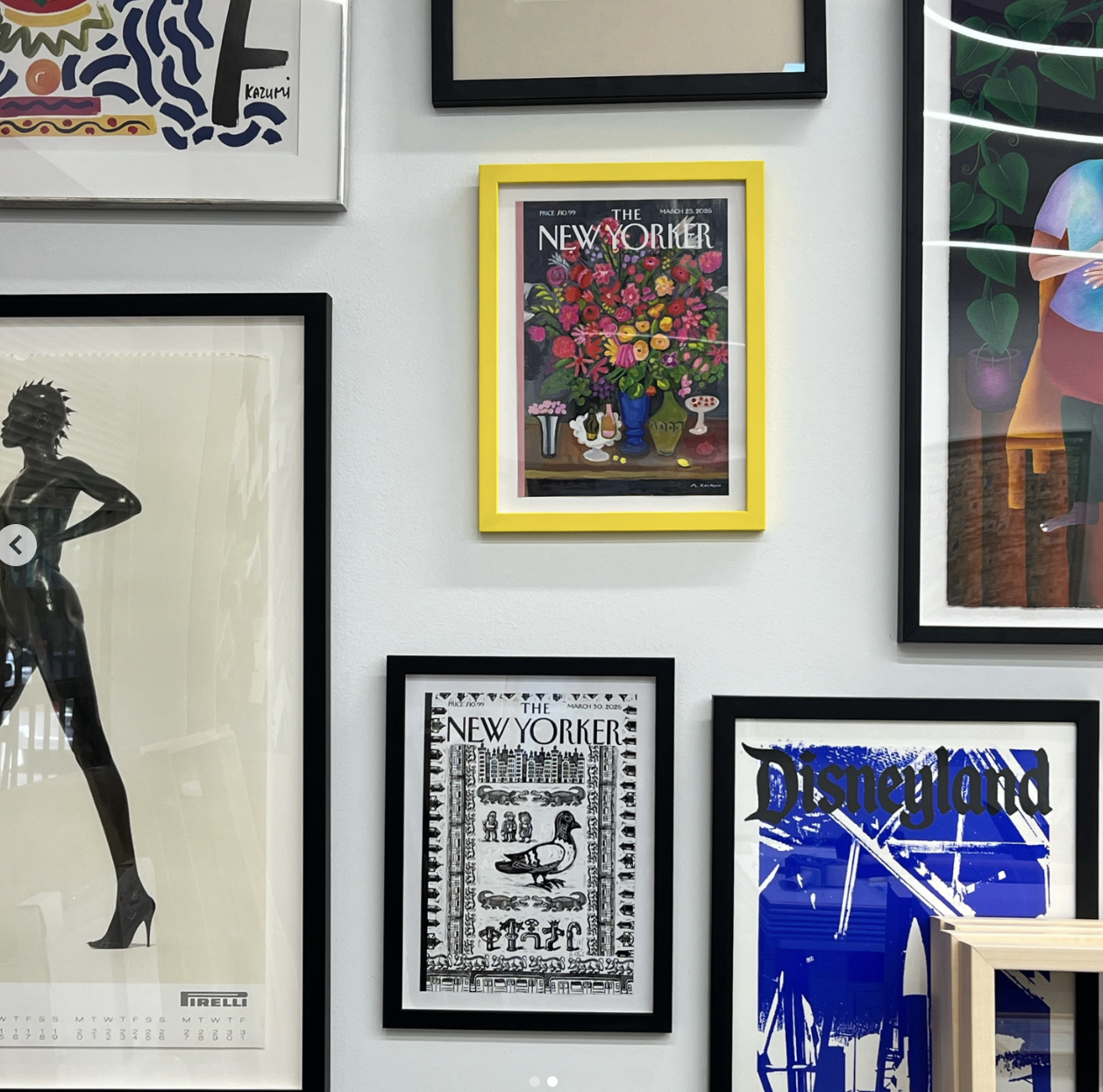
Consider the Room—But Don't Let It Dictate Everything
Your surroundings matter, but framing solely to match current furniture or wall colors can be limiting.
Interiors change. Artwork often stays with us much longer.
Instead of asking only, “Does this frame match my room?” consider whether the frame feels right for the artwork itself. A thoughtfully framed piece should be able to move from one environment to another and still feel resolved.
When in Doubt, Keep It Simple
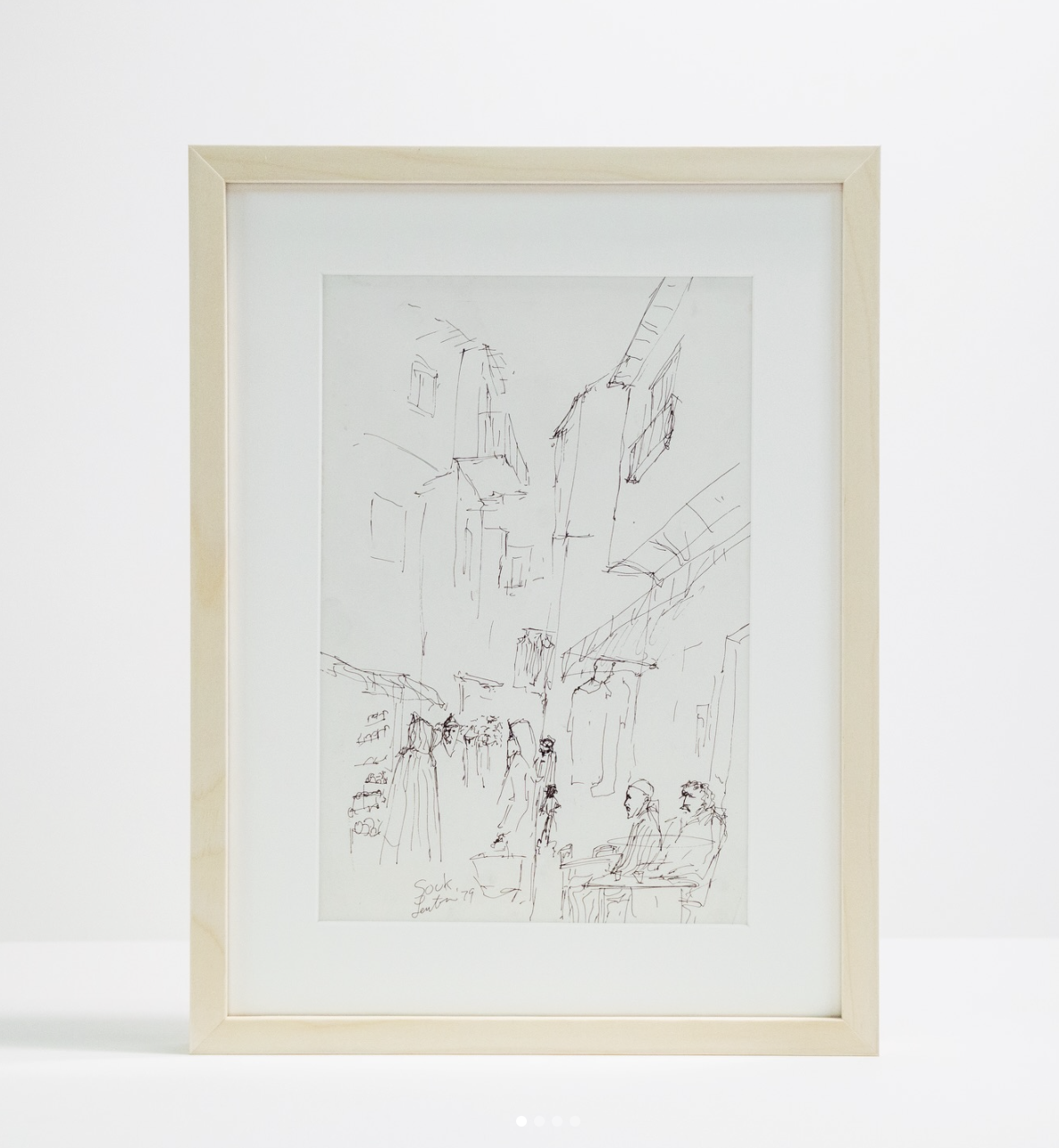
Sometimes the most successful frame is the one you notice last.
If an artwork already contains a great deal of color, texture, or visual complexity, a restrained frame can provide structure without introducing another competing element.
Simple does not mean generic. Small differences in wood species, profile, finish, depth, matting, and spacing can dramatically change the finished presentation.
Every Artwork Is Different
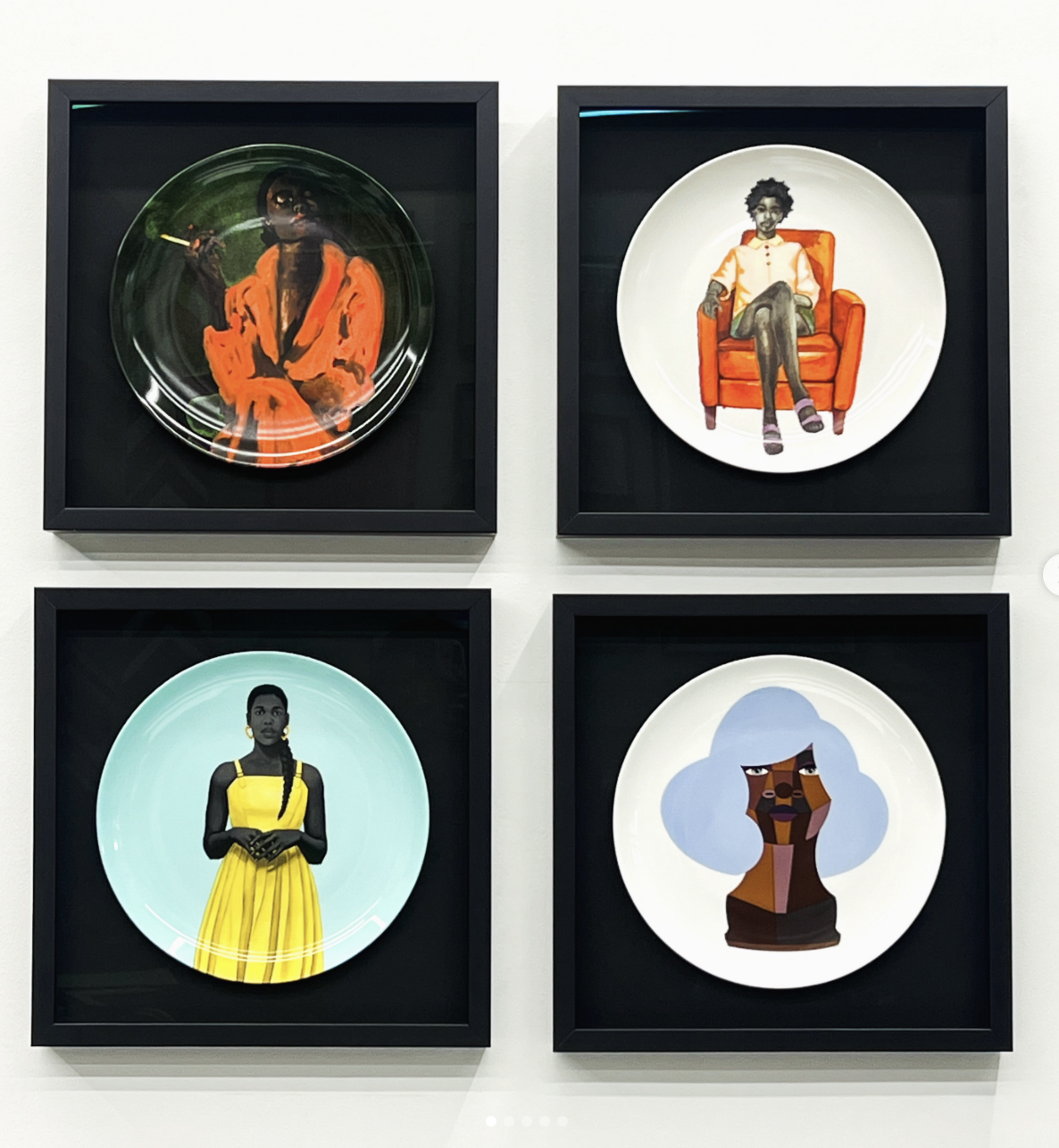
There is no universal formula for choosing the perfect frame.
An original painting, family photograph, limited-edition print, textile, poster, or treasured object each presents its own questions. The role of custom framing is to find a solution that considers the artwork as an individual object—how it looks, how it is constructed, how it should be displayed, and how it should be protected.
At Harlem Frames, we work with artists, collectors, galleries, designers, institutions, and individuals to develop framing solutions tailored to the work itself.
Have a piece you're considering framing? Bring it to Harlem Frames and explore the possibilities with us.
As Always, Framed With Care.
In Harlem.