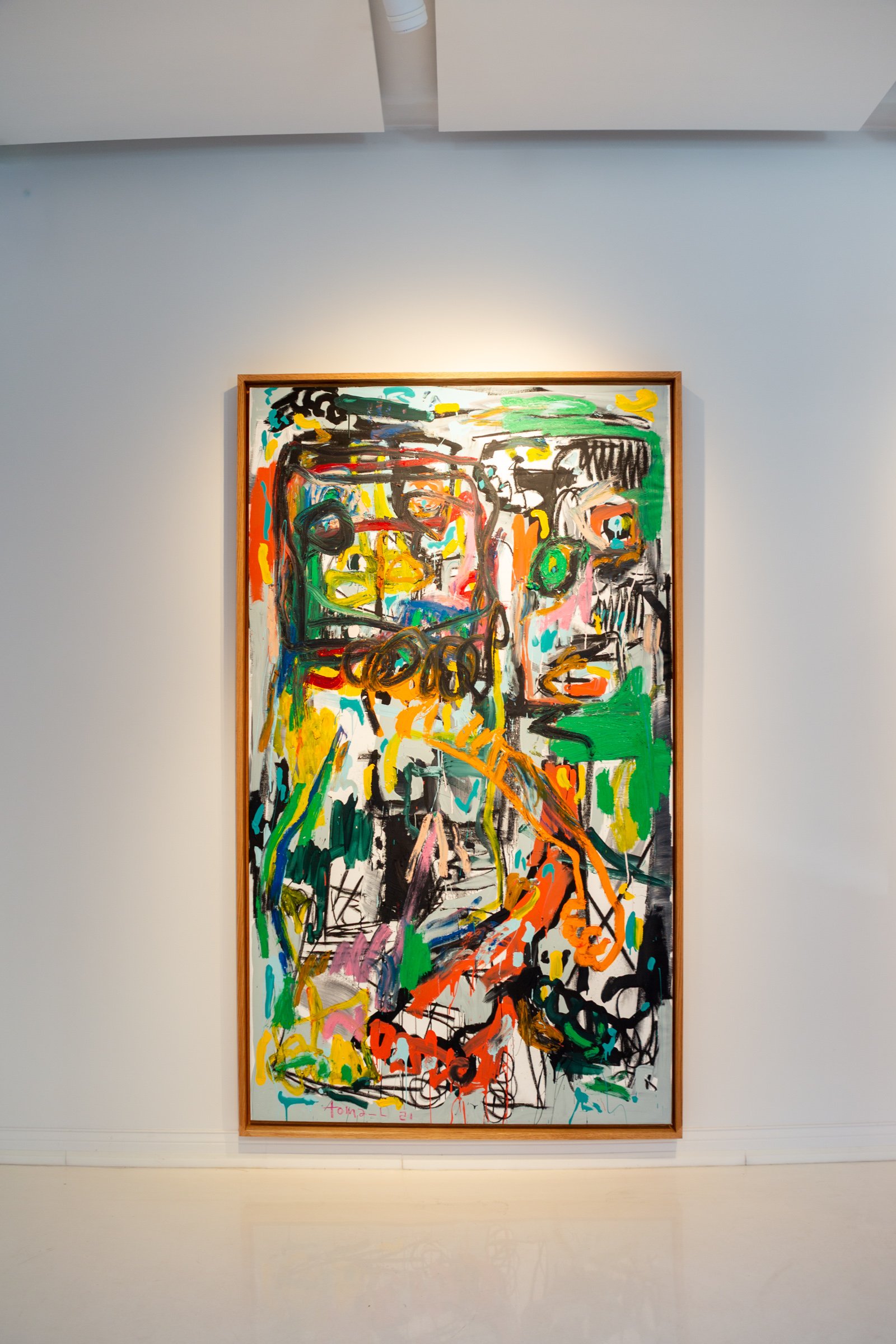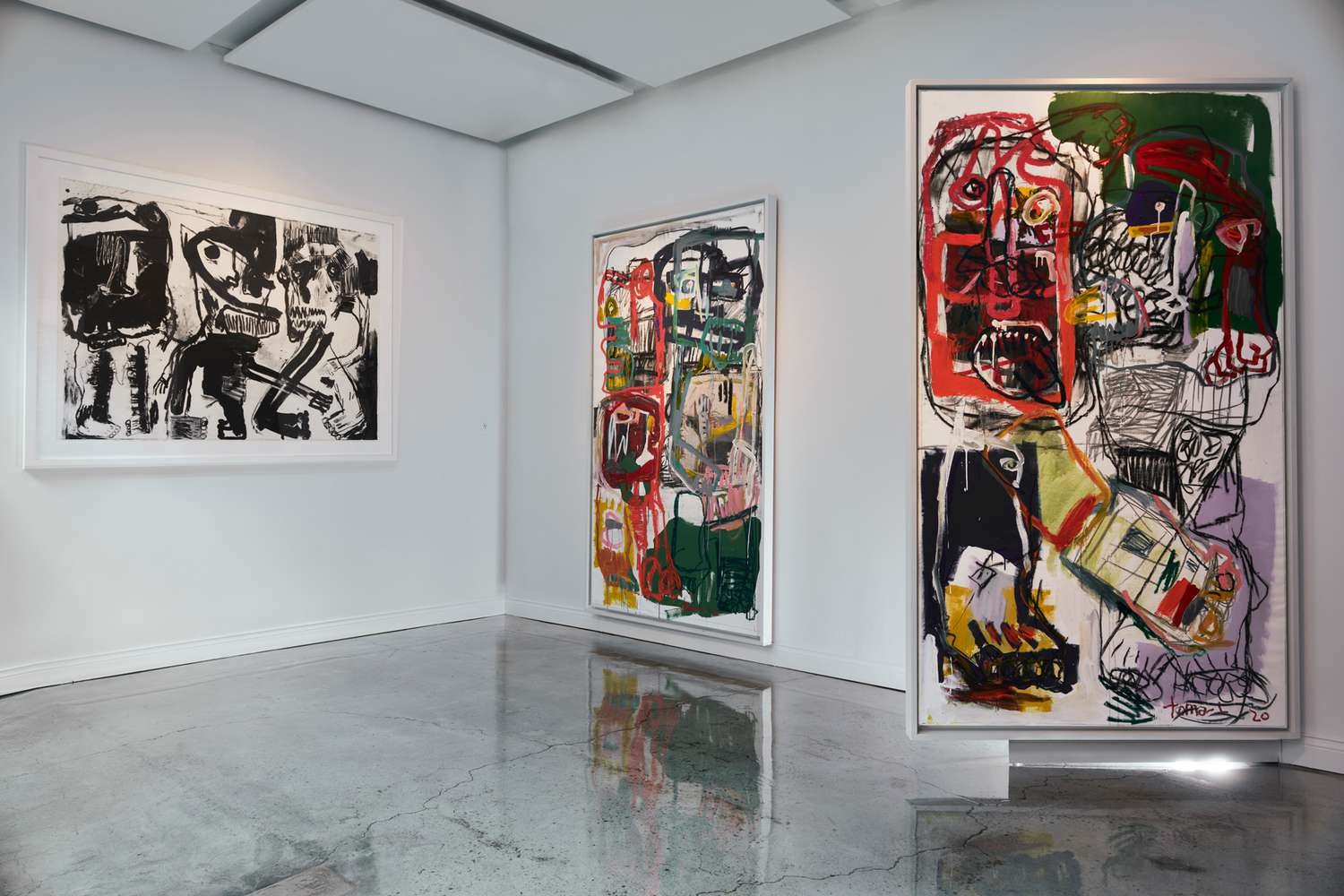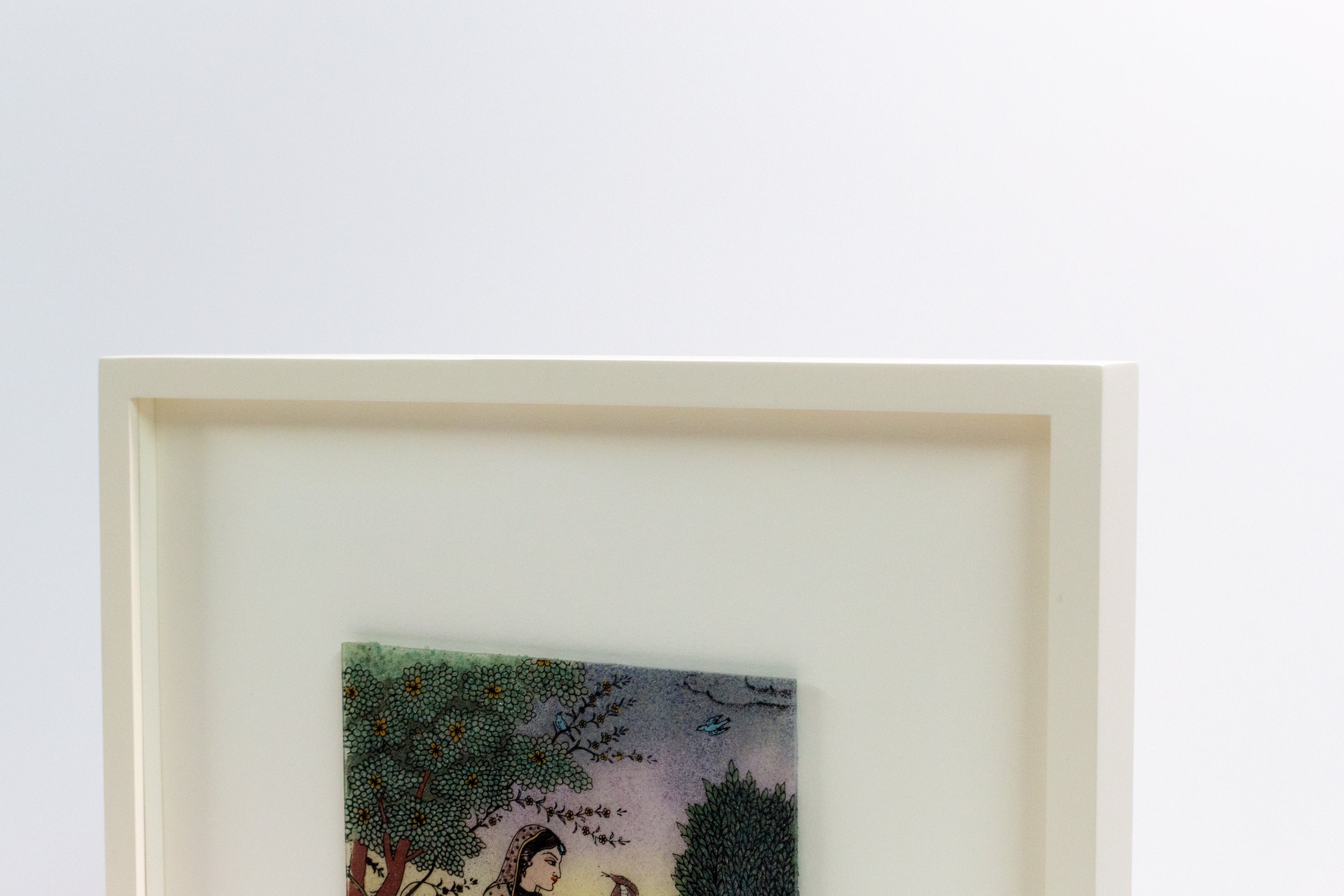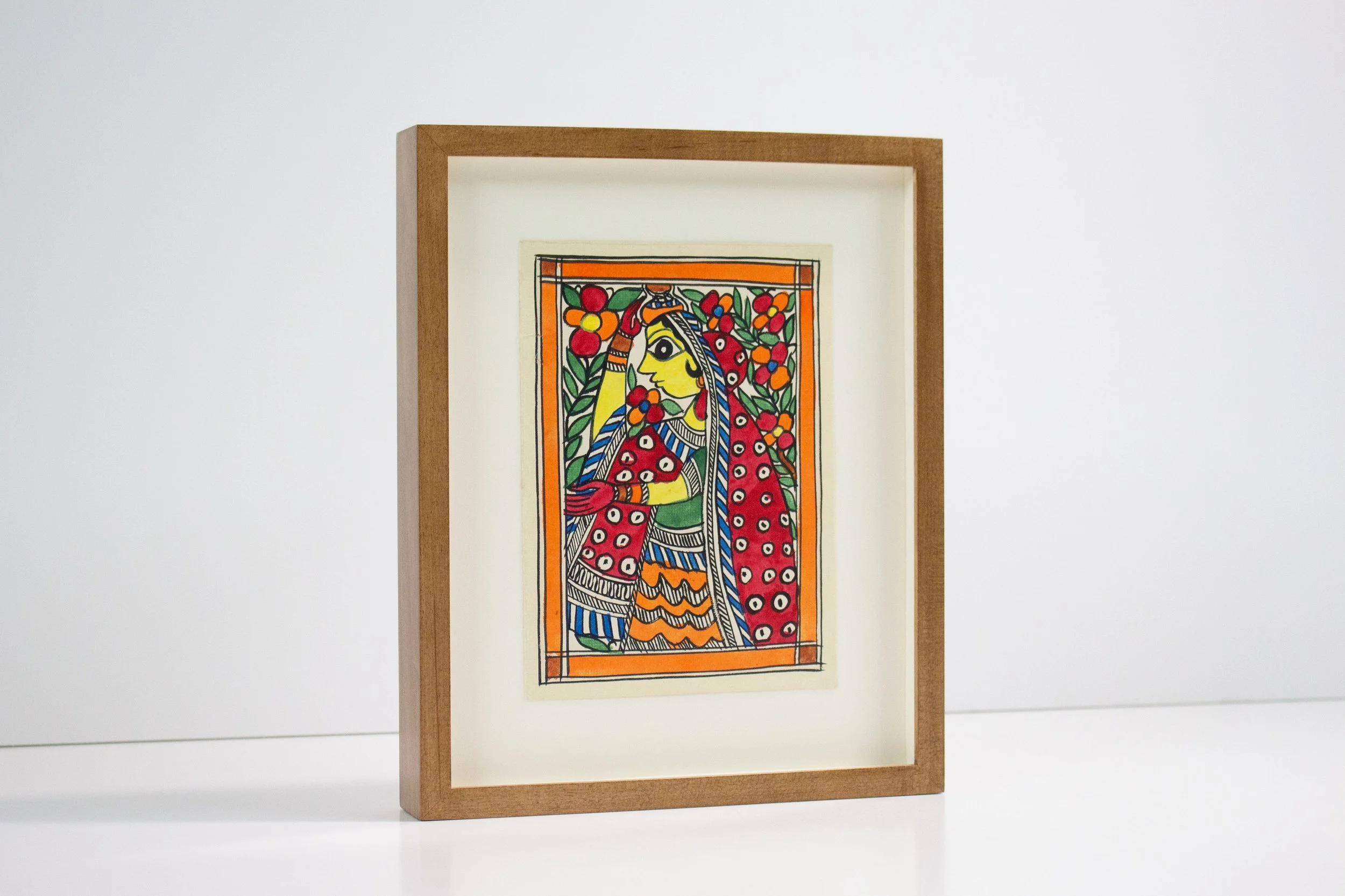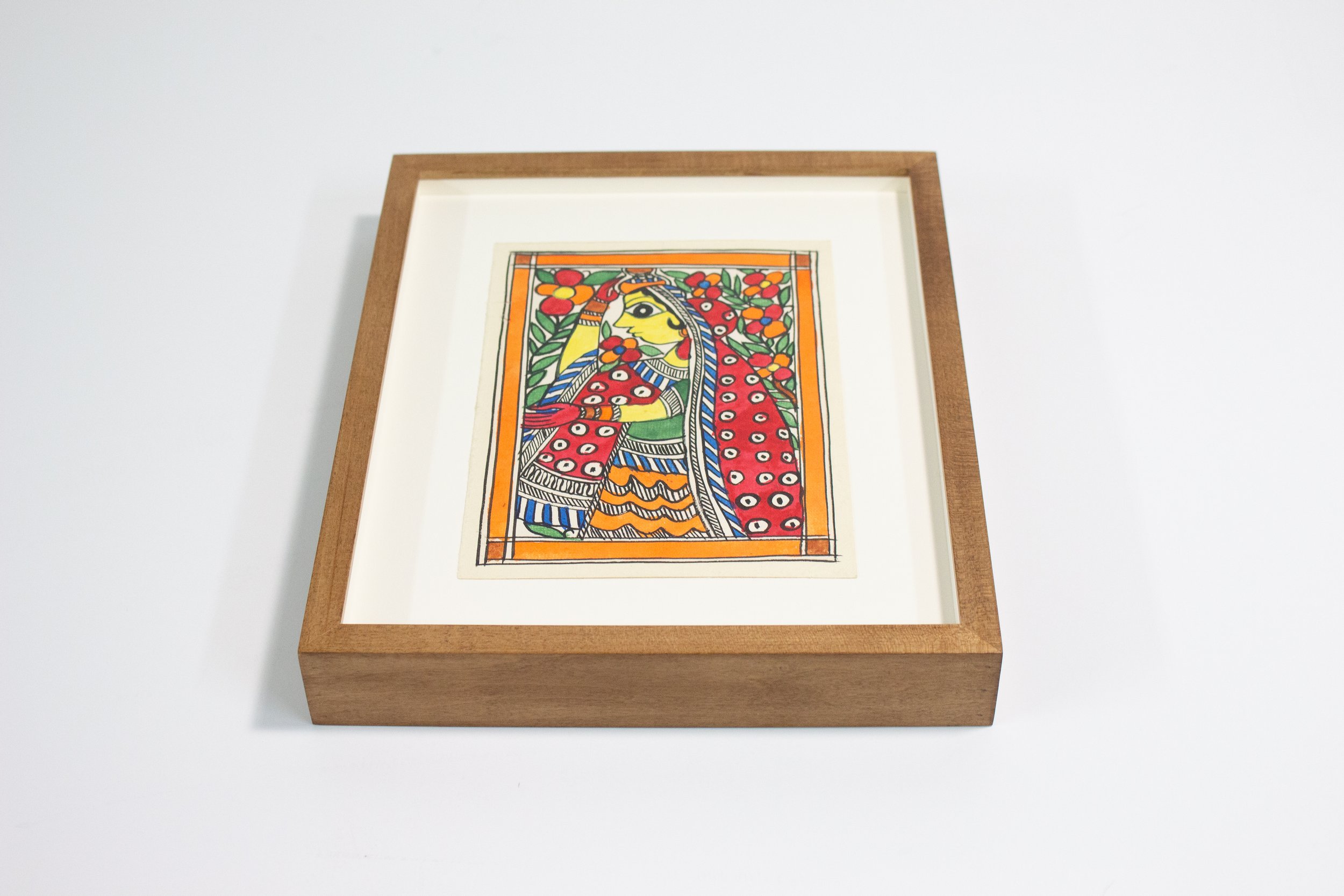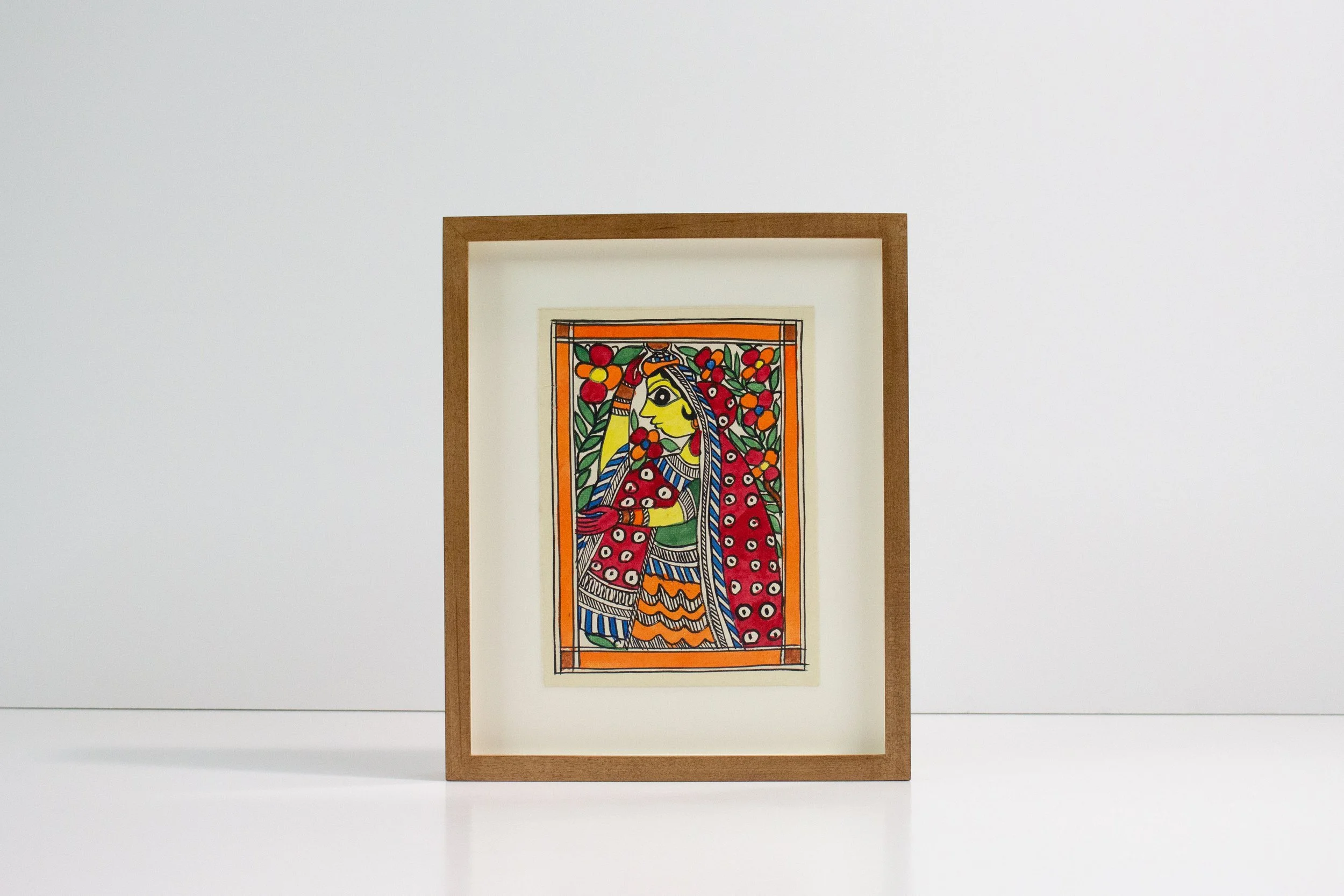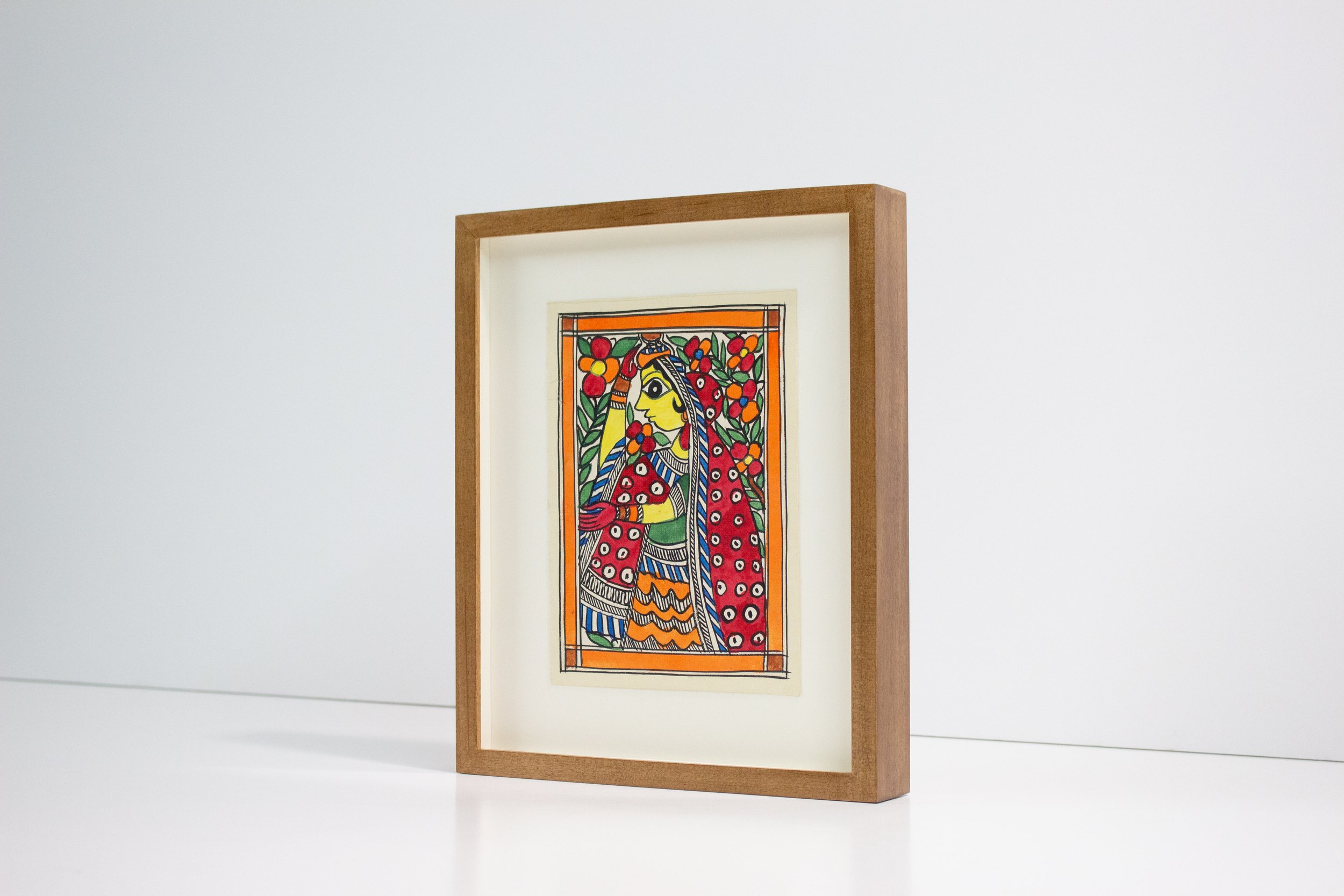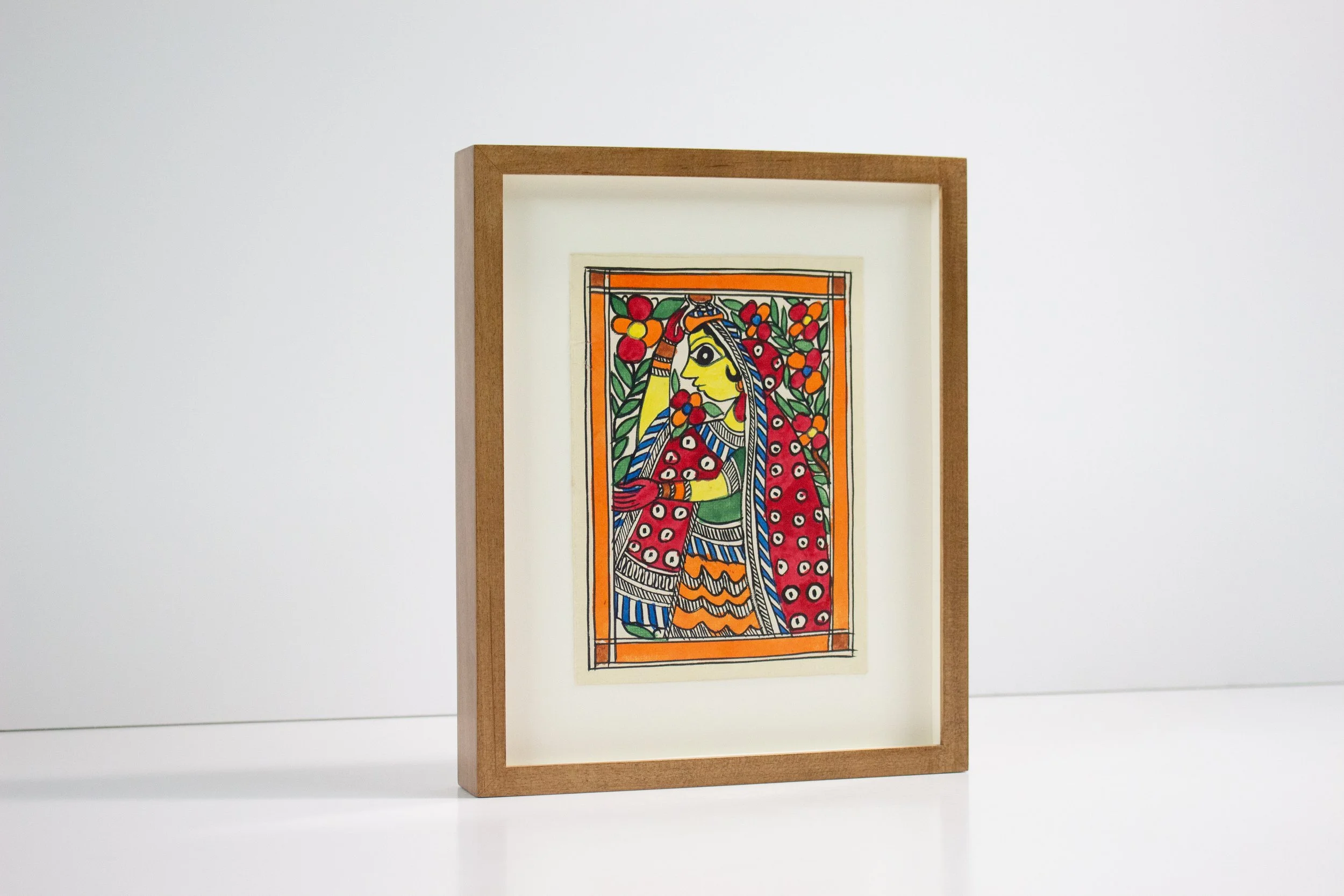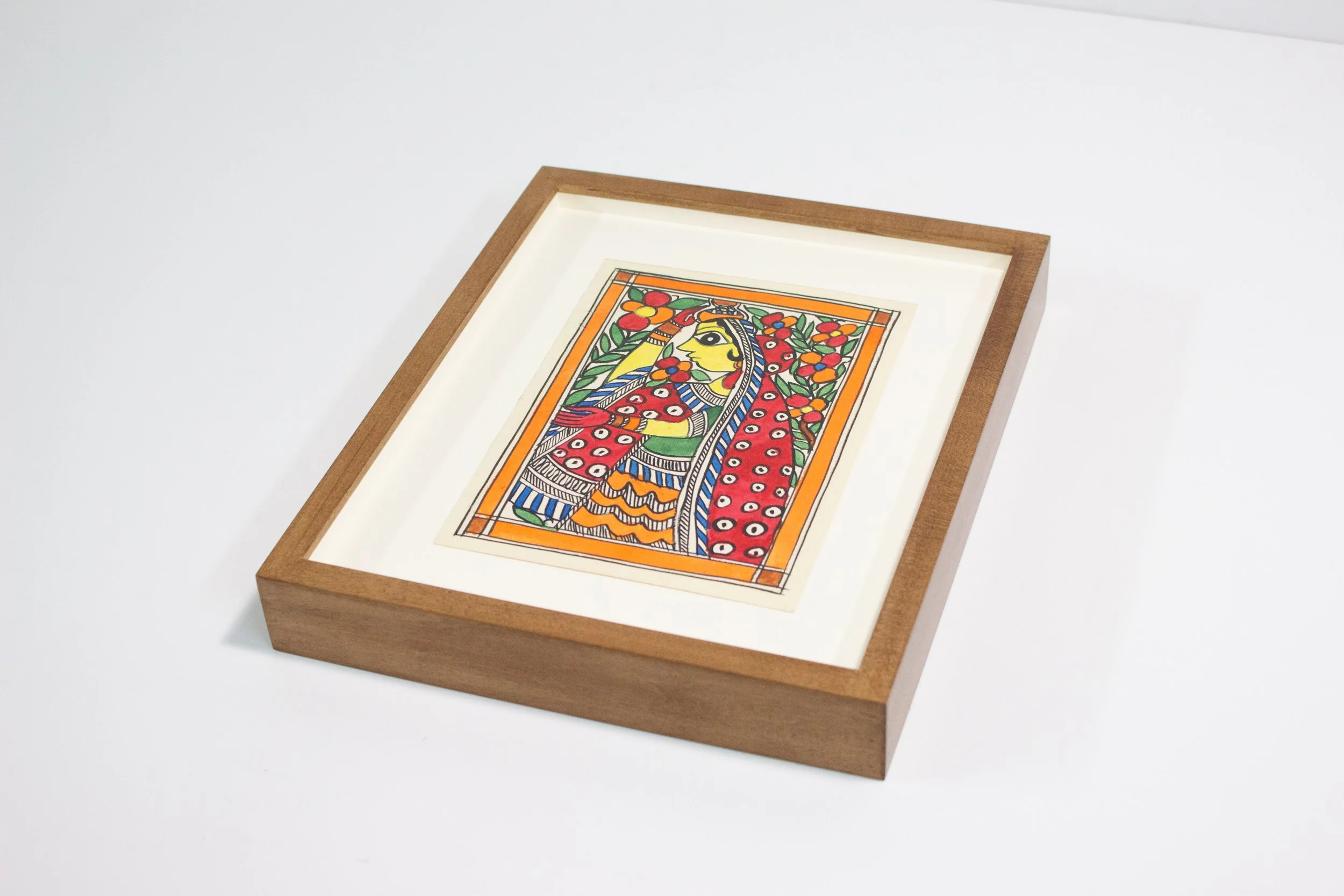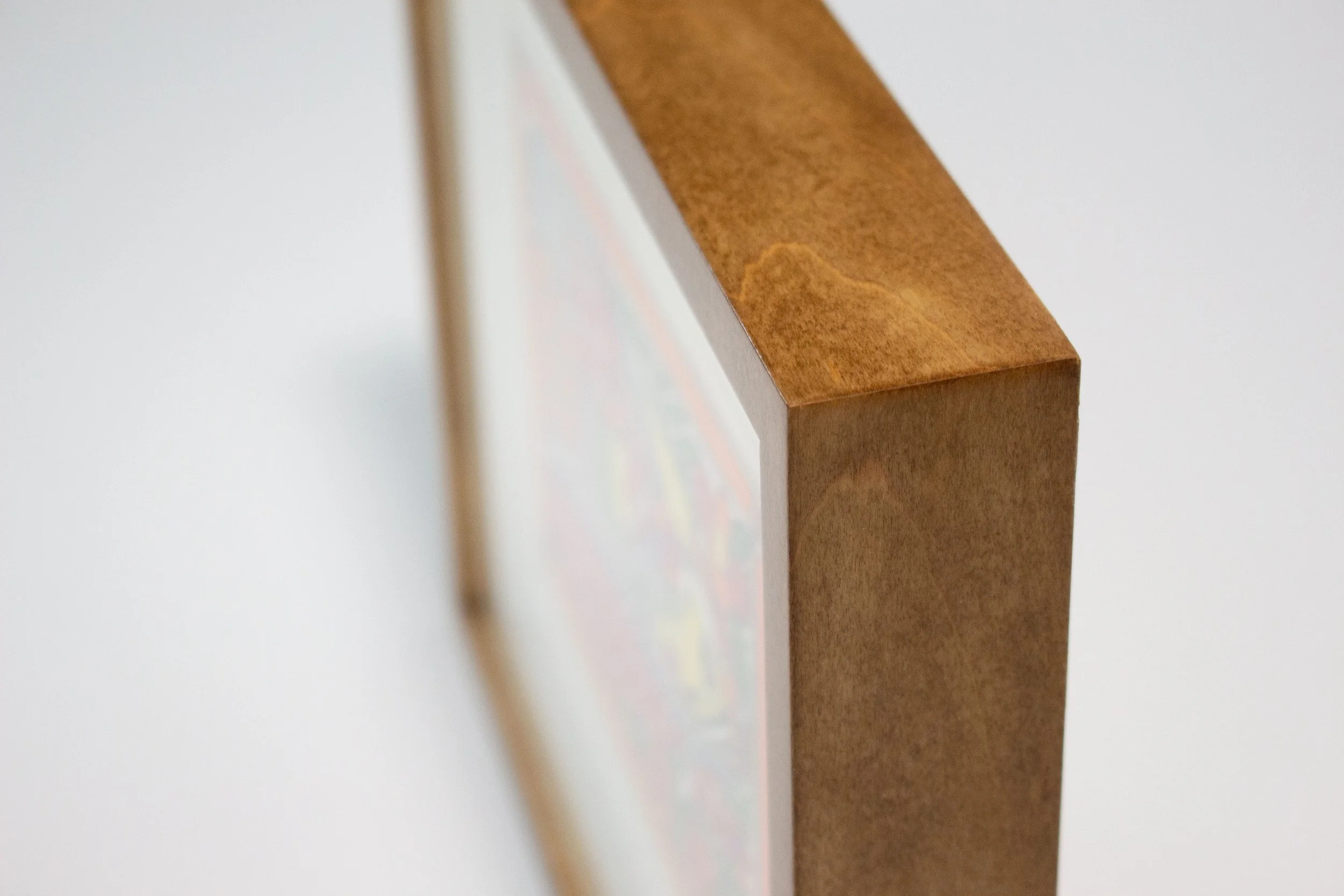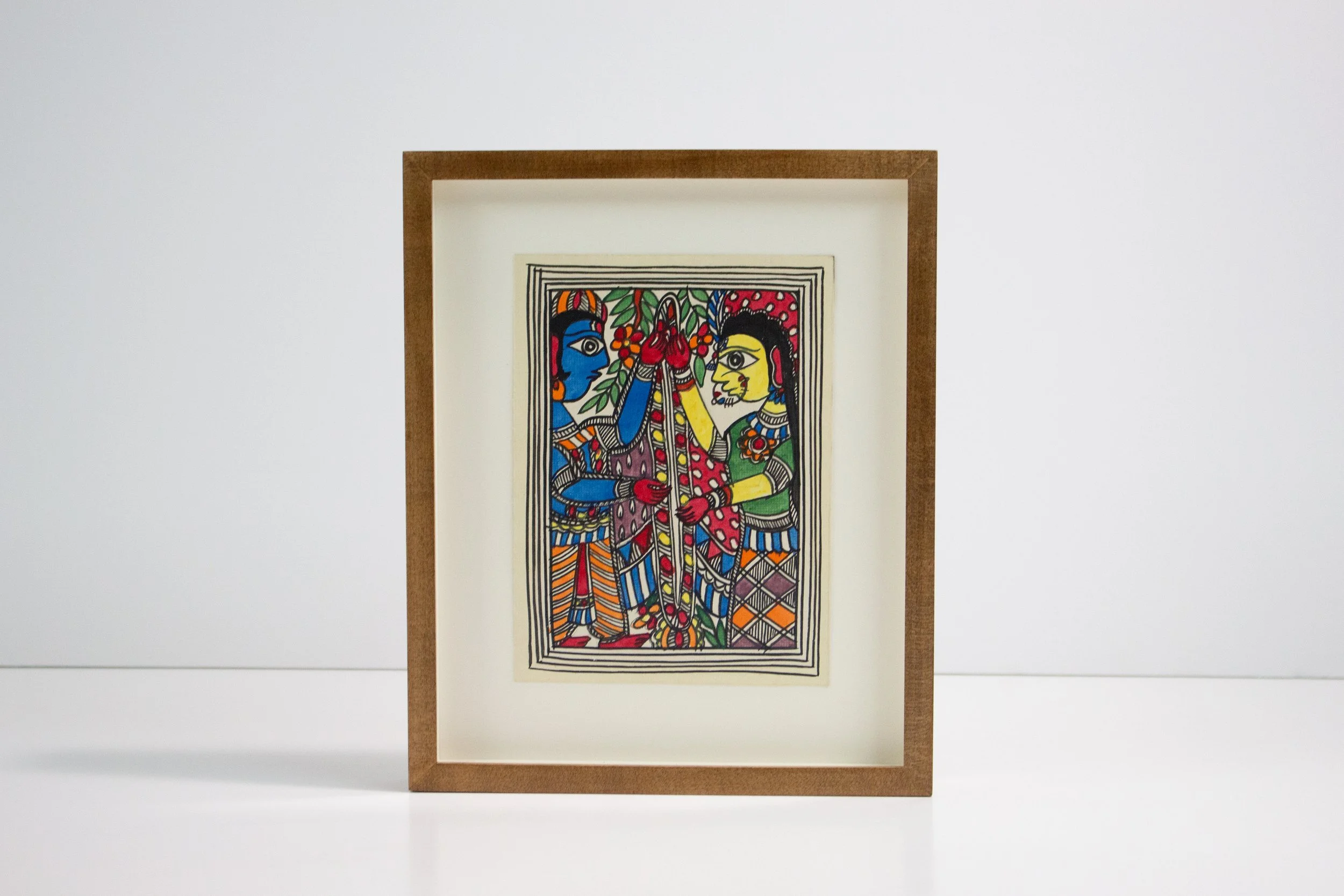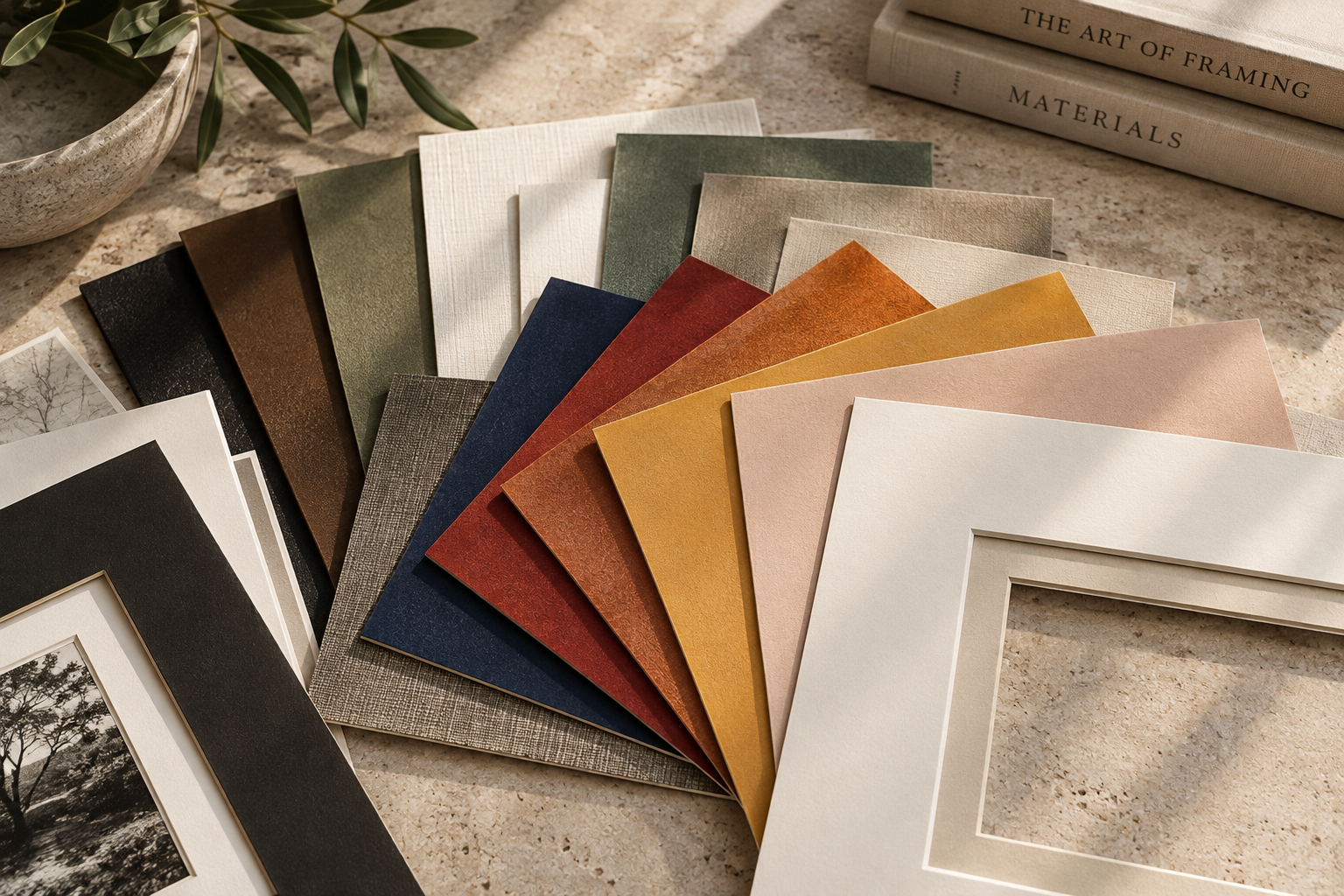
To Mat or Not Mat?
When choosing a custom frame, one of the first design questions is often surprisingly simple: Should the artwork have a mat?
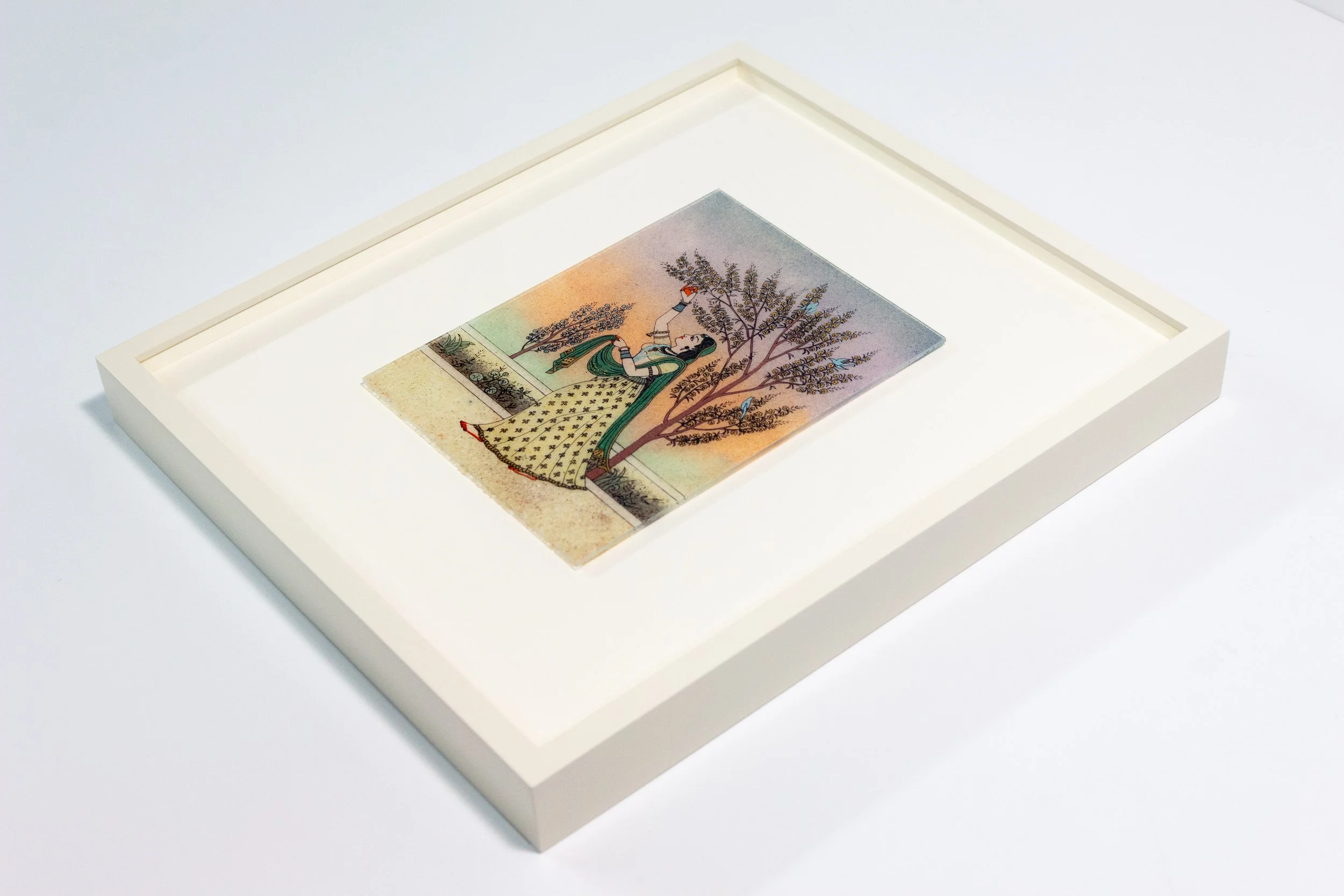
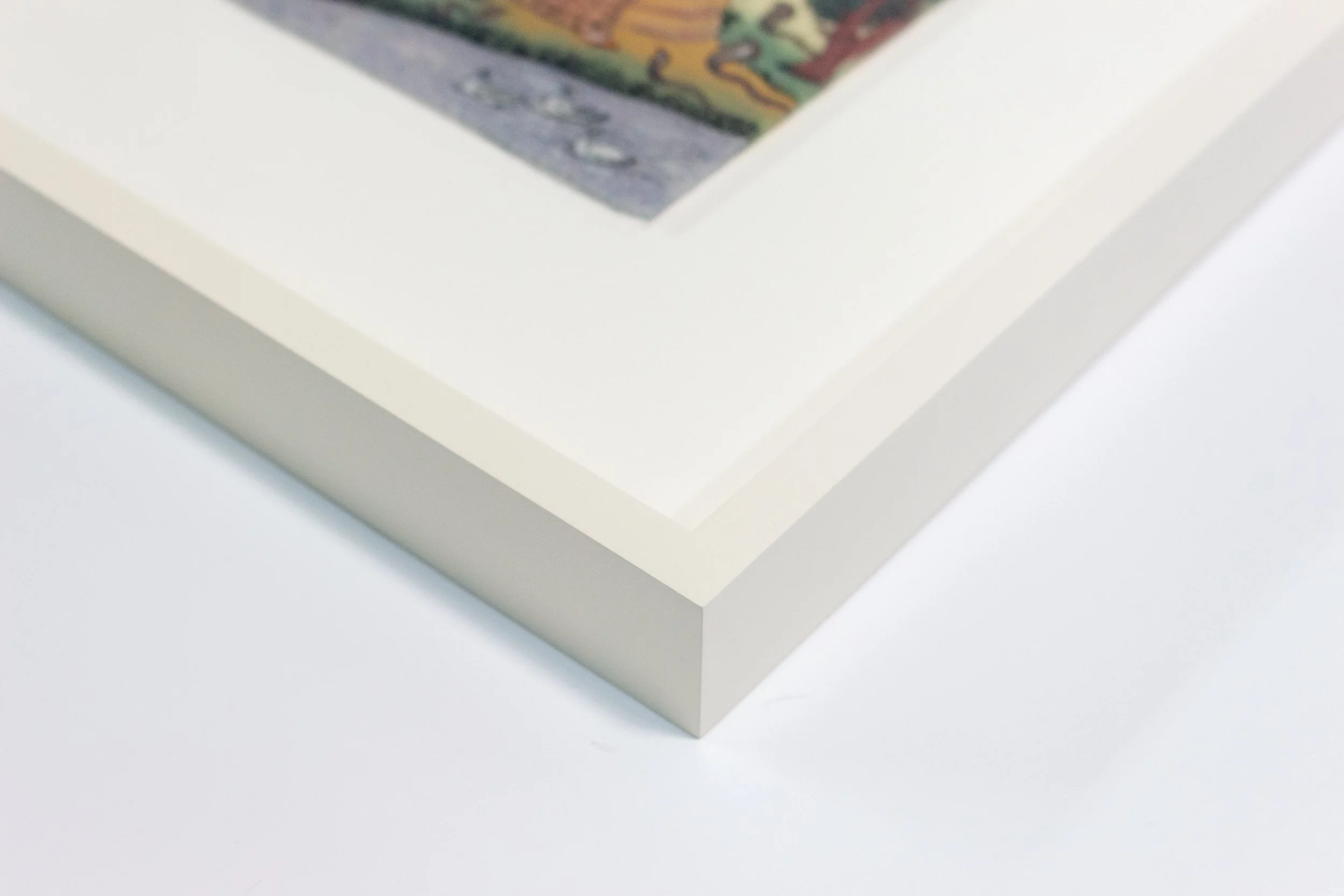
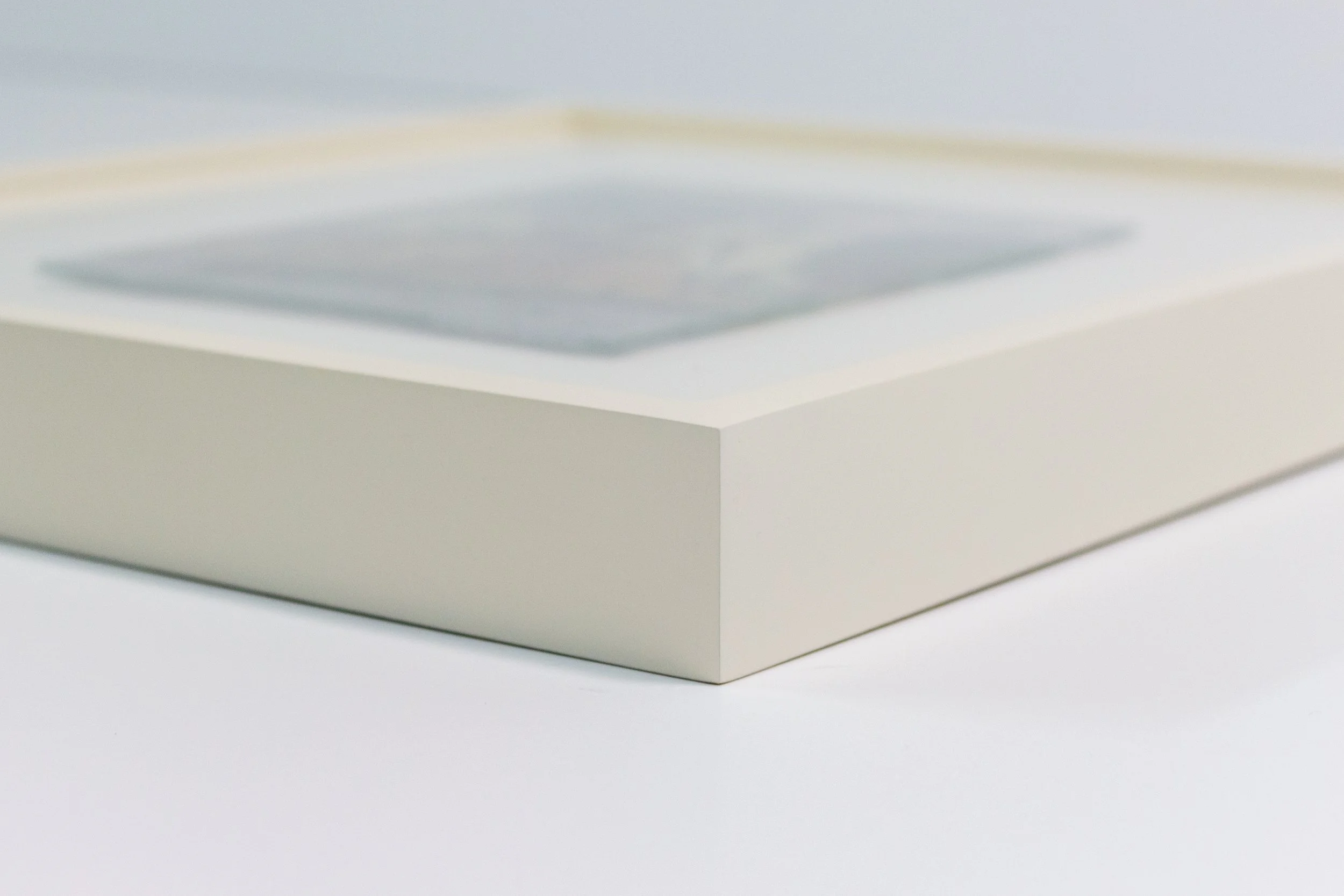
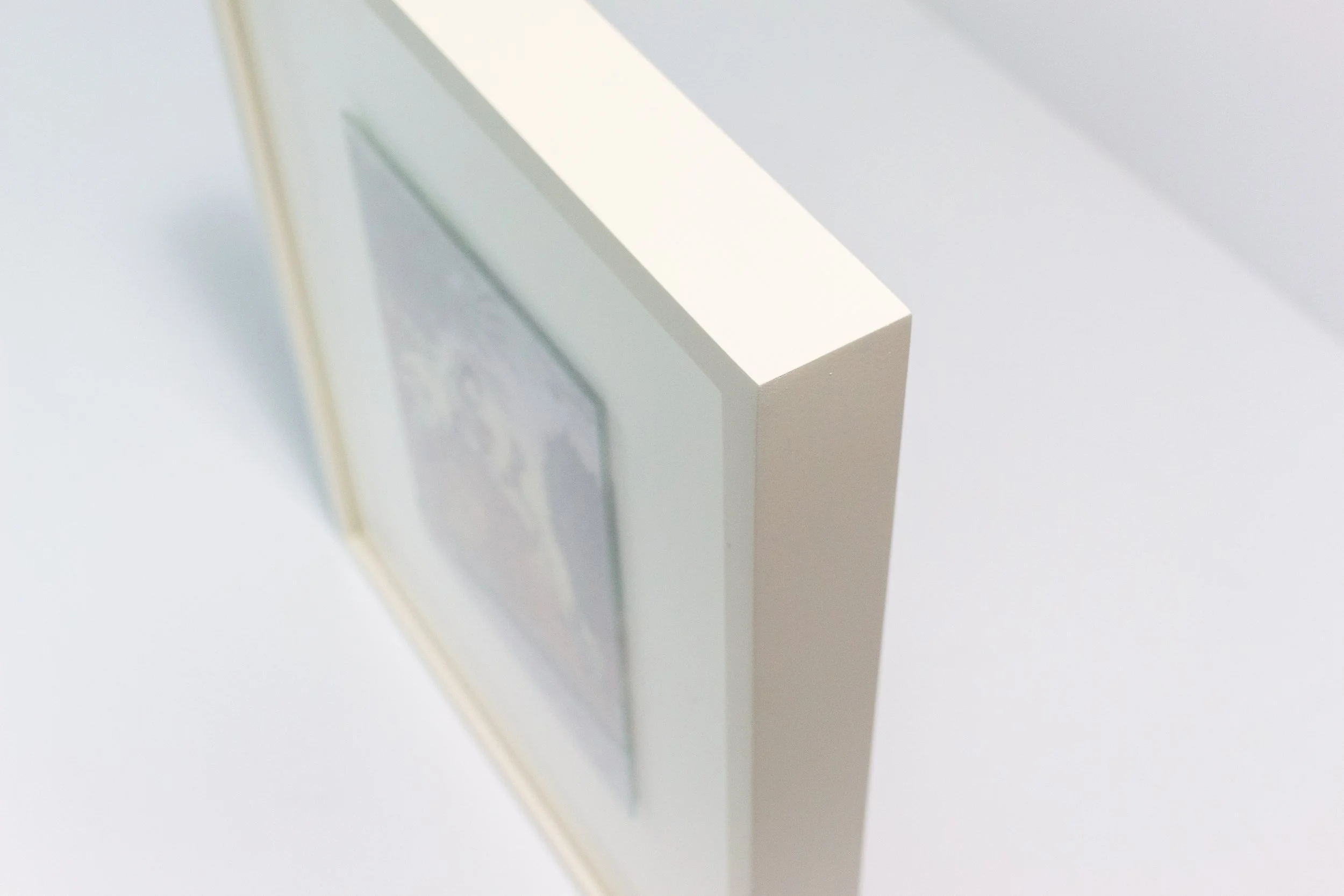
A mat can create breathing room around an artwork, give a smaller piece greater presence, introduce color or texture, and help separate certain works from the glazing. But not every piece benefits from one—and when a mat is appropriate, there are many more possibilities than the familiar white border surrounding a photograph.
At Harlem Frames, we work with conservation mat boards, museum boards, and specialty mat boards, allowing the matting to respond to both the visual character of the artwork and its preservation needs.
So, when should you mat an artwork, when should you skip it, and what kind of mat should you choose?
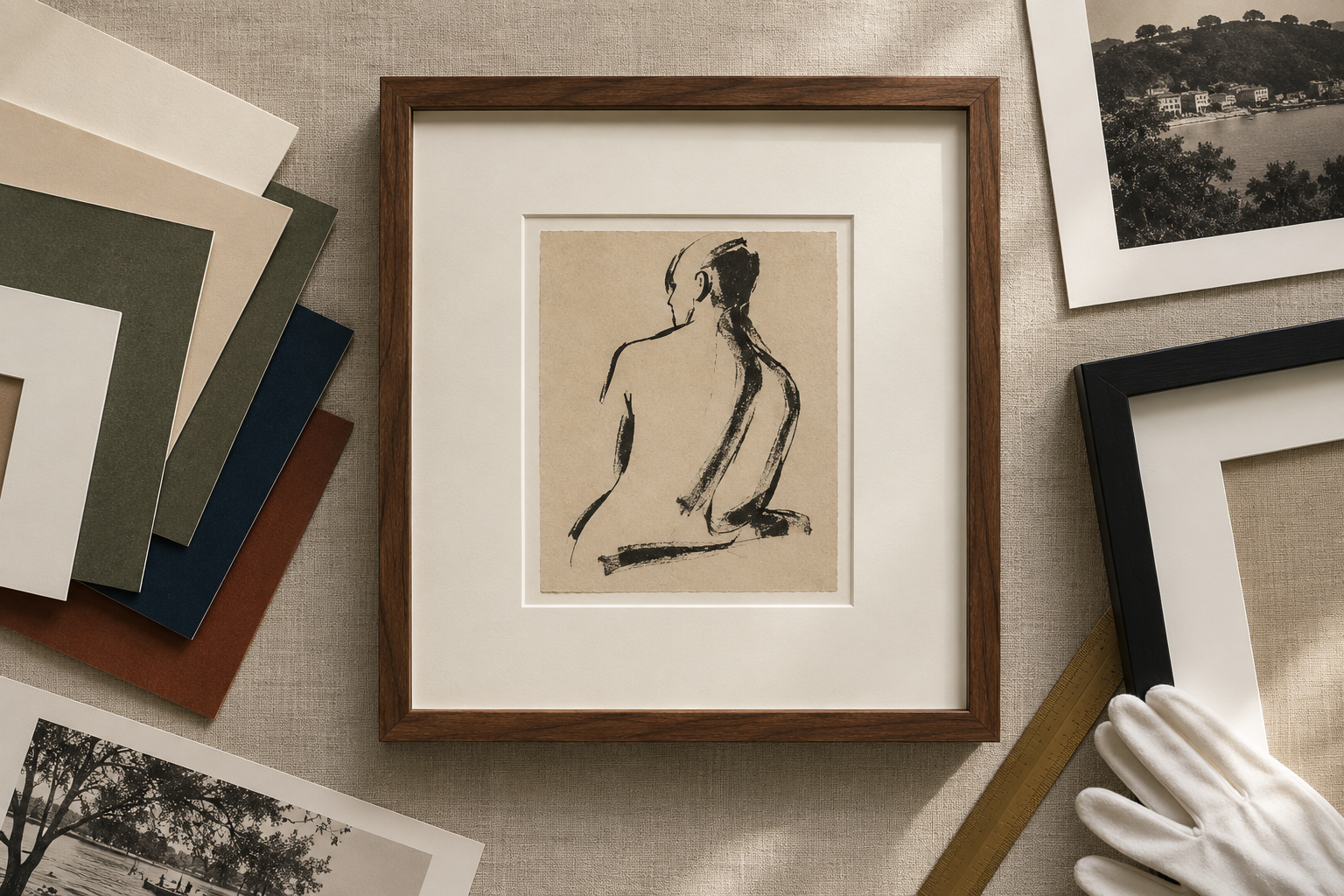
What Does a Mat Actually Do?
A mat is the border placed between an artwork and its surrounding frame.
Its most obvious role is visual. Matting creates negative space around an image, establishing a transition between the artwork and the frame. Depending on its proportion, color, and material, that space can make a presentation feel quiet and restrained—or become an expressive part of the framing design itself.
For many works on paper, matting can also serve a practical purpose by helping create separation between the artwork and the glazing. The mat therefore shouldn't be considered an afterthought. Its material, proportions, color, surface, and relationship to the artwork all contribute to the finished frame.
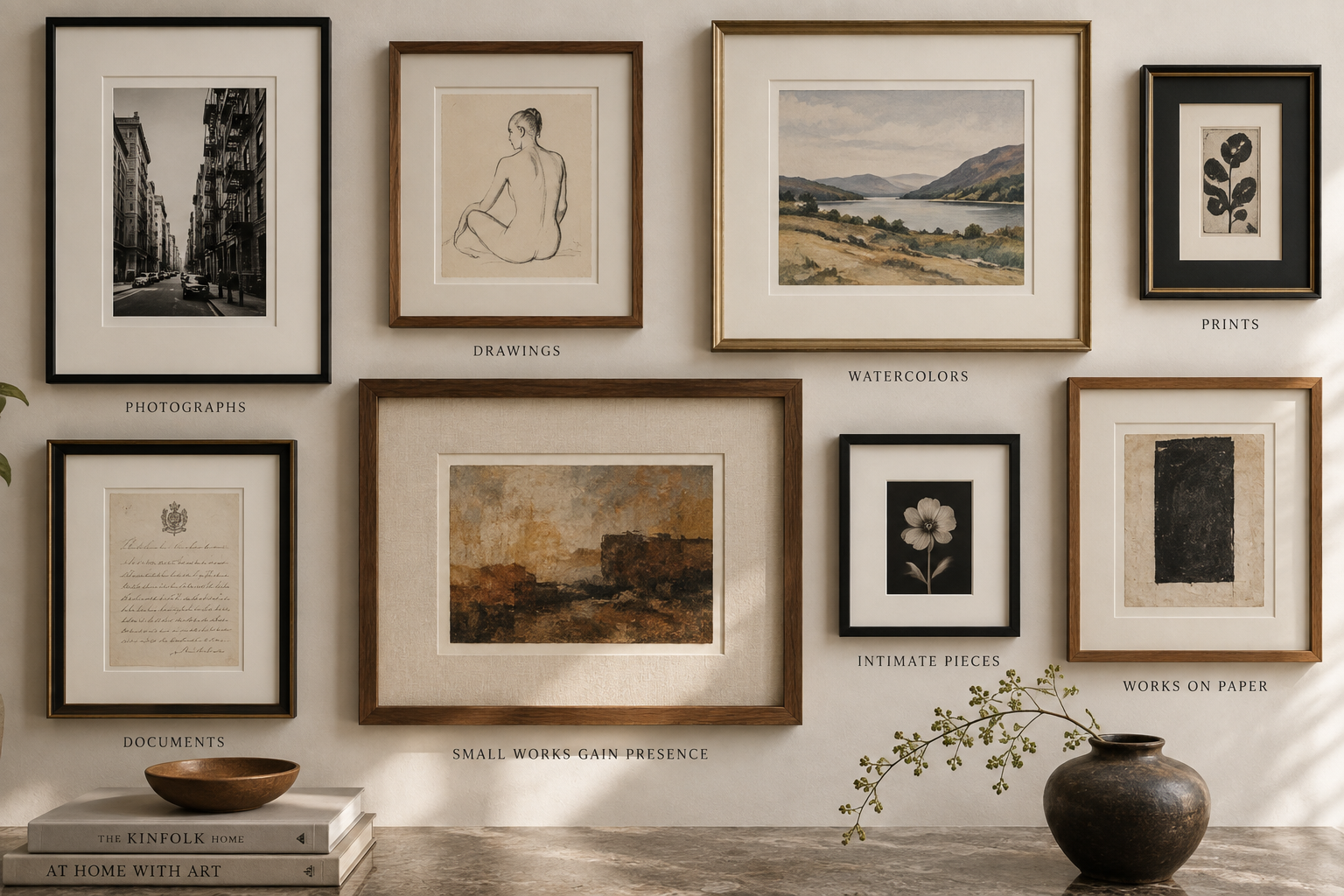
When Does an Artwork Benefit From a Mat?
Matting is particularly common for photographs, prints, drawings, watercolors, works on paper, documents, and other relatively flat pieces.
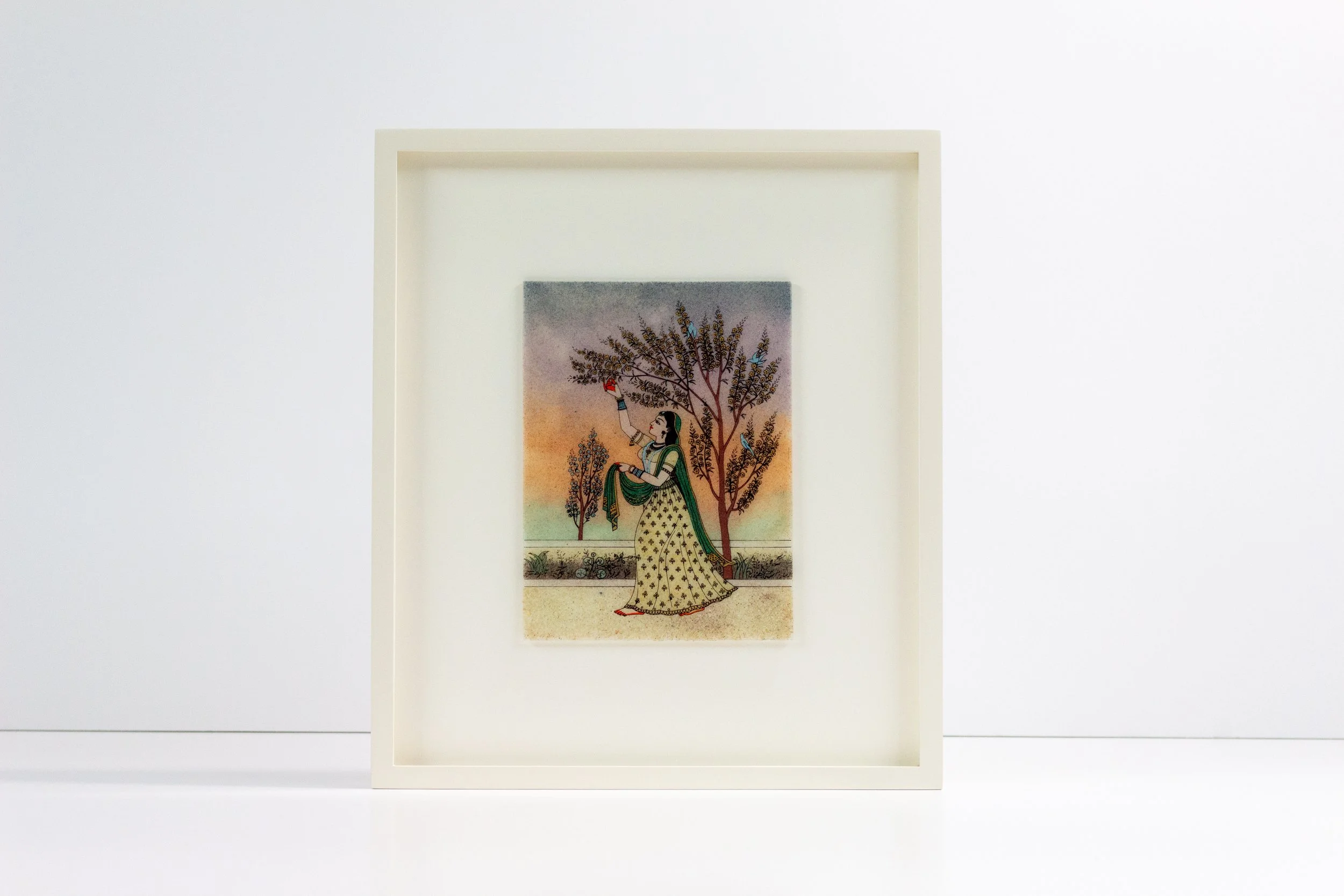
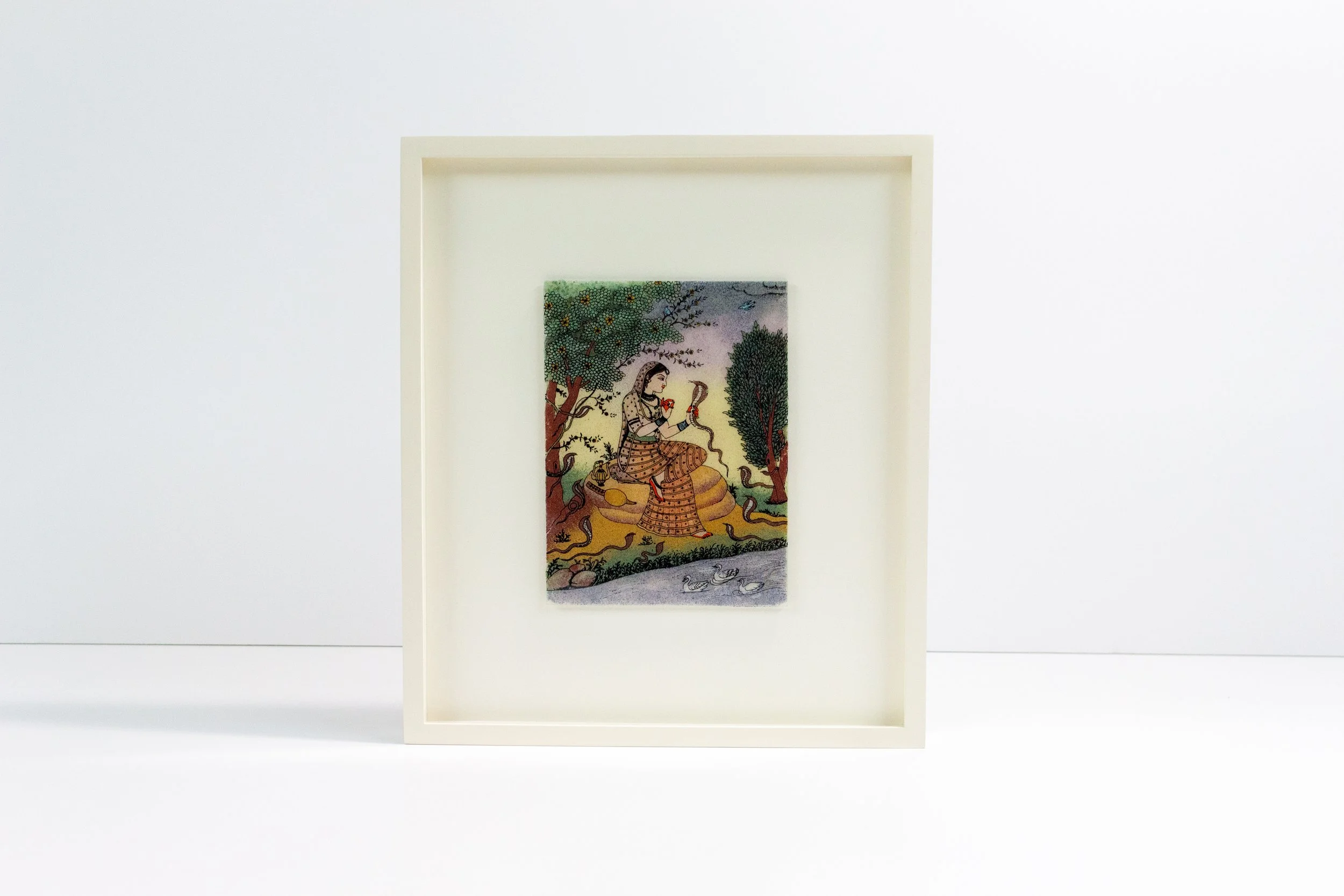
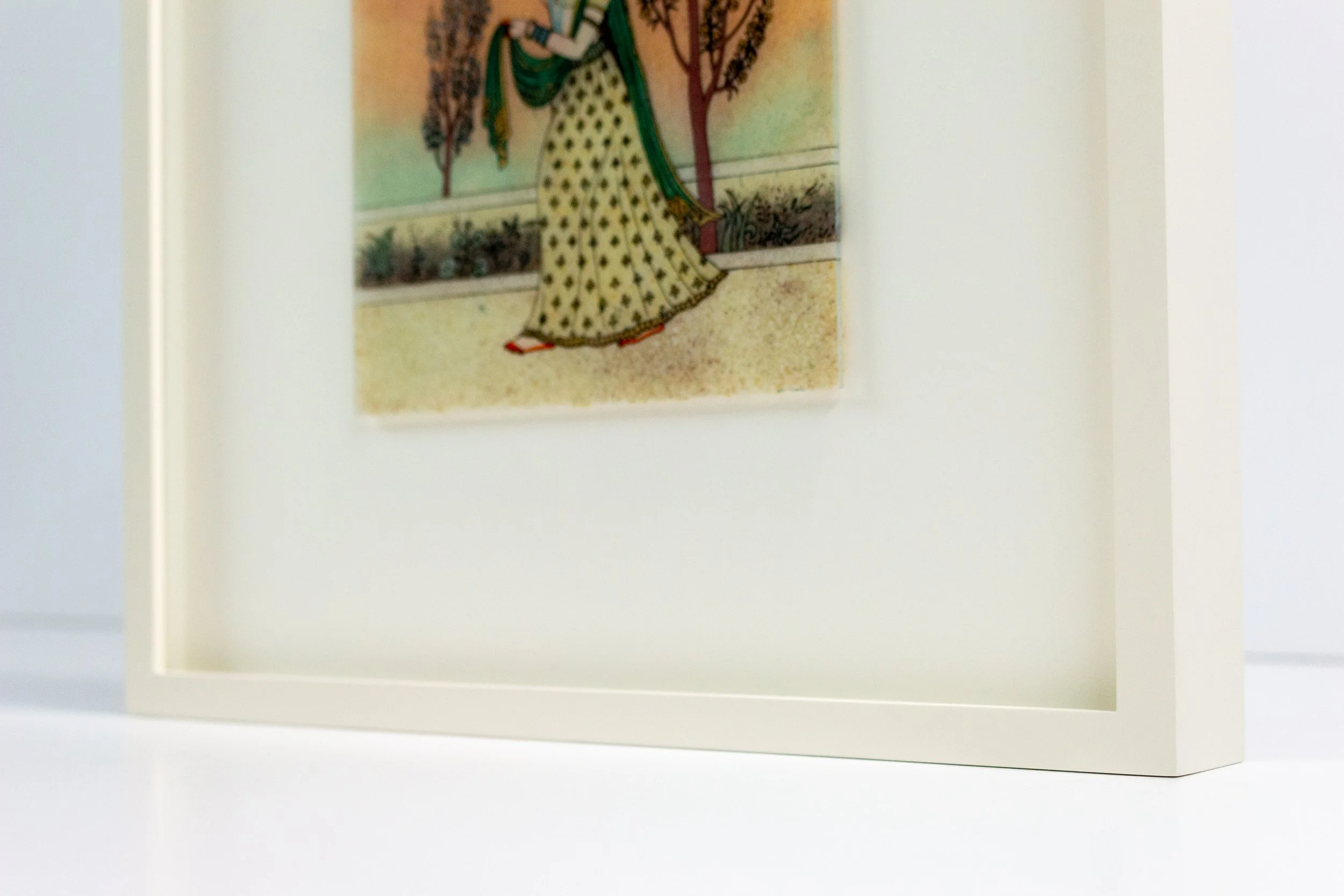
It can be especially effective when the artwork needs visual breathing room. A small drawing placed immediately against a substantial frame, for example, may feel overwhelmed. Surrounding it with a carefully proportioned mat gives the eye space to transition from the frame to the artwork and can give an intimate piece considerably more presence.
Larger works can benefit from matting as well. The important consideration isn't simply size, but balance.
Conservation Mat Boards
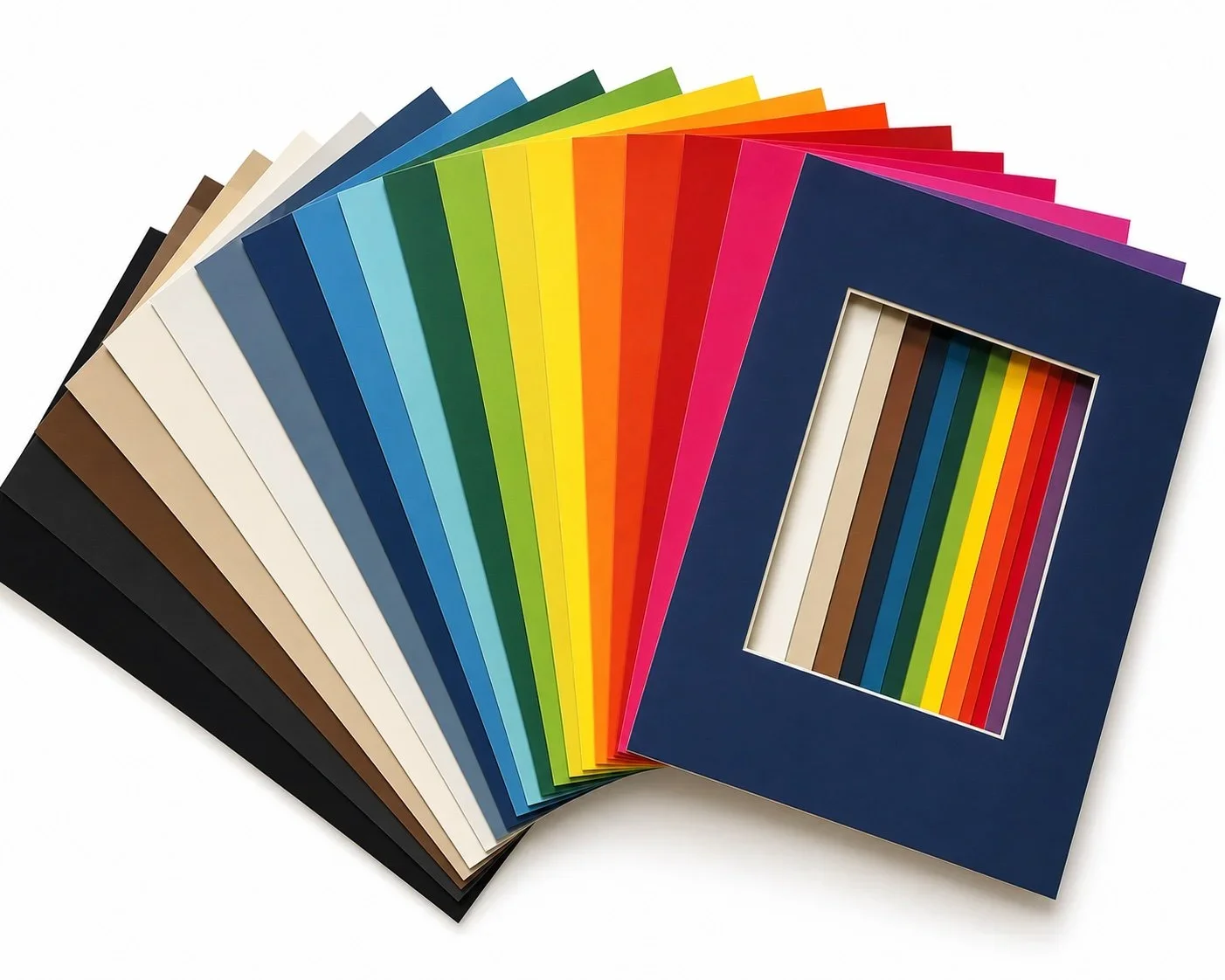
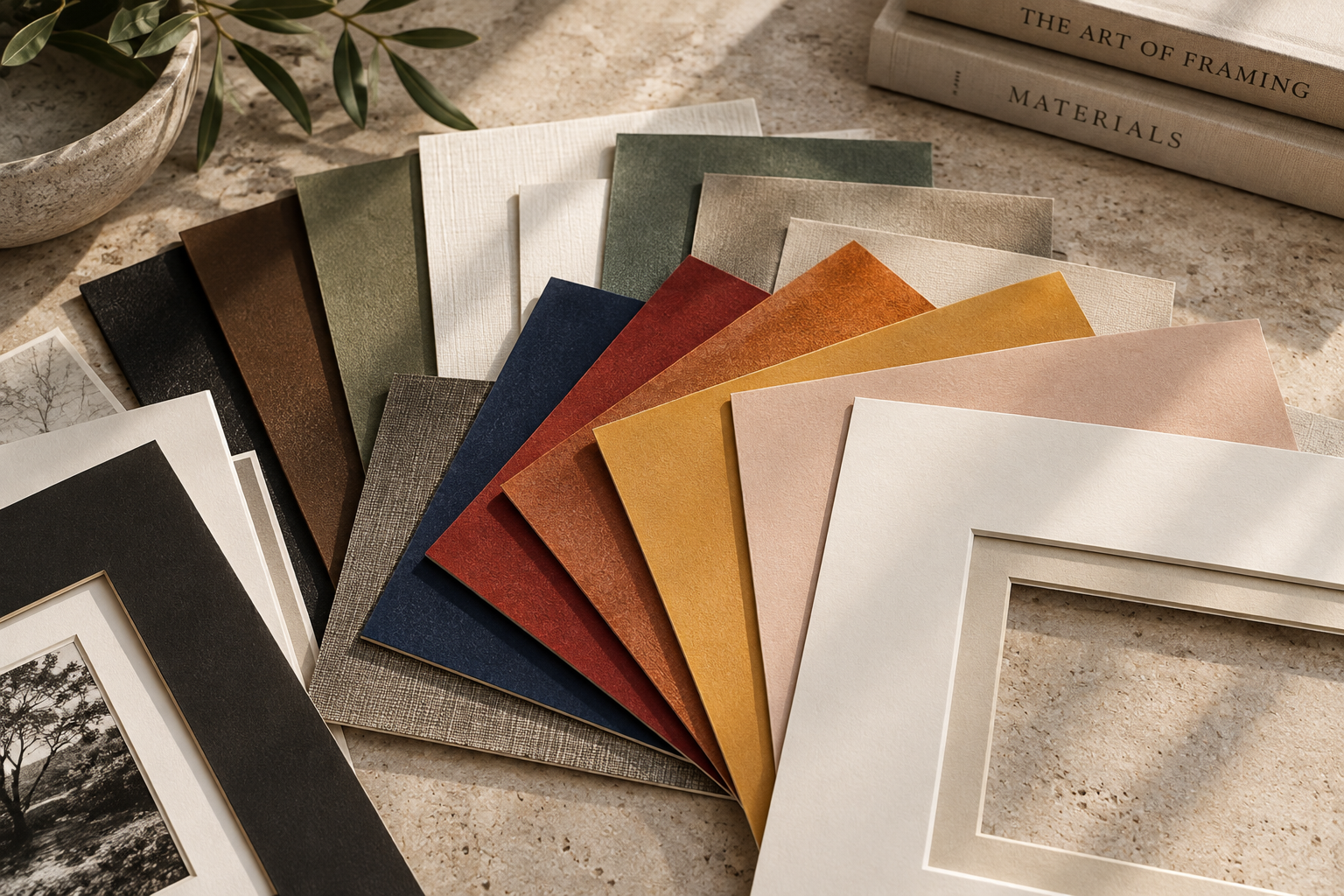
For many framing projects, Harlem Frames offers conservation-quality alpha-cellulose mat boards in an extensive range of contemporary colors, cores, and thicknesses. This means conservation-minded framing doesn't have to limit the design to white or cream.
A neutral mat can create a subtle transition around an artwork, while blues, greens, reds, yellows, and other colors can establish an entirely different relationship between the image and frame. The range of colors also allows the framer to respond to subtle elements within the artwork without simply matching its most obvious color.
And because different cores and thicknesses are available, even the beveled edge visible around the mat opening can become part of the finished presentation.
Museum Boards
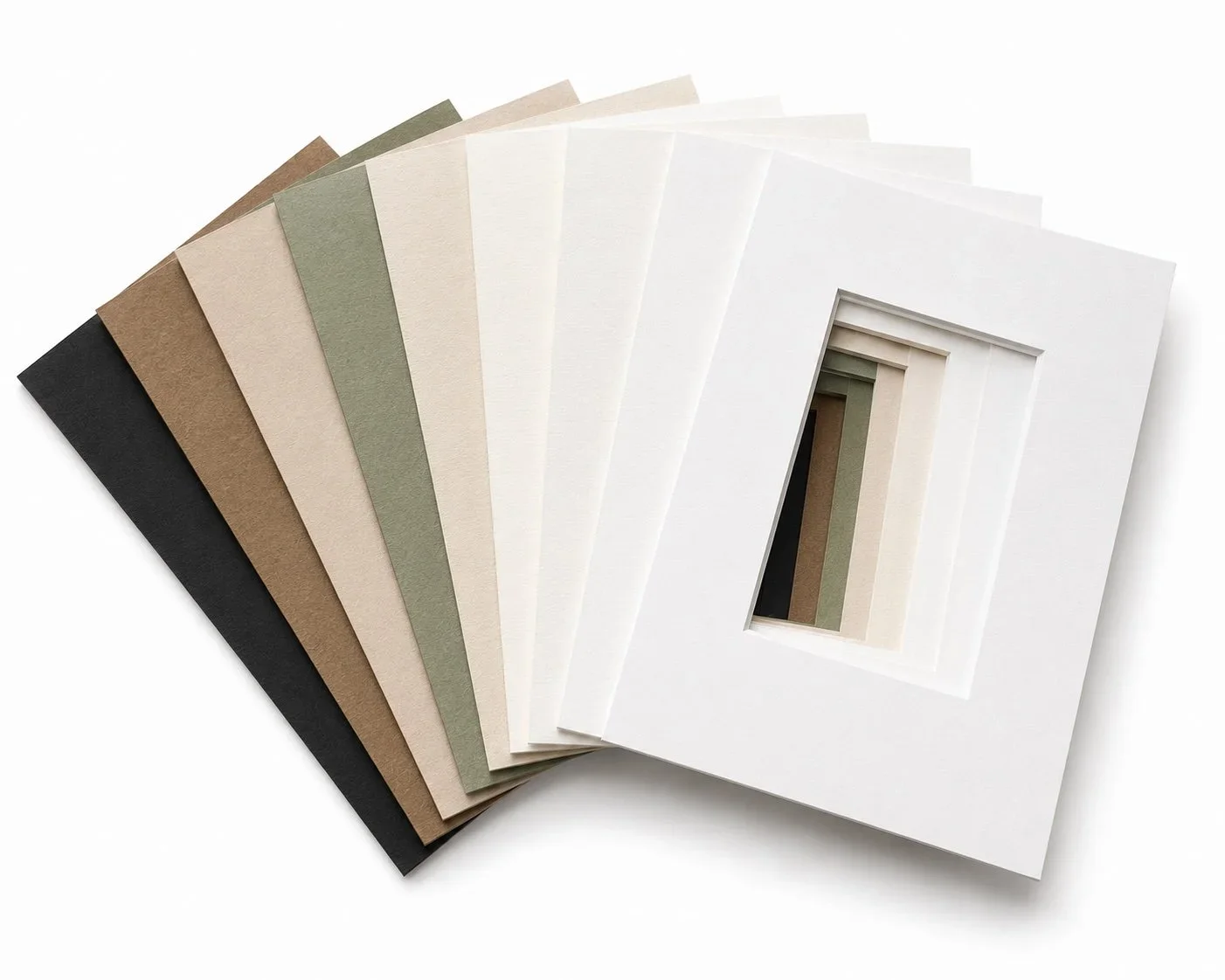
For projects where preservation is a particularly important consideration, museum-quality mat board provides another option. The museum boards available through Harlem Frames are made from 100% virgin cotton with a solid core throughout and are available in buffered as well as selected unbuffered options.
These boards tend to have a quieter, more restrained palette than the extensive range available in conservation mat boards—and that's often appropriate. For original works on paper, historic material, photographs, valuable prints, or other sensitive pieces, the material surrounding the artwork can be just as important as the visible design.
Whether buffered or unbuffered material is appropriate depends on the artwork itself. This is one reason conservation framing should be considered according to the individual object rather than approached with a single formula.
Specialty Mat Boards
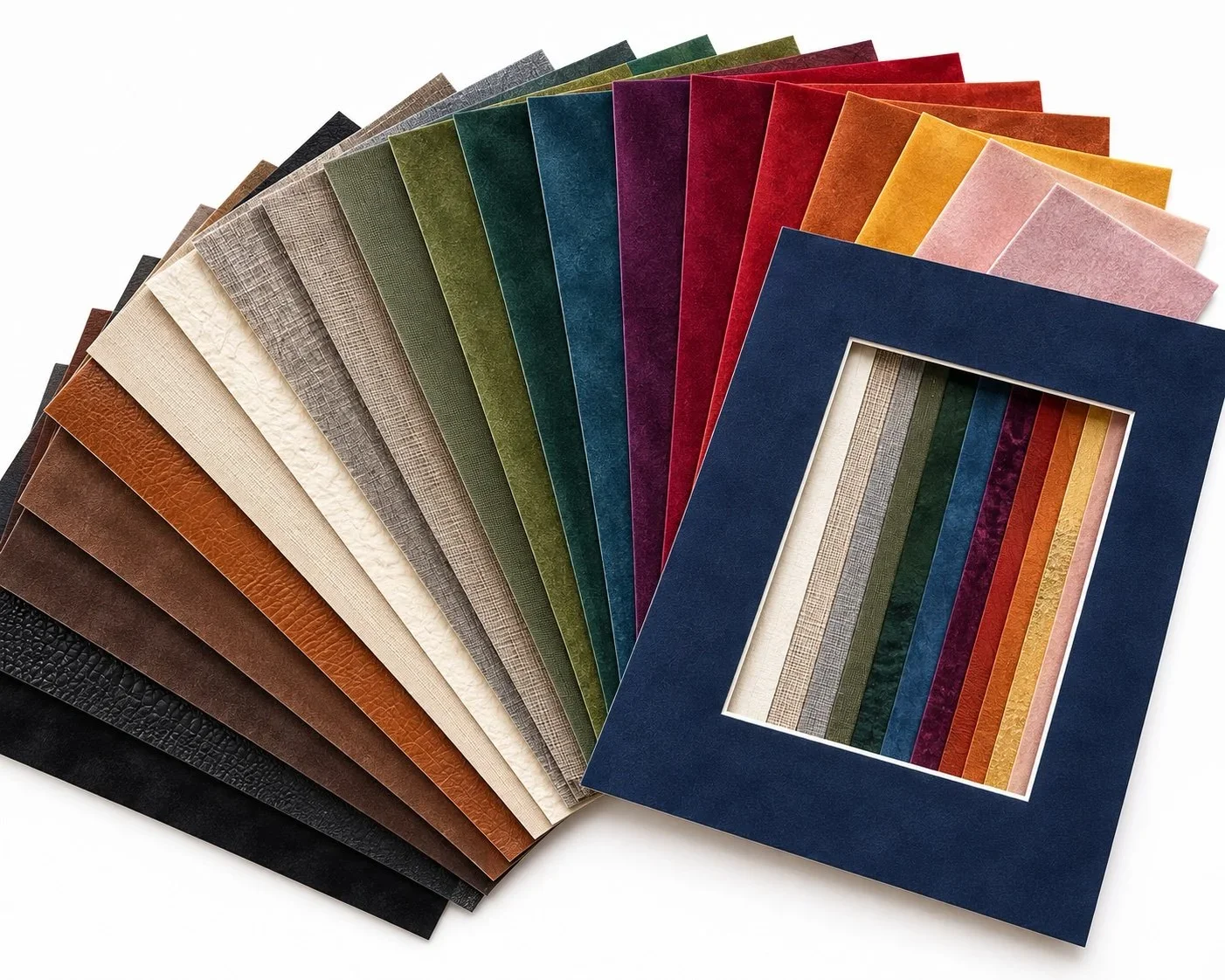
Matting can also become a much more expressive design element. Harlem Frames offers specialty conservation-quality mat boards distinguished by rich colors, refined textures, and premium surfaces. These can introduce a tactile quality that a traditional smooth mat doesn't provide.
Textured neutrals can create warmth around an artwork, while deep greens, blues, burgundies, ochres, and other saturated surfaces can make the mat a deliberate part of the composition. Depending on the artwork, specialty finishes can also establish an interesting dialogue with textiles, photography, decorative works, or pieces with strong material qualities of their own.
The goal isn't to make the mat compete with the artwork. It's to find a surface that adds something meaningful to its presentation.
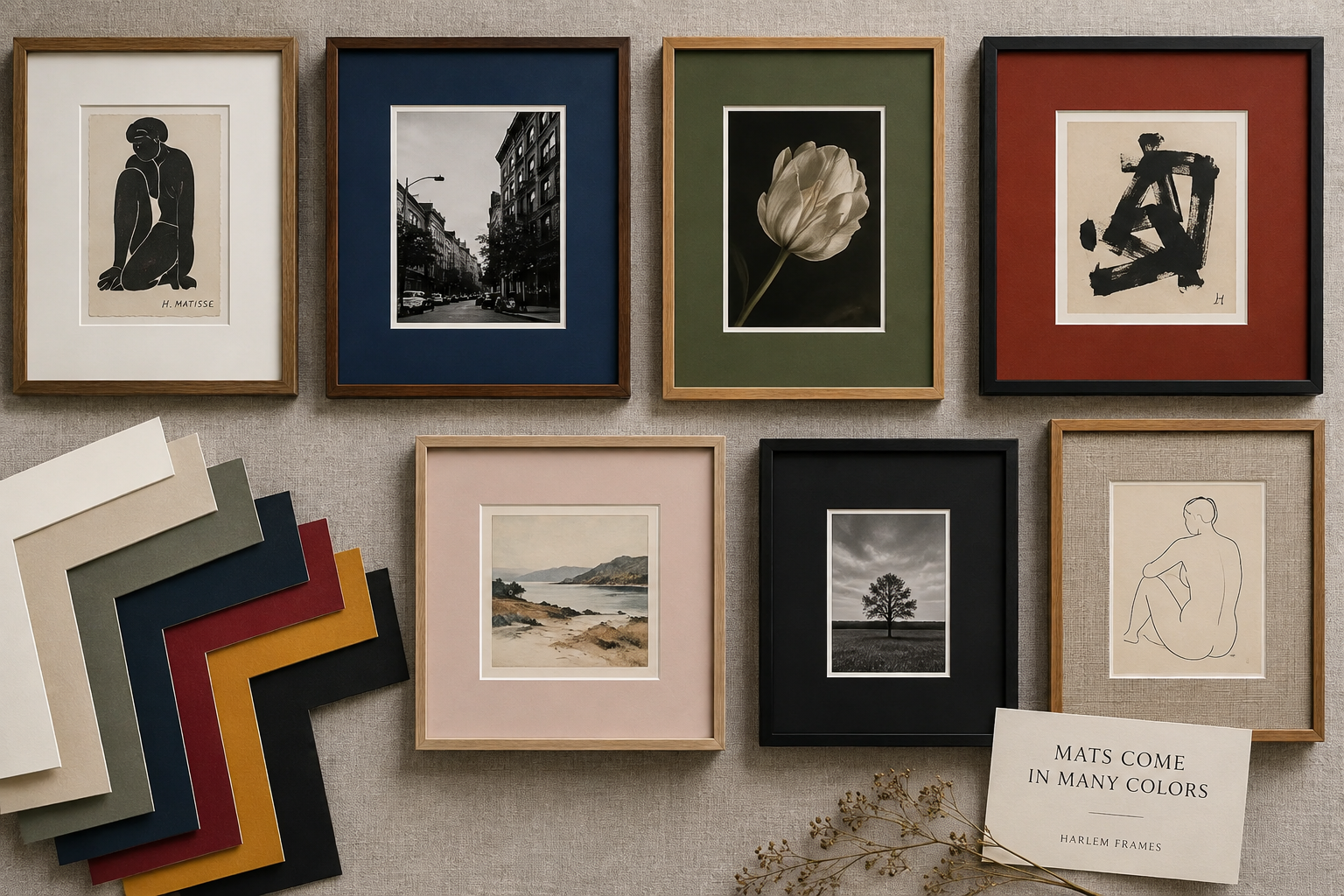
Does a Mat Have to Be White?
Not at all.
White and off-white remain popular because they're versatile and allow the artwork to command attention, but they're only a small part of what is possible. Even among neutrals, subtle differences matter. A bright white can feel crisp and contemporary, while warmer whites, creams, taupes, and natural tones can soften the transition between artwork and frame.
Color can be equally sophisticated when used thoughtfully. Instead of asking, “Which color matches the artwork?” consider:
Which color changes the way I experience the artwork?
Sometimes the right answer is white. Sometimes it's charcoal, deep blue, warm linen, or an unexpected color pulled from a minor detail within the piece.
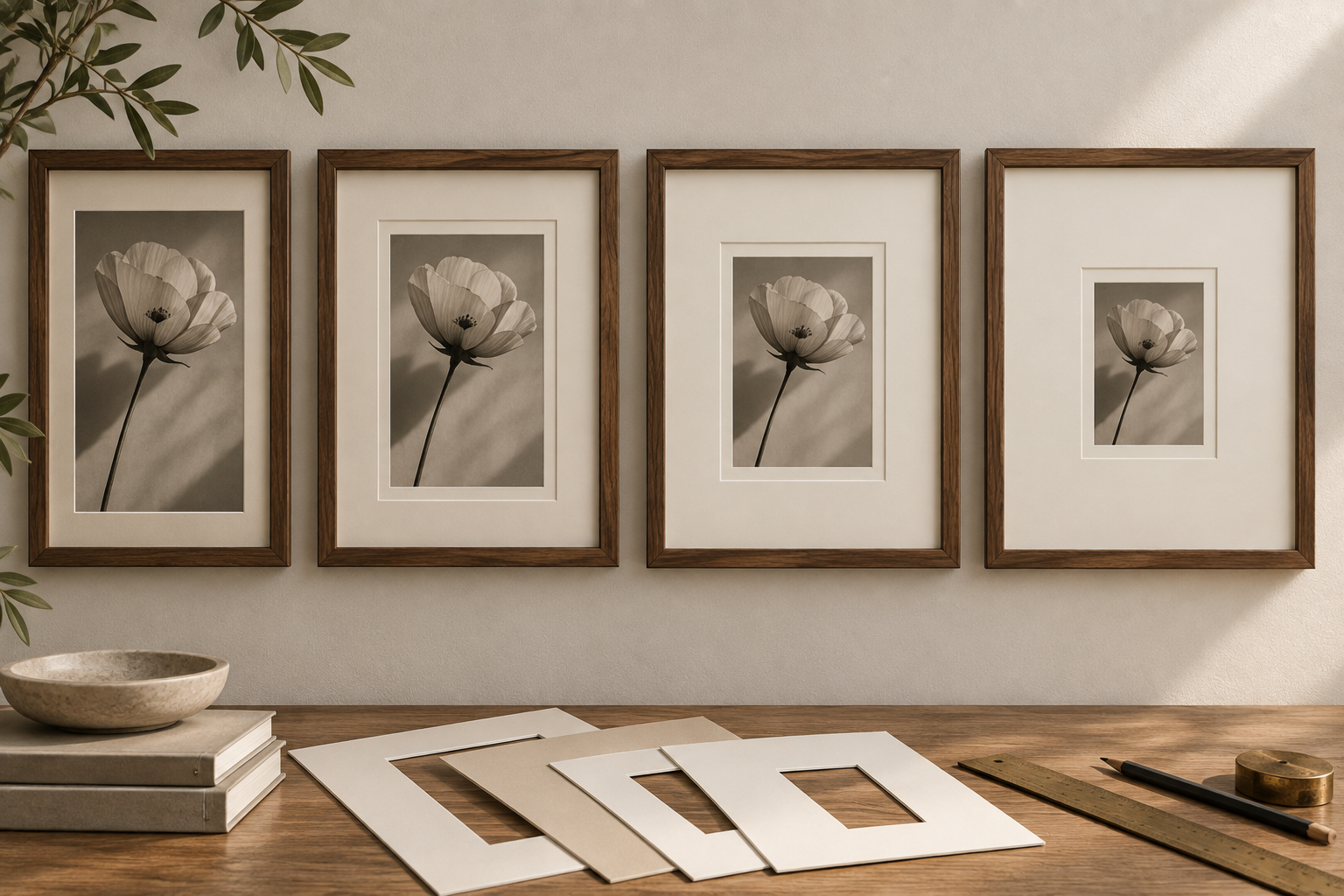
How Wide Should the Mat Be?
There isn't a standard width that's correct for every artwork. The size of the piece, dimensions of the frame, scale of the finished presentation, and visual weight of both the artwork and moulding should all be considered.
A narrow mat creates a tighter relationship between artwork and frame. A generous mat can make the presentation feel more spacious and gallery-like. Small artworks can sometimes look particularly beautiful with unexpectedly generous matting, giving an intimate piece considerably more presence on a wall.
The goal is proportion—not following an arbitrary measurement.
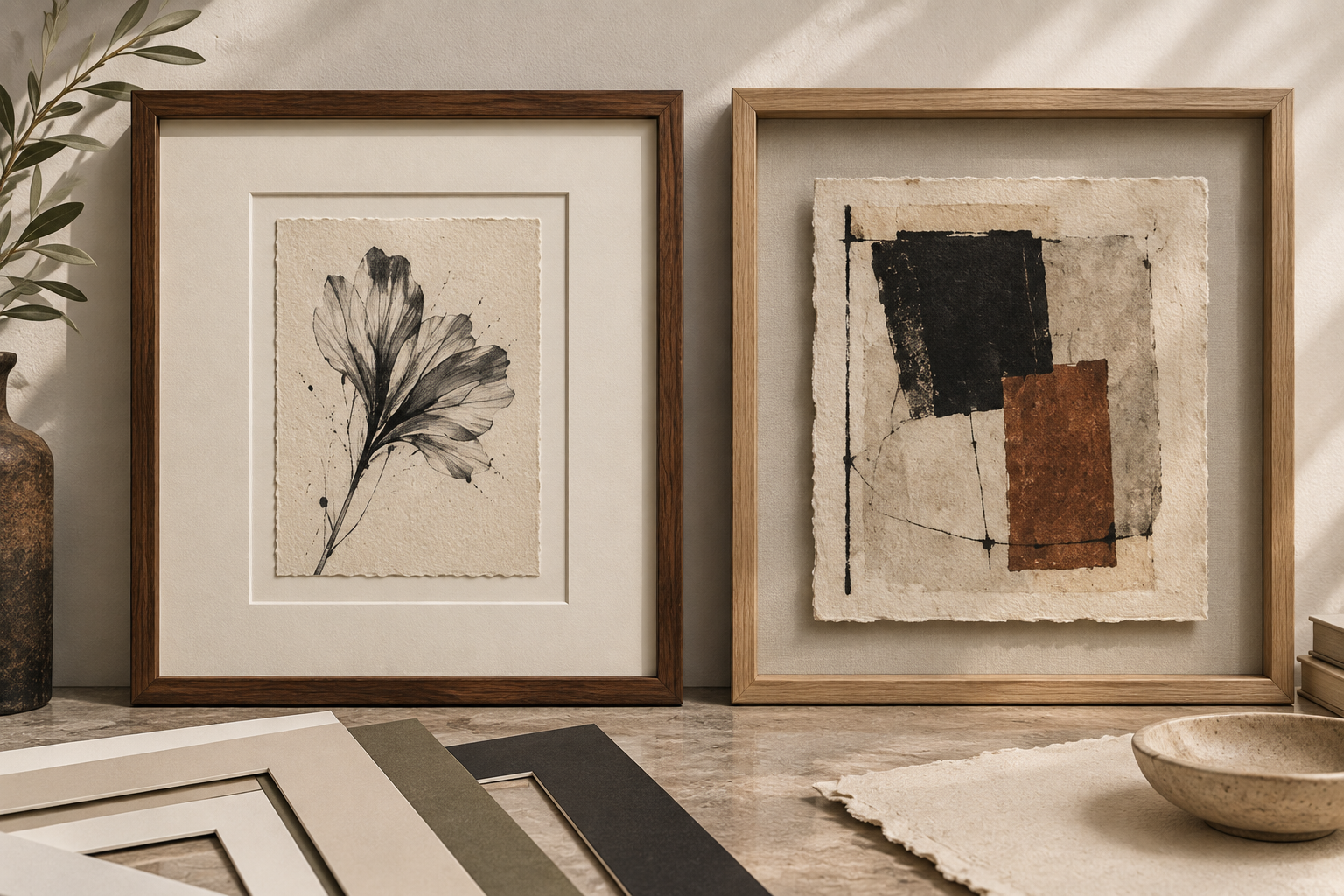
What About Float Mounting?
Matting doesn't necessarily mean cutting a window that overlaps the edges of an artwork.
With a float-mounted presentation, the artwork can be positioned so its edges remain visible against the surrounding mat board. This can be especially effective for handmade paper, deckled edges, prints, drawings, and other works where the physical characteristics of the paper are part of the artwork itself.
Instead of concealing those details beneath the mat opening, floating makes them visible. The surrounding mat still provides visual space, but the result can feel distinctly more contemporary.
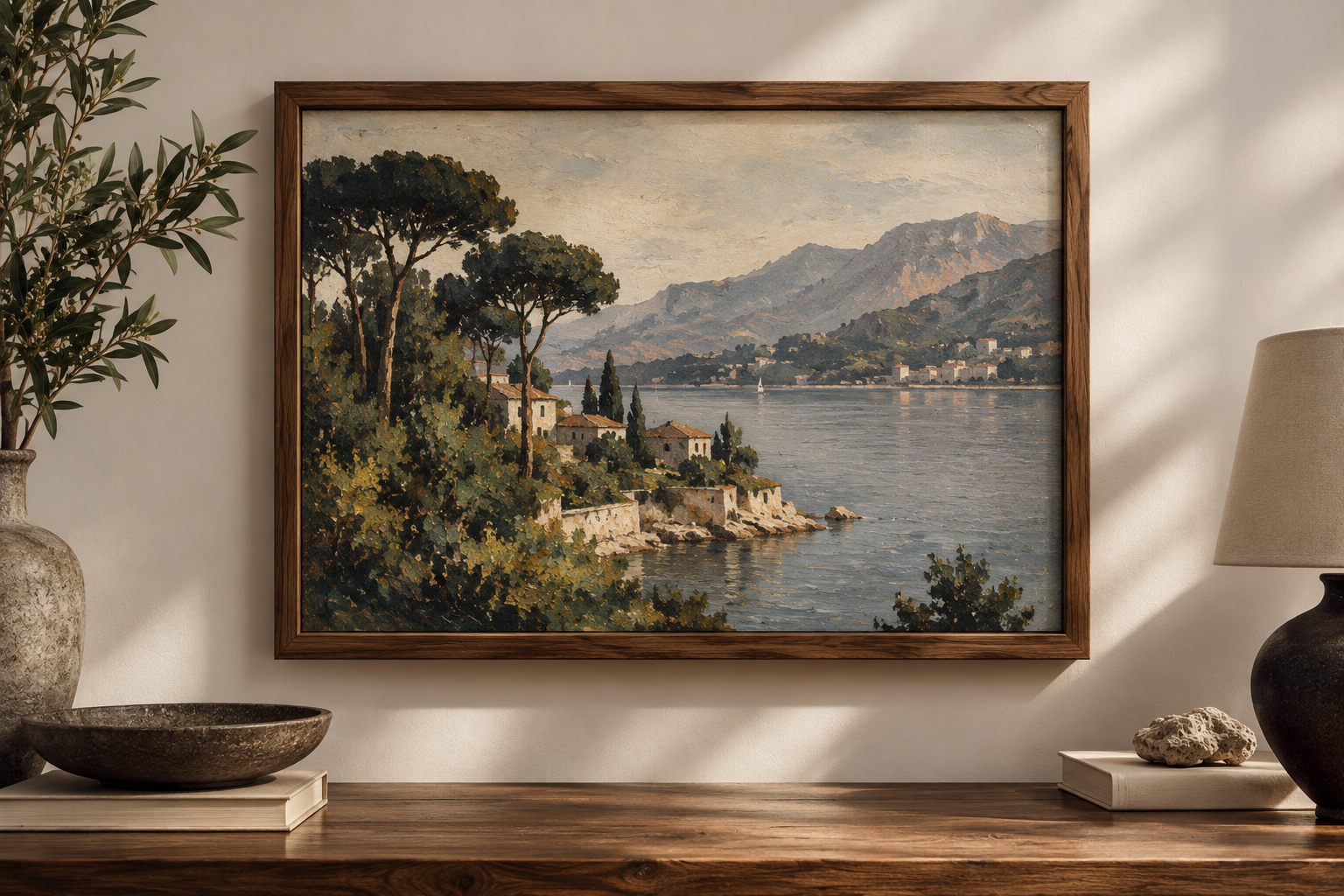
When Should You Skip the Mat?
Some artwork simply looks stronger without one.
Canvases, large posters, certain photographs, contemporary prints, and dimensional works may call for entirely different framing approaches. Canvas paintings, for example, can be presented in float frames, where a narrow space between the canvas and frame creates separation without using a traditional mat.
Other glazed works can use spacers to maintain physical separation between the artwork and glazing while keeping the mat visually absent. Choosing not to use a mat doesn't mean preservation or design has been ignored. It simply means another framing solution is better suited to the artwork.
Matting Is Also a Conservation Decision
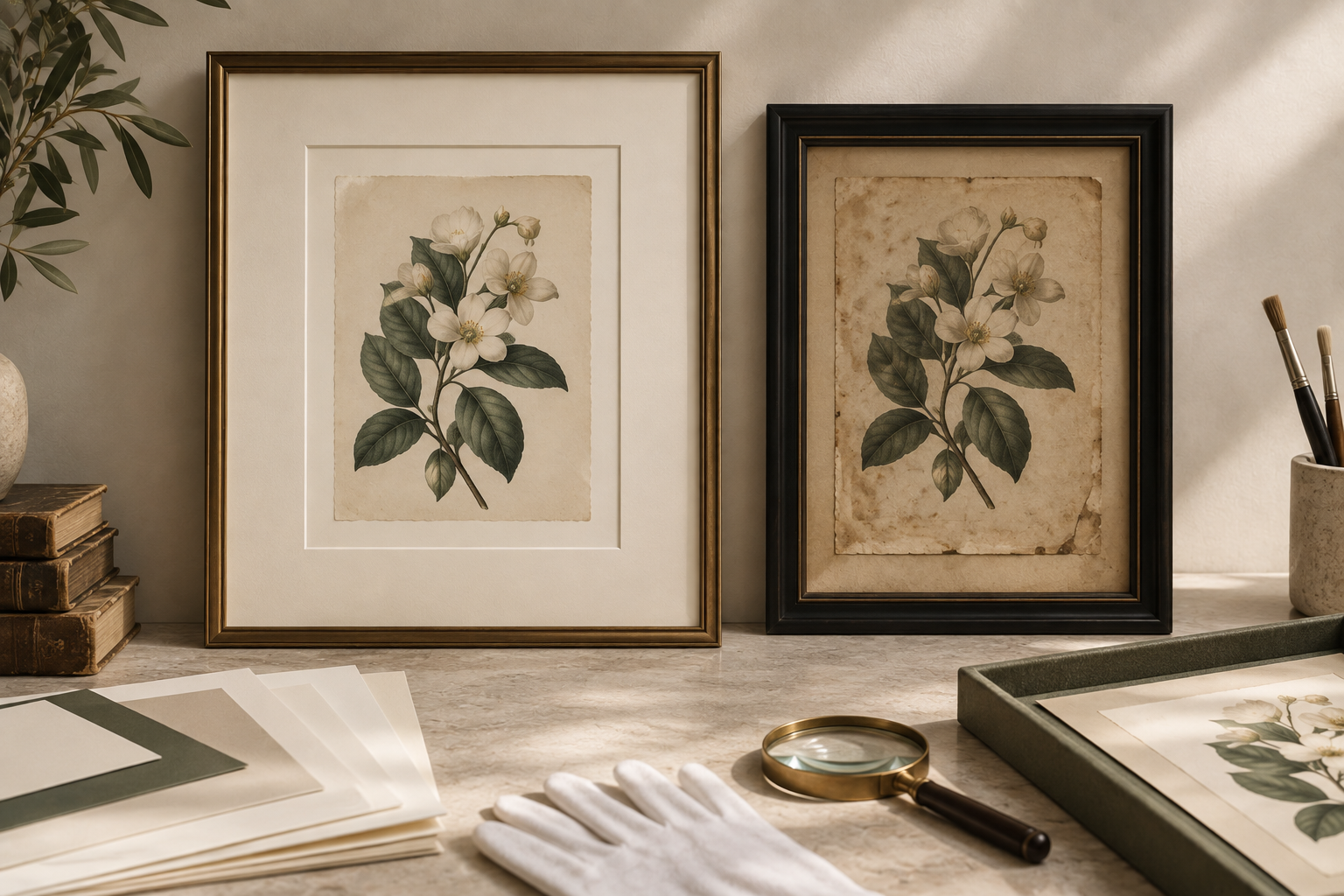
When framing an original, valuable, sentimental, or irreplaceable artwork, what you can't see can be just as important as what you can. Materials immediately surrounding an artwork can influence its long-term condition. This is why conservation-quality and museum-quality boards are available alongside purely aesthetic considerations such as color and texture. The artwork's medium, age, condition, and sensitivity should help determine which materials are appropriate.
Good framing should consider both questions:
How should this artwork look today?
and
How should it be protected for the future?
So, To Mat or Not to Mat?
There isn't one answer.
A mat can give an artwork room to breathe, establish proportion, introduce color or texture, create separation from glazing, and become an important element of the overall framing design. Another piece may look strongest with no visible mat whatsoever. And if matting is appropriate, the next question becomes what kind.
At Harlem Frames, customers can explore conservation mat boards in an extensive range of colors, cores, and thicknesses; 100% virgin cotton museum boards; and conservation-quality specialty boards with richer colors, textures, and premium surfaces.
The decision ultimately begins with the artwork.
Bring your piece to Harlem Frames and compare mat colors, materials, textures, proportions, and framing combinations in person. Together, we can find the presentation that feels right for the work—and appropriate for its long-term care.
Museum Glass, Acrylic & Conservation Glazing: What’s the Difference?
Naturally, when choosing a custom frame, an ample amount of attention gravitates towards the frame itself. As audiences, we tend to look admiringly at the wood, finish, profile, matting, and ultimate presentation of the work. But what transparently contains the artwork, serving as that essential barrier between it and the audience, is even more crucial to it’s longevity.
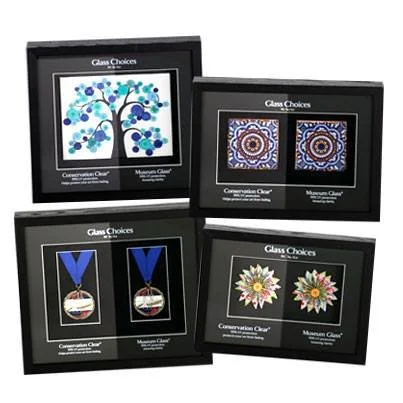
Glazing is the glass material placed between an artwork and the environment around it. Depending on the type selected, glazing can effectively address concerns such as UV exposure, reflections, abrasion, static, and the long-term preservation of an artwork, protecting it from damages, extending its lifespan.
At Harlem Frames, glazing isn't treated as a one-size-fits-all decision. We work with a range of Tru Vue glass and acrylic glazing options, which allows us to select the material in accordance with both the artwork and the client’s needs. Equally important, we consider the size of the work, the rooms it will be displayed in, and what level of protection the work will require as a result of these various factors.
Glass or Acrylic?
One of the first decisions is whether a project is better suited to glass or acrylic.
Traditional glass offers the familiar rigidity and feel many people associate with framed artwork. Specialized glazing can serve considerably further, however, by incorporating anti-reflective and protective technologies built into the glass itself.
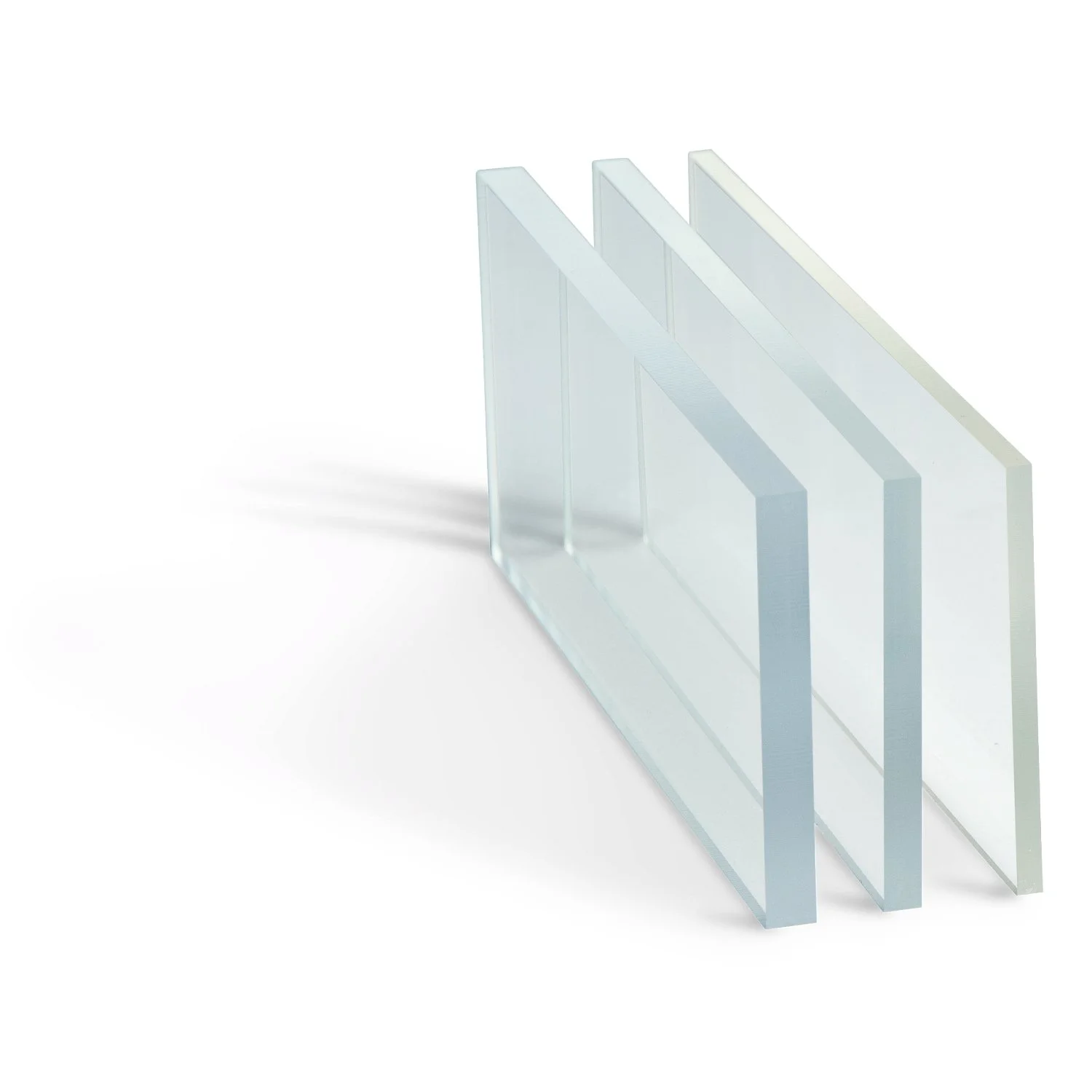
Acrylic, though very similar visually to glass, is made of a transparent plastic material, is significantly lighter than glass, and is also available in conservation- and museum-grade options. Acrylic can be particularly useful for large-scale framing, valuable works, works that will travel, or installations where weight and breakage are high-risk concerns.
The best choice, as always, depends on the individual project.
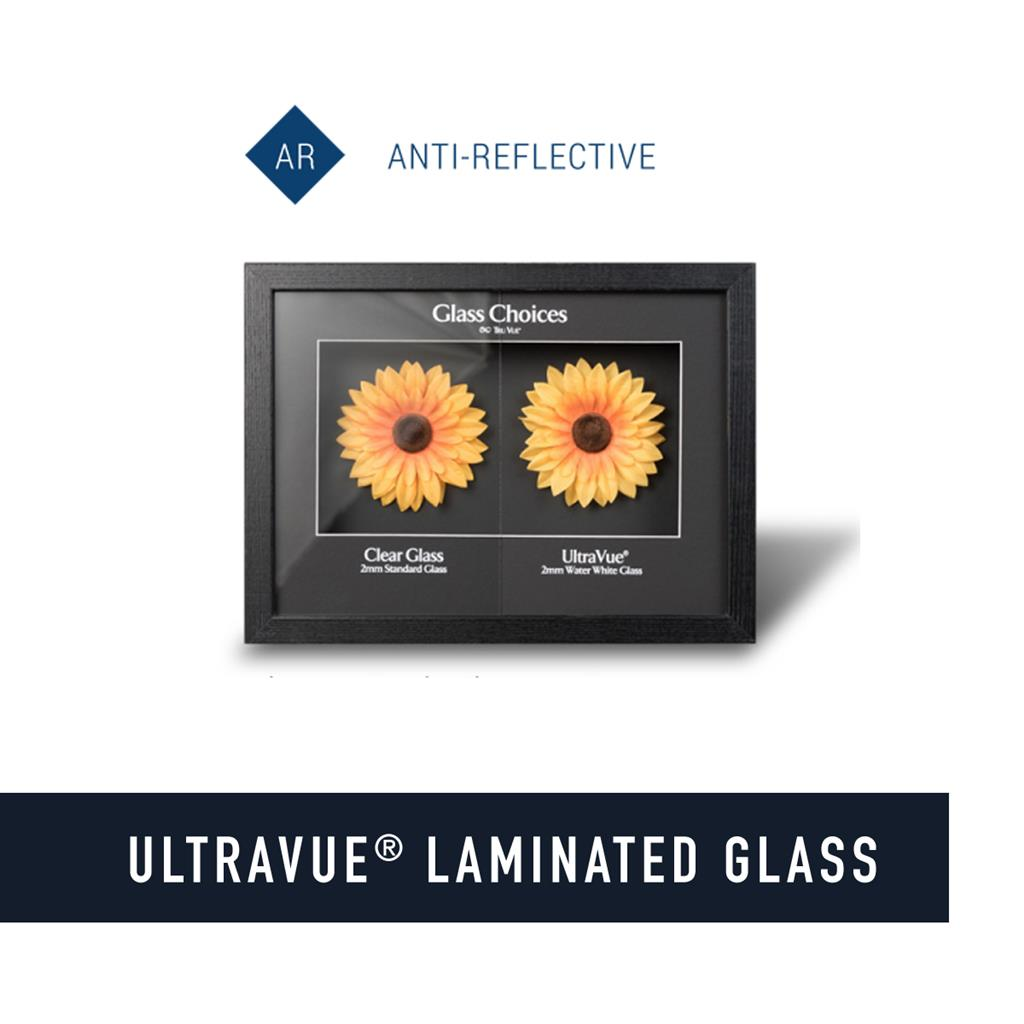
UltraVue Laminated Glass
One of the glass options available through Harlem Frames is Tru Vue UltraVue Laminated Glass.
Designed for exceptional viewing clarity, this glazing combines anti-reflective performance with UV protection and the additional security of a laminated construction and finish.
It can be an excellent consideration for artwork where maintaining the visual qualities associated with glass is desirable while preservation and display quality remain important.
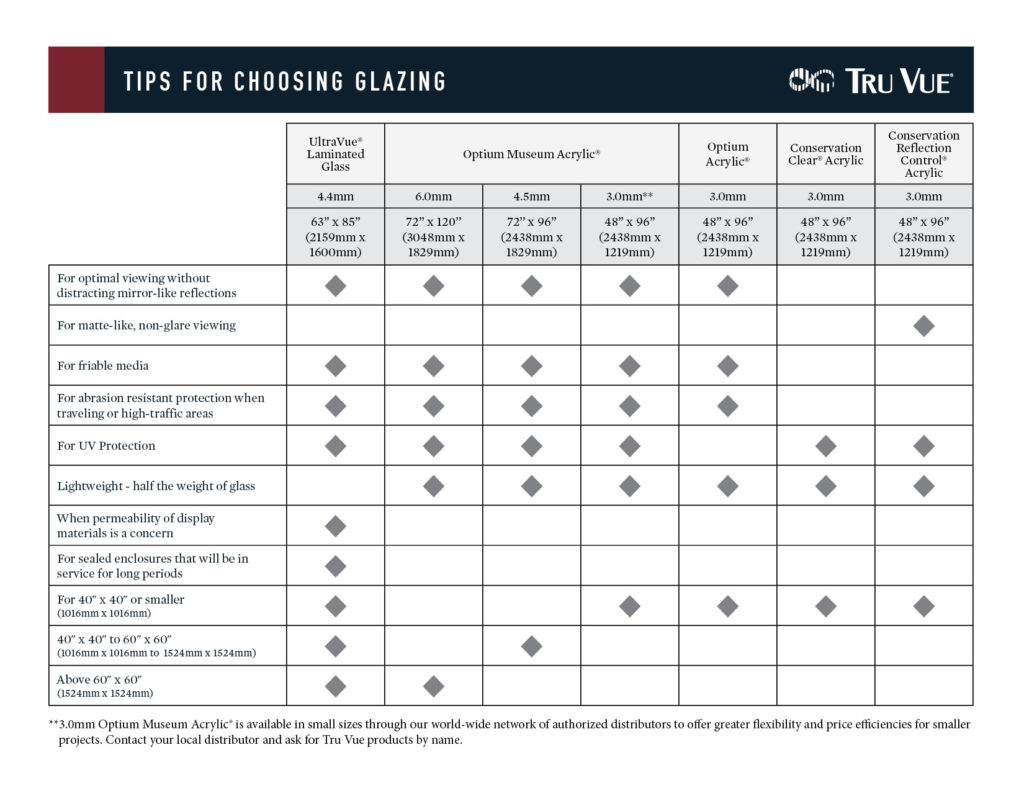
According to Tru Vue's selection guide, UltraVue Laminated Glass is particularly suited to applications where optimal viewing, UV protection, abrasion resistance, and protection for works displayed in high-traffic areas are notable considerations.
Optium Museum Acrylic
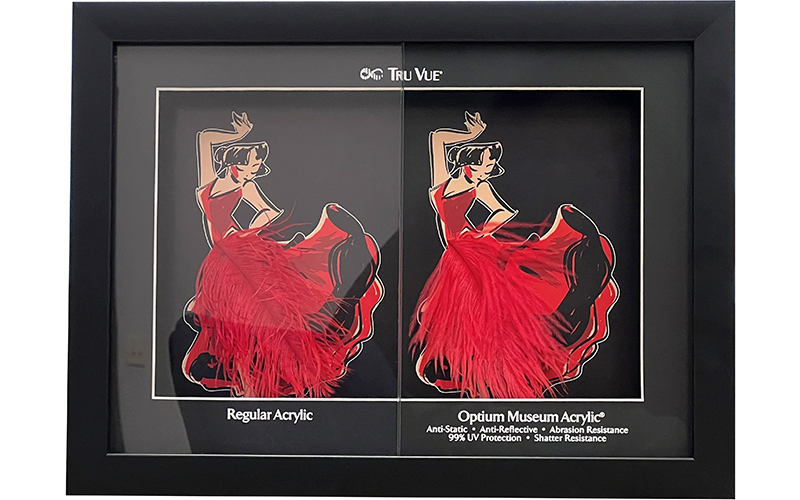
Optium Museum Acrylic
vs.
Optium Acrylic
For projects requiring some of the highest levels of performance available in acrylic glazing, Harlem Frames also offers Tru Vue Optium Museum Acrylic.
Optium Museum Acrylic combines exceptional clarity with anti-reflective properties, UV protection, abrasion resistance, and anti-static performance.
The anti-static quality can be particularly important for certain delicate media where static electricity is a concern.
It is also considerably lighter than an equivalent piece of glass, making museum-grade acrylic especially useful when framing large works or pieces intended to travel or be installed in demanding environments.
Harlem Frames commonly uses Optium Museum Acrylic in multiple thicknesses, allowing the glazing specification to respond to the dimensions and requirements of the individual project the client brings forward.
Tru Vue Optium Acrylic provides another high-performance acrylic option.
Like Optium Museum Acrylic, it is designed to provide excellent clarity and reduced reflections while offering many of the practical advantages associated with acrylic glazing.
It can be considered for projects where anti-reflective viewing, abrasion resistance, lighter weight, and anti-static performance are important factors.
The appropriate choice between Optium Acrylic and Optium Museum Acrylic ultimately depends on the artwork and its conservation requirements.

Conservation Clear Acrylic
Not every artwork requires museum-grade anti-reflective glazing.
Conservation Clear Acrylic provides UV protection while retaining the practical benefits of acrylic, including its lighter weight compared with glass.
This can make it a useful option for works where preservation is important but museum-level anti-reflective performance isn't the primary concern.
For larger framed pieces in particular, choosing acrylic instead of glass can also make a meaningful difference in the finished weight of the frame.
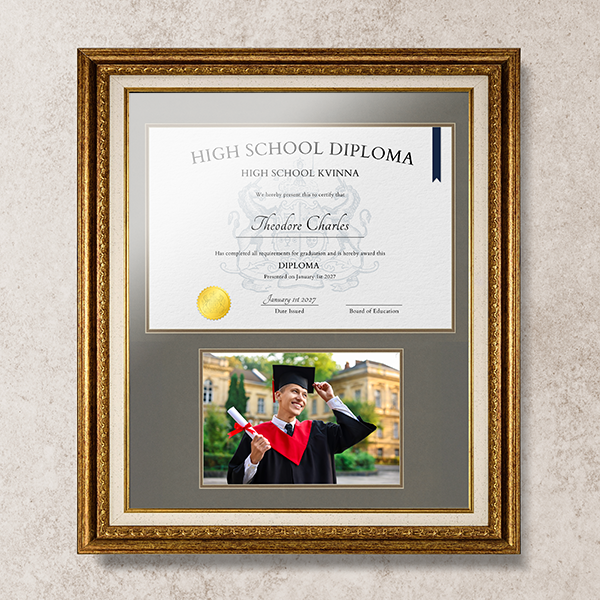
Conservation Reflection Control Acrylic
Harlem Frames can also offer Conservation Reflection Control Acrylic for projects where both UV protection and the reduction of distracting reflections are considerations.
Reflection-control glazing differs from premium anti-reflective glazing such as Optium. Rather than making reflections nearly disappear through optical coatings, reflection-control products are designed to diffuse them.
That distinction matters because different glazing materials can affect the viewing experience differently. Comparing samples in person can be extremely helpful when deciding which effect is appropriate for a particular artwork.
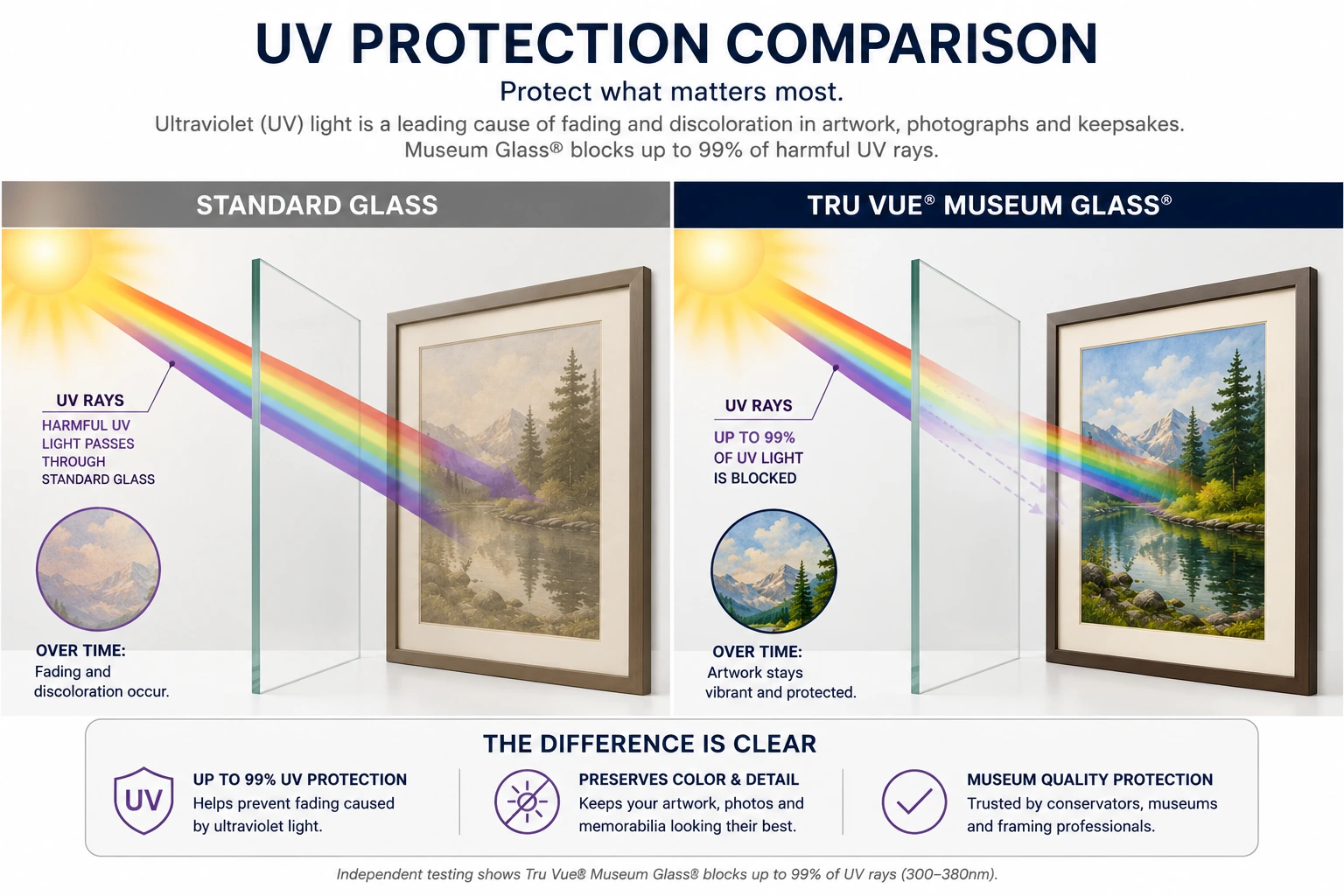
Why Does UV Protection Matter?
Many artworks are sensitive to prolonged exposure to ultraviolet radiation.
Over time, UV exposure can contribute to fading, discoloration, and deterioration in materials such as paper, photographs, textiles, inks, and certain pigments.
For valuable, sentimental, historic, or irreplaceable pieces, choosing glazing with appropriate UV protection can therefore become an important part of a conservation-minded framing approach.
However, UV-protective glazing should never be considered permission to hang artwork anywhere.
Even properly framed artwork should be kept away from prolonged direct sunlight and extreme environmental conditions whenever possible.
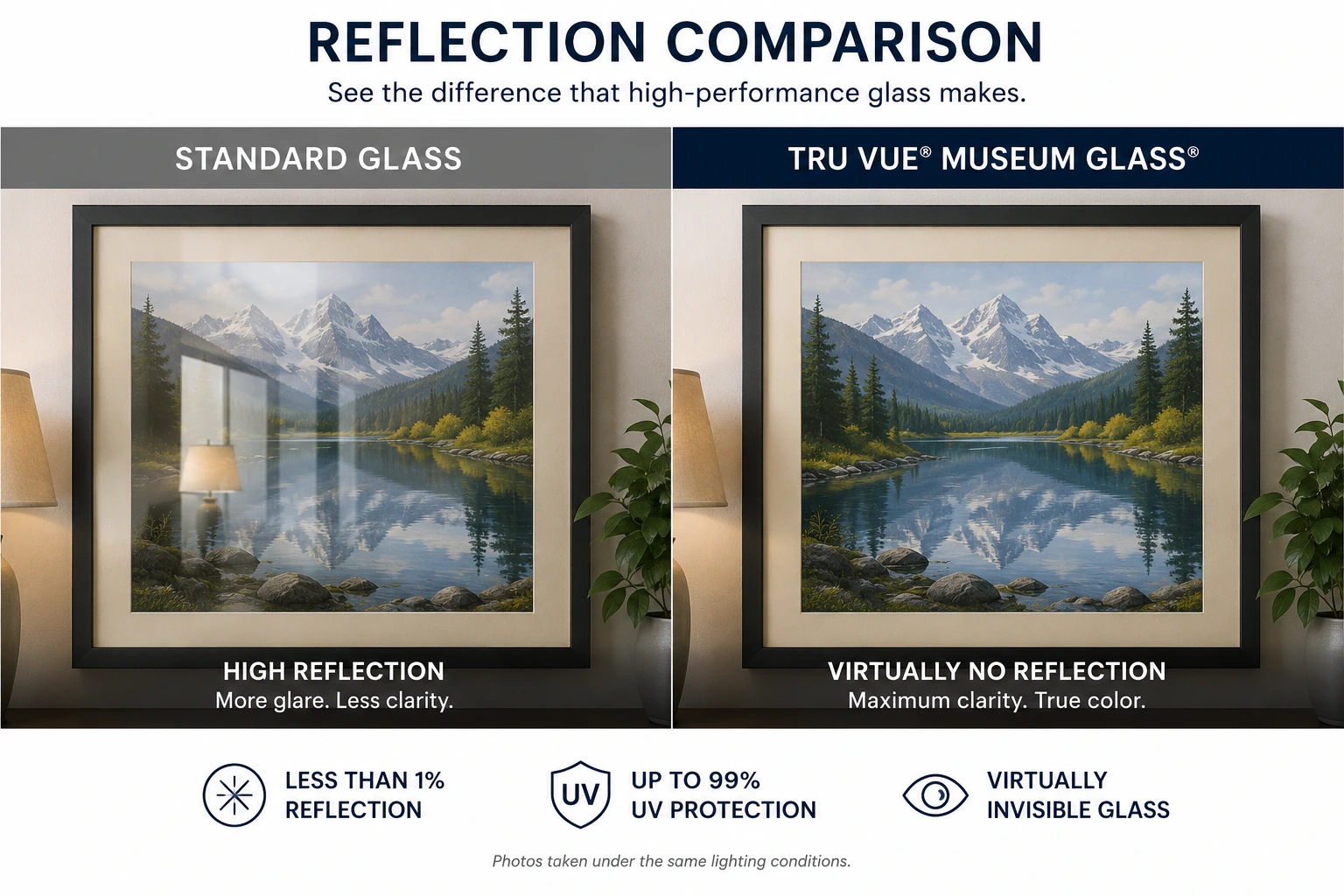
Reflections Matter, Too
Anyone who has tried to view a dark photograph or drawing behind reflective glazing knows how distracting glare can become.
Windows, lamps, overhead lighting, and even the viewer themselves can appear reflected across the surface.
Premium anti-reflective glazing such as Optium Museum Acrylic and UltraVue is designed to minimize these visual distractions so that attention remains on the artwork.
For highly detailed works, dark images, photographs, or artwork displayed in brightly lit environments, the difference can be striking.
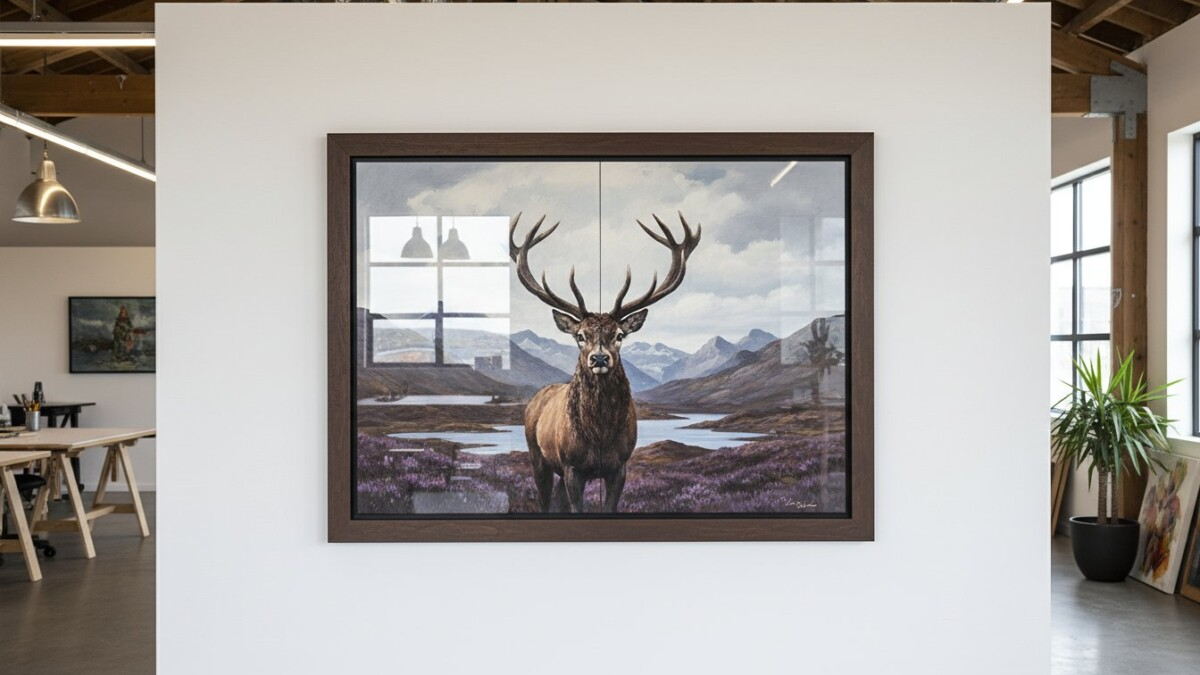
What About Large Artwork?
Size can significantly influence the glazing decision.
As a framed piece becomes larger, weight, rigidity, handling, installation, and safety become increasingly important considerations.
This is one reason acrylic glazing can be valuable for oversized work. Acrylic offers substantially less weight than comparable glass while specialized products can still provide high levels of clarity and protection.
The Tru Vue options available through Harlem Frames include different dimensions and thicknesses specifically suited to different framing requirements.
So, Which Glazing Should You Choose?
There isn't one “best” glazing material for every artwork.
The right choice depends on several factors:
The artwork's medium and condition
Its monetary or sentimental value
Sensitivity to UV exposure
Size and weight of the finished frame
Lighting and reflections in the display environment
Whether the artwork will travel
Concerns about abrasion or static
Desired level of clarity
Budget
A replaceable poster and an original work on paper don't necessarily require the same solution. Neither do a small family photograph and a six-foot artwork destined for an exhibition.
Choosing Glazing at Harlem Frames
At Harlem Frames, glazing is considered a quintessential component of the framing system.
Depending on the needs of the artwork, options include UltraVue Laminated Glass, Optium Museum Acrylic, Optium Acrylic, Conservation Clear Acrylic, and Conservation Reflection Control Acrylic, among other solutions.
Rather than simply asking whether you want “regular” or “museum” glass, we can help you compare the materials in person and consider clarity, reflection, UV protection, weight, safety, preservation, and cost together.
The goal is ultimately simple: choose the glazing that allows you to enjoy the artwork while giving it the level of protection its particular circumstances require.
Images Source:https://tru-vue.com/
Instagram Gallery
IN THE FRAME
A visual journal of the artists, artworks, exhibitions, and people that have made Harlem Frames a community leader.”
Follow @HarlemFrames to see more of what we’re up to.
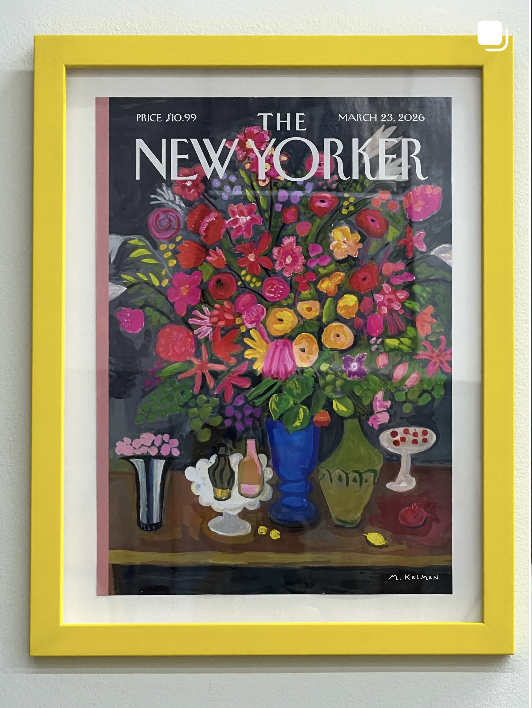
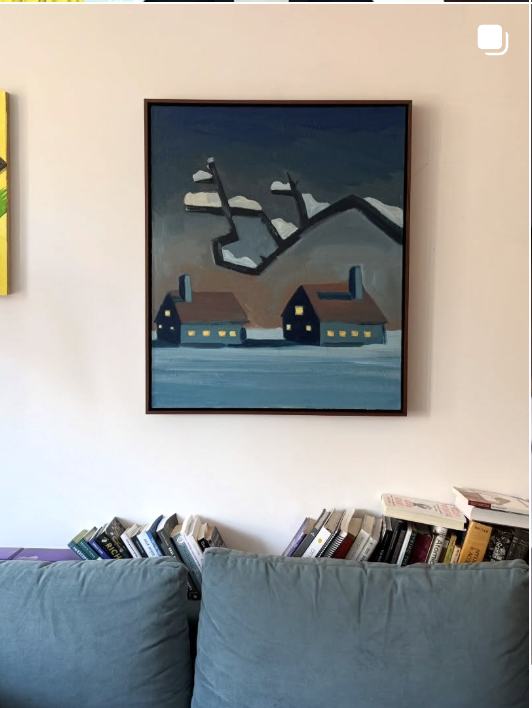
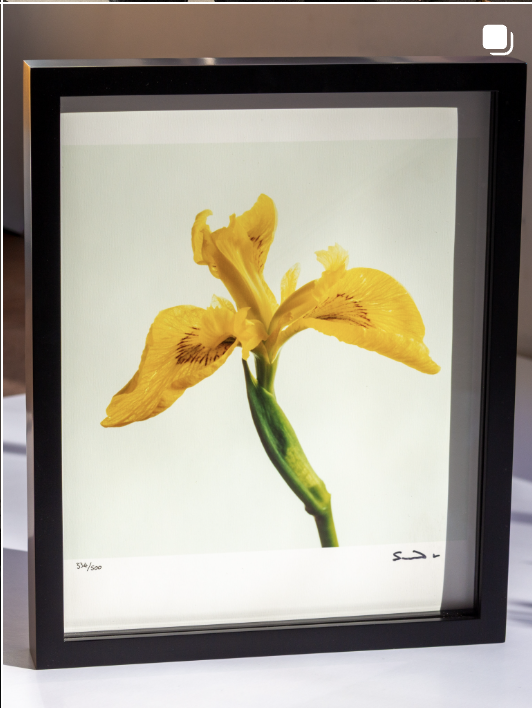
How to Choose the Right Frame for Your Artwork
When selecting a frame, there are multiple factors to take into consideration. It’s more than just a matter of a frame that matches your artwork. The right frame can either strengthen the relationship between the work, the space around it, and the environment in which it will live, or visually imbalance the enjoyment of both the work and the space itself.
A thoughtfully chosen frame is intended to elevate the artwork’s presence without competing for attention with the frame itself. Moreover, when it’s necessary, the frame, matting, and glazing can considerably protect the work for years to come.
At Harlem Frames, we have a methodical approach to framing as an extension of the artwork itself. Everything from Material, color, and proportion to depth, glazing, and mounting is an essential contributor to a finished piece.
Here are a few things to consider when choosing a frame:
Start With The Artwork
The artwork should lead the conversation.
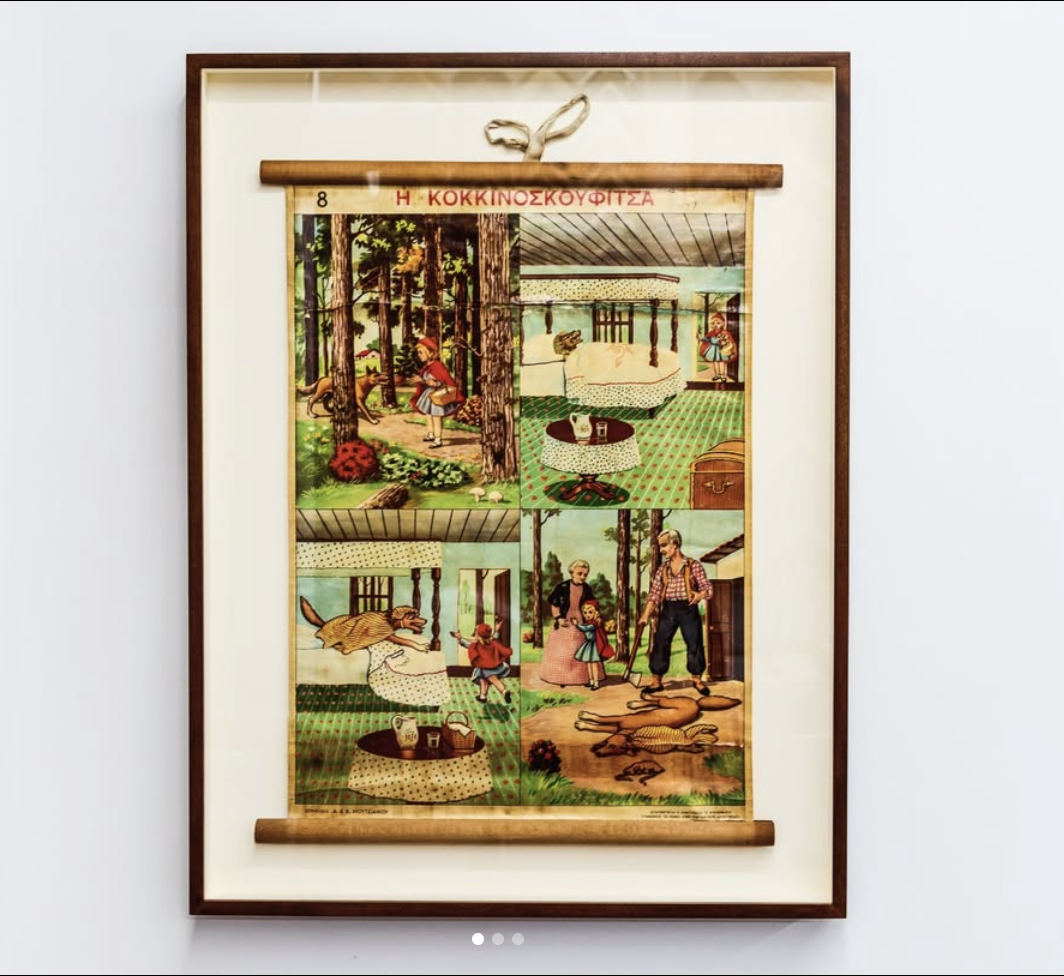
Closely examining the piece’s colors, materials, texture, scale, and overall character is crucial before even concluding what room the piece will be hung in. A delicate work on paper may need an entirely different presentation than a conventional, large contemporary canvas, photograph, textile, or vintage poster.
As opposed to simply matching a frame to a prominent color in the piece, you must consider how the frame can complement the overall character of the artwork. Sometimes that means creating contrast. Other times, this may entail choosing a quiet frame that nearly disappears.
The mission is to give the artwork a setting in which it feels complete.
Consider Material and Finish
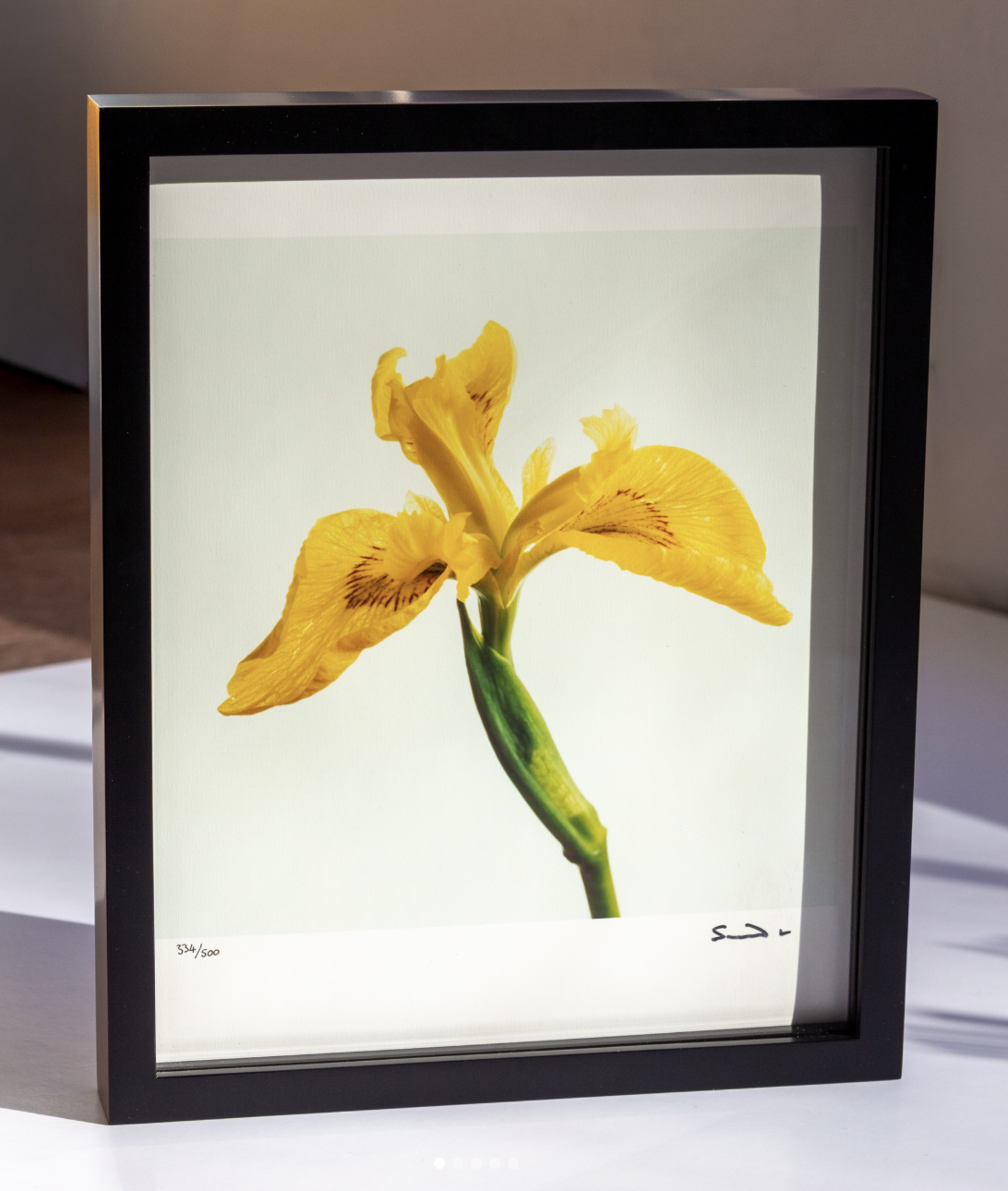
Wood, metal, painted finishes, stains, and natural materials all create a variable relationship with an artwork.
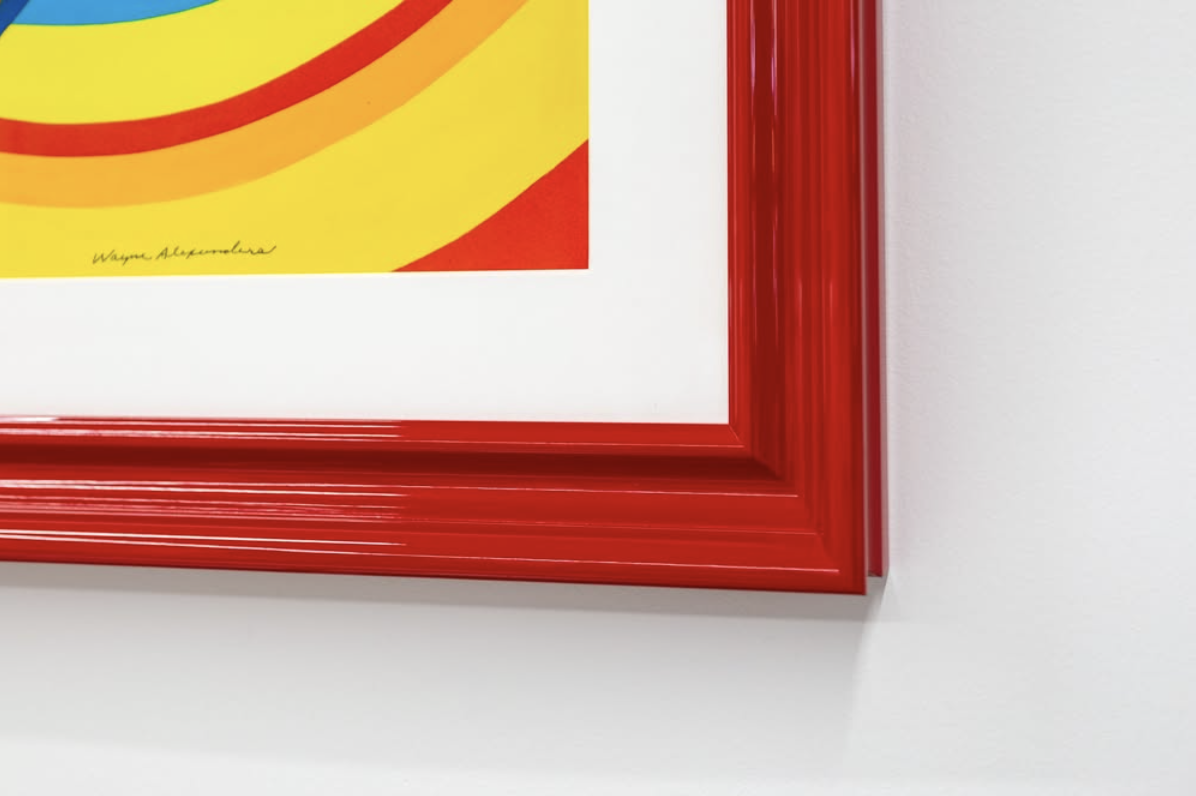
Natural woods such as walnut, maple, and oak can introduce warmth and texture while allowing the grain of the material to remain visible. Black and white frames, however, provide a more restrained or graphic presentation. Meanwhile, metallic, painted, or decorative moulding complement works that call for a stronger visual presence. All of which is subjective.
There isn't one material that works for every piece. To reiterate, an optimal frame choice is dependent on how it responds to the individual artwork.
Pay Attention to Proportion
Frame width and depth matter are just as essential as moulding color.
An overly heavy frame risks overwhelming a small or delicate work, while a frame that’s extra thin can be visually inadequate to surround a large or more dimensional piece.
The proportions are meant to create balance. Larger artwork doesn't unconditionally require an oversized frame, just like a small artwork can benefit from a generous mat or deeper presentation that gives it a greater “wow factor” when mounted on the wall.
Decide Whether the Artwork Needs a Mat
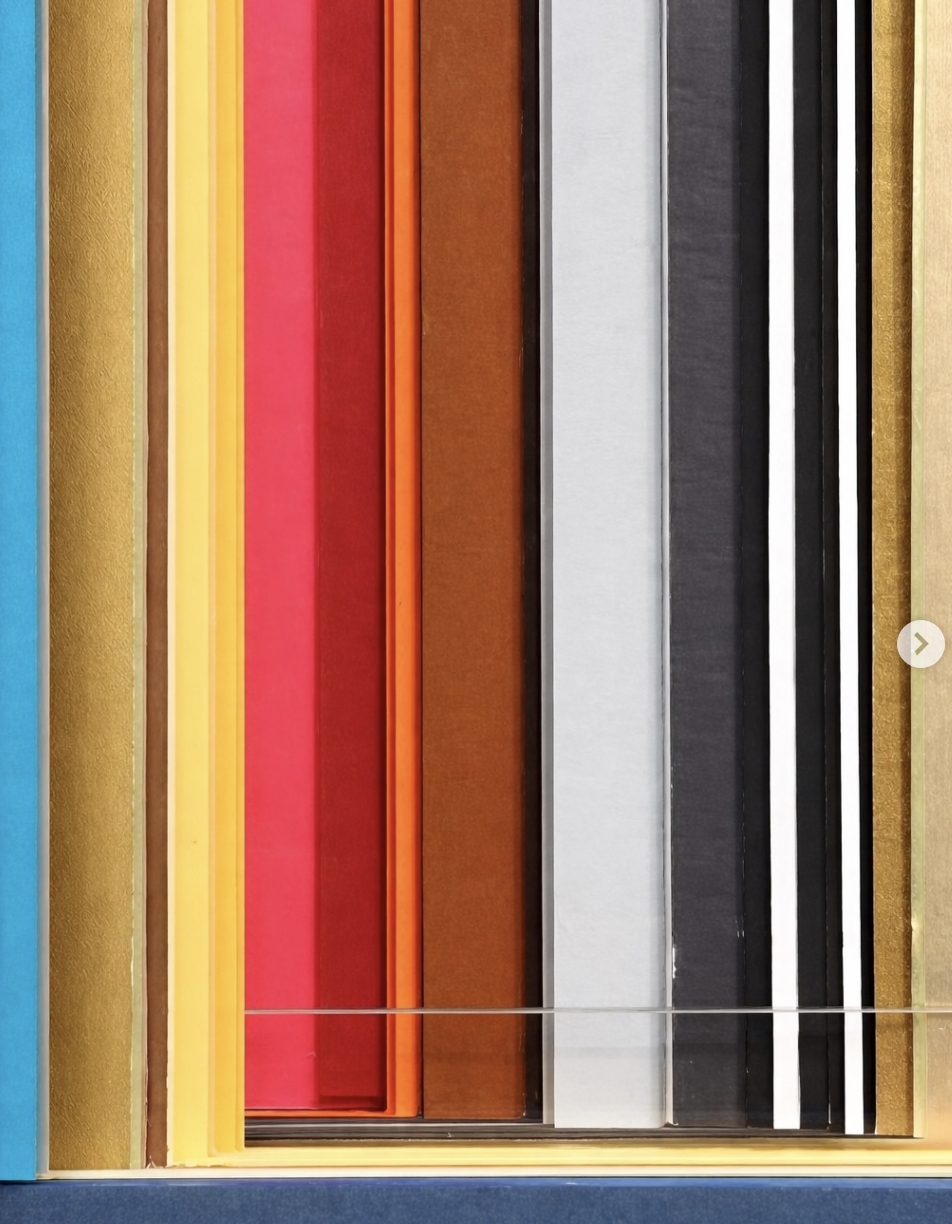
Matting creates visual space between an artwork and its frame. It’s no understatement to assert how dramatically the mat can change the perception of a piece.
Works on paper, photographs, drawings, prints, and other flat works are frequently presented with mats. Beyond their aesthetic role, properly selected archival matting can also assist in separating the artwork from glazing and contribute to its long-term preservation.
In the same vein, not every piece requires a traditional mat. Floating, spacers, shadowbox presentations, and other framing techniques can create separation while inspiring a very unique visual effect.
Think About Depth
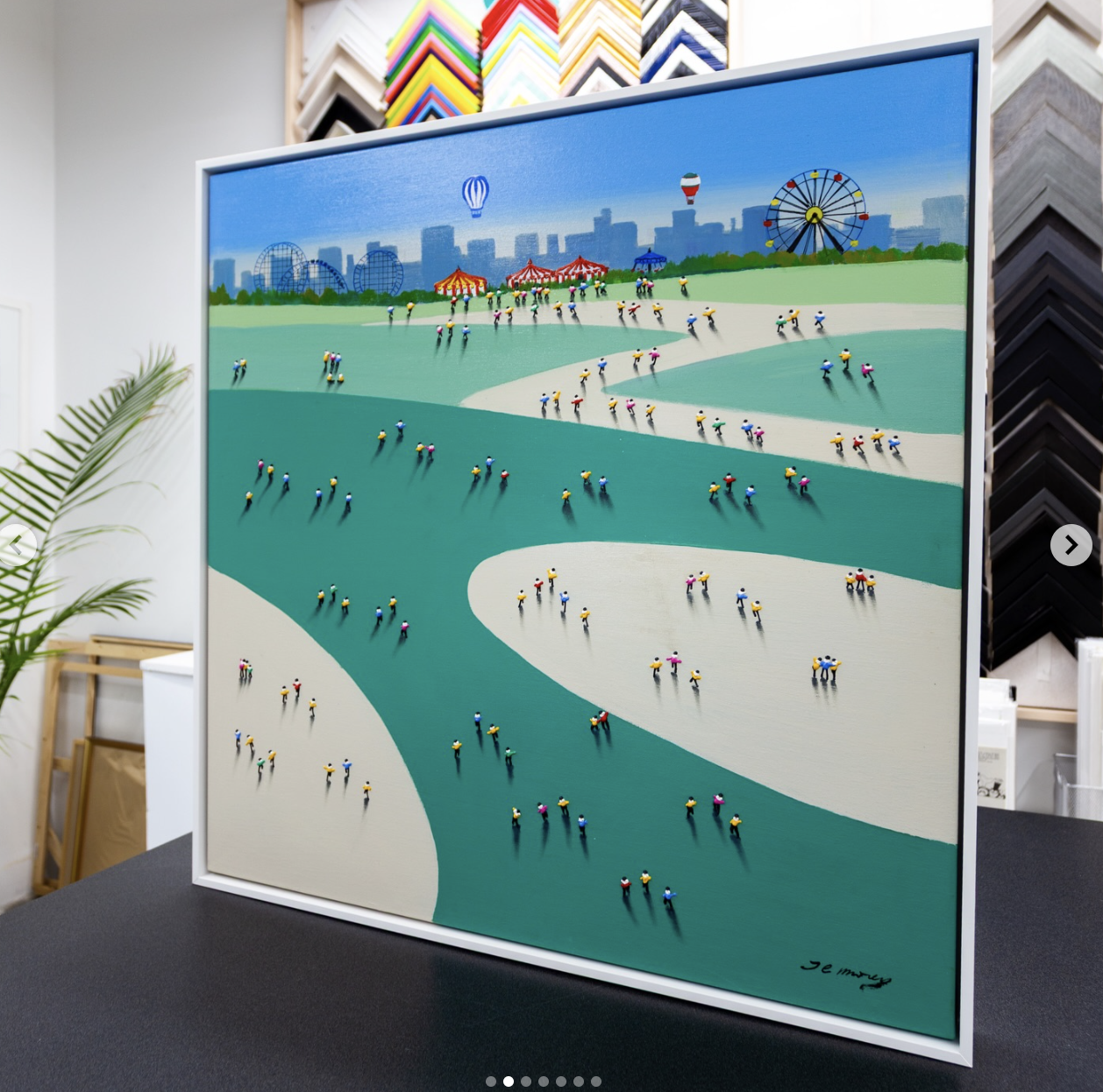
There’s also the matter of artwork that elevates from having visible space around its edges.
A float frame, for example, produces a narrow gap between a canvas and its surrounding frame. This space from the edges of the artwork is necessary to remain visible because it gives the piece the appearance of floating within the frame.
Objects, textiles, memorabilia, and dimensional artwork may require even greater depth through shadowboxes or custom-built framing solutions.
These decisions aren't purely decorative—they influence how the physical object is experienced.
Don't Forget the Glass
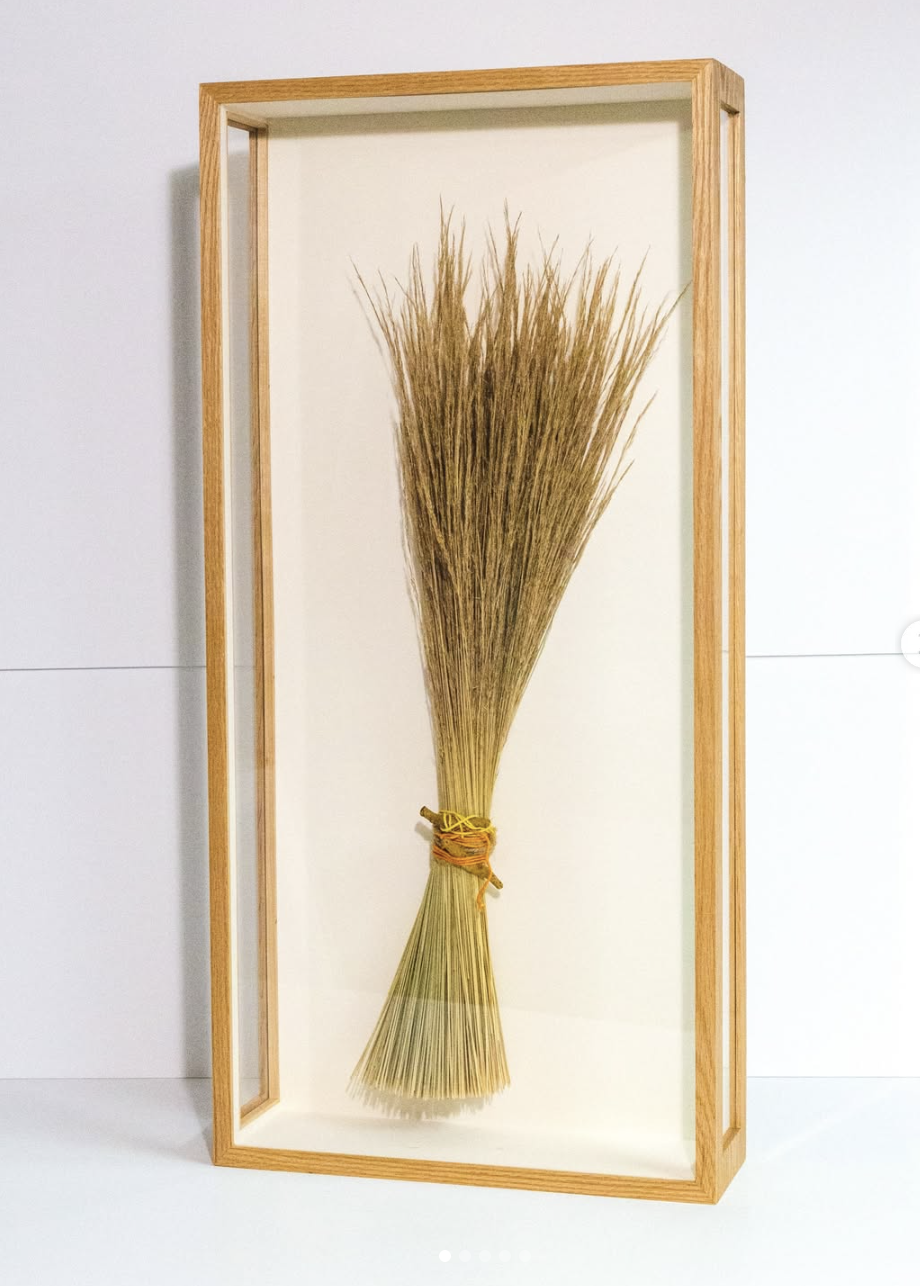
For artwork that requires glazing, the type of glass or acrylic can dictate the longevity of the piece itself.
Different glazing options offer varying levels of clarity, reflection control, and UV protection. For photographs, works on paper, limited-edition prints, and other light-sensitive materials, conservation considerations may be especially important.
The most appropriate option depends on the artwork, its value, where it will be displayed, and the level of protection required.
Consider the Room—But Don't Let It Dictate Everything
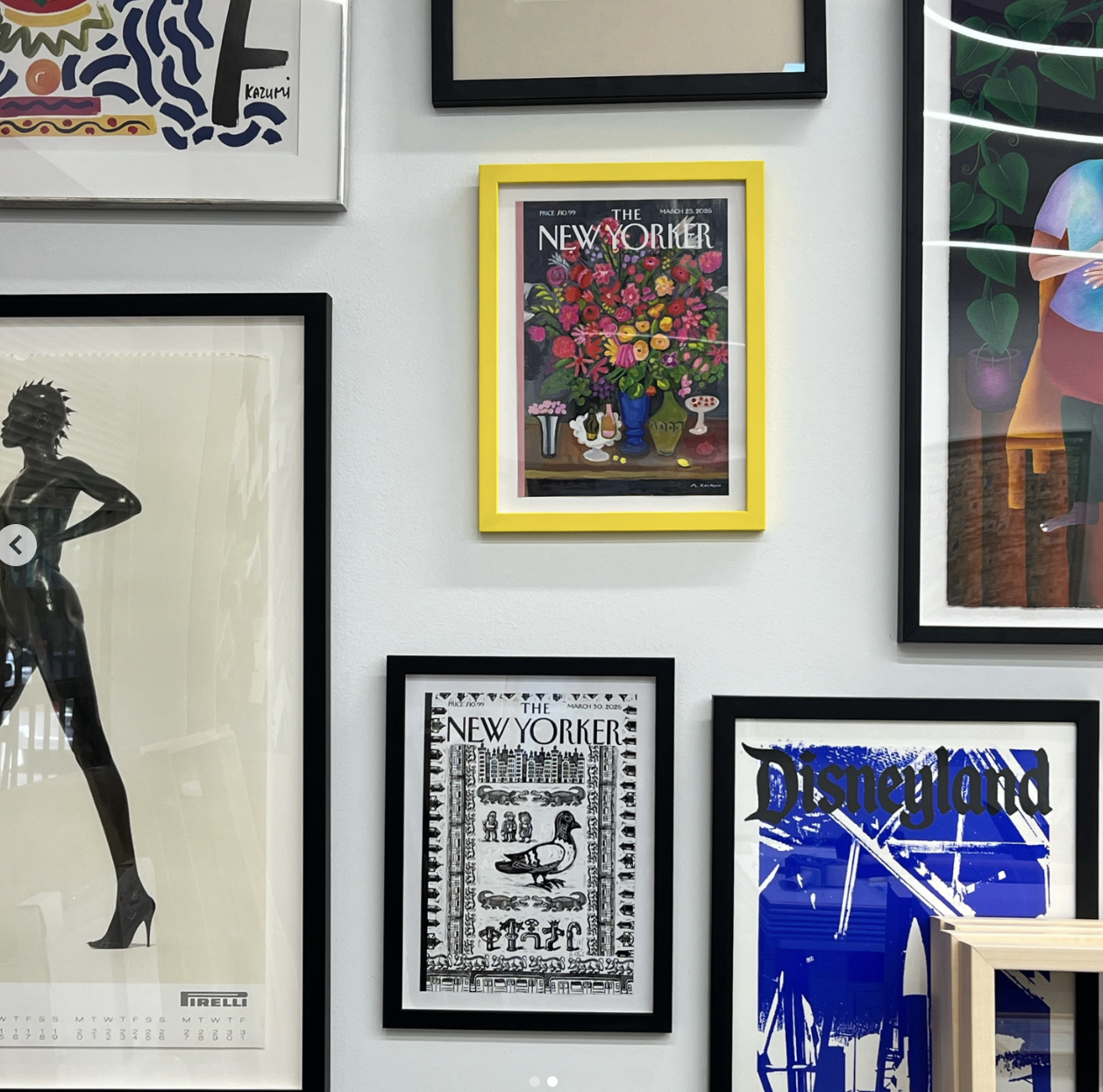
Your surroundings matter, but framing solely to match current furniture or wall colors can be limiting.
Interiors change. Artwork often stays with us much longer.
Instead of asking only, “Does this frame match my room?” consider whether the frame feels right for the artwork itself. A thoughtfully framed piece should be able to move from one environment to another and still feel resolved.
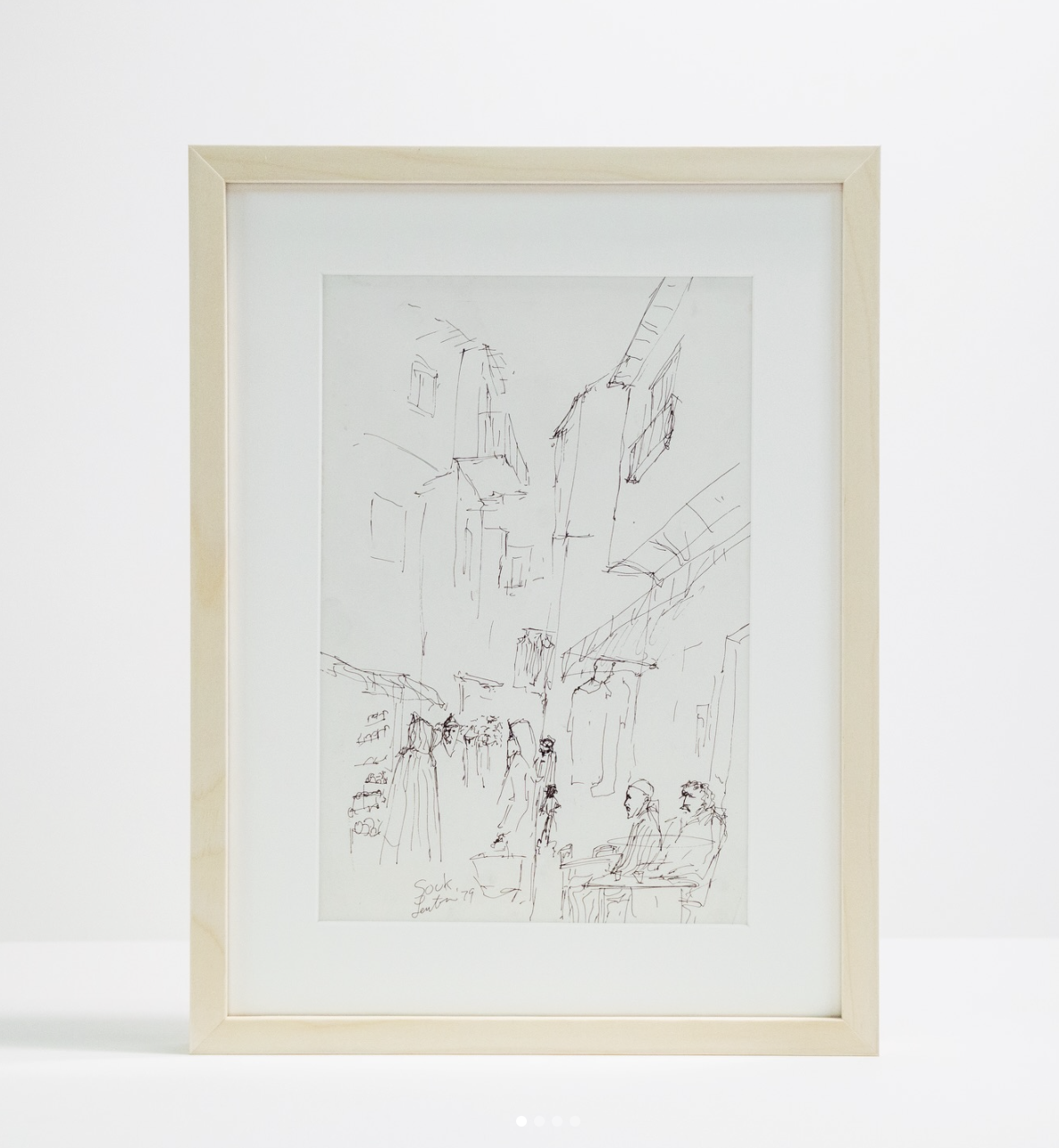
When in Doubt, Keep It Simple
Sometimes the most successful frame is the one you notice last.
If an artwork already contains a great deal of color, texture, or visual complexity, a restrained frame can provide structure without introducing another competing element.
Simple does not mean generic. Small differences in wood species, profile, finish, depth, matting, and spacing can dramatically change the finished presentation.
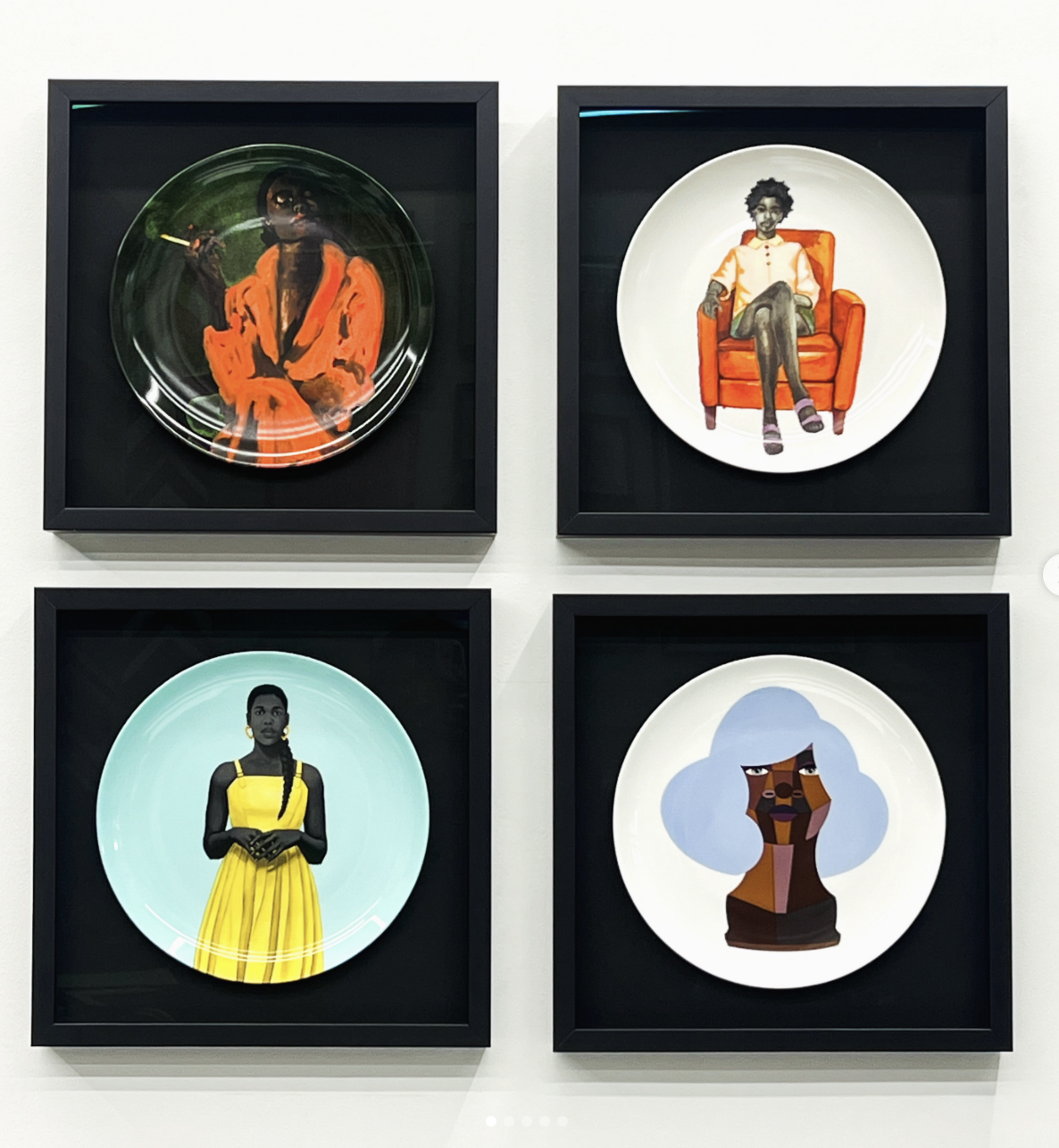
Every Artwork Is Different
There is no universal formula for choosing the perfect frame.
An original painting, family photograph, limited-edition print, textile, poster, or treasured object each presents its own questions. The role of custom framing is to find a solution that considers the artwork as an individual object—how it looks, how it is constructed, how it should be displayed, and how it should be protected.
At Harlem Frames, we work with artists, collectors, galleries, designers, institutions, and individuals to develop framing solutions tailored to the work itself.
Have a piece you're considering framing? Bring it to Harlem Frames and explore the possibilities with us.
As Always, Framed With Care.
In Harlem.
THANK YOU HFAS 2026 SUMMER FEST !
Thank you Harlem Fine Arts Show for another brilliantly executed summer festival celebrating the arts, community, and culture at its finest.
Harlem Frames had the great pleasure to attend and serve artists, patrons, and collectors alike with services ranging from on-site installation and fittings to photo scanning and printing.
We look forward to the next HFAS, and continuing to honor the memory of the late and great Dion Clarke.
Until Next Time :)
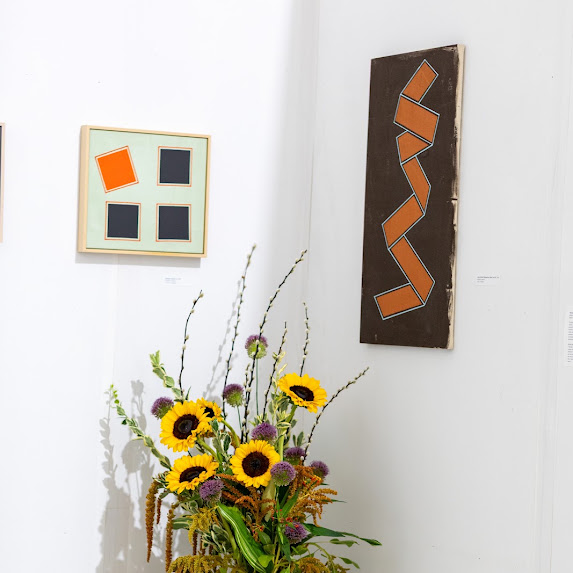


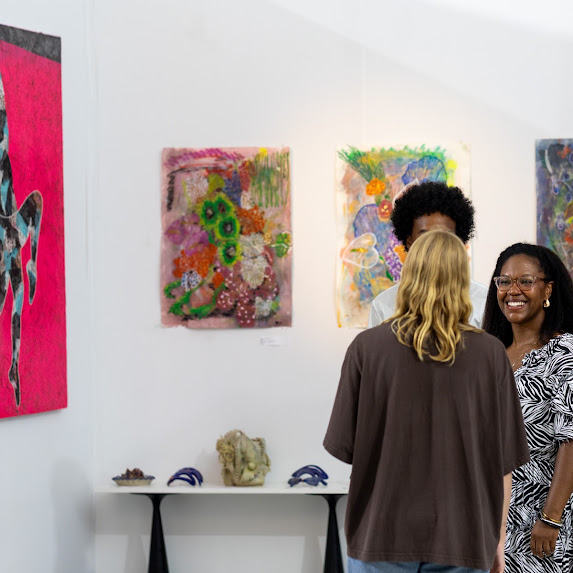
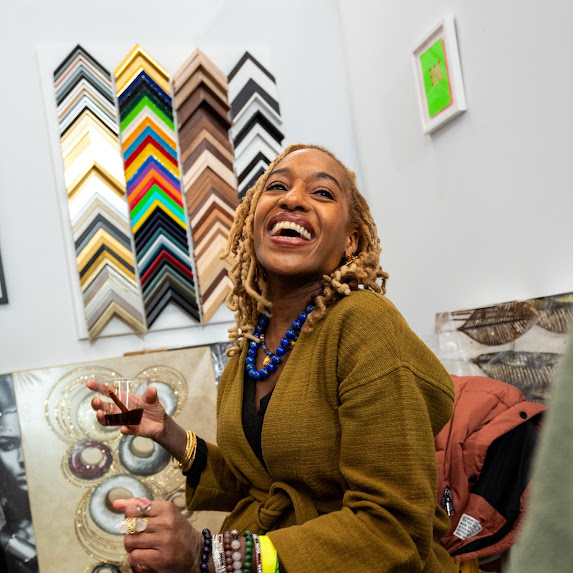
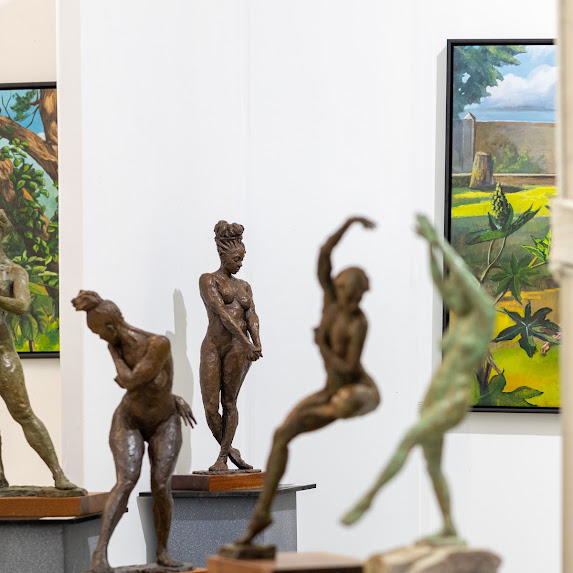
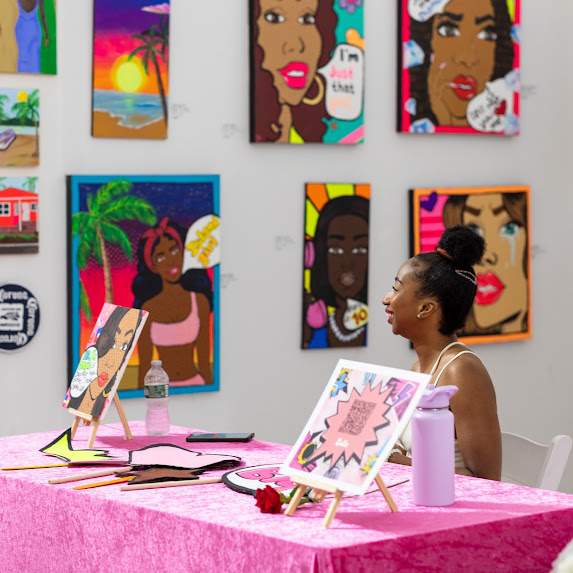
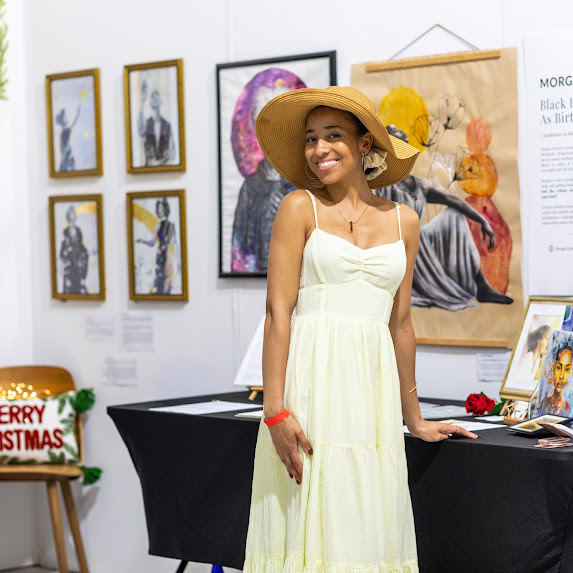
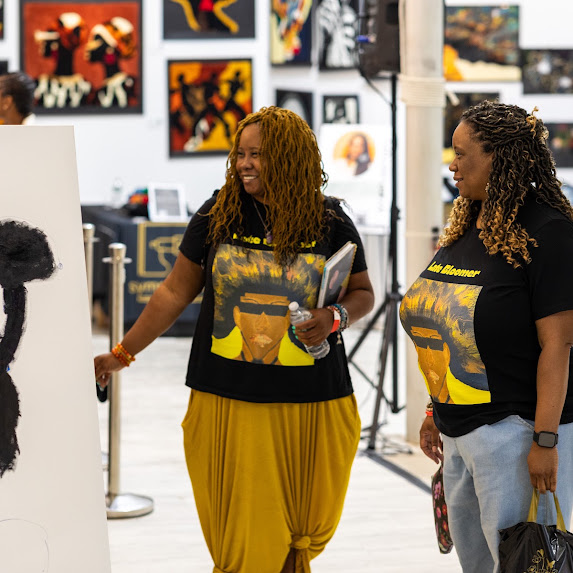
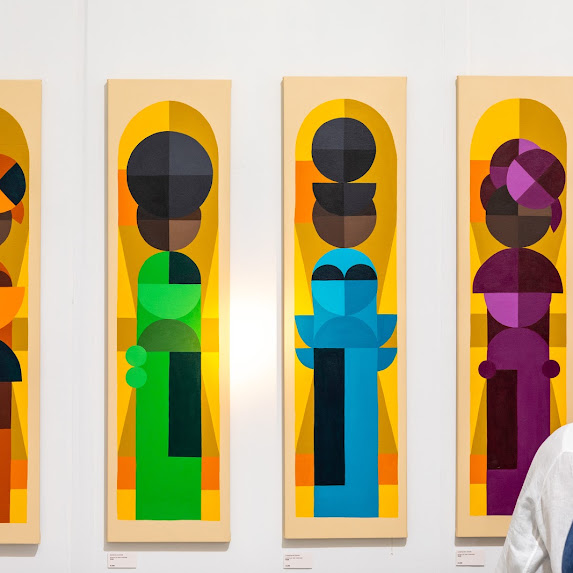
Harlem Fine Arts Show Summer Festival 2026
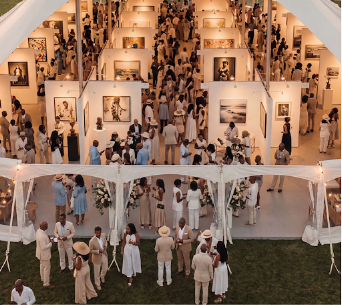
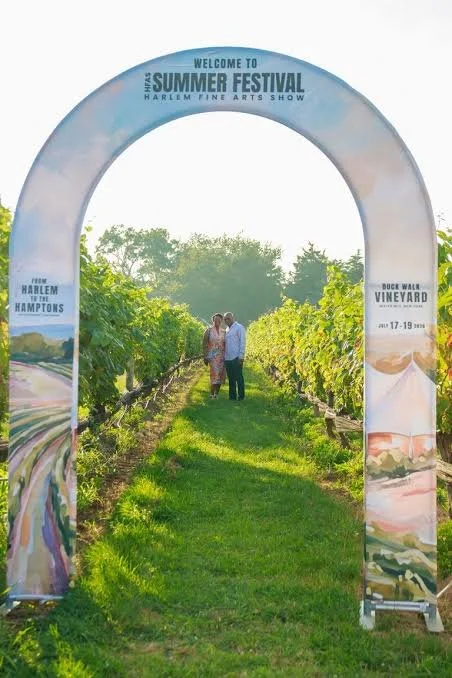
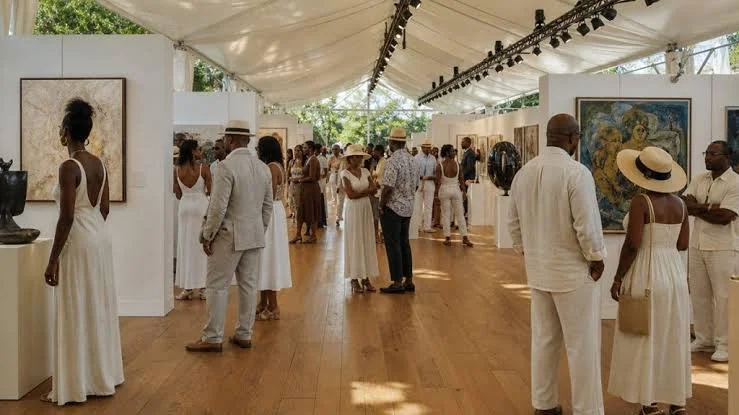
Harlem Frames is excited to announce we will be attending the Harlem Fine Arts Show Summer Festival 2026 taking place at Duckwalk Vineyards. Harlem Frames will be providing packaging, shipping, hanging, and printing services on site, as well as taking custom framing orders.
Custom Framing & Print Services
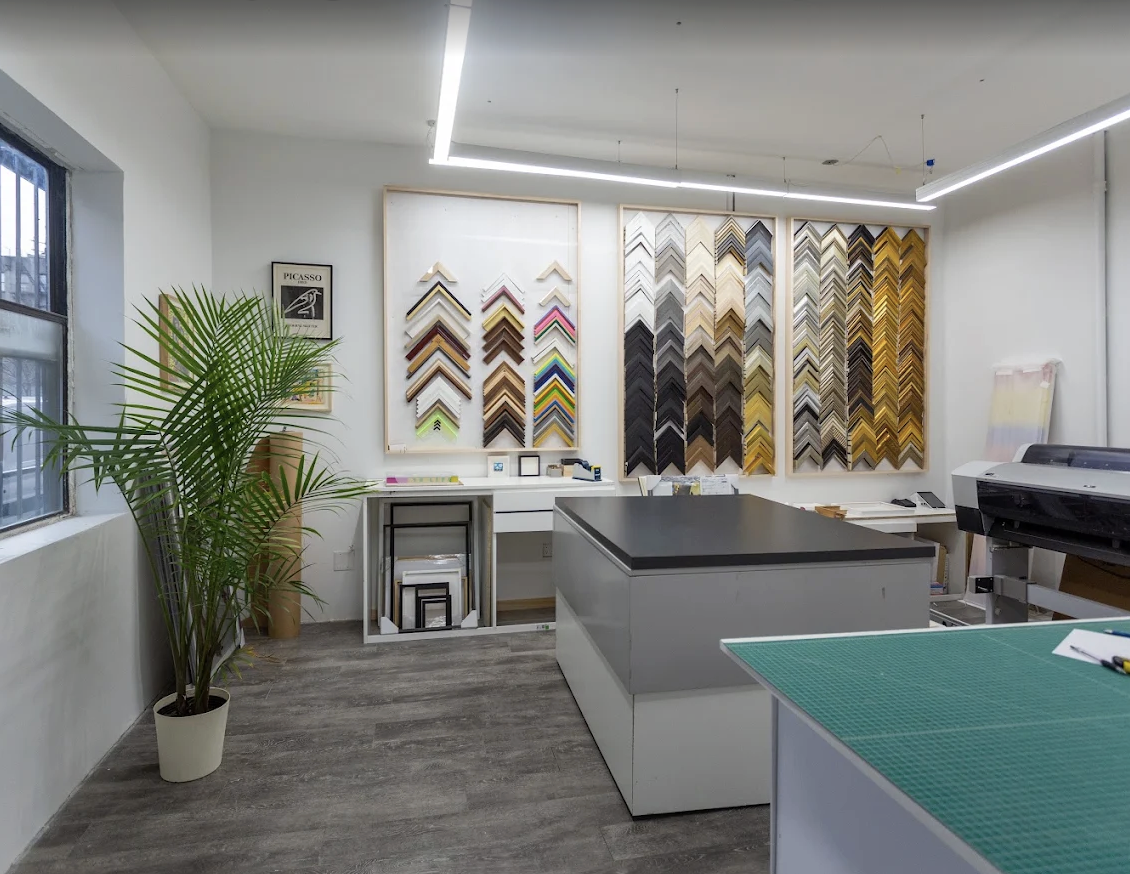
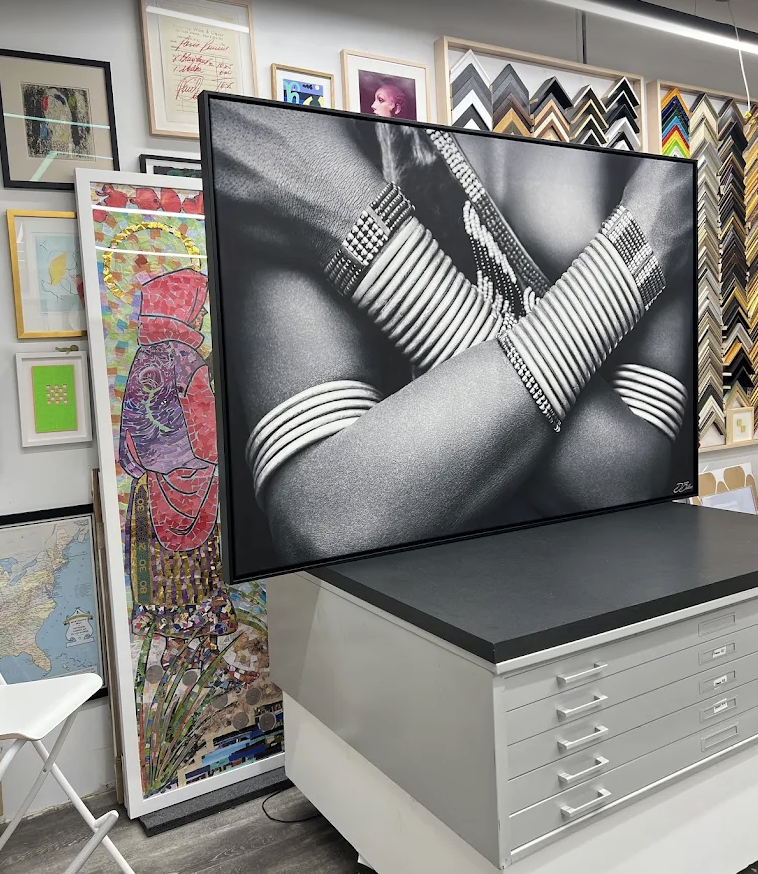
Harlem Frames welcomes walk-in customers for custom framing and fine art printing services at our East Harlem studio.
Whether you're framing an original artwork, photograph, print, poster, or something uniquely personal, our team can help you explore materials and presentation options suited to your piece.
We also offer professional fine art printing for artists, photographers, collectors, and anyone looking to produce high-quality reproductions of their work.
No appointment is necessary. Stop by the studio to discuss your project, explore framing options, or learn more about our printing services.
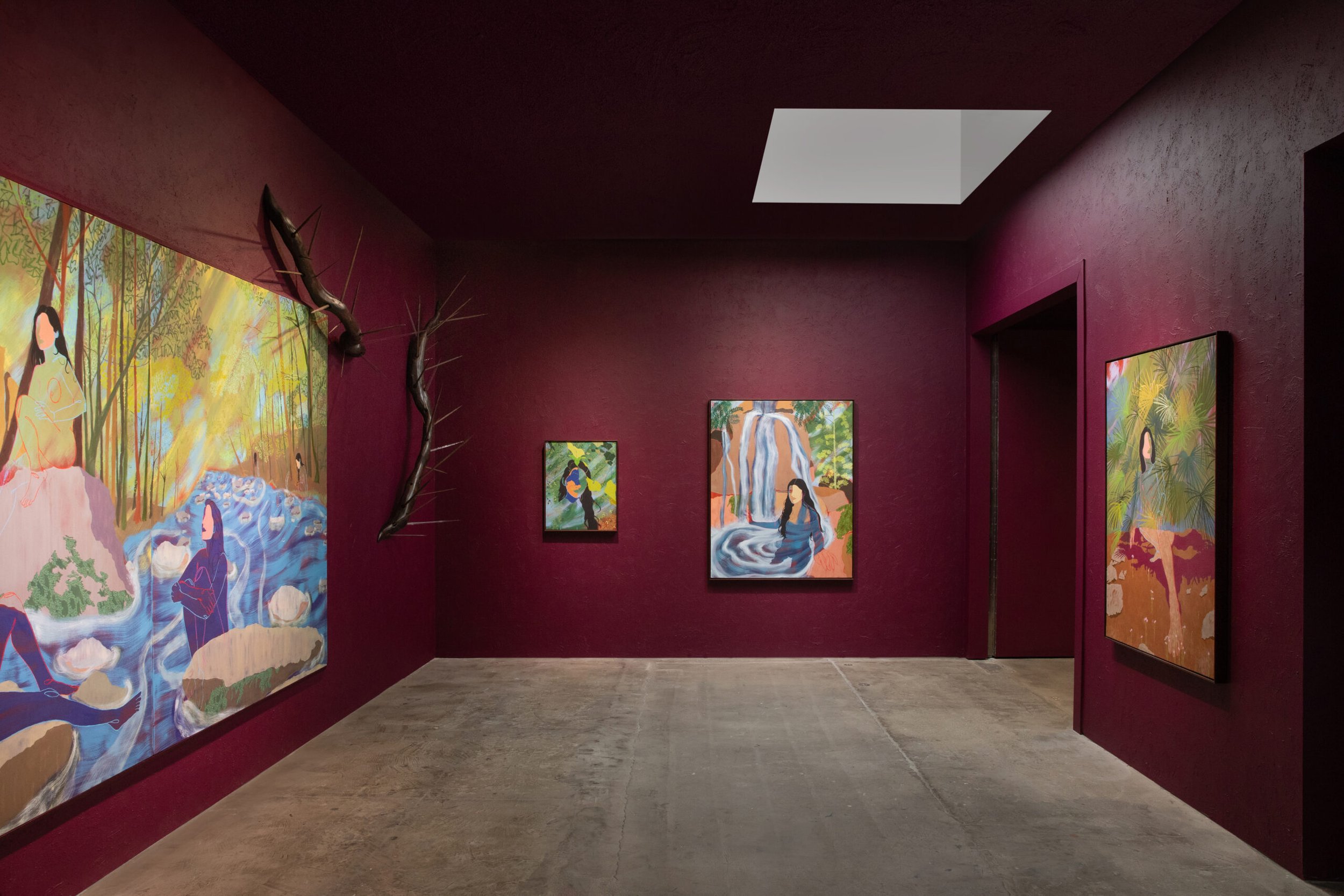
Anoushka Mirchandani: My Body Was A River Once
Anoushka Mirchandani: My Body Was A River Once
Institute of Contemporary Art San José · San José, CA · January 16–August 23, 2026
As a frequent collaborator of prolific artist Anoushka Mirchandani, Harlem Frames was presented with the distinct opportunity to custom-frame My Body Was A River Once, Mirchandani’s debut institutional exhibition at the Institute of Contemporary Art San José.
Curated by Zoë Latzer and comprising entirely Mirchandani’s new work, the exhibition continued to reconcile Mirchandani's tense examination of memory, migration, matrilineage, and the arbitrary and dwindling sense of belonging. Clear across this multimedia exhibit, composed of paintings, silks, sculptures, sounds, and scents, the artist challenges and reconciles the relationship between the body and the environments that encumber it. She aspires to understand how place, ancestry, and displacement contribute to the evolution and questionable fortitude of our identity.
The Exhibition
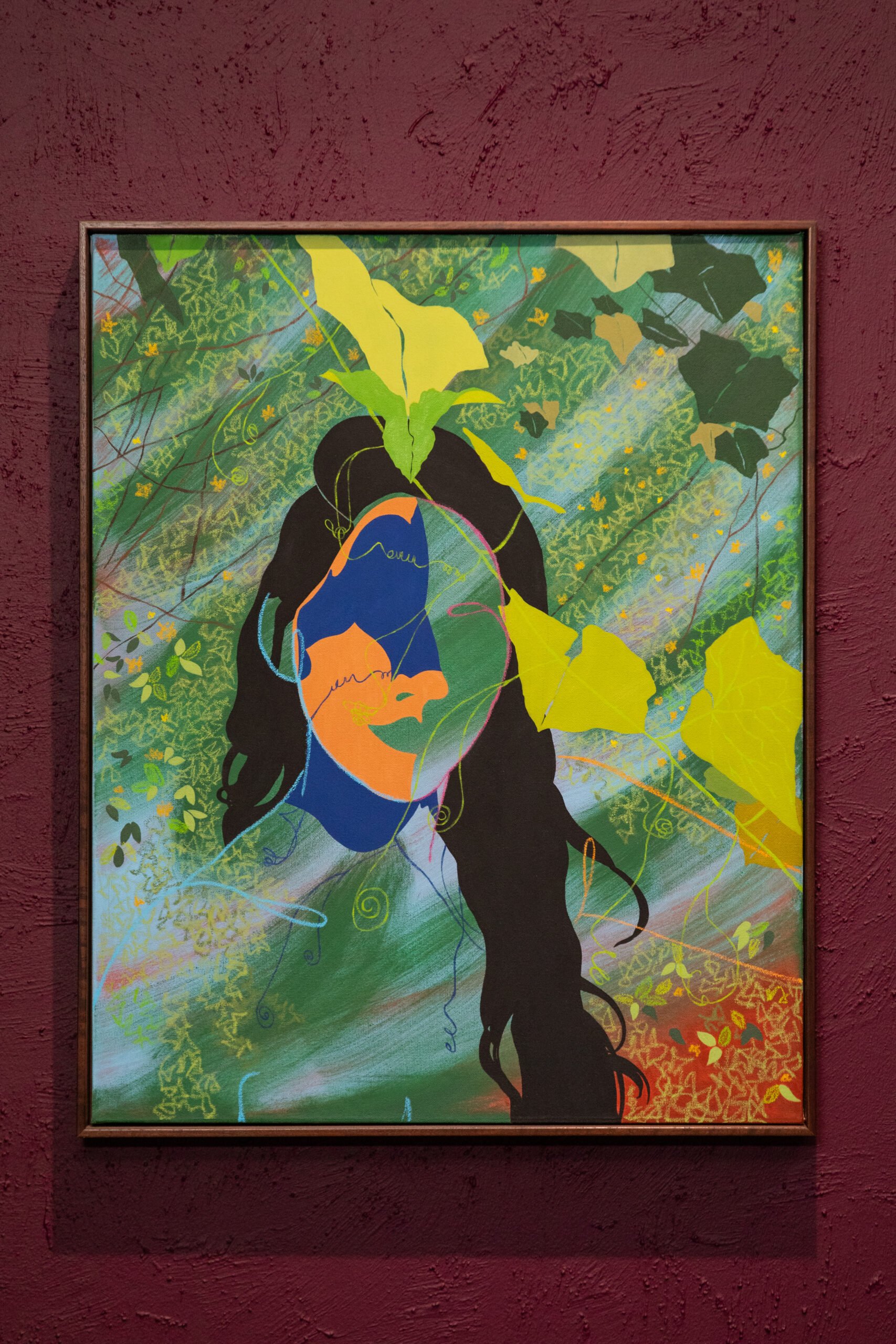
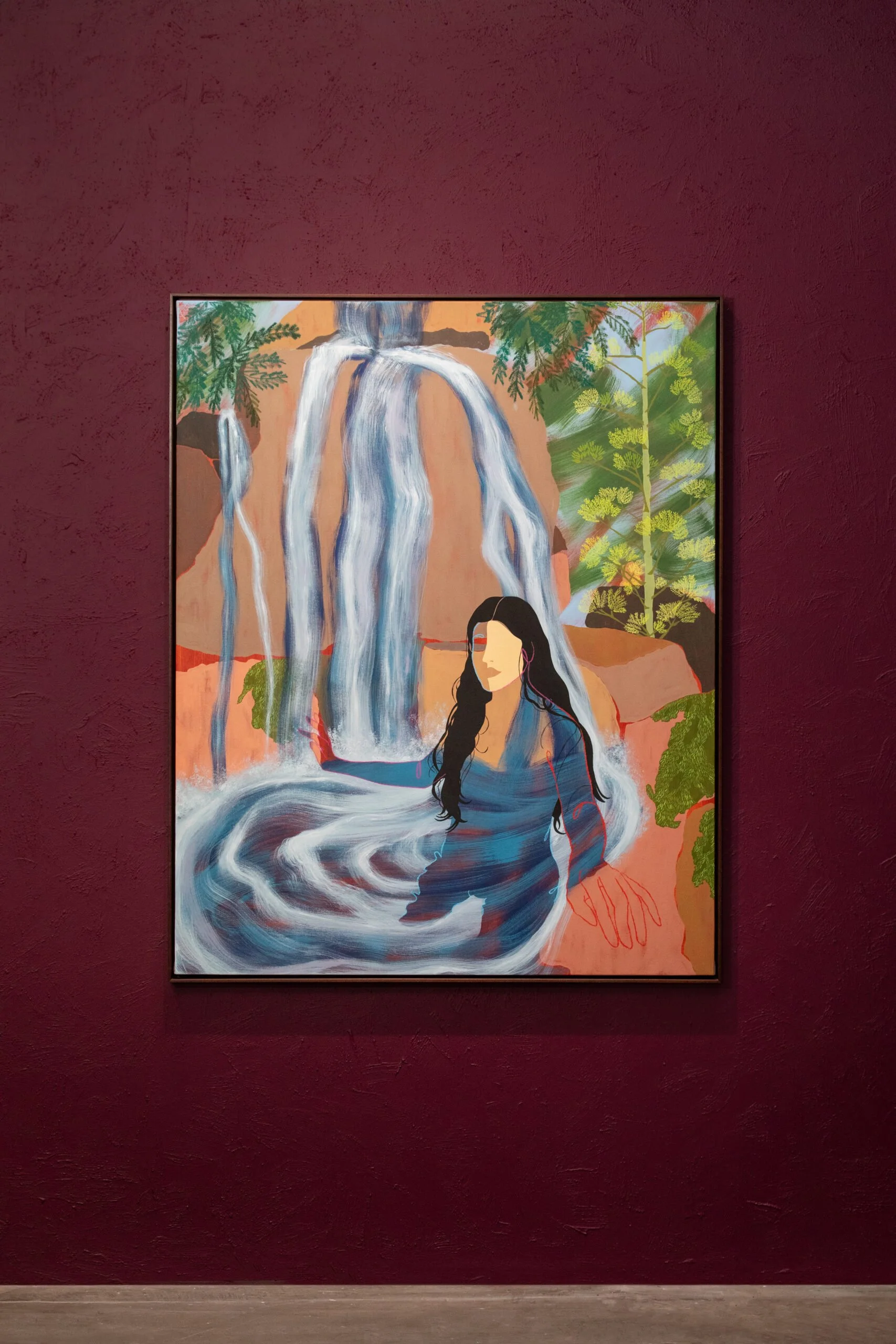
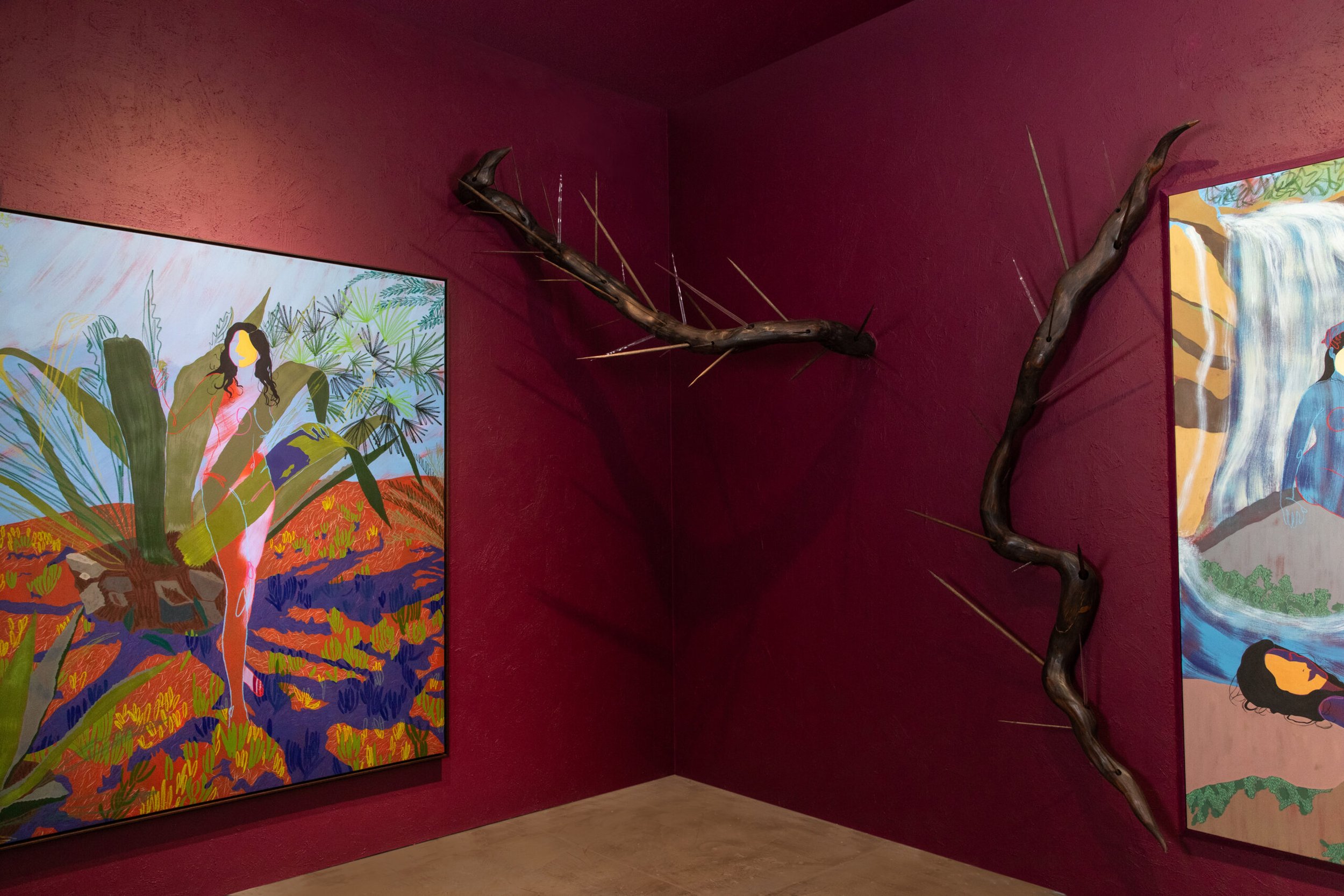
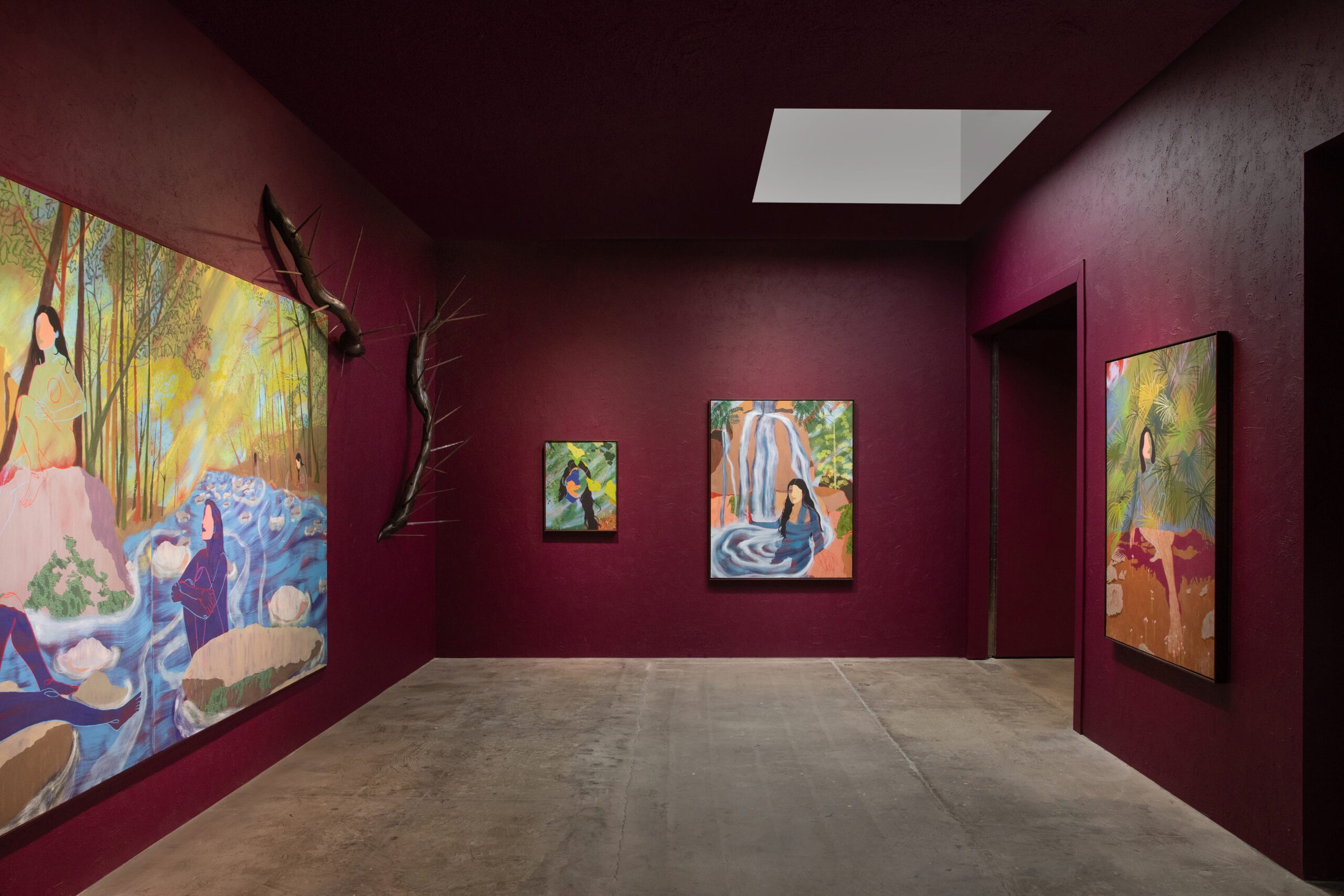
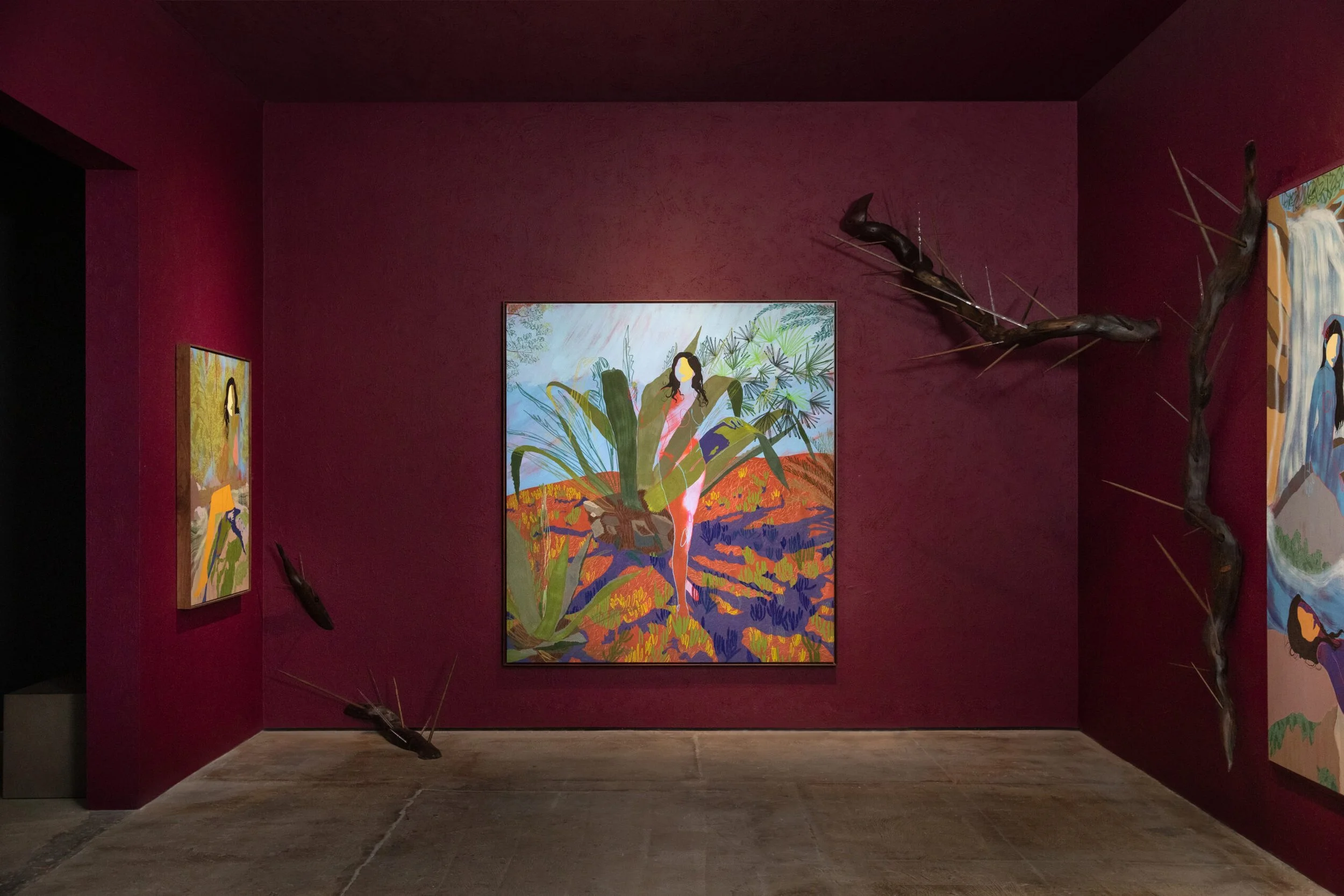
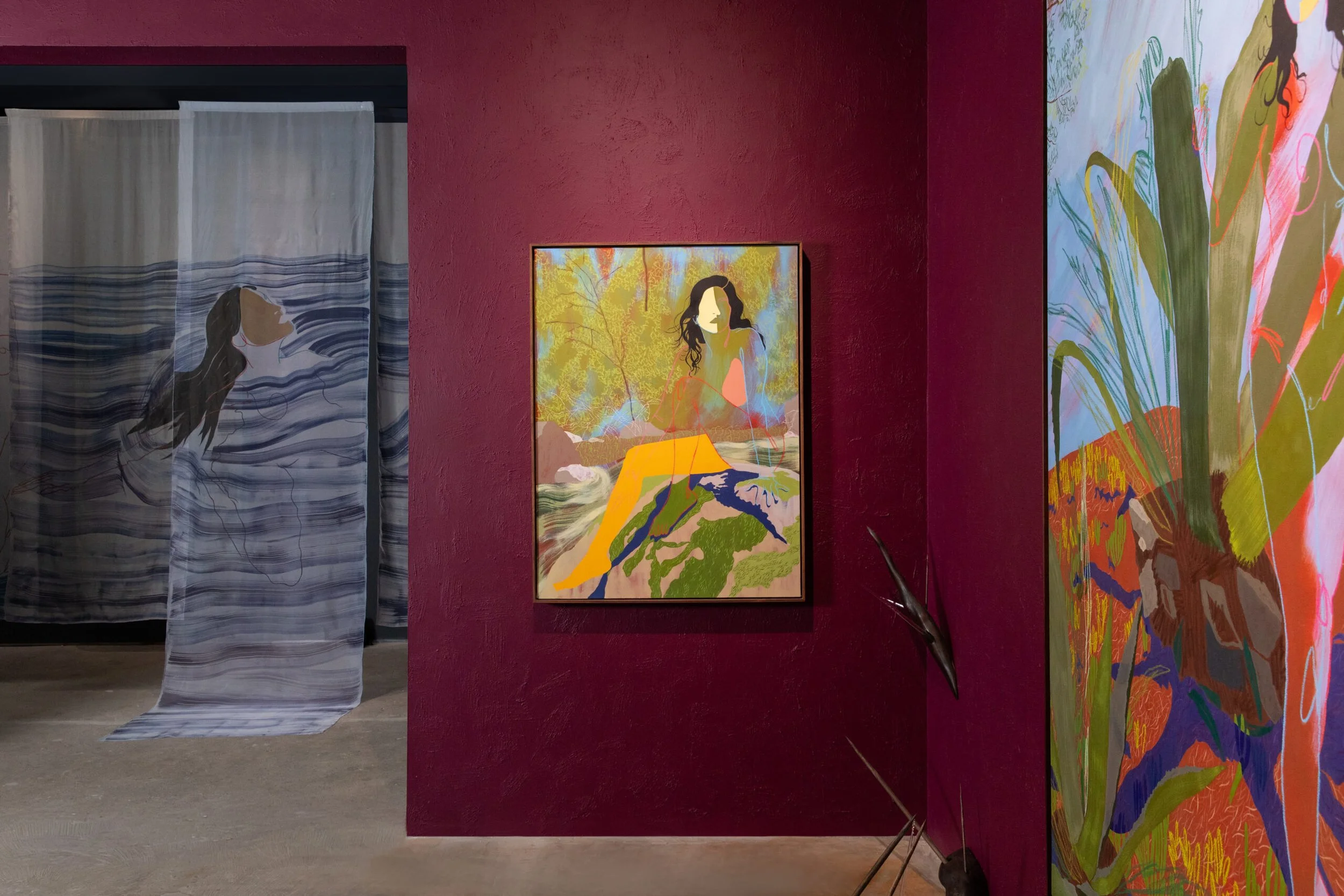
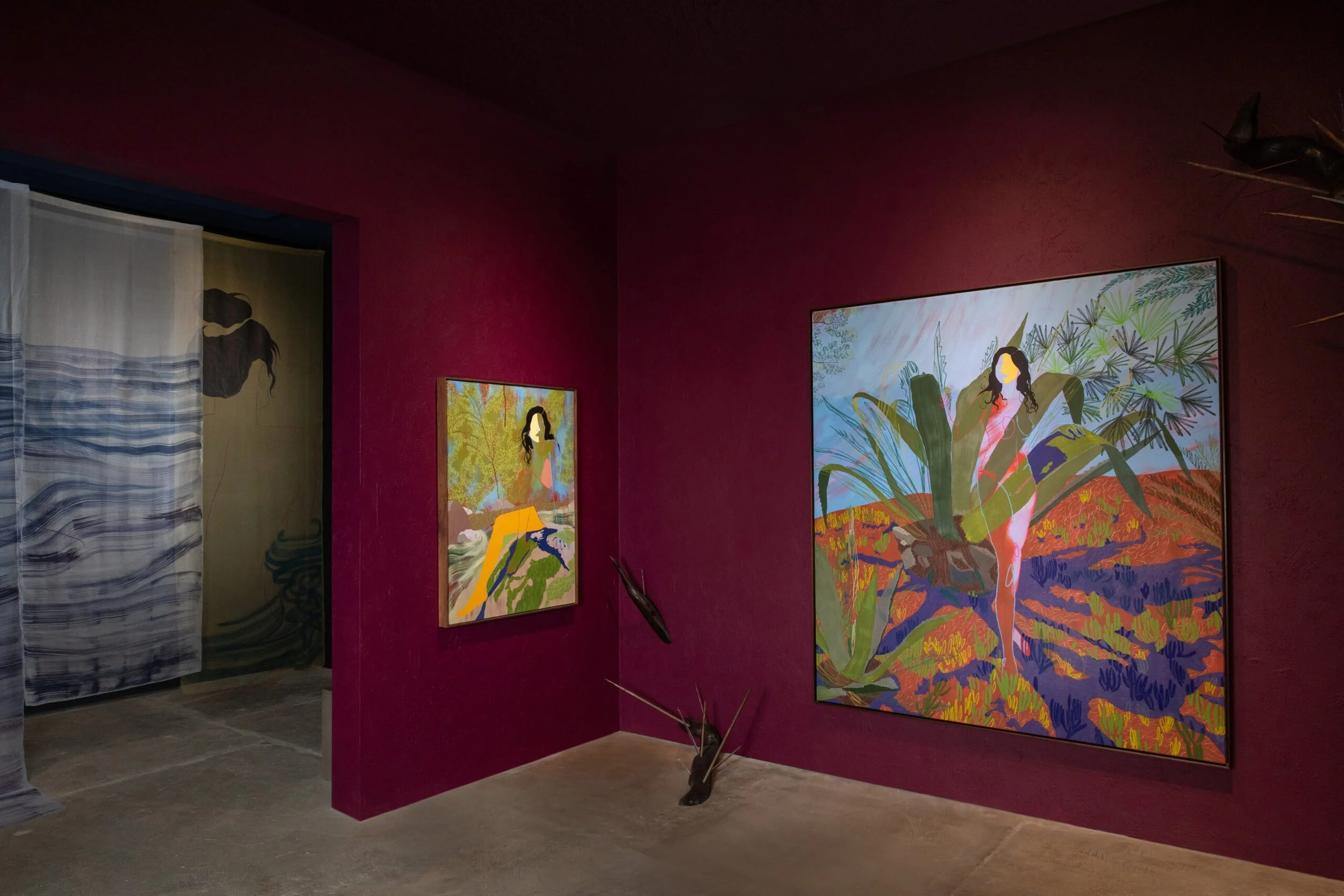
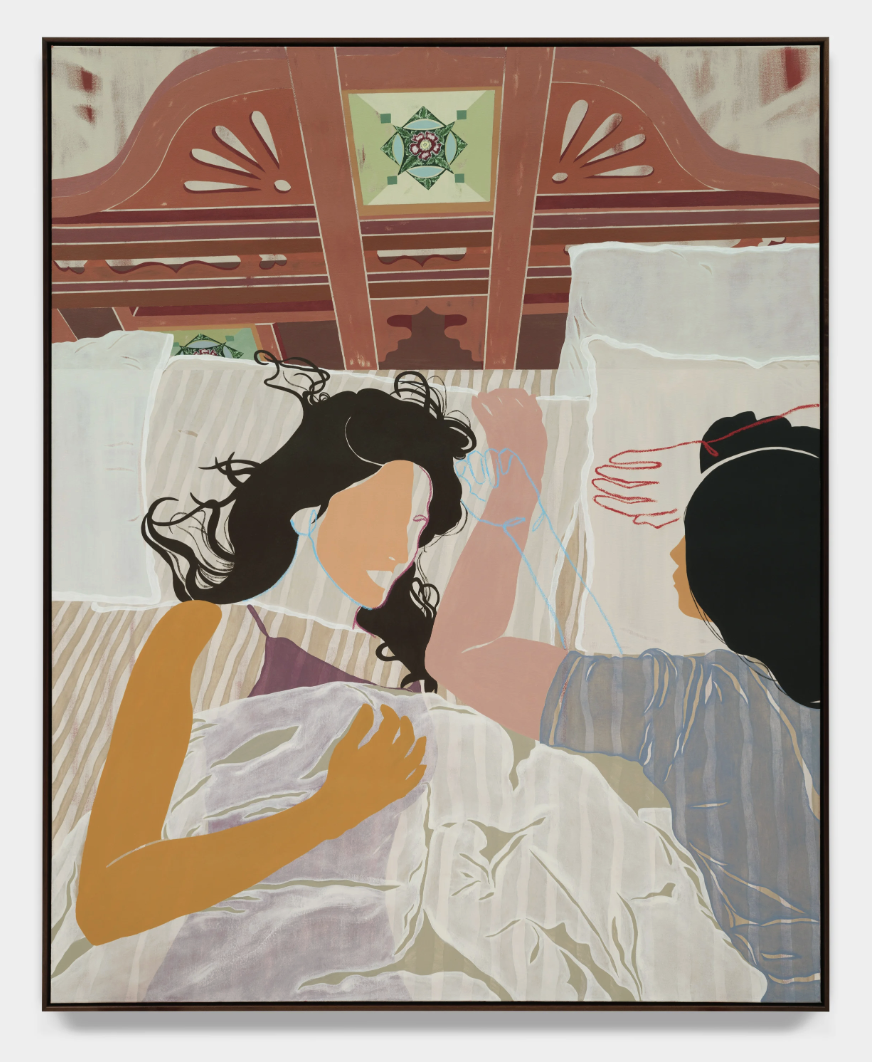
In My Body Was A River Once, Mirchandani mobilizes her recurring, elegantly phantasmic female figures beyond the domestic environments of previous works and instead transplants them into landscapes of waterfalls, flora, stone, and tree bark. Bodies amalgamate with their chosen surroundings, cultivating fluid spaces in which the boundaries between figure and landscape begin to dissolve into a confluence of rebirth.
Deriving inspiration from the Apsaras, the celestial divinities of water and movement articulated in Hindu and Buddhist tradition, Mirchandani employs these figures to investigate the concept and inheritance of intergenerational memory and the migration of ancestral stories across places and generations in the diaspora.
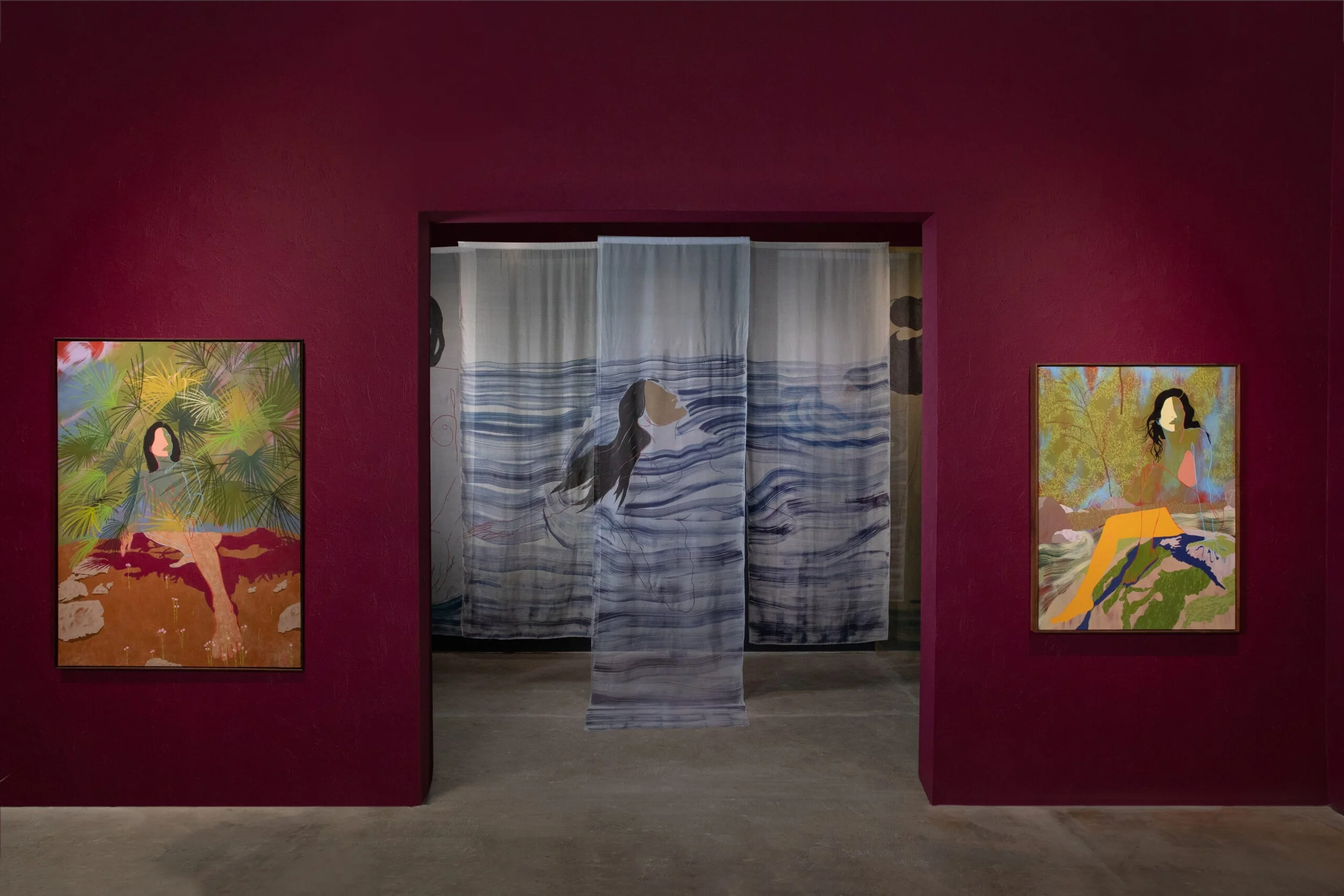
The exhibition serves as a demarcation of Mirchandani evolving material practice. Works on canvas sit adjacent to diaphanous silks, sculptural wooden forms, and sensory elements, nurturing an environment informed by transformation, lineage, nature, and the perennial search for belonging.
Framed by Harlem Frames
For My Body Was A River Once, Harlem Frames created Mirchandani’s signature custom natural walnut float frames, continuing a framing and fitting collaboration that cemented our friendship.
The float construction creates a considered space between the edge of the canvas and the surrounding walnut, allowing the full painted surface—and the physical presence of each canvas—to remain visible. The natural walnut texture is nothing short of exquisite and smooth. The wood adds a natural warmth and subtlety, ensuring the frame retains a restrained profile as it elegantly embraces Mirchandani's compositions.
That relationship between artwork and frame material was particularly suited to this exhibition. As Mirchandani's paintings bridge the connections between body, land, memory, and the organic natural world, the innate character of the walnut supplies us with a peaceful material that complements the elemental thematics of the artist’s work without interrupting her visual language.
The resulting frames are intended to accentuate the pre-existing definition of Mirchandani’s paintings within the exhibition space. Again, the goal is to never outcompete the work, but to elevate the presentation while allowing the excellence of the work enough room to breathe.
For Harlem Frames, the project reflects the importance of a timeless frame, and perhaps more importantly, finding what fits the client and their needs first. You’d be surprised how loyal you become to a frame when it transforms the reception of the work itself for the better. When working closely with any artist, framing becomes integral to an artist's evolving visual vernacular. This deliberate framing process is developed by understanding the artist’s intention, as much as it about familiarizing oneself with the aesthetics of the work, materials, scale, and the environments in which the work will ultimately be experienced.
Harlem Frames is proud to continue its collaboration with Anoushka Mirchandani and to have had a humble hand in presenting the works in My Body Was A River Once at the Institute of Contemporary Art San José.
Framed with Care, In Harlem.
Artist: Anoushka Mirchandani
Exhibition:My Body Was A River Once
Institution: Institute of Contemporary Art San José
Curator: Zoë Latzer
Exhibition Dates: January 16–August 23, 2026
Framing: Natural walnut float frames by Harlem Frames
Explore the exhibit:
https://www.icasanjose.org/uncategorized/anoushkamirchandanipressrelease/
https://www.icasanjose.org/archive/mybodywasariveronce/
Related Projects: Anoushka Mirchandani: Everyone You Love Lives Here The FLAG Art Foundation · New York, NY · 2026

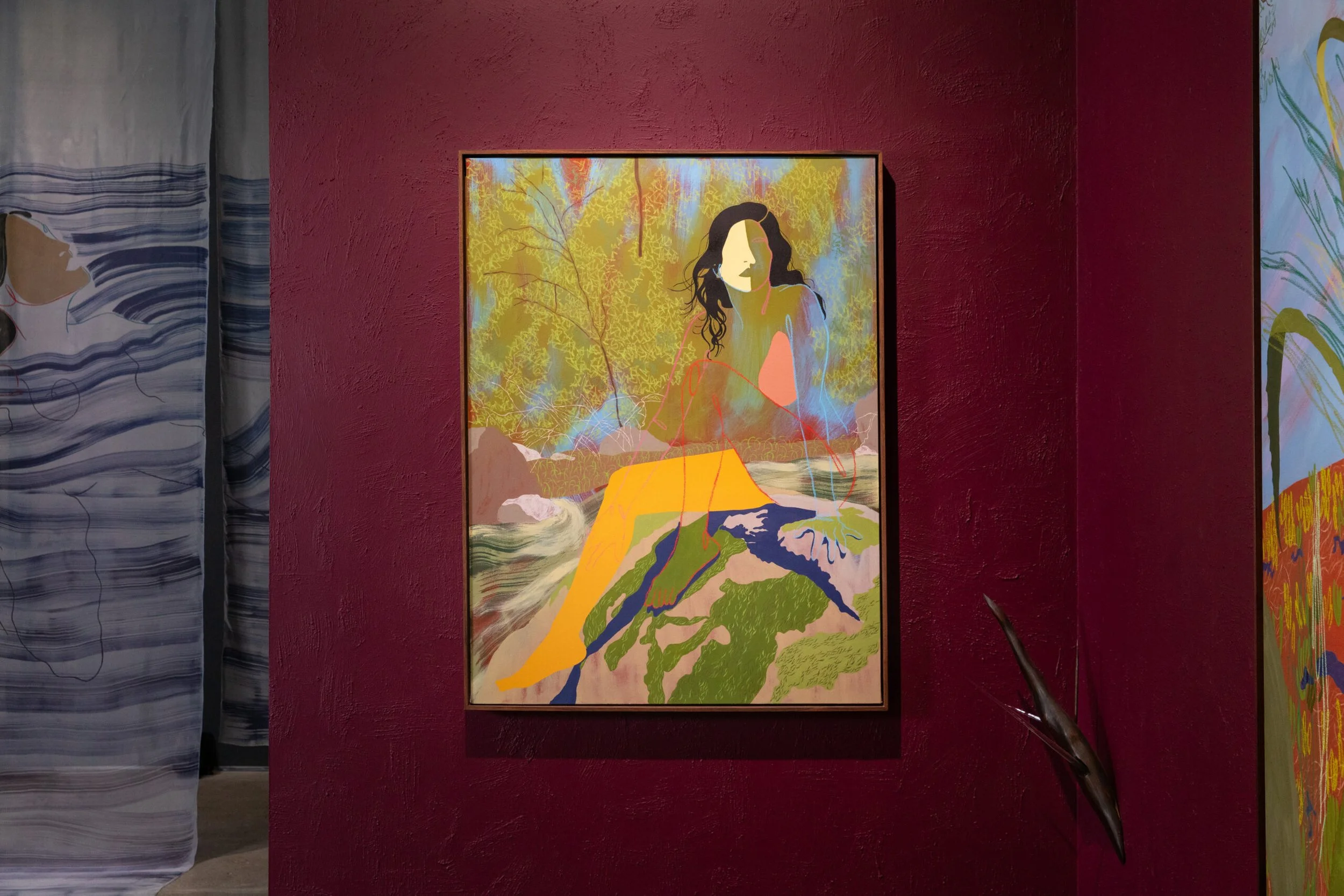
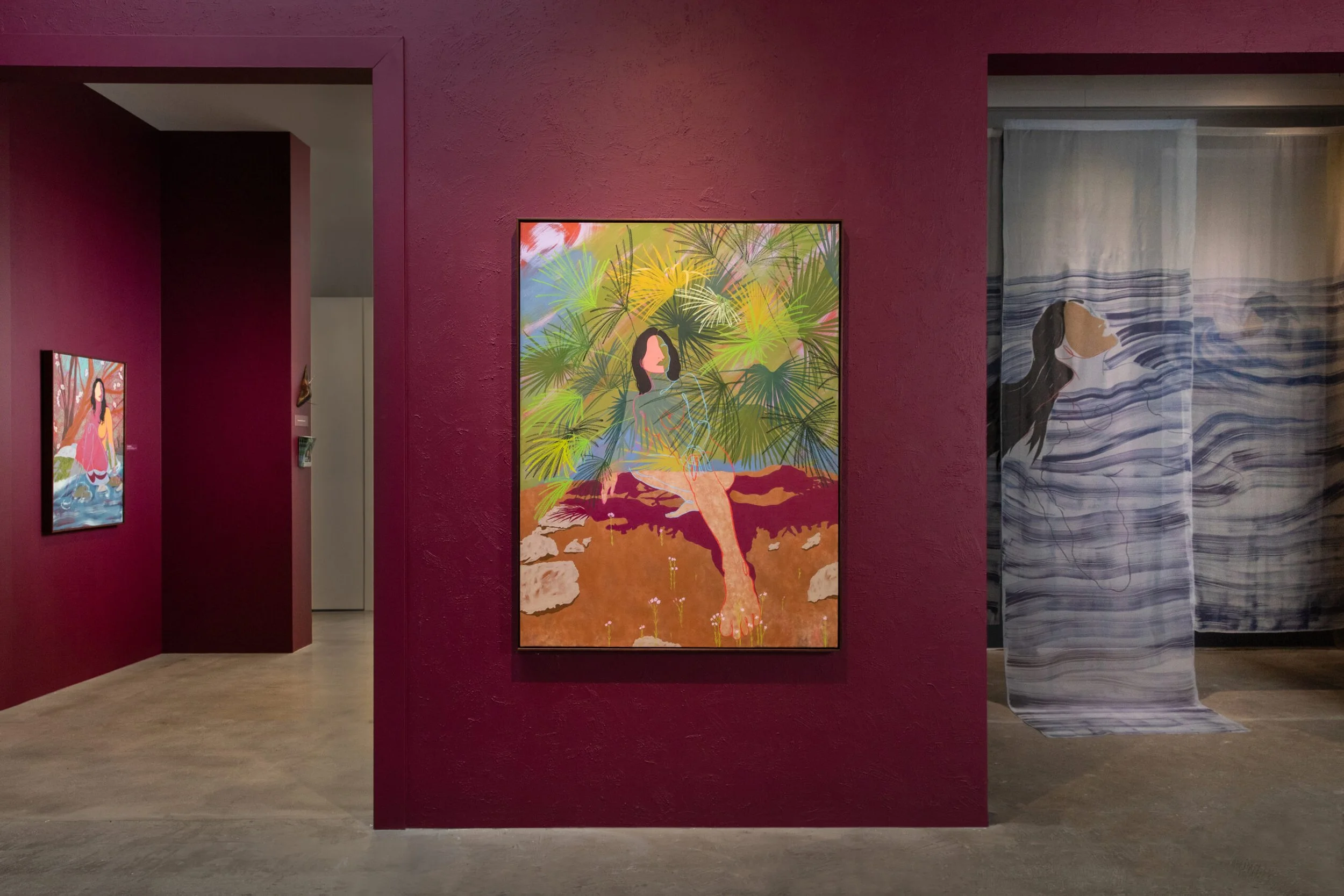
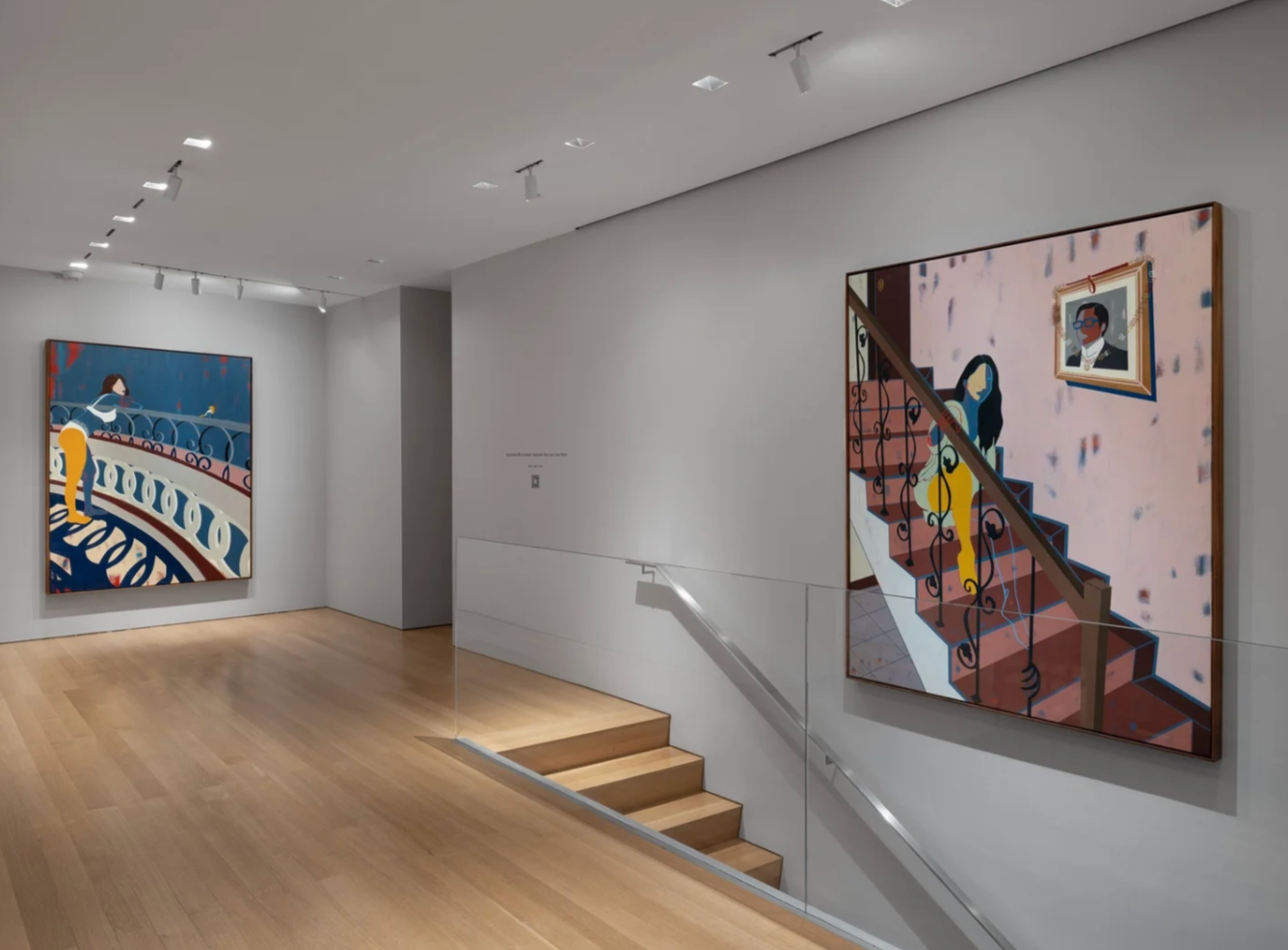
Anoushka Mirchandani: Everyone You Love Lives Here The FLAG Art Foundation · New York, NY · 2026
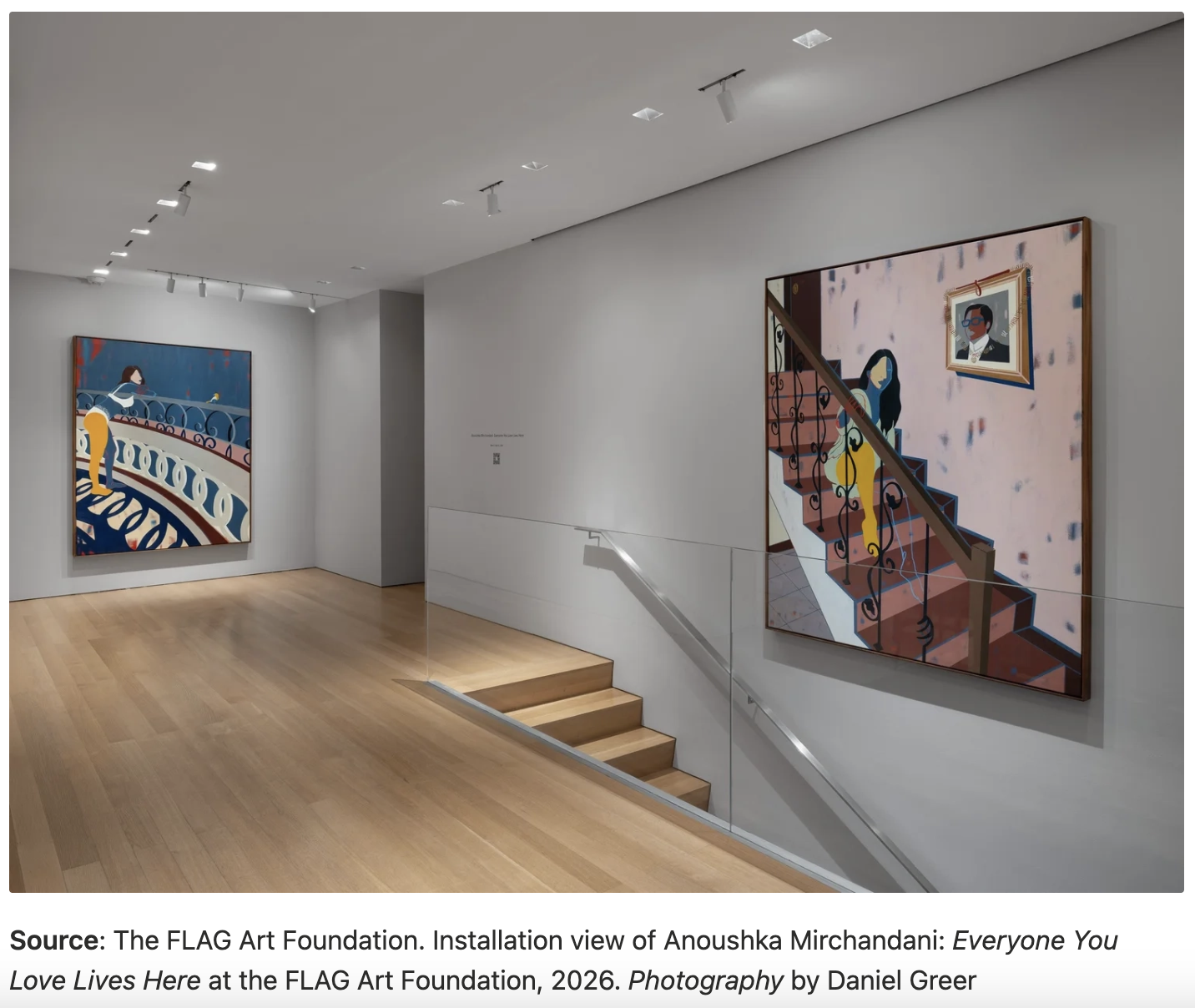
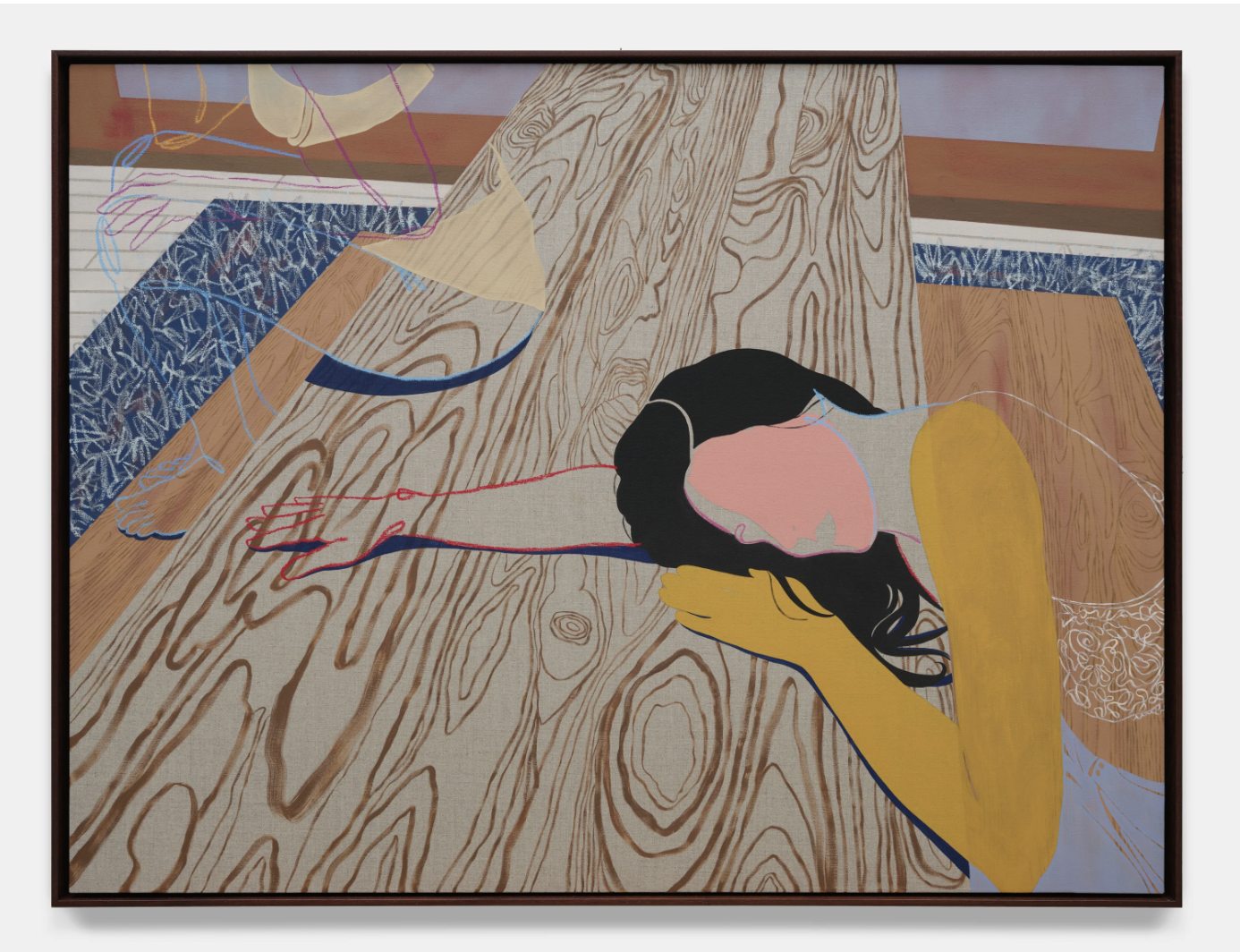
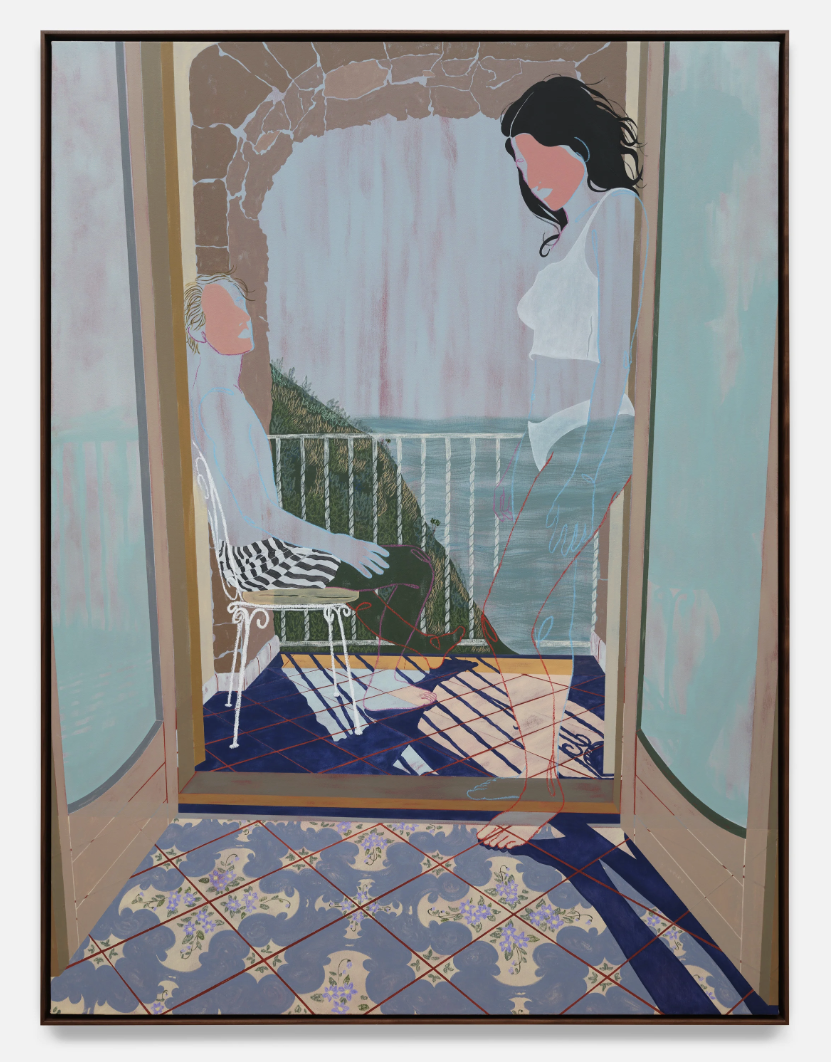
As part of the FLAG Art Foundation in New York, Harlem Frames has had the pleasure of framing and installing the works of artist Anoushka Mirchandani in her 2026 exhibit, Everyone You Love Lives Here.
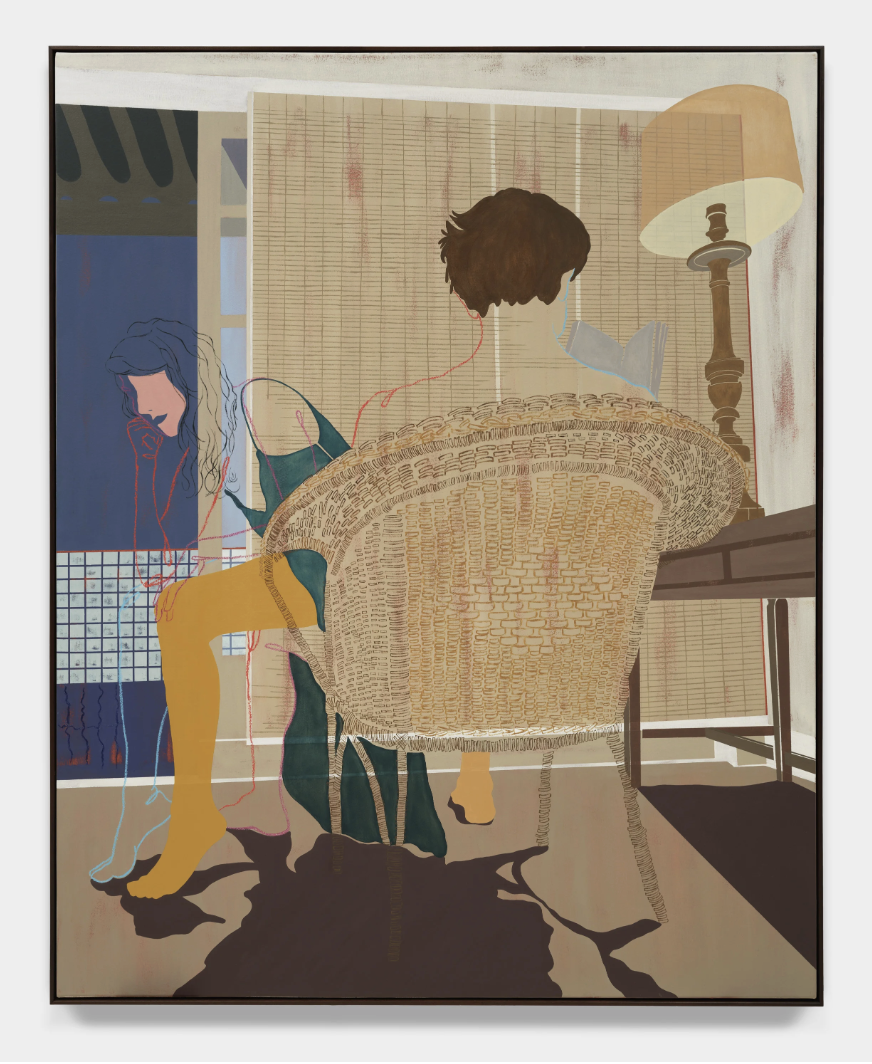
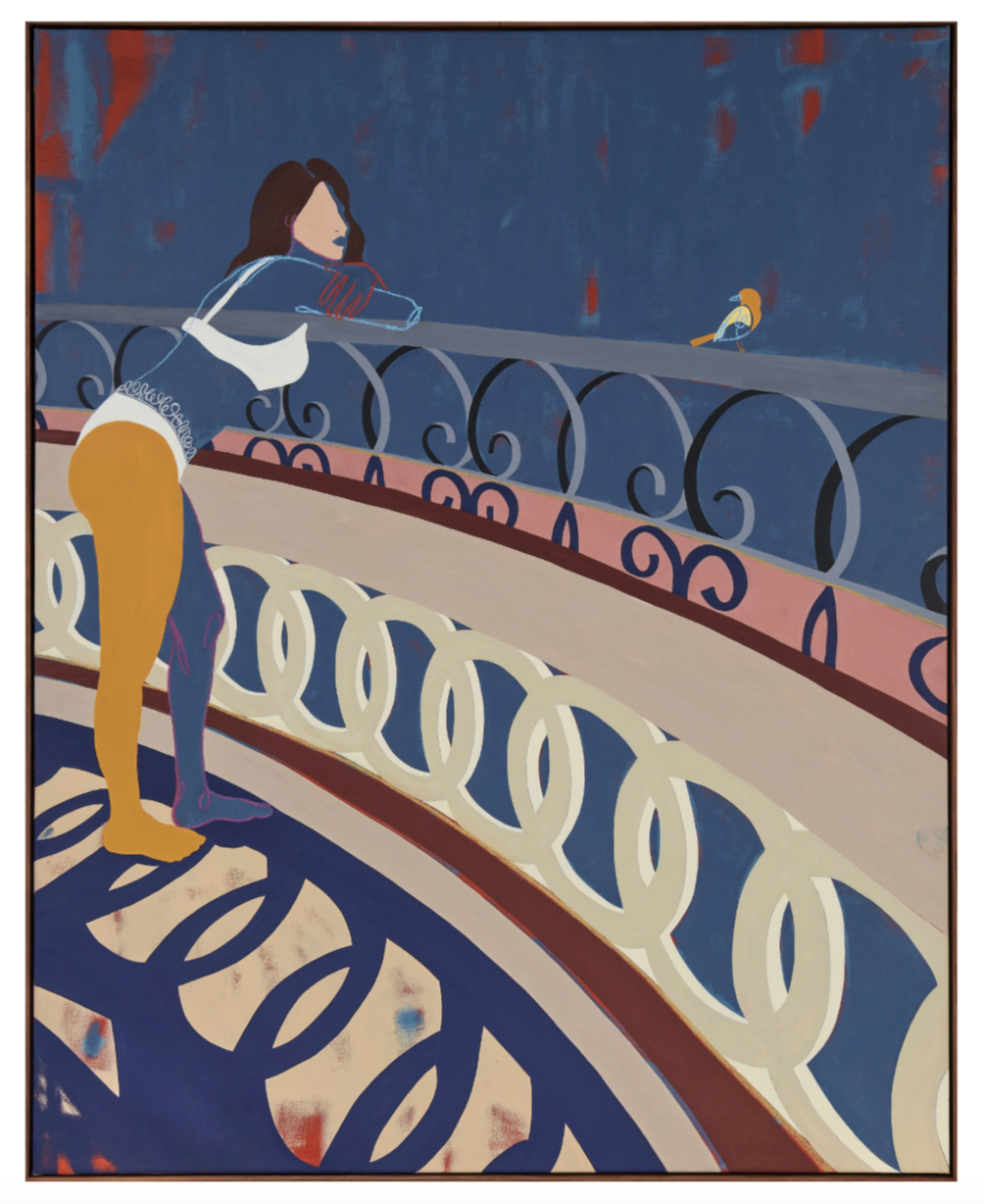
In a curation of both new and recent paintings, Mirchandani’s exhibit investigated identity as an embodied experience—a malleable thing that’s continually shaped and reformed via memory, place, intimacy, ancestry, and the distinct lived experiences of the artist. Echoed across each portrait, domestic interior, and picturesque yet lush natural landscape, reside Mirchandani's ghostly figures traversing between states of contemplation and metamorphosis, a deeper imprint of the artist's own experience of navigating belonging and dissonance that exists between India and the United States.
The Exhibition
Presented at The FLAG Art Foundation from May 27 through July 31, 2026, Everyone You Love Lives Here espoused three essential, interconnected bodies of Anoushka Mirchandani's work. Her paintings invited a dialogue with works by Louise Bourgeois, Cindy Sherman, and Lisa Yuskavage, examining her personal instances of womanhood, memory, nature, and identity, situated prolifically within a broader intergenerational conversation of the female condition.
Mirchandani’s work excavates intimate scenes and richly constructed environments, undulating between the personal and the universal. Family history, domestic realms, South Asian mythology, and the natural environment are designated as sites of intrigue and inquiry, in which Mirchandani ruminates on the ways identity is inherited, crafted, and transmuted through the beguiling but educative experiences of womanhood.
Framed by Harlem Frames
For Everyone You Love Lives Here, Harlem Frames had the privilege of crafting and fitting natural walnut float frames for each of Mirchandani's paintings.
The float-frame construction introduces a subtle but impactful separation between each painting and its surrounding frame, permitting the edges of her works to remain emphatic in color and embrace, while giving each piece a defined architectural dynamism. Natural walnut was carefully selected for its warmth, depth, and understated grain-like charm, complementing the rich colors and intimate character of Mirchandani's paintings without ever competing with them, because after all, a framer’s duty is to never compete, but to accentuate the brilliance of the artwork itself.
The resulting presentation enables the paintings to feel both contained and open to audiences. The slightly narrow visual space created by the float allows each respective work the room it needs to breathe, while simultaneously allowing the walnut to provide a warm material transition between the painted surface and the surrounding gallery’s white space.
For Harlem Frames, the project reflects an approach to custom framing in which material, proportion, construction, and artwork are considered as a single presentation. It’s essential to recall that the frame isn’t fully intended to serve as an enclosure, but rather an extension of how the work is experienced in the exhibition space.
Harlem Frames is proud to have contributed to the presentation of Anoushka Mirchandani's work for Everyone You Love Lives Here at The FLAG Art Foundation.
Framed with Care, in Harlem.
Artist: Anoushka Mirchandani
Exhibition: Everyone You Love Lives Here
Institution: The FLAG Art Foundation, New York
Exhibition Dates: May 27–July 31, 2026
Framing: Natural walnut float frames by Harlem Frames
Explore the Exhibit:
https://www.flagartfoundation.org/exhibitions/anoushkamirchandani
Related Projects: Anoushka Mirchandani: My Body Was A River Once


HFAS Summer Festival 2026 is here!
Harlem Frames is honored to return as a vendor for the 2026 Harlem Fine Arts Show Summer Festival, taking place July 17–19, at Duck Walk Vineyards in The Hamptons.
This year's gathering carries a special meaning as we remember the life and legacy of Dion Clarke, co-founder of The Harlem Fine Arts Show. Dion's vision, passion, and unwavering commitment to elevating Black artists helped cultivate the vibrant creative community we are privileged to be part of today. While we deeply miss his presence, we're grateful for the opportunity to celebrate his life, honor his memory, and reconnect with the incredible artists, collectors, and supporters who continue that legacy.
Stop by the Harlem Frames booth throughout the festival! We'll be offering convenient on-site services, including printing, professional scanning, secure artwork packaging, and frame fitting and ordering to help protect and showcase your artwork.
We look forward to seeing familiar faces, meeting new collectors and artists, and celebrating another unforgettable weekend of art, culture, and community together.
📍 Duck Walk Vineyards, The Hamptons
📅 July 17–19, 2026
See you at HFAS Summer Festival 2026!



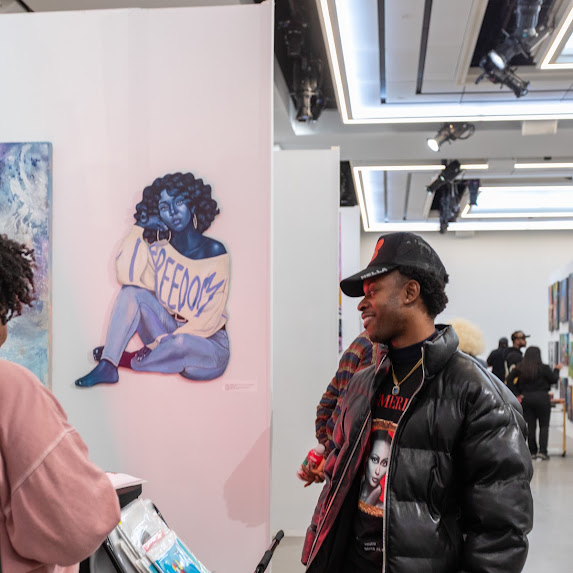
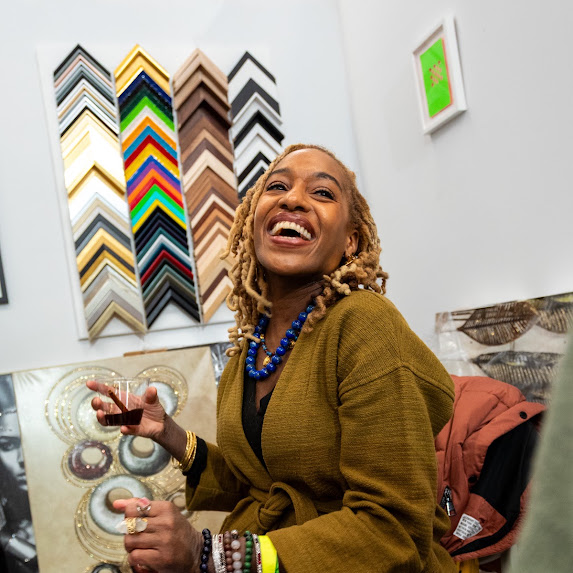
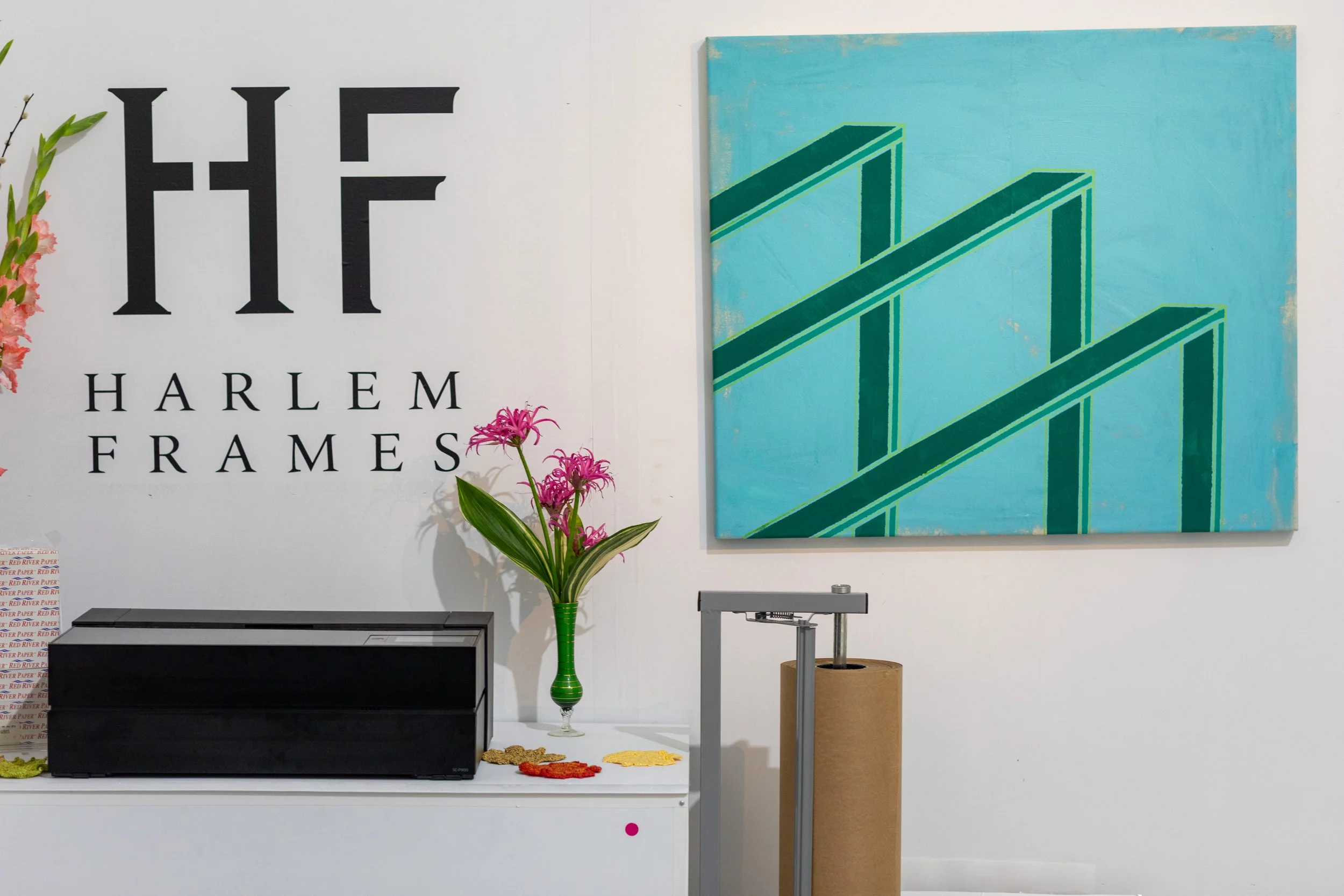
Harlem Frames at the HFAS Summer Festival 2026
Harlem Frames is participating in the Harlem Fine Arts Show Summer Festival, taking place July 17–19, 2026 at Duck Walk Vineyards in Water Mill, New York.
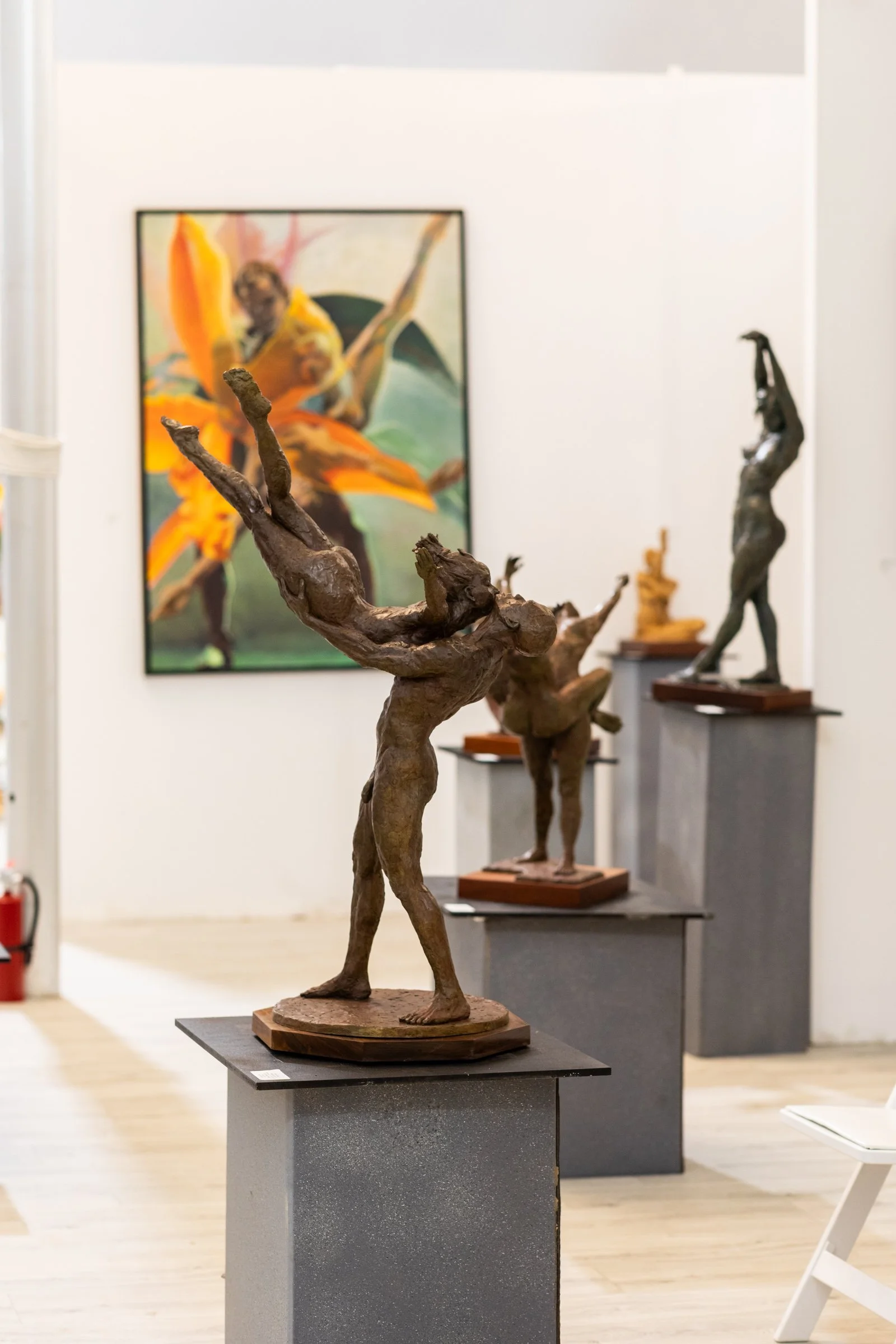
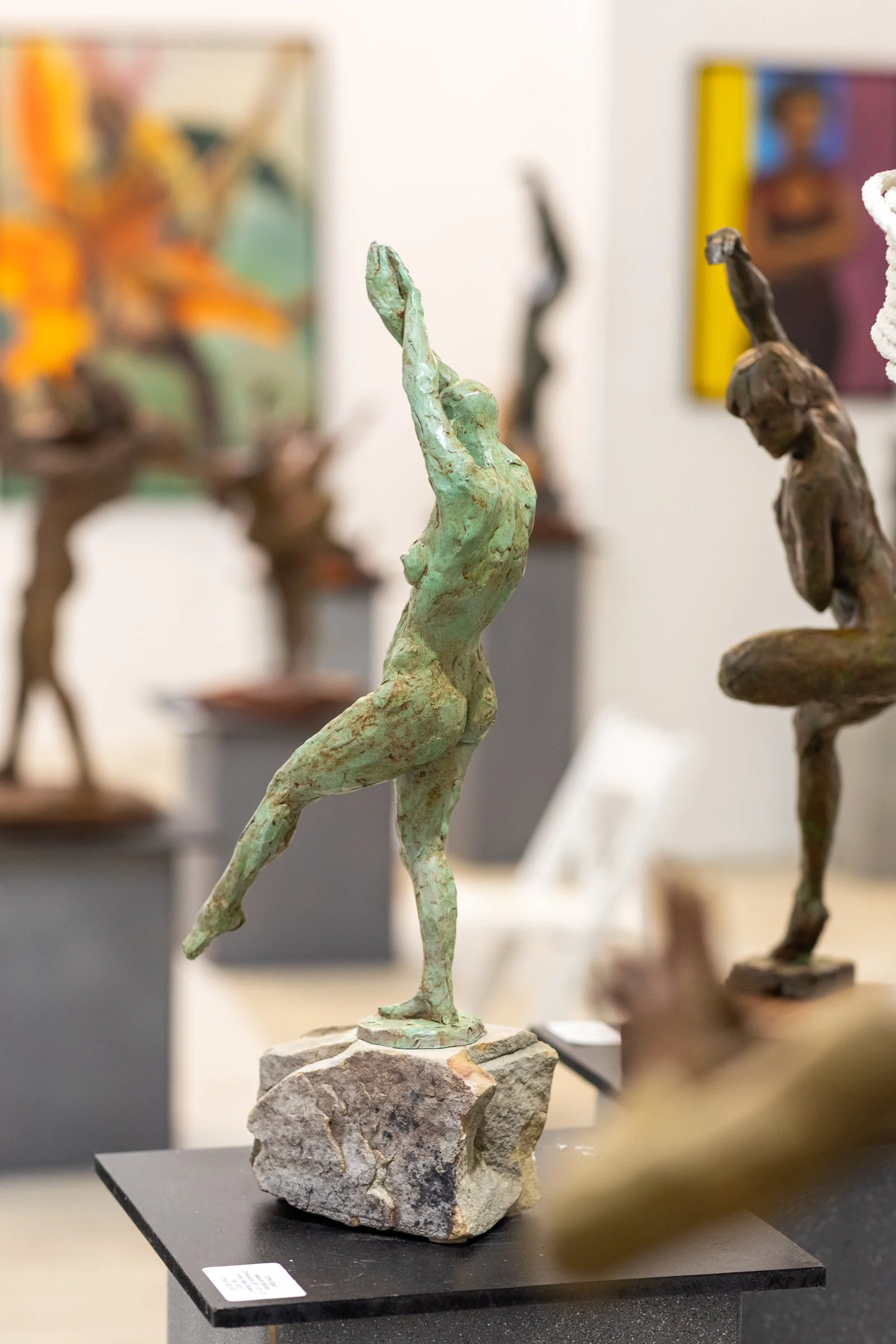
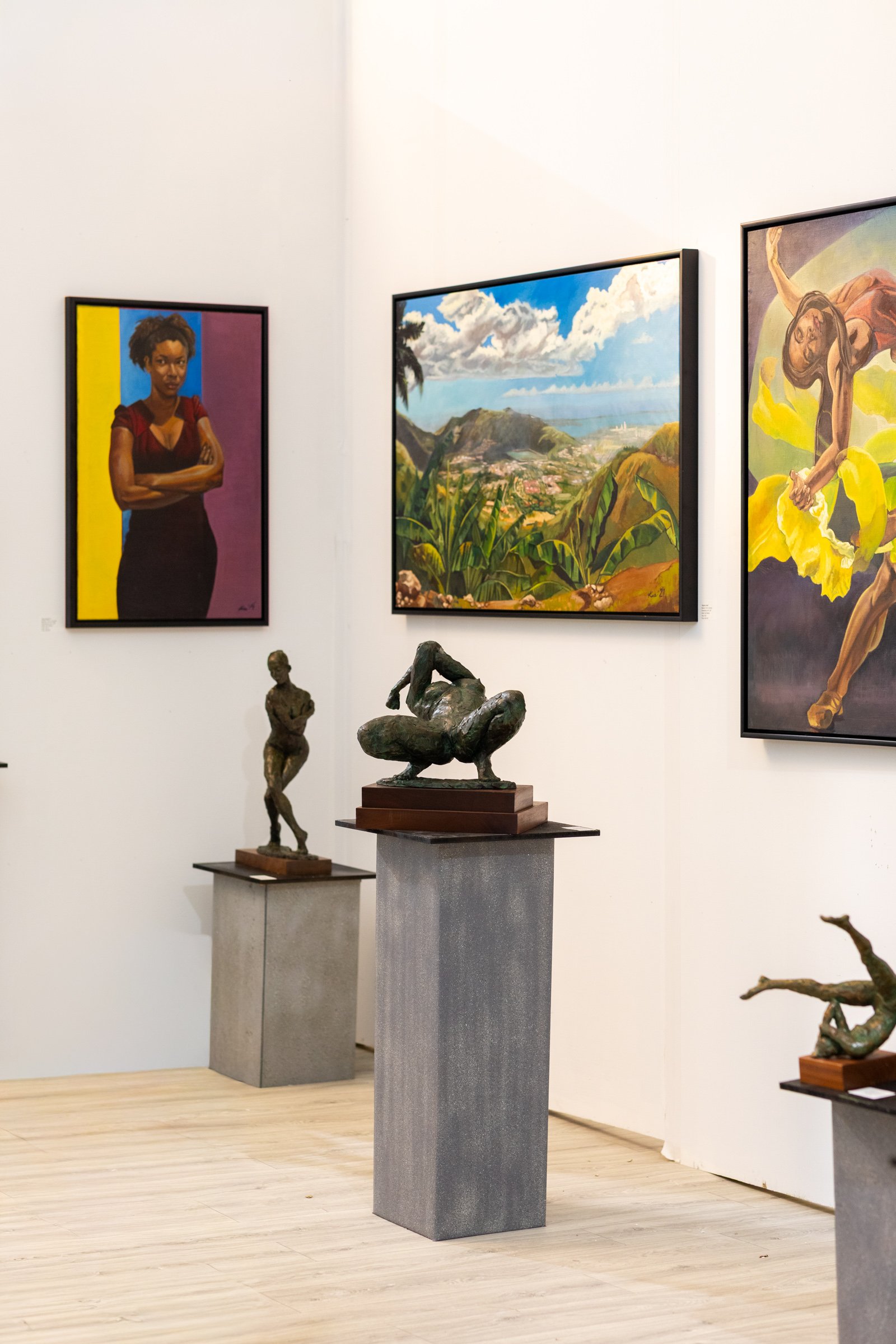
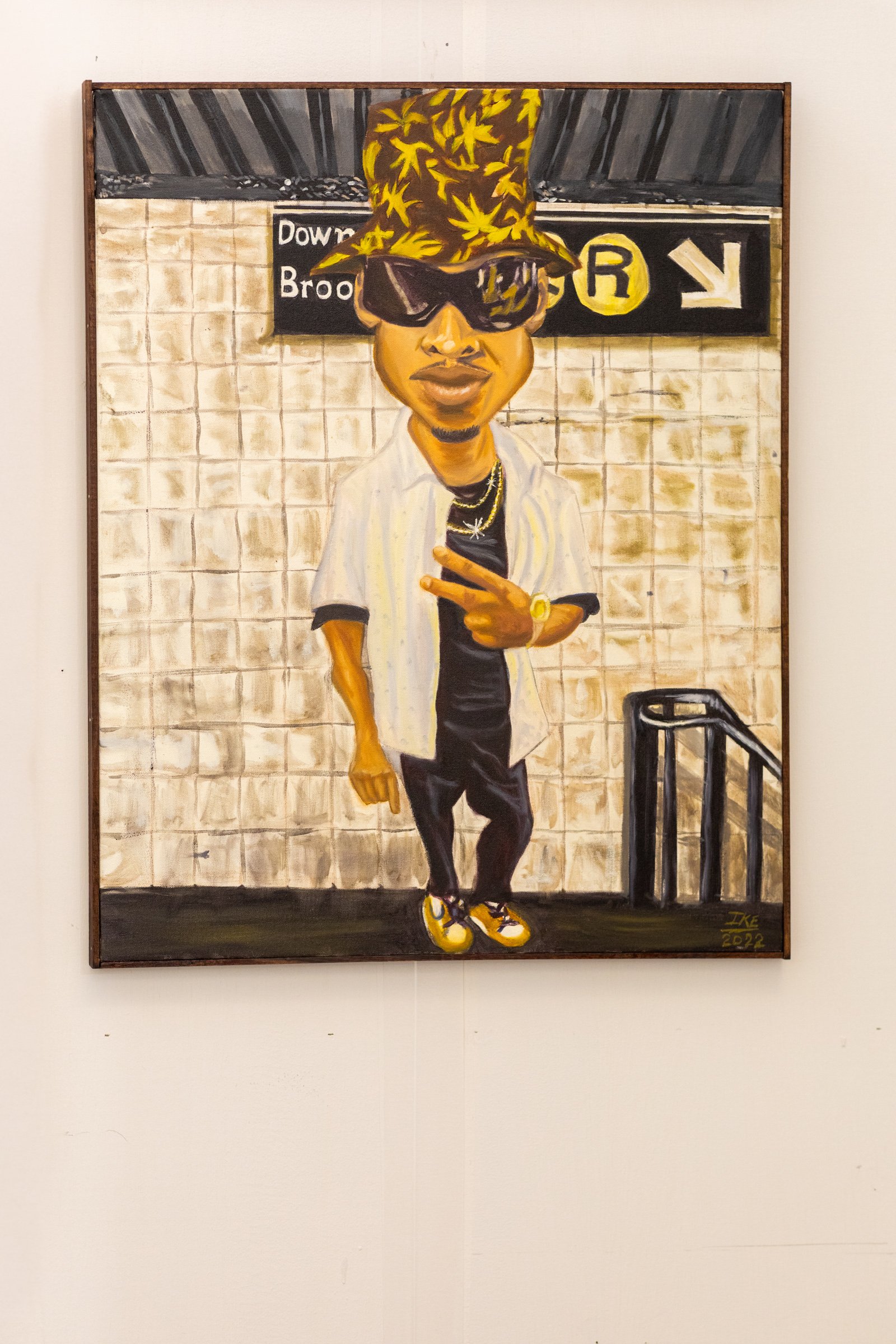
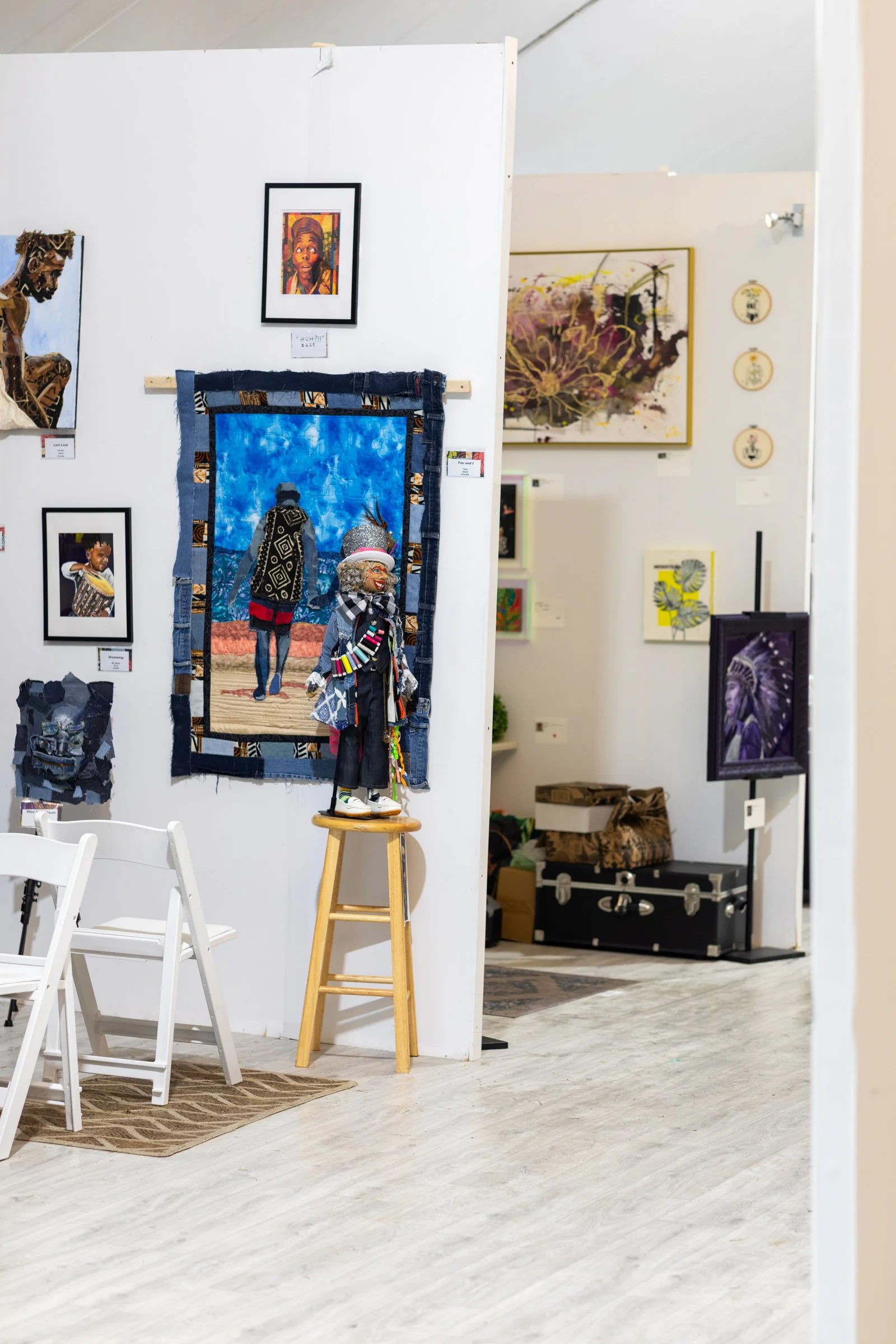
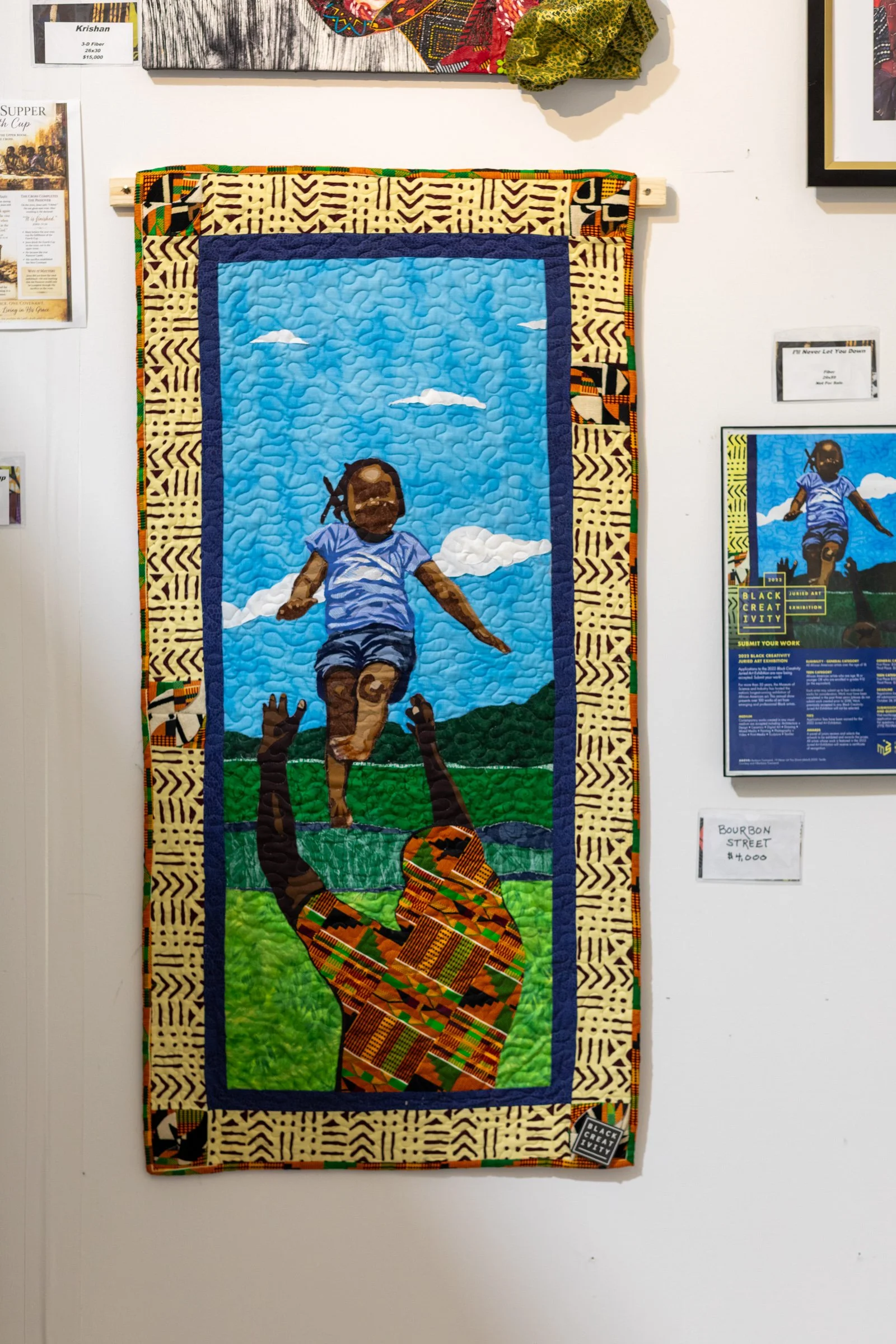
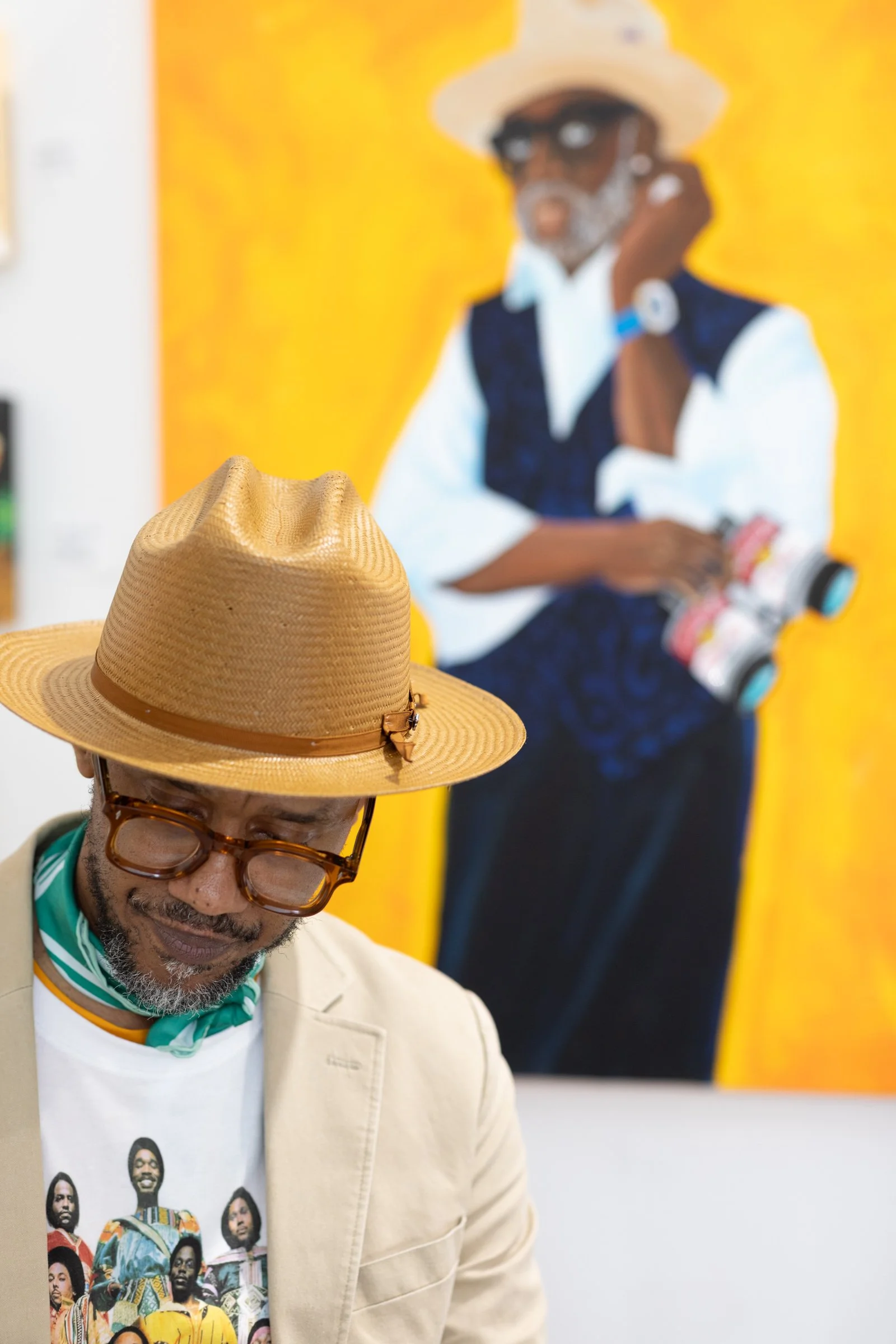
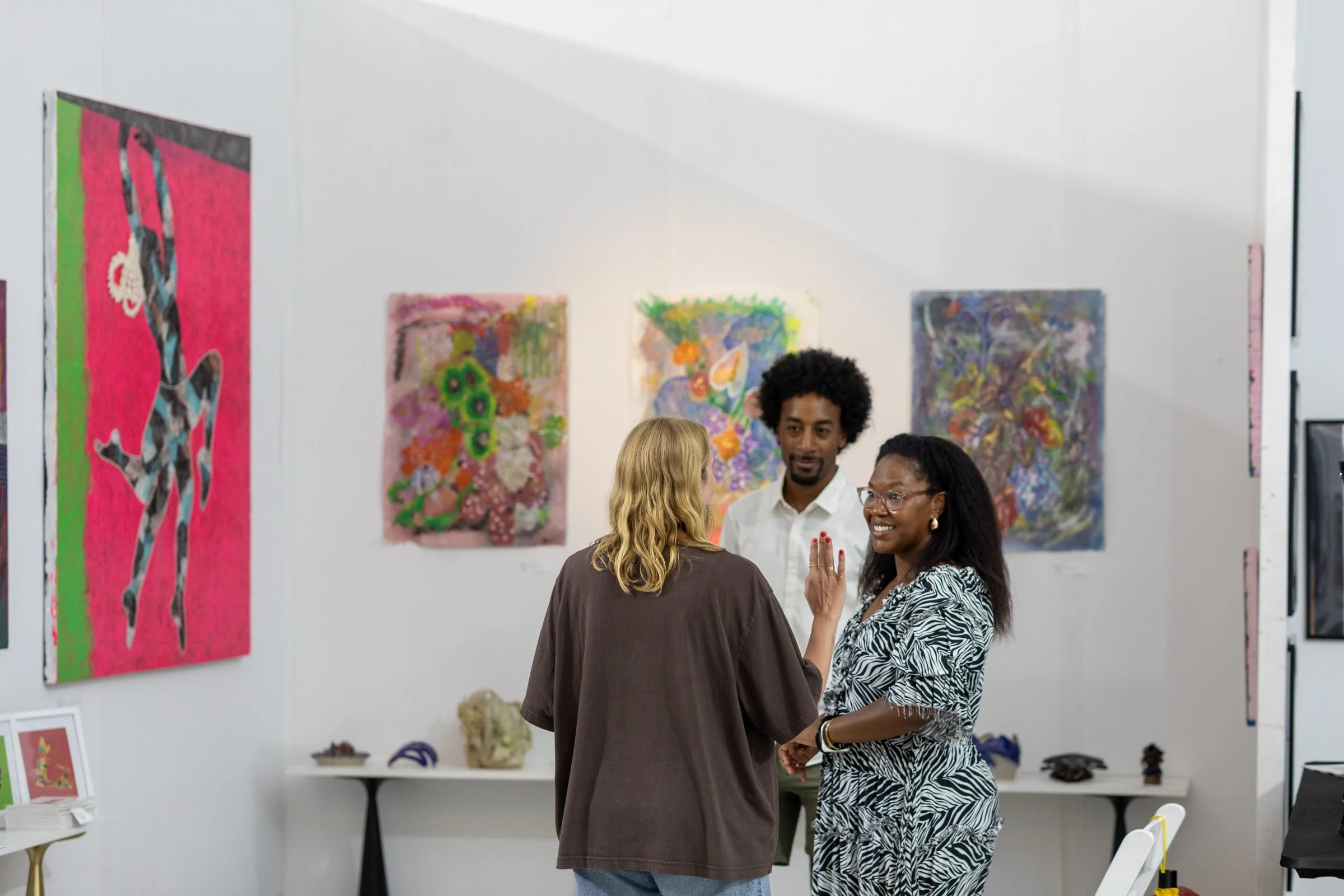
Harlem Frames once again joined in the company of incredibly talented artists, enthusiastic collectors and galleries, and left inspired by the presence of pivotal cultural leaders for the Harlem Fine Arts Show Summer Festival, held July 17–19, 2026, at Duck Walk Vineyards in Water Mill, New York.
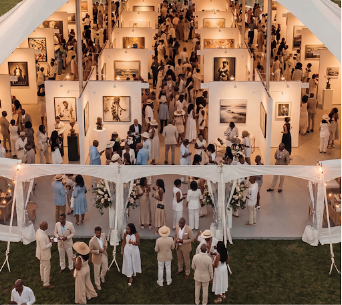
Nestled in the serenity of the Hamptons, the three-day festival brought together more than 50 esteemed and emerging artists, in addition to hosting art talks, live music, culinary programming, wine experiences, and memorable community events. Presented in partnership with the Creole Food Festival and the Alzheimer’s Association®, the weekend expanded the Harlem Fine Arts Show beyond the traditional art fair format, into a vibrant and lively broader celebration of art, culture, and community.
Harlem Frames in the Hamptons
Throughout the weekend, Harlem Frames connected with artists, collectors, and visitors while presenting the range of services we provide to the arts community.
Our presence at the festival offered us a unique opportunity to have a proper discussion on the importance of custom framing, preservation, presentation, fine-art printing, scanning, and the careful handling of artwork with artists and collectors in an environment platforming both the work itself and the people who champion it.
Participating in the HFAS Summer Festival also continued Harlem Frames’ alliance with Harlem Fine Arts Show and its commitment to creating spaces where black artists can connect with collectors, cultural organizations, and curious audiences.
For Harlem Frames, these events are as much about building relationships as they are about presenting our services. Impactful events like these enable Harlem Frames to encounter artists directly, learn more about their practices, and support the many stages through which an artwork moves—from creation and documentation to framing, exhibition, collection, and preservation.
We’re grateful to everyone who stopped by Harlem Frames throughout the weekend and proud to have been part of HFAS Summer Festival 2026.
July 17–19, 2026
Duck Walk Vineyards · Water Mill, New York
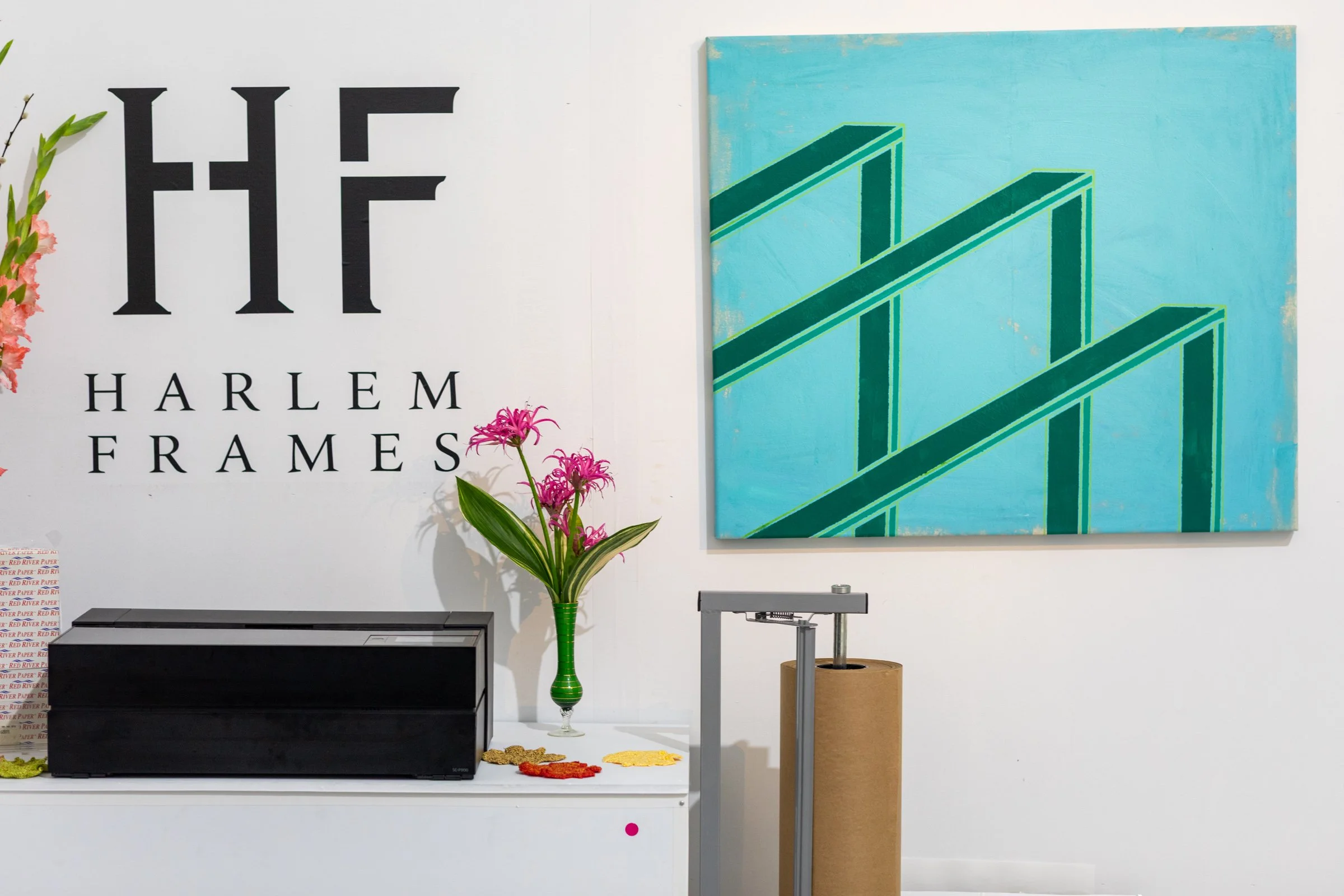
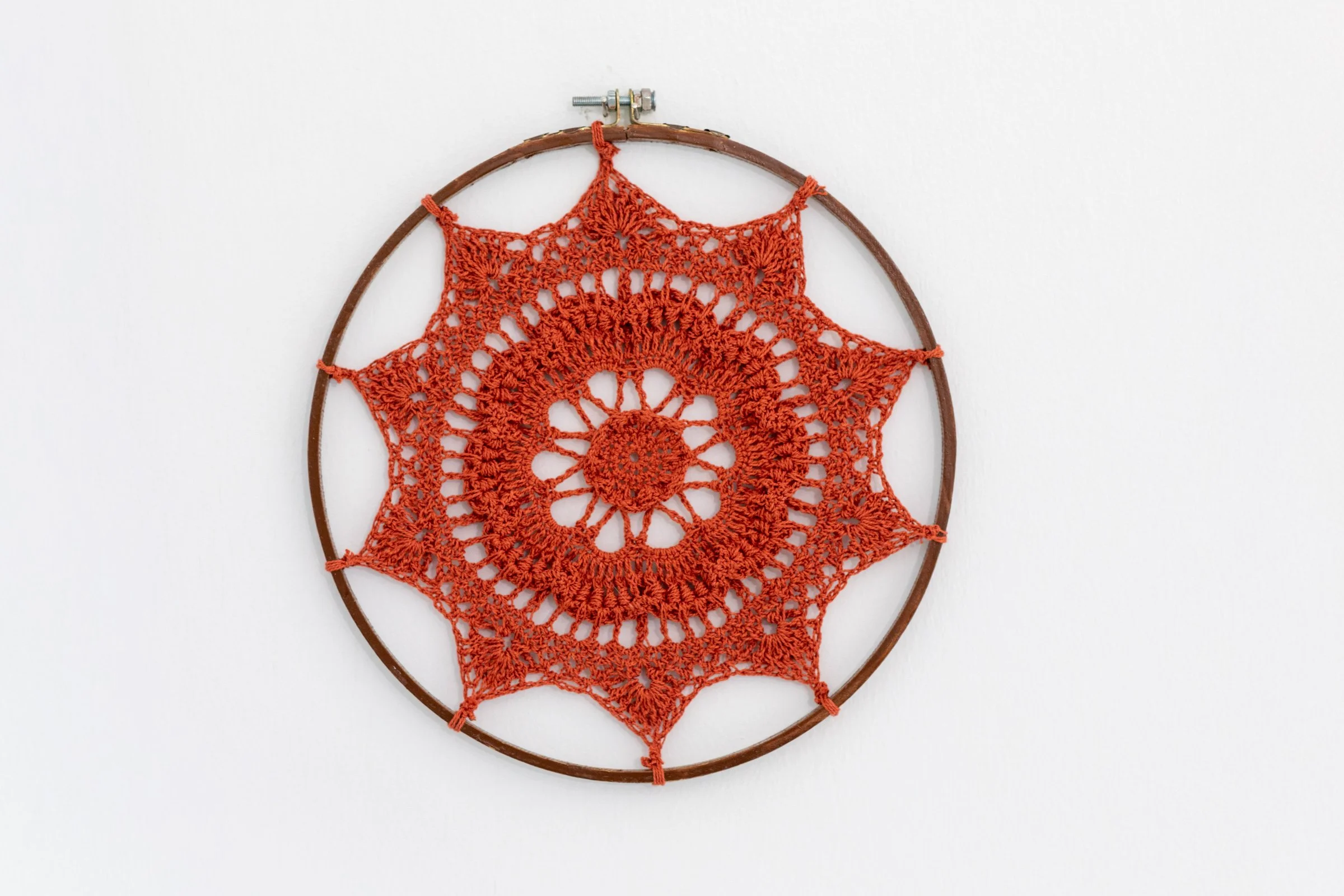
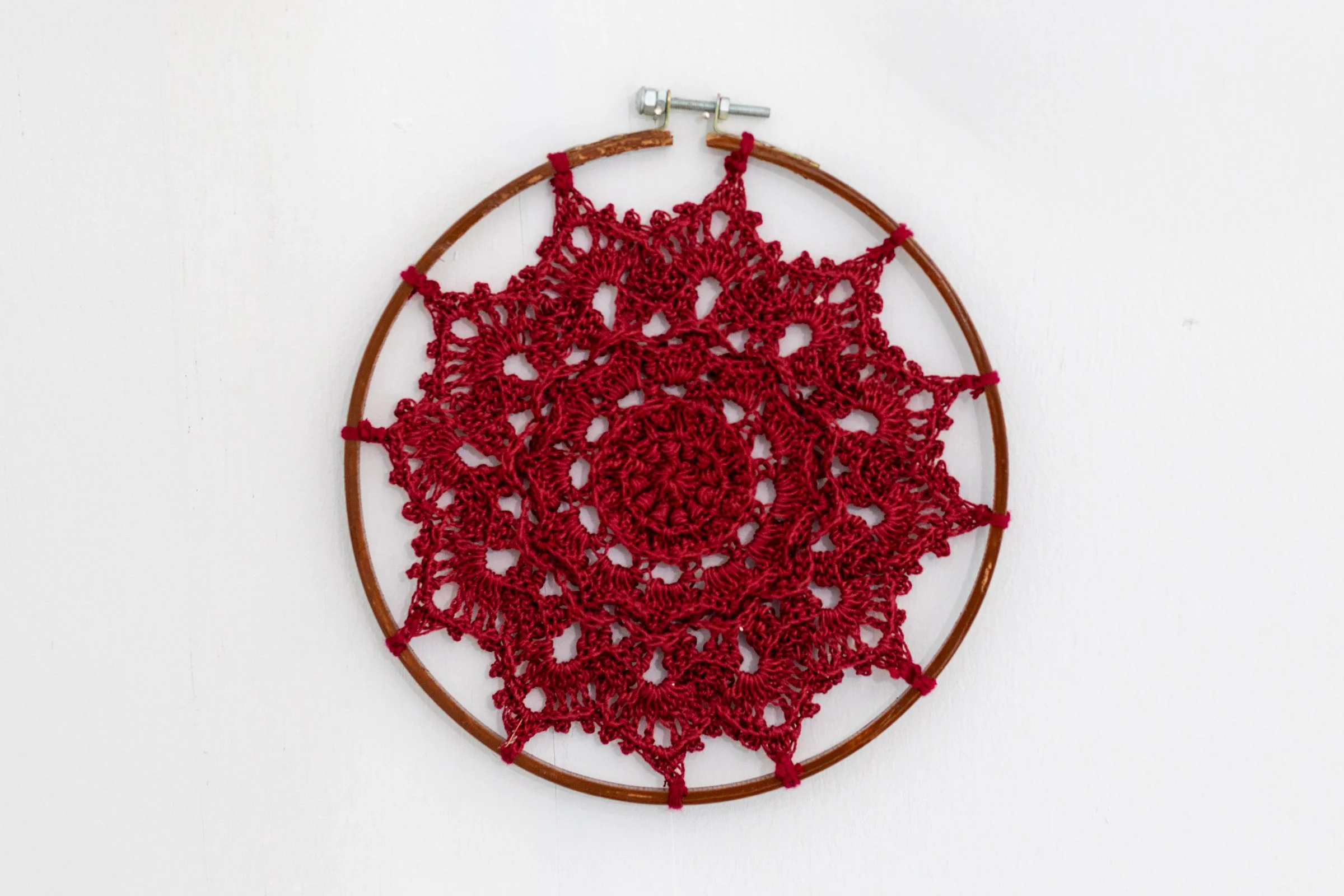
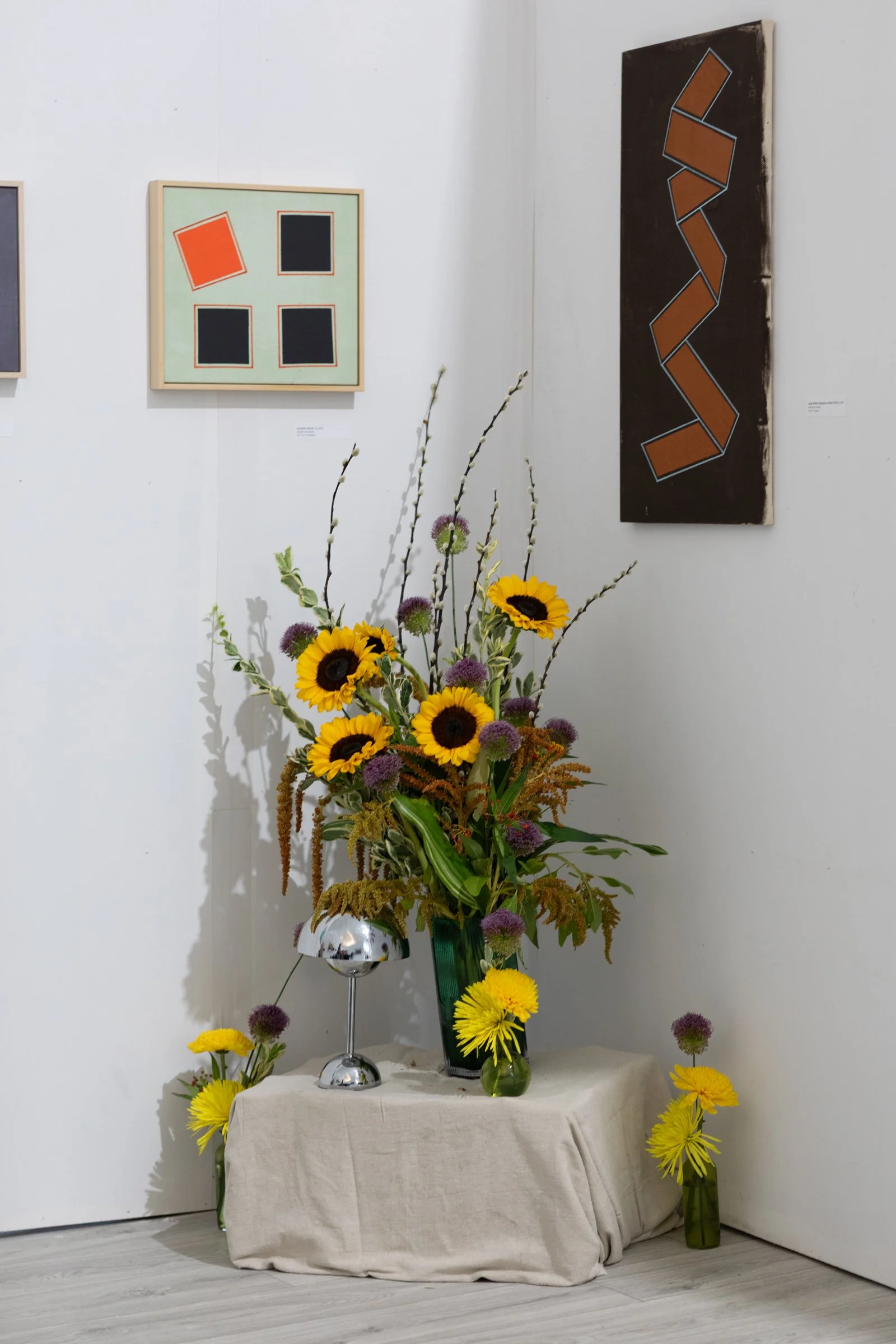

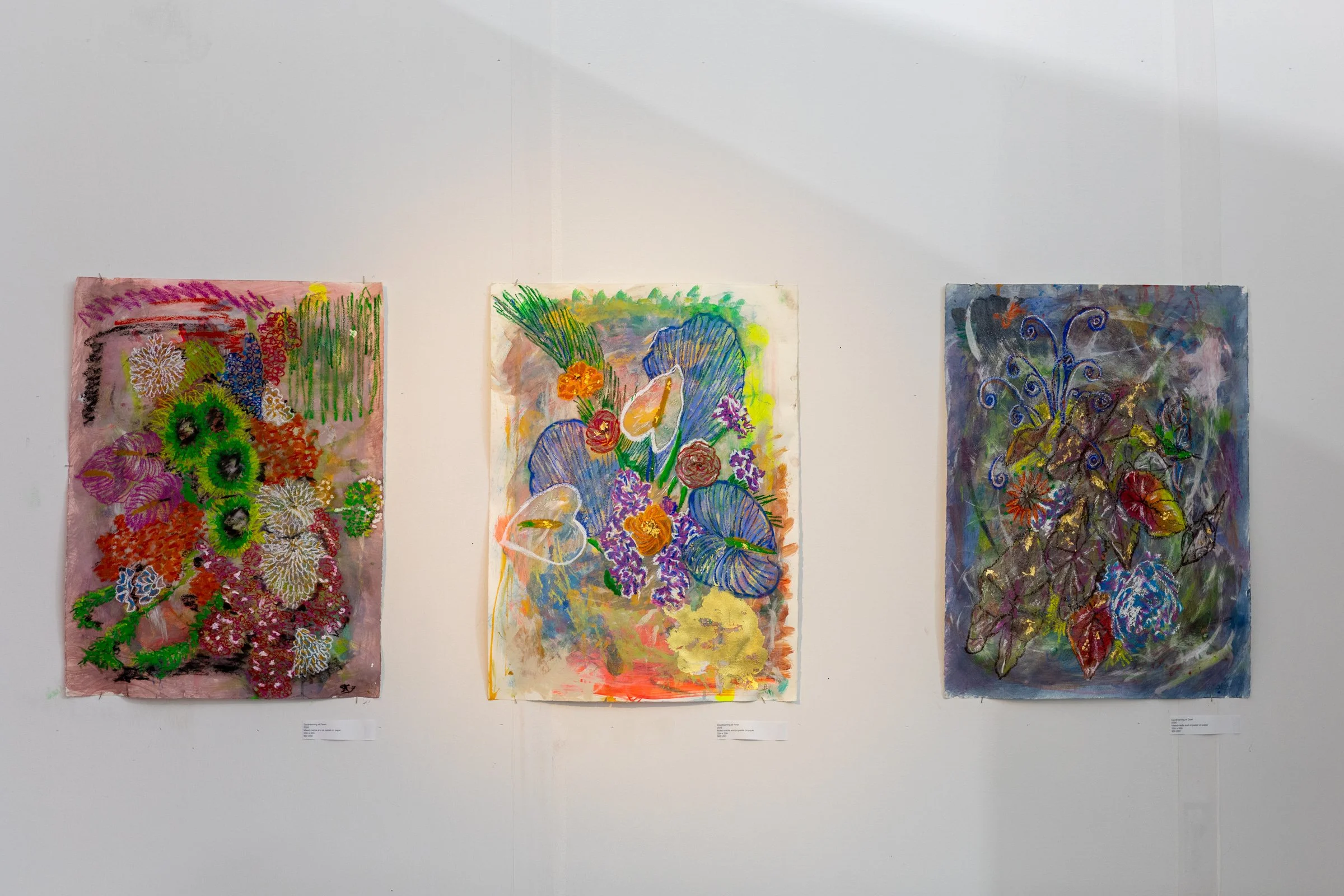
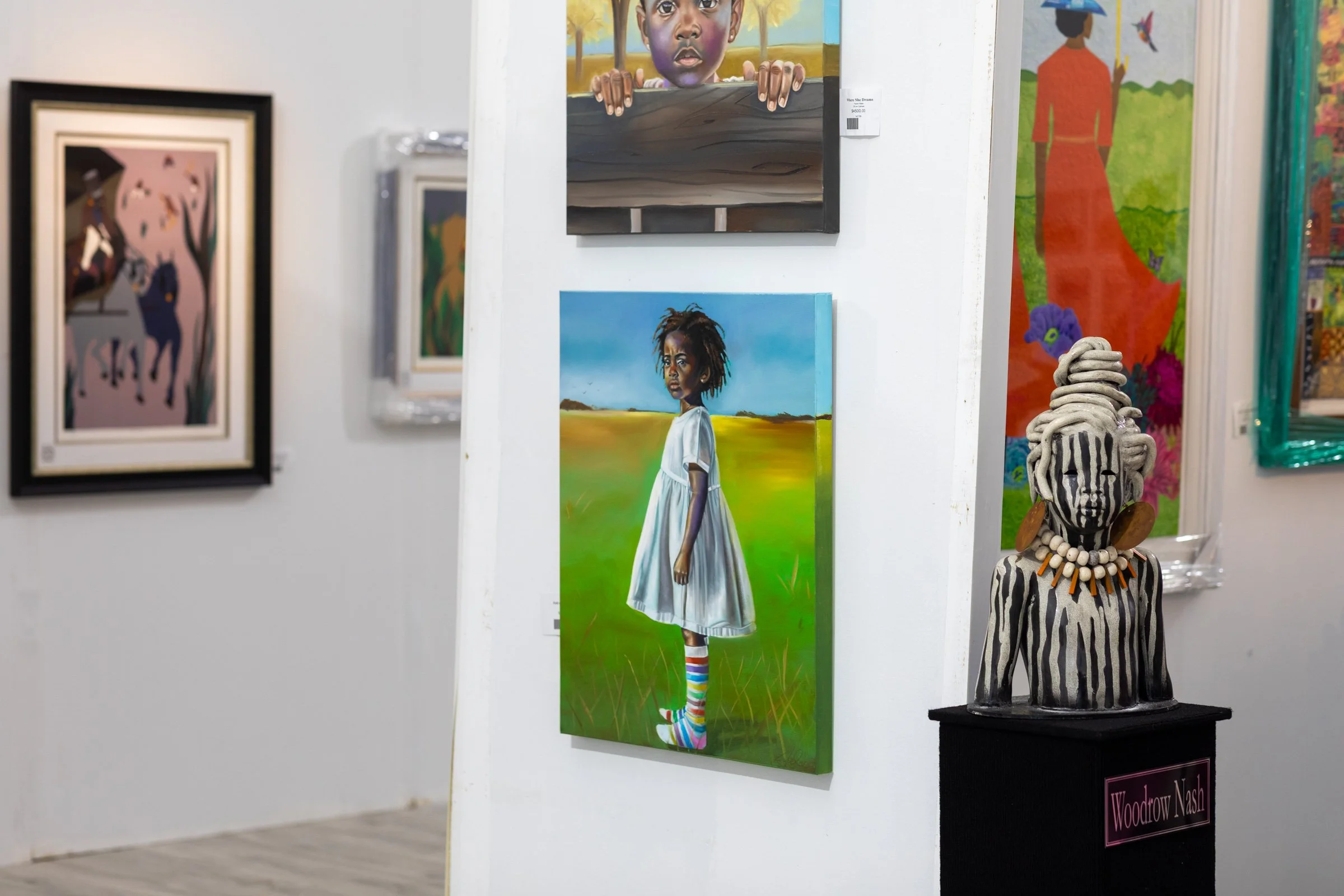

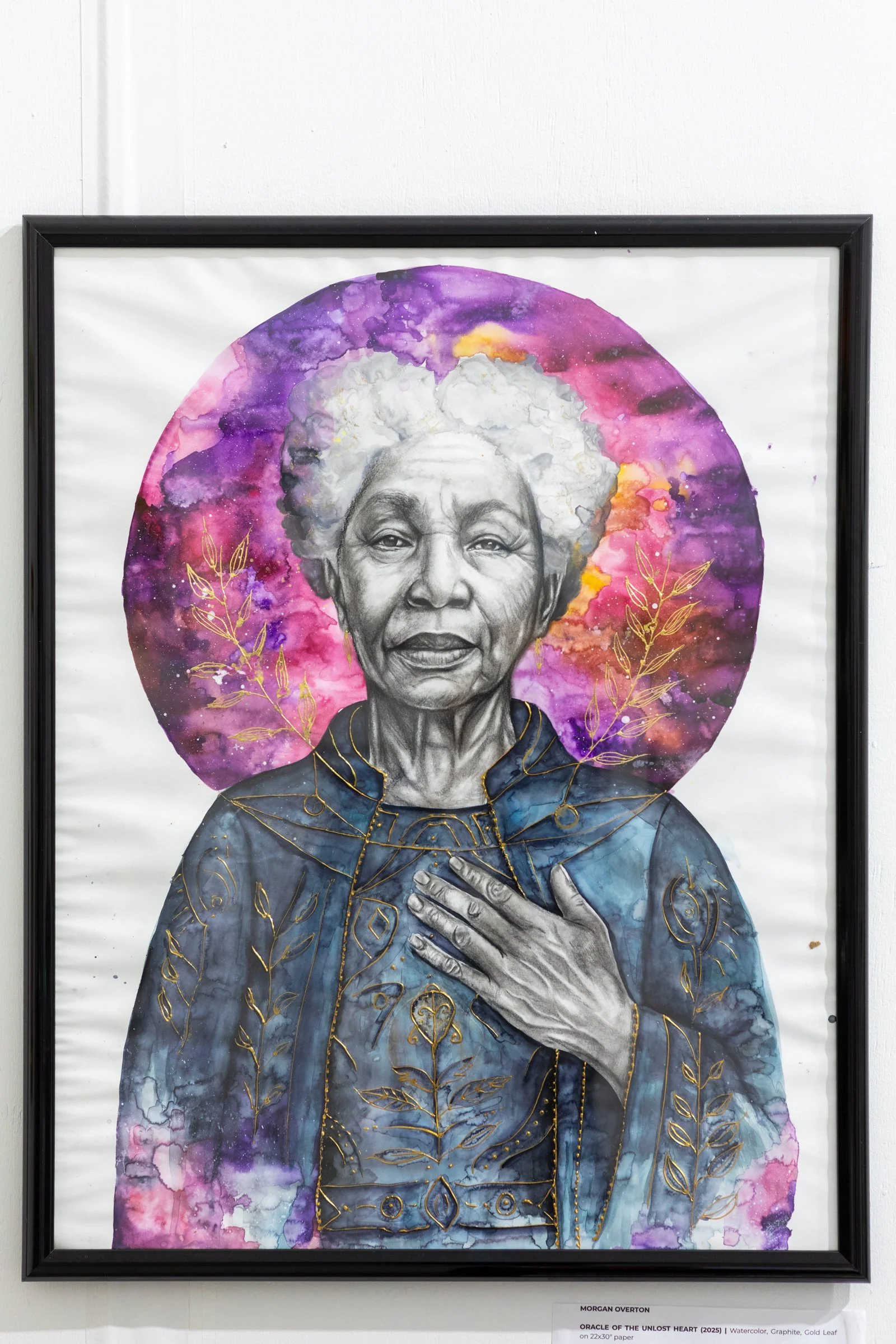
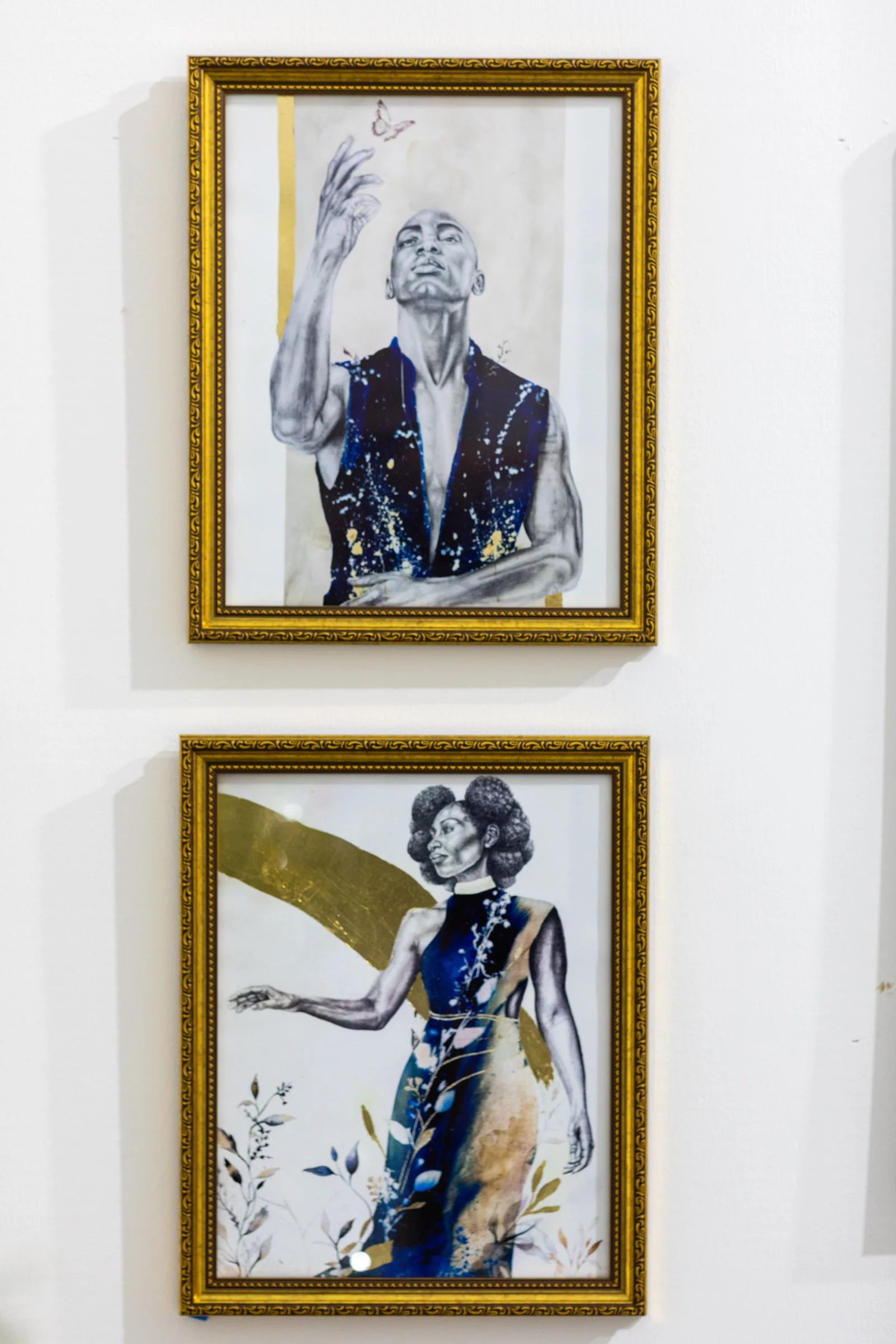
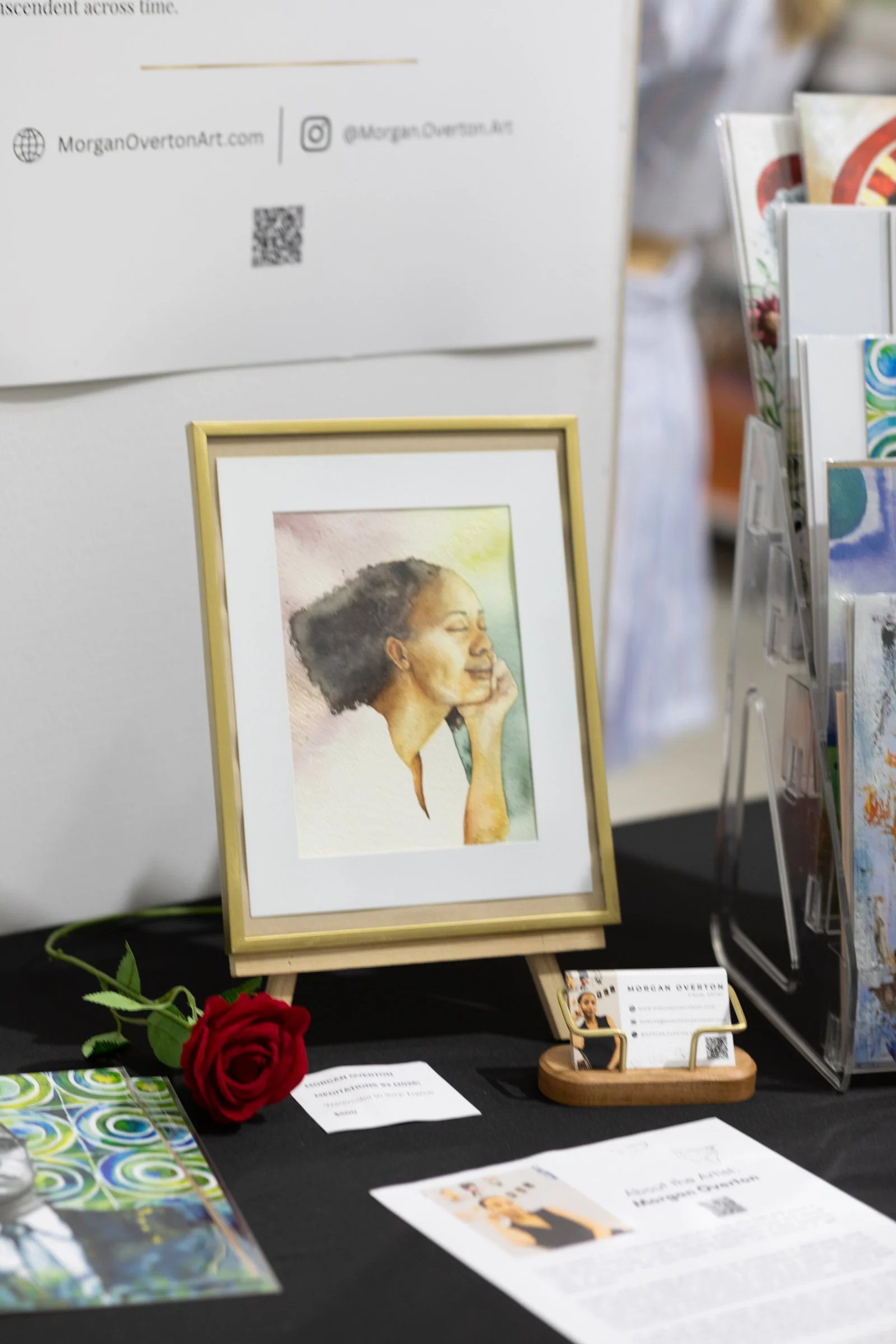
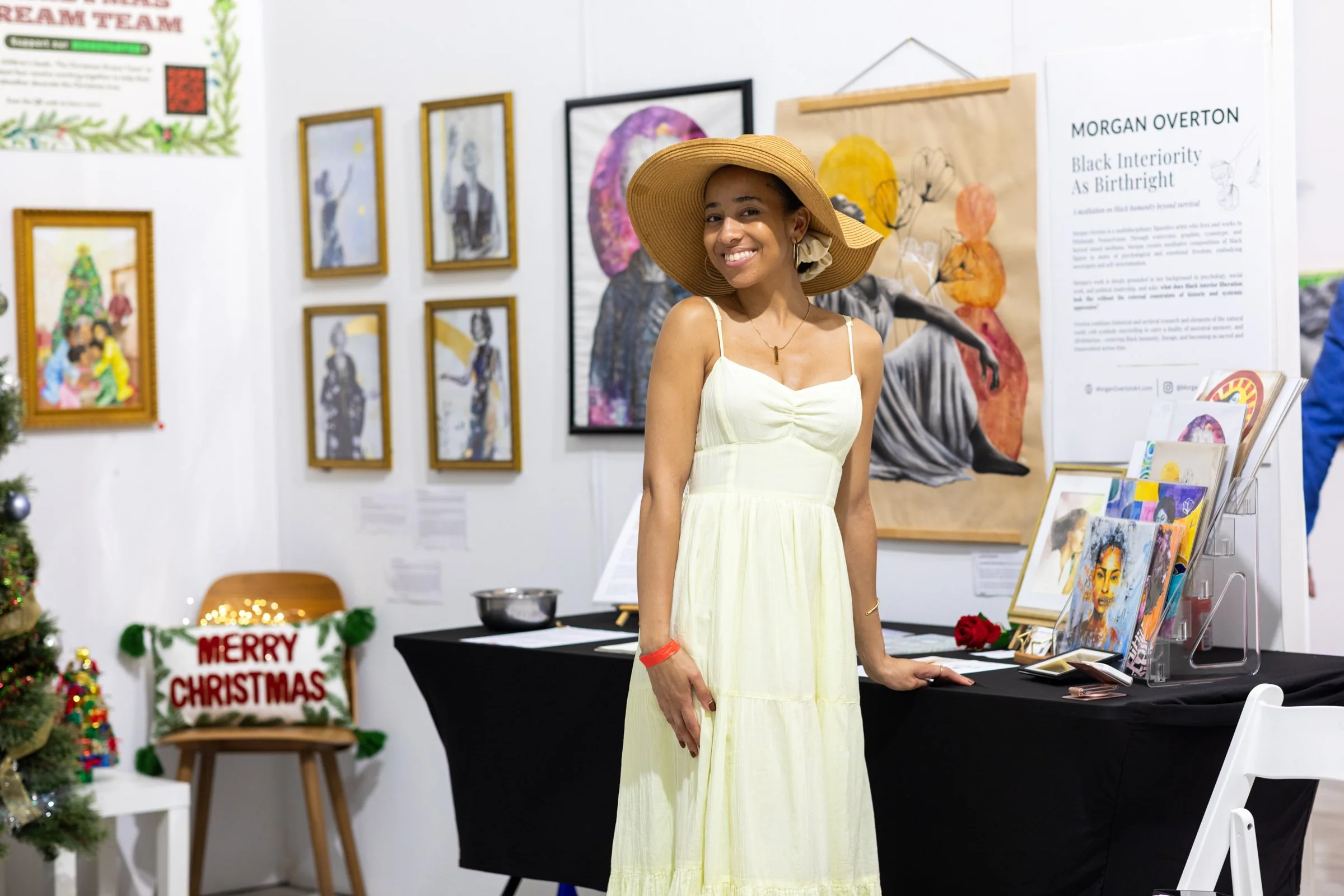
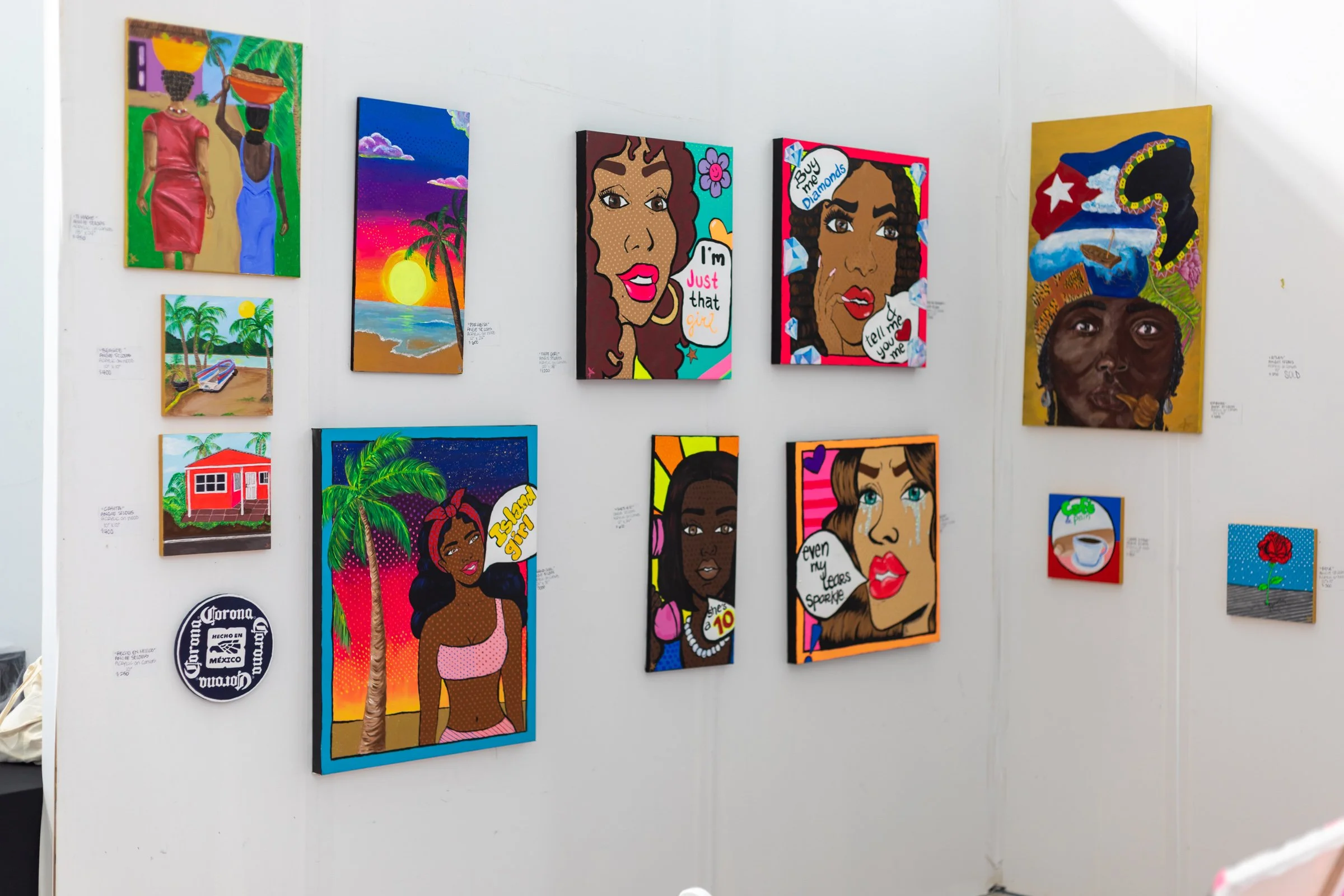

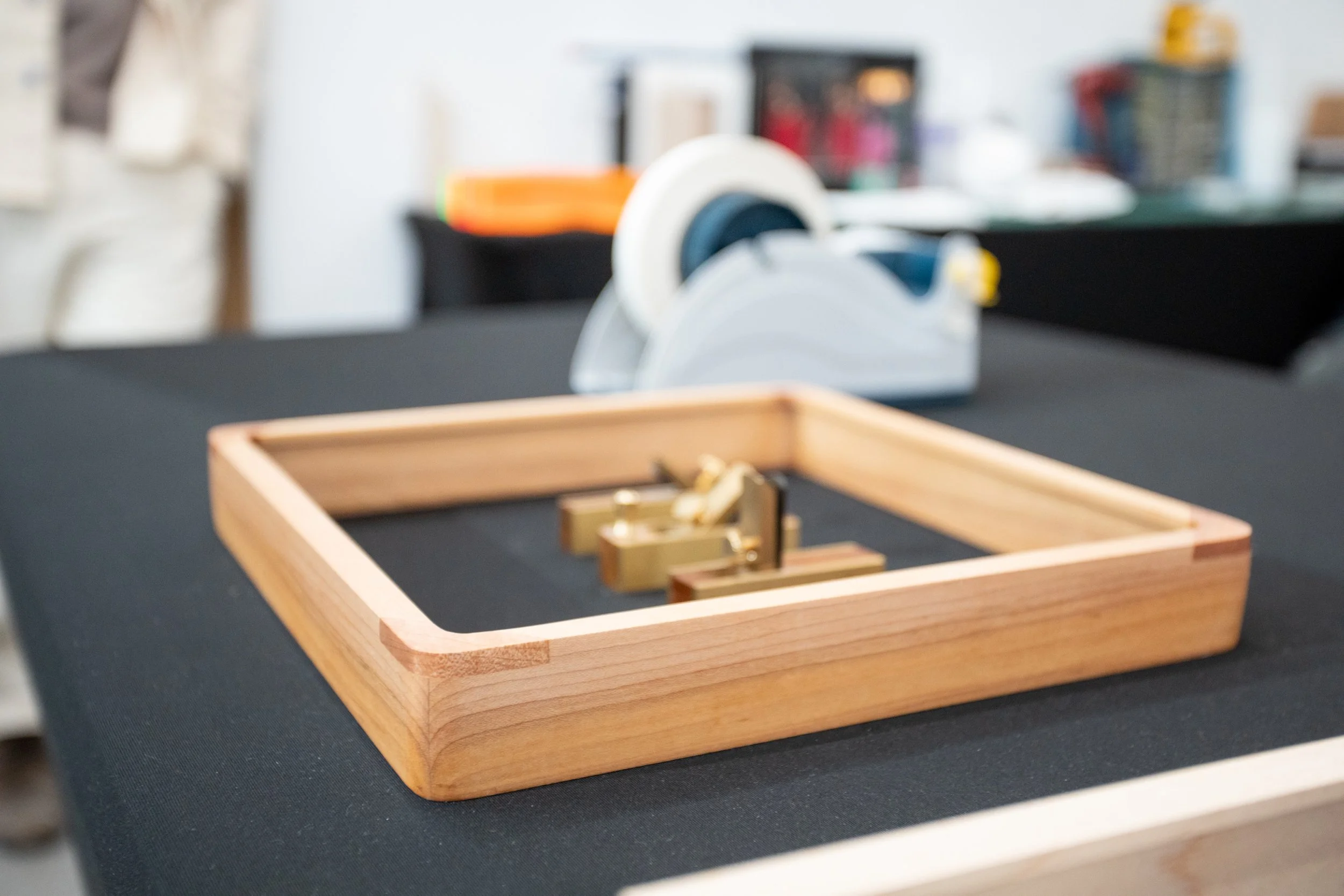
Harlem Frames at the Harlem Fine Arts Show 2026
Harlem Frames is participating in the 18th edition of the Harlem Fine Arts Show, taking place February 20–22, 2026 at The Glasshouse in New York City.
Harlem Frames had the privilege of joining a distinguished coterie of artists, collectors, galleries, and cultural organizations for the 18th edition of the Harlem Fine Arts Show, held February 20–22, 2026 at The Glasshouse in New York City.
For nearly two decades, the Harlem Fine Arts Show has flourished through the organization’s ability to cultivate a center for black artists to be platformed and ascend to the spotlight together, with HFAS championing the establishment and growth of emerging artists, inviting both collectors and the wider arts community to engage and participate in a celebration of arts and culture. The 2026 festivities featured more than 100 artists, in addition to hosting curated talks and special programming delving into the intersections of art, culture, technology, health, and community.
Harlem Frames at HFAS18
Throughout the jubilant weekend, Harlem Frames presented a selection of our mouldings and on-site services. We had the pleasure of connecting with a vibrant and profoundly talented community of artists, collectors, and patrons from across the arts community.
Our participation offered an opportunity to share the craft behind what we do—from custom framing and presentation to preservation and fine-art services—and to communicate directly with artists and collectors regarding the art of thoughtful framing and how it quickly becomes essential to the life-hood of an artwork.
As a framing studio rooted in Harlem, participating in the Harlem Fine Arts Show signified a deeper meaning for us. The fair's longstanding commitment to black artists and to building relationships between these artists and collectors reflects a creative community that Harlem Frames has been fortunate enough to work alongside.
HFAS18 was ultimately an homage to the talented folks whose hands are behind the work: the artists creating it, the collectors supporting it, and the community basking in the beauty of it all.
We're grateful to have been part of the 18th edition of Harlem Fine Arts Show, and to everyone who visited Harlem Frames throughout the weekend.
February 20–22, 2026
The Glasshouse · New York City
Harlem Fine Arts Show 2026
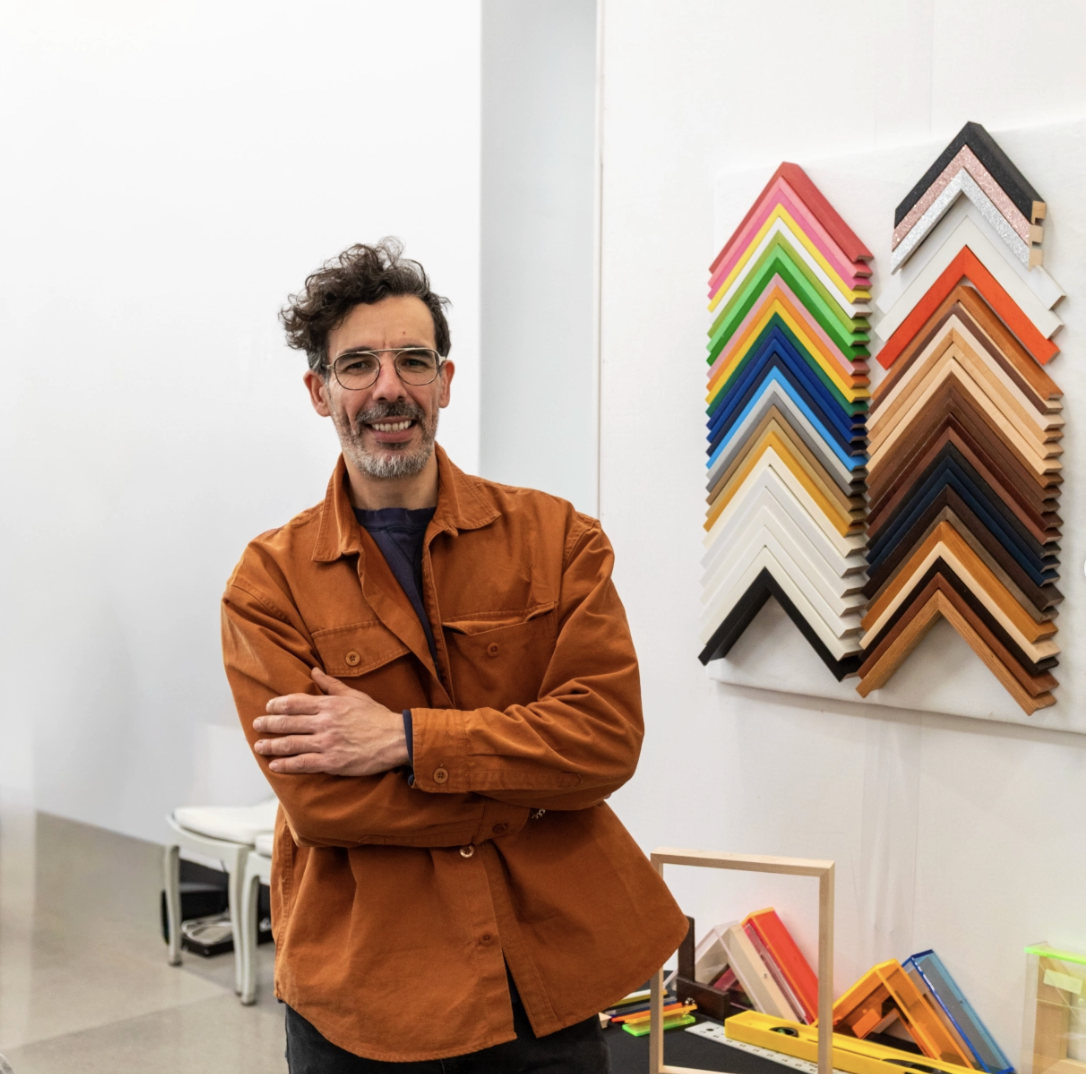
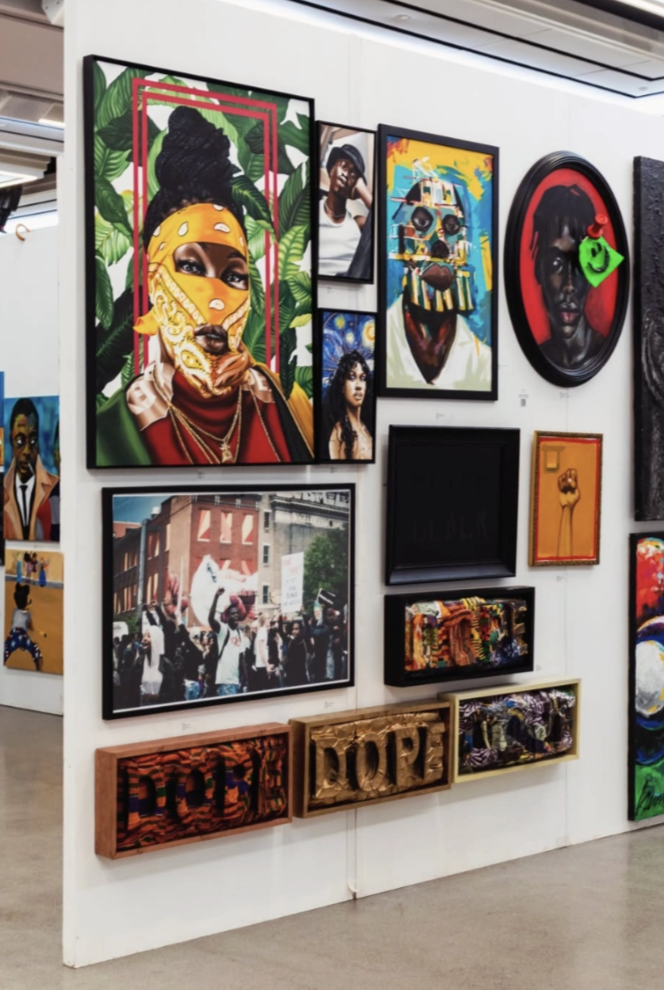
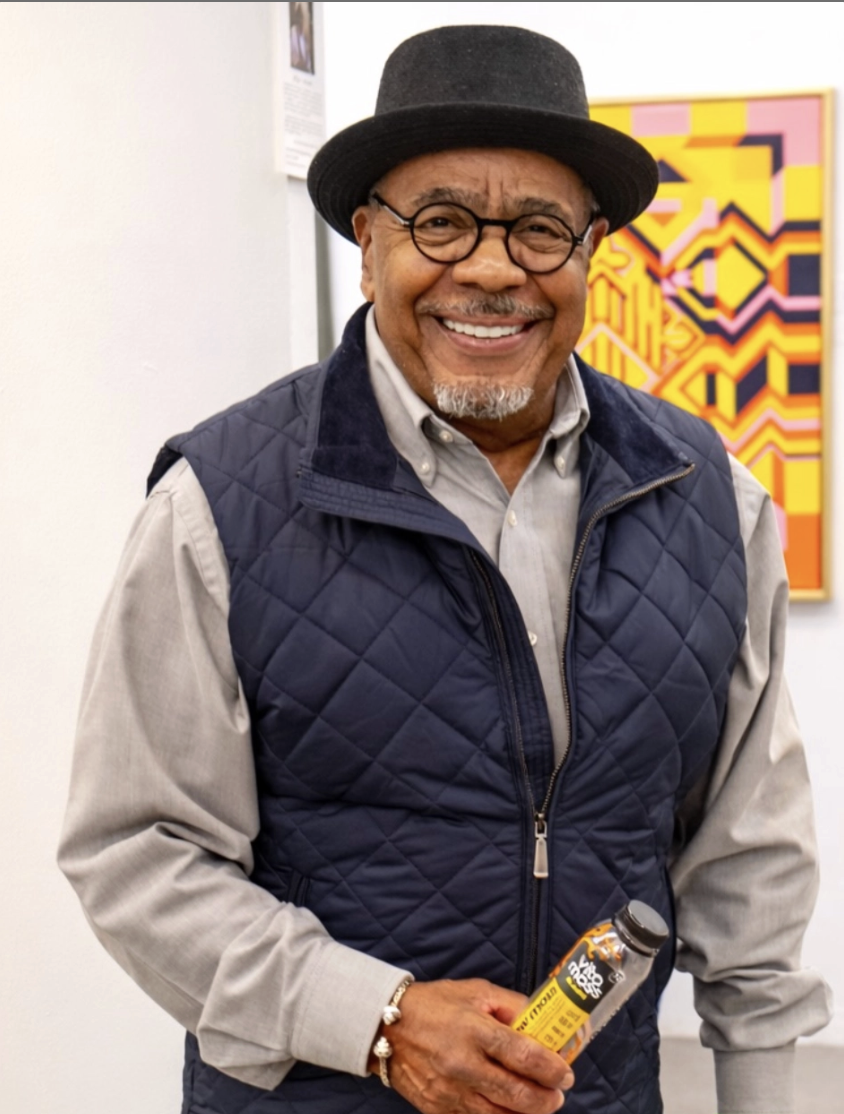
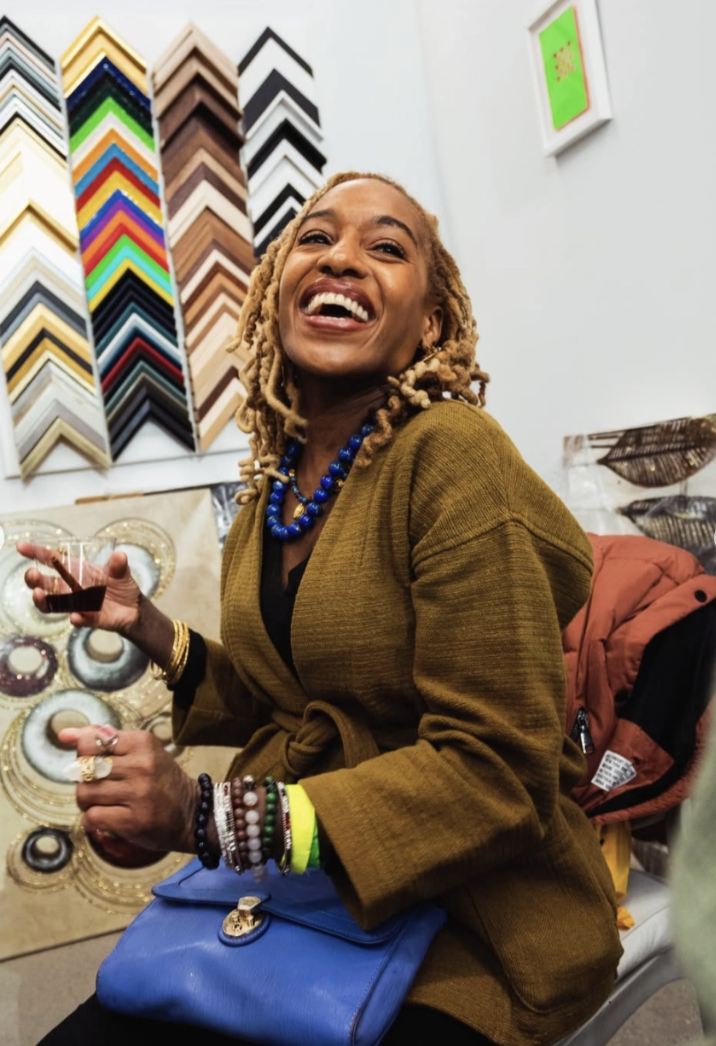


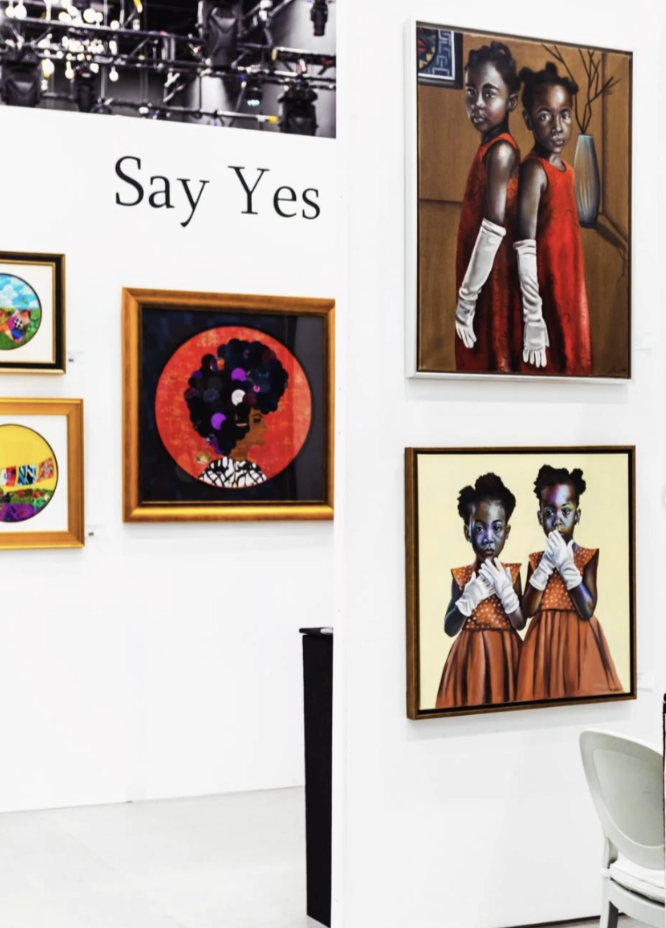


Framing Karl Shakur's Photographs
Harlem Frames is pleased to work with photographer Karl Shakur on the presentation of his second solo exhibition in New York City.
Harlem Frames is pleased to work with photographer Karl Shakur on the presentation of his second solo exhibition in New York City.
Organized independently by Karl as a one day exhibition, the show brings together a selection of photographs from his ongoing practice exploring travel, landscape, culture, and human experience.
We are proud to contribute to the presentation of this body of work and to support an independent artist in bringing his vision from photograph to exhibition.
Karl Shakur
Sunday, December 8, 2024 · 5:30–9:30 PM
132 Bowery, 2nd Floor · New York City
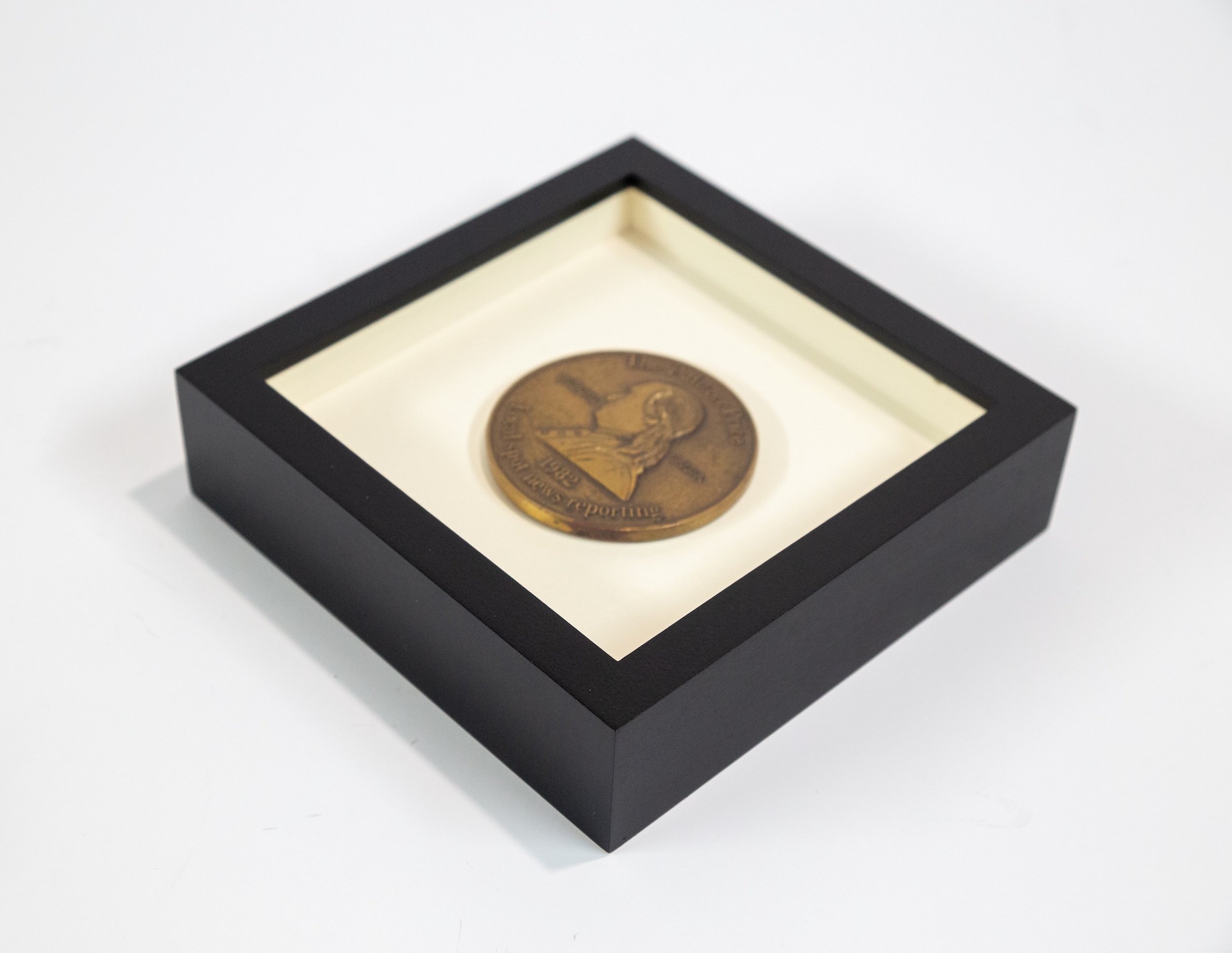
Framing Beyond the Flat Surface
Not everything intended for a frame begins as a flat work of art.
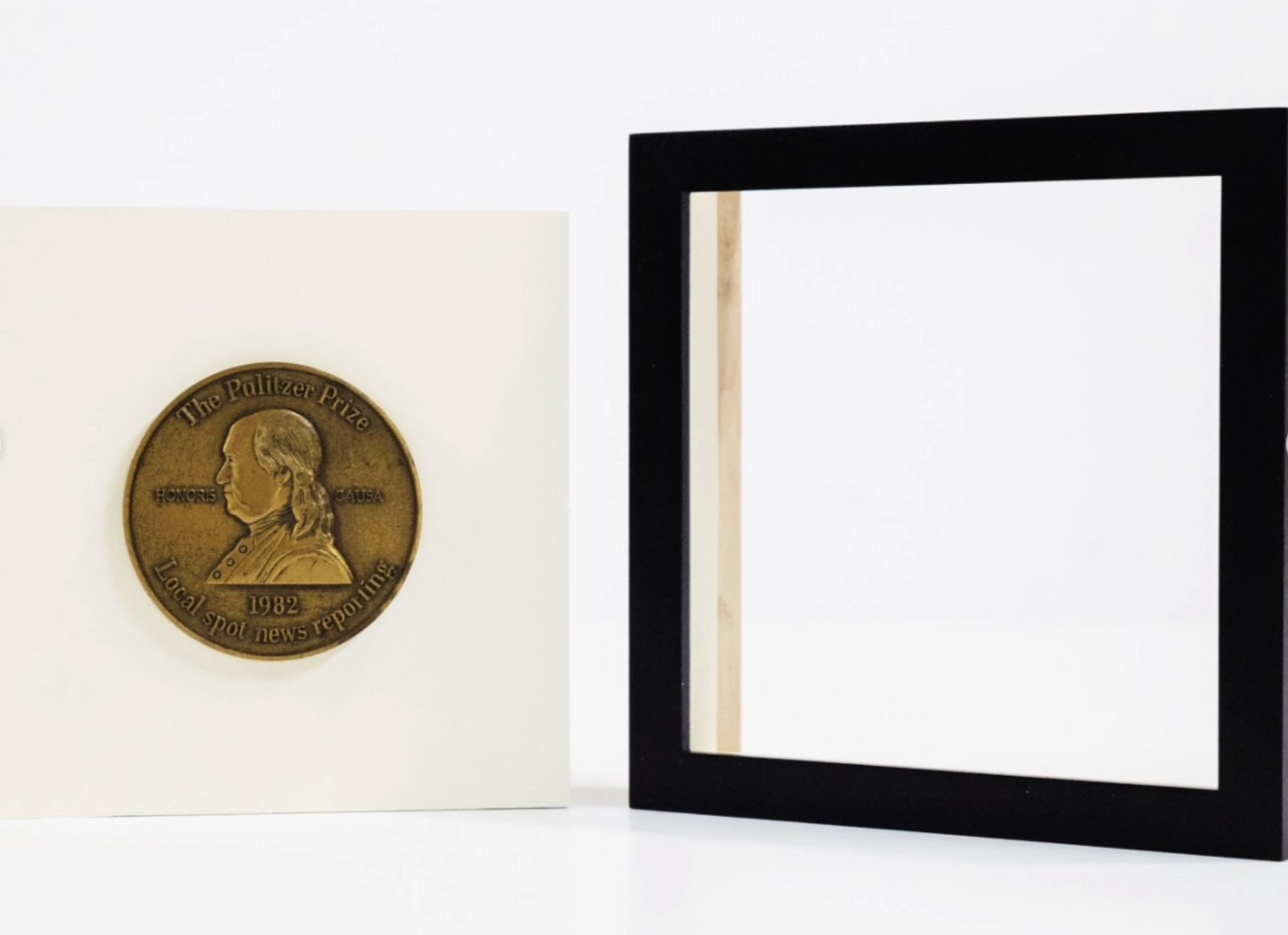
For dimensional work, the frame becomes more than a border. Depth, mounting, backing, glazing clearance, and structural support are considered together to create an enclosure appropriate to both the object and its intended display.
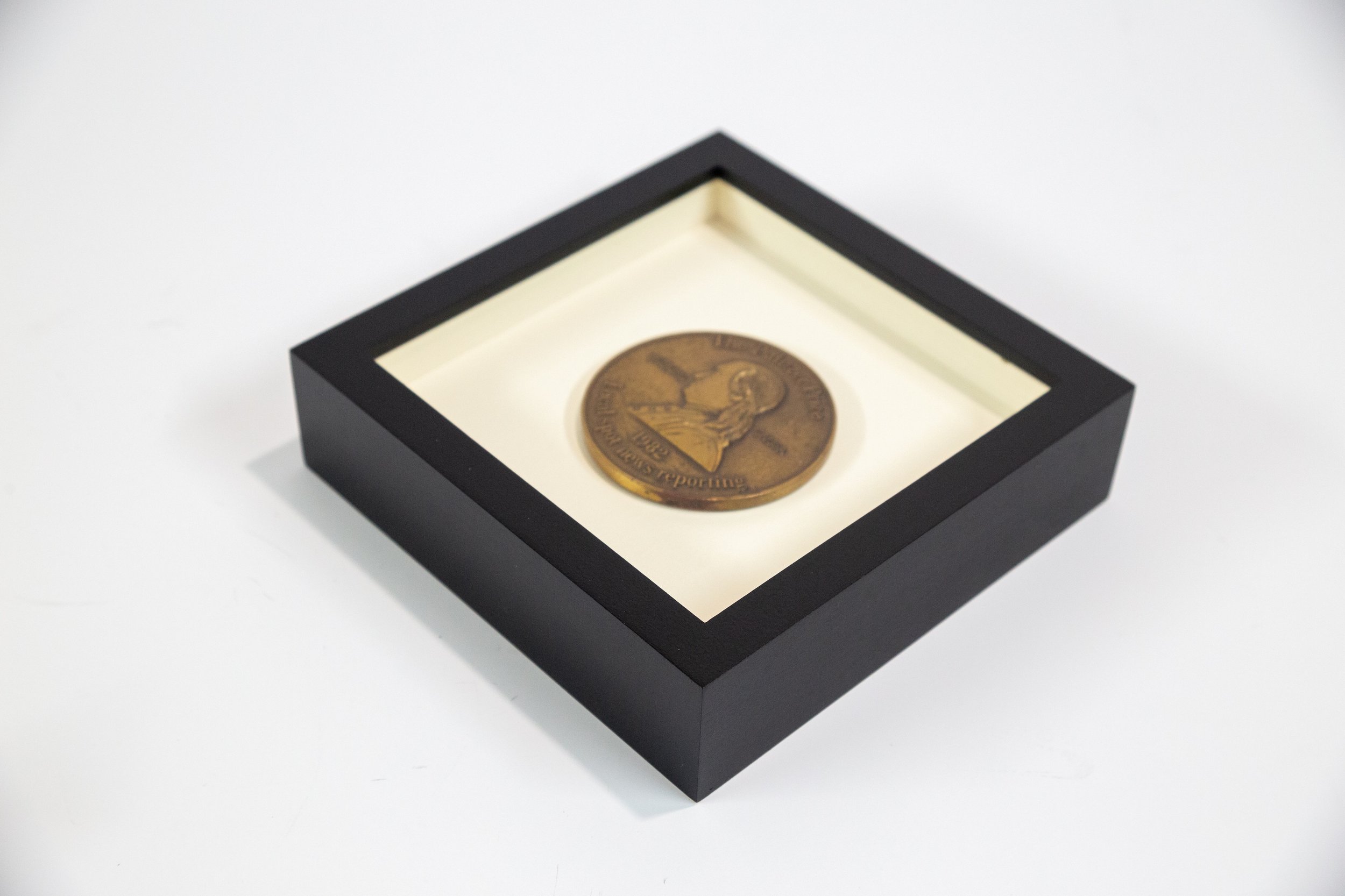
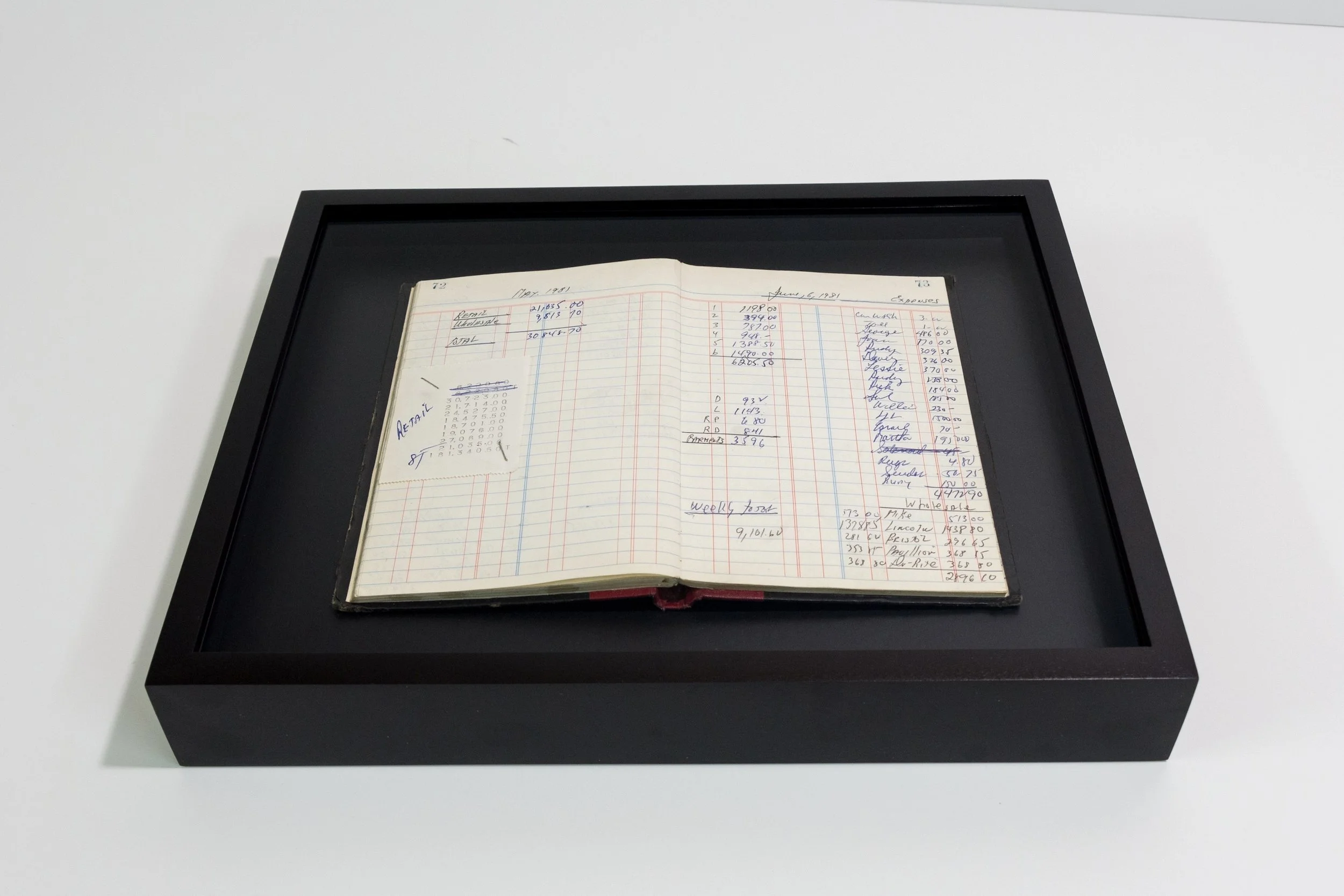
Coins, hand fans, open notebooks, ledgers, textiles, medals, keepsakes, and other dimensional objects each present different considerations for mounting, depth, support, and presentation.
The object itself determines the approach. A coin may require a discreet mount that allows both its form and surface to remain visible. An open ledger needs adequate depth and support while preserving the natural position of its pages. A hand fan presents an entirely different challenge, where its shape, weight, and relationship to the surrounding space become part of the composition.
For dimensional work, the frame becomes more than a border. Depth, mounting, backing, glazing clearance, and structural support are considered together to create an enclosure appropriate to both the object and its intended display.
At Harlem Frames, we approach these projects individually, developing the presentation around the particular characteristics of what is being framed.
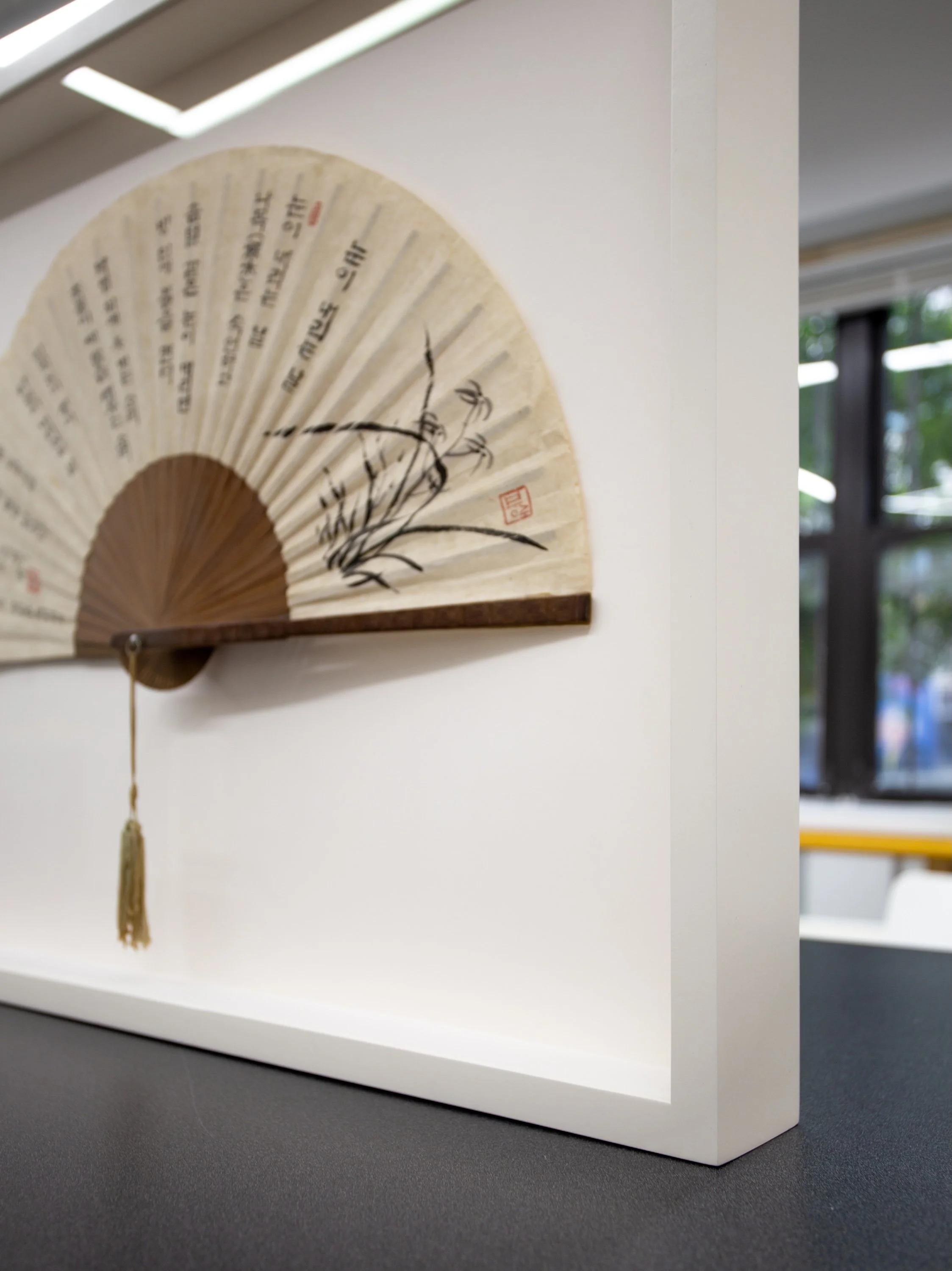

Framed Hand Fan — An open folding fan is mounted within a deep, white shadow-box frame, allowing the complete form of the object—including its hanging tassel—to remain visible. The generous space surrounding the fan emphasizes its shape while providing the depth required to accommodate the object without placing it against the glazing.

American Boricua x Harlem Frames: Summer Gallery Talk Series
Saturday, July 13 · 3 PM
Wanda is joined by distinguished Boricua documentary photographer Maximo Rafael Colon, whose work has documented the Nuyorican experience for more than four decades and has been exhibited internationally.
Tuesday, August 6 · 3 PM
Legendary documentary photographer and Magnum Photos member Eli Reed, Wanda’s longtime mentor, joins the conversation to discuss his work and experience in documentary photography.
Saturday, September 28 · 3 PM
Wanda returns for the final gallery talk of the series, sharing her American Boricua documentary work and previews from her upcoming book.
Harlem Frames is proud to present the American Boricua Summer Gallery Talk Series with photographer and author Wanda Benvenutti.
Throughout the summer, Wanda brings her ongoing American Boricua documentary project to Harlem Frames for a series of conversations exploring photography, Puerto Rican identity, the Nuyorican experience, and the tradition of documentary storytelling.
Saturday, July 13 · 3 PM
Wanda is joined by distinguished Boricua documentary photographer Maximo Rafael Colon, whose work has documented the Nuyorican experience for more than four decades and has been exhibited internationally.
Tuesday, August 6 · 3 PM
Legendary documentary photographer and Magnum Photos member Eli Reed, Wanda’s longtime mentor, joins the conversation to discuss his work and experience in documentary photography.
Saturday, September 28 · 3 PM
Wanda returns for the final gallery talk of the series, sharing her American Boricua documentary work and previews from her upcoming book.
The exhibition remains on view at Harlem Frames throughout the series, bringing together photography, conversation, and stories of the Puerto Rican diaspora.
July 13 · August 6 · September 28, 2024
3 PM · Harlem Frames · New York City

'American Boricua' with Wanda Benvenutti
Join us Saturday, June 8, as photojournalist, writer, model, and emerging author Wanda Benvenutti shares the twenty-year journey behind American Boricua, her first book documenting the Puerto Rican diaspora across the United States.
Join us Saturday, June 8, as photojournalist, writer, model, and emerging author Wanda Benvenutti shares the twenty-year journey behind American Boricua, her first book documenting the Puerto Rican diaspora across the United States.
Original black-and-white photographs from the project will be on view throughout Harlem Frames and available for purchase.
We invite you to spend the afternoon with us as we celebrate photography, storytelling, and Puerto Rican culture on the eve of the National Puerto Rican Day Parade.
Saturday, June 8 · From 2 PM until sundown
Harlem Frames · New York City

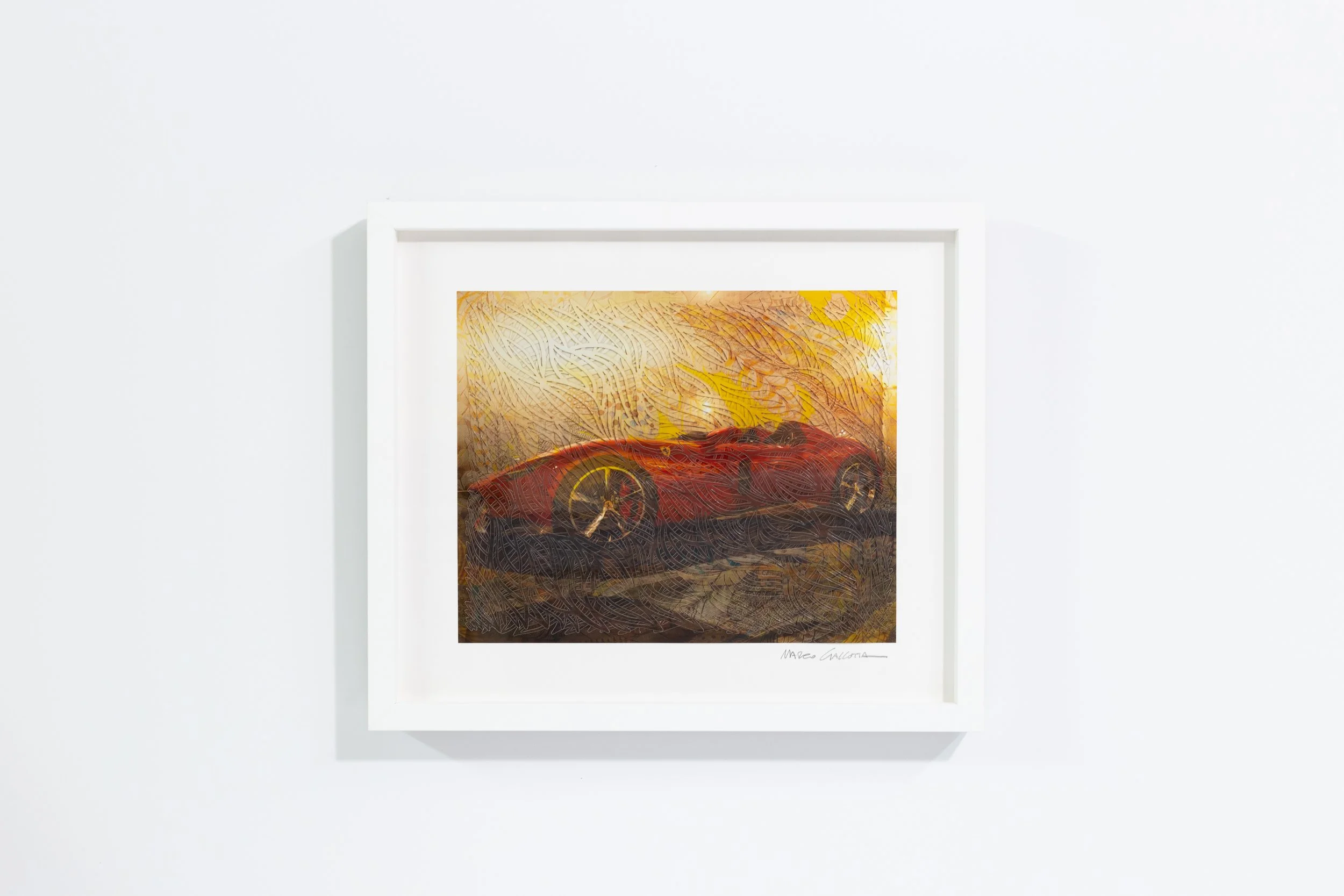
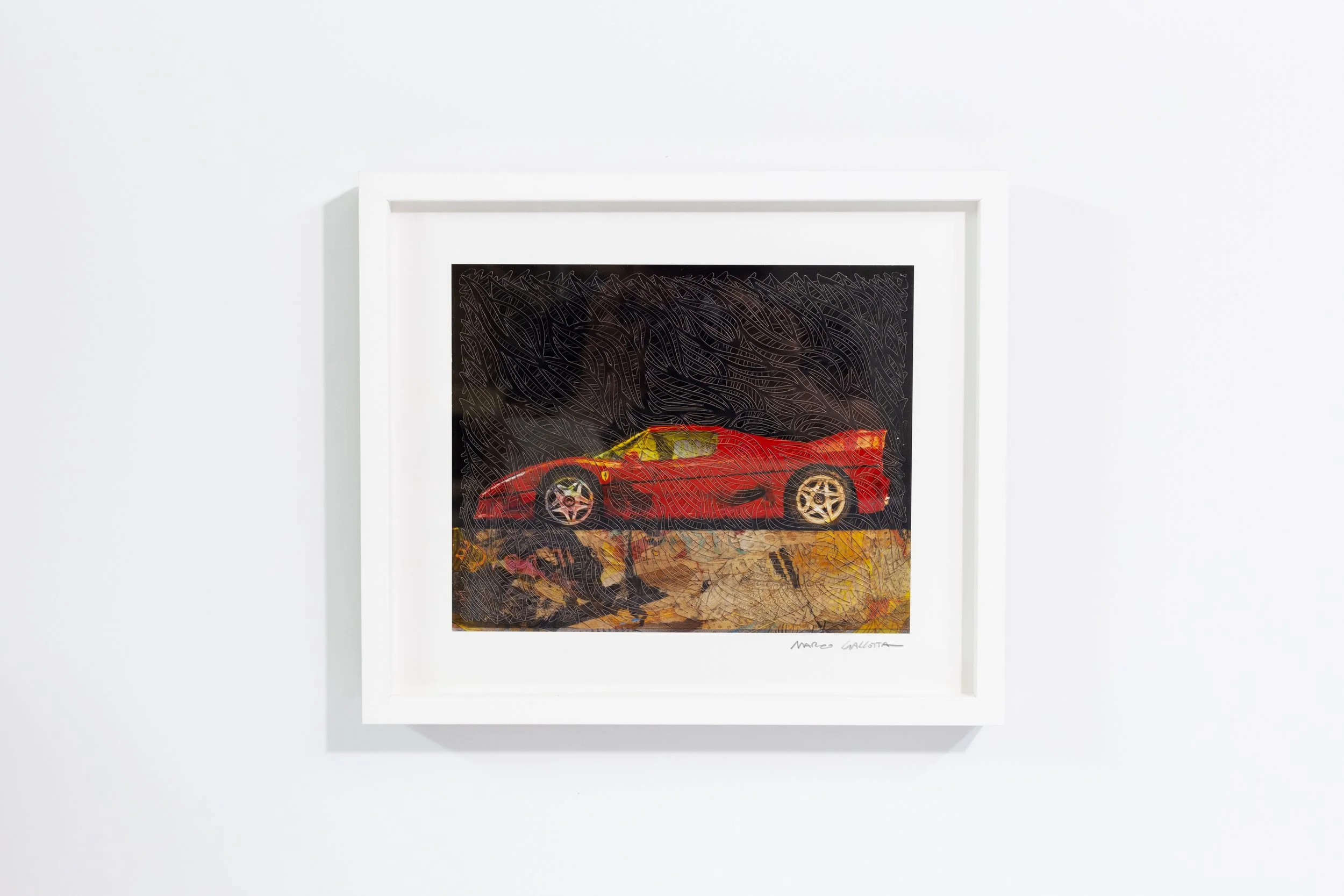
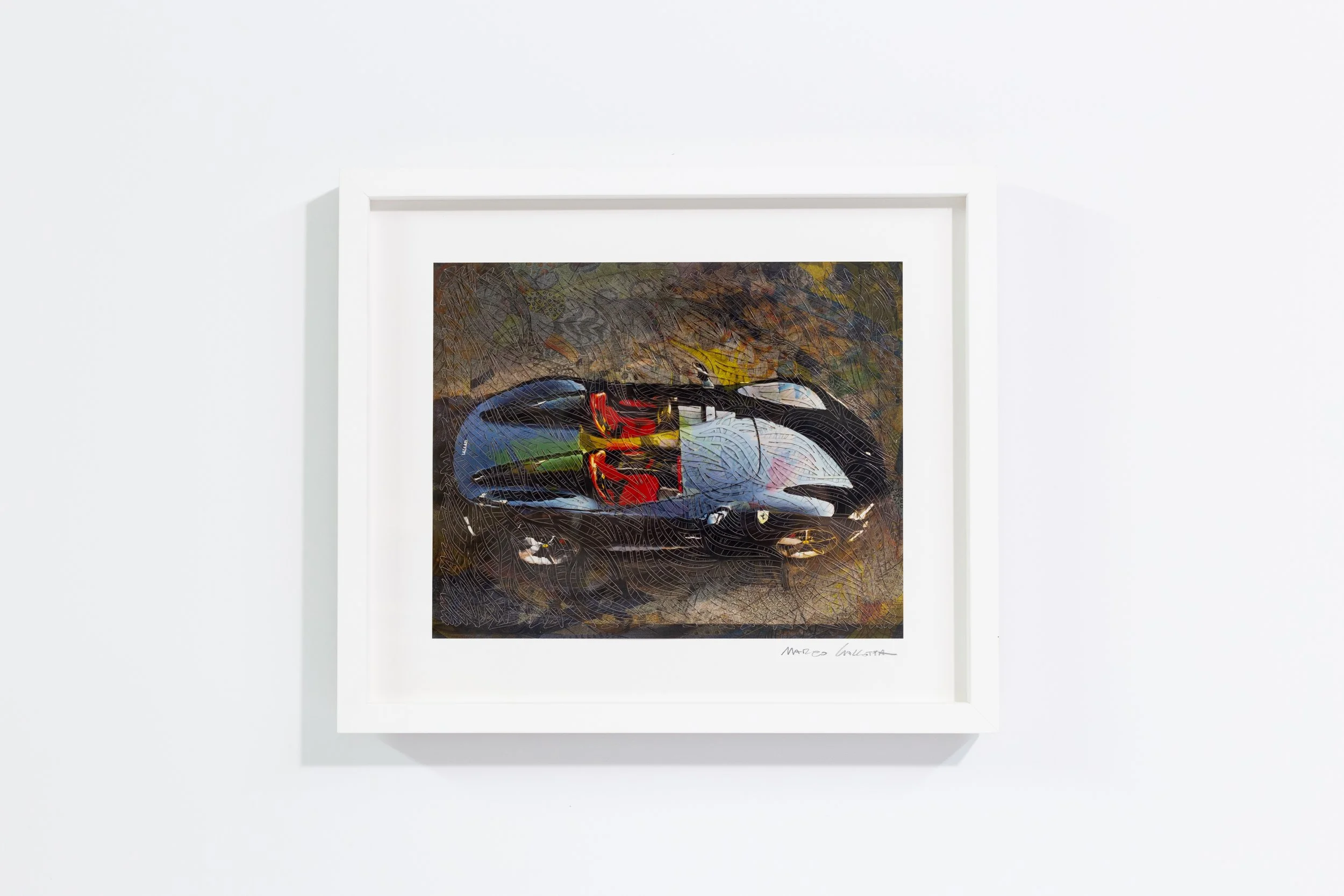
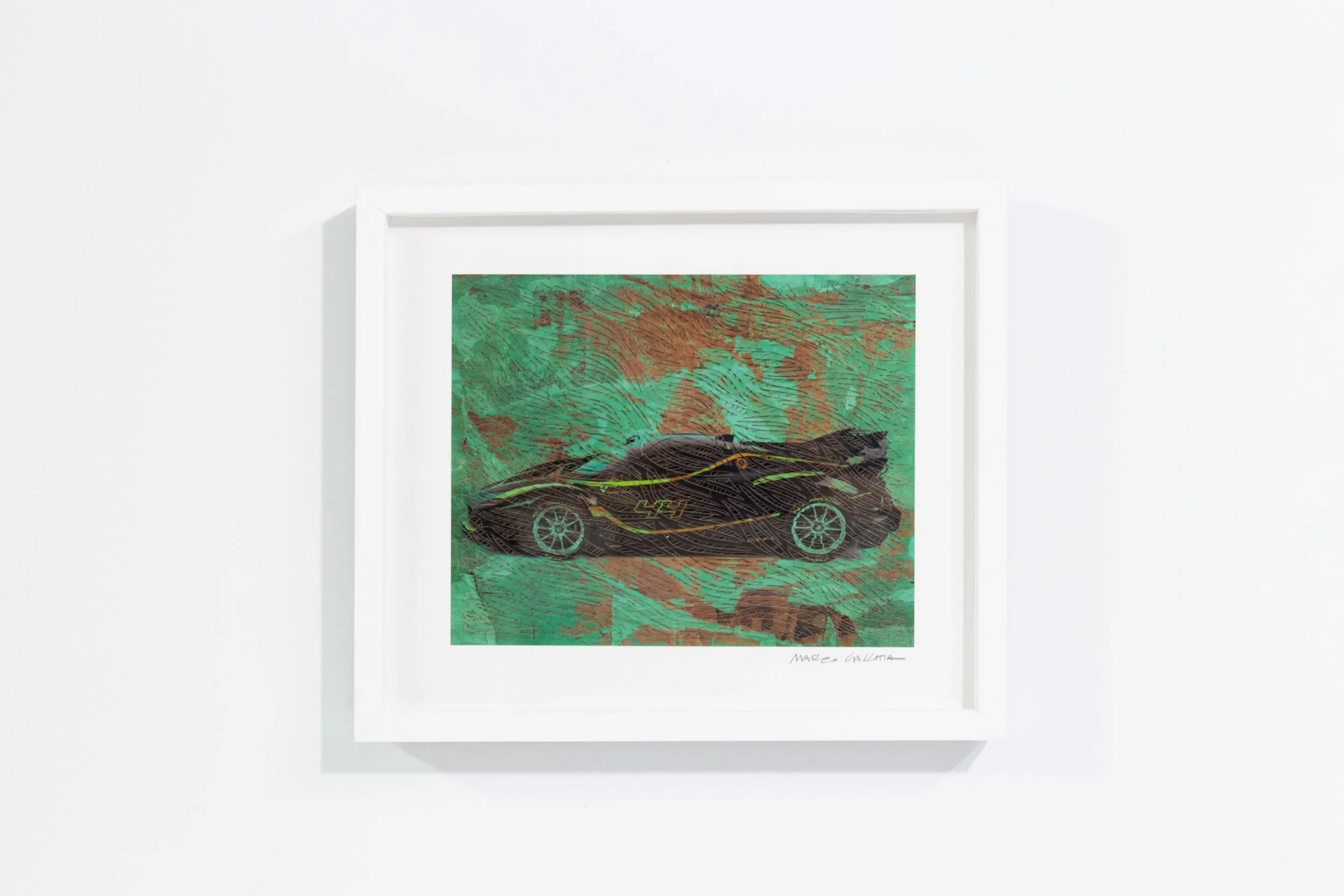
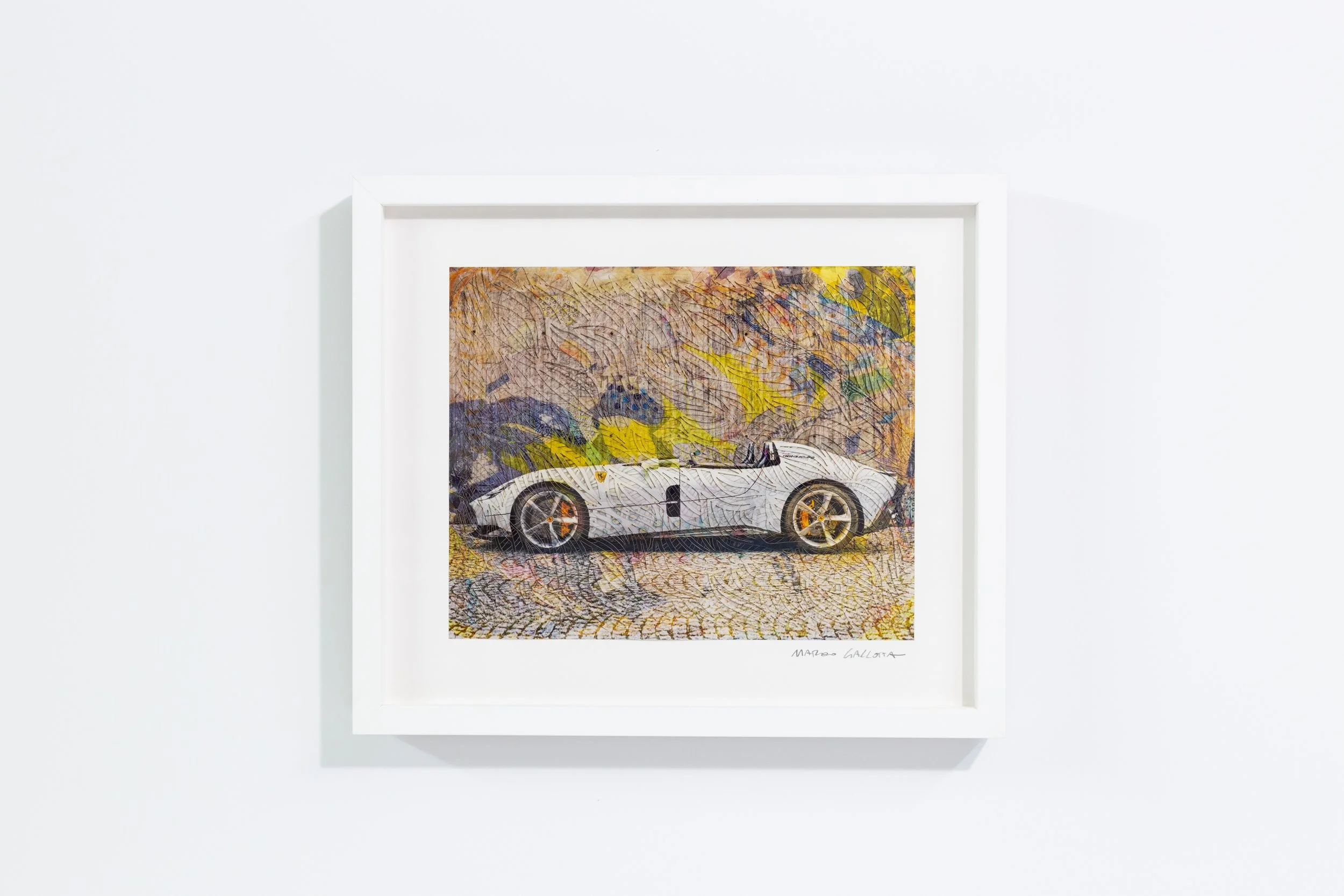
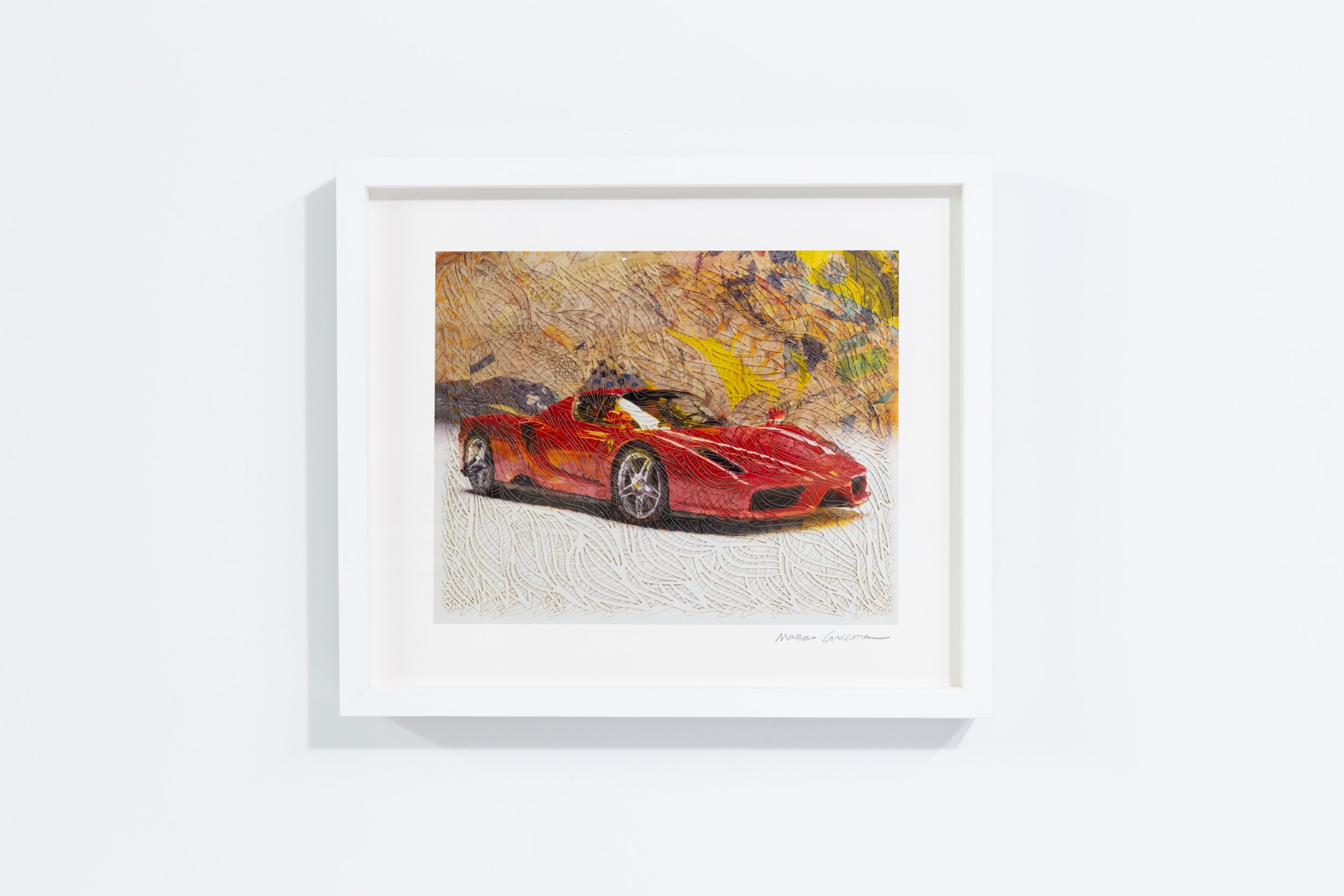

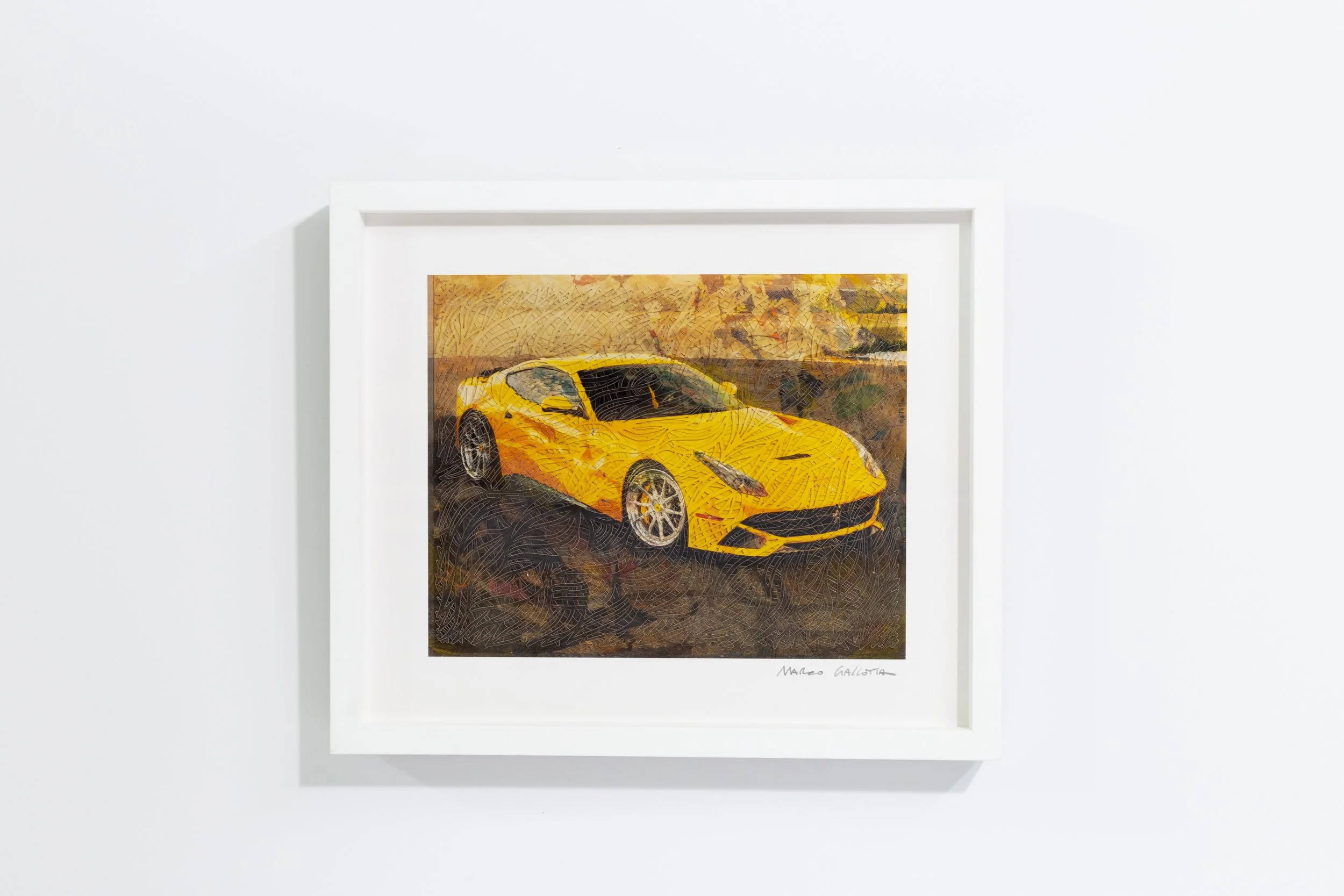
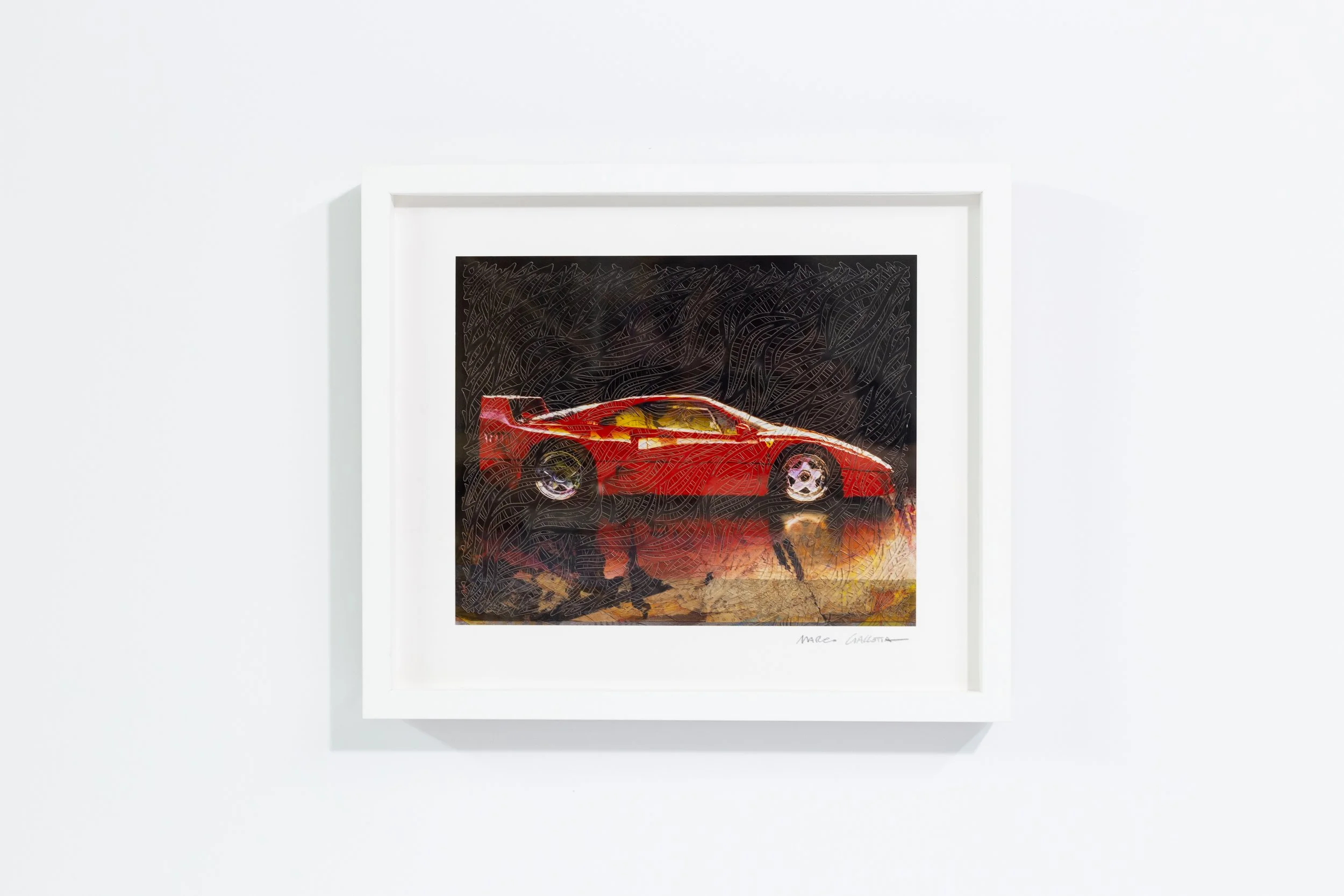
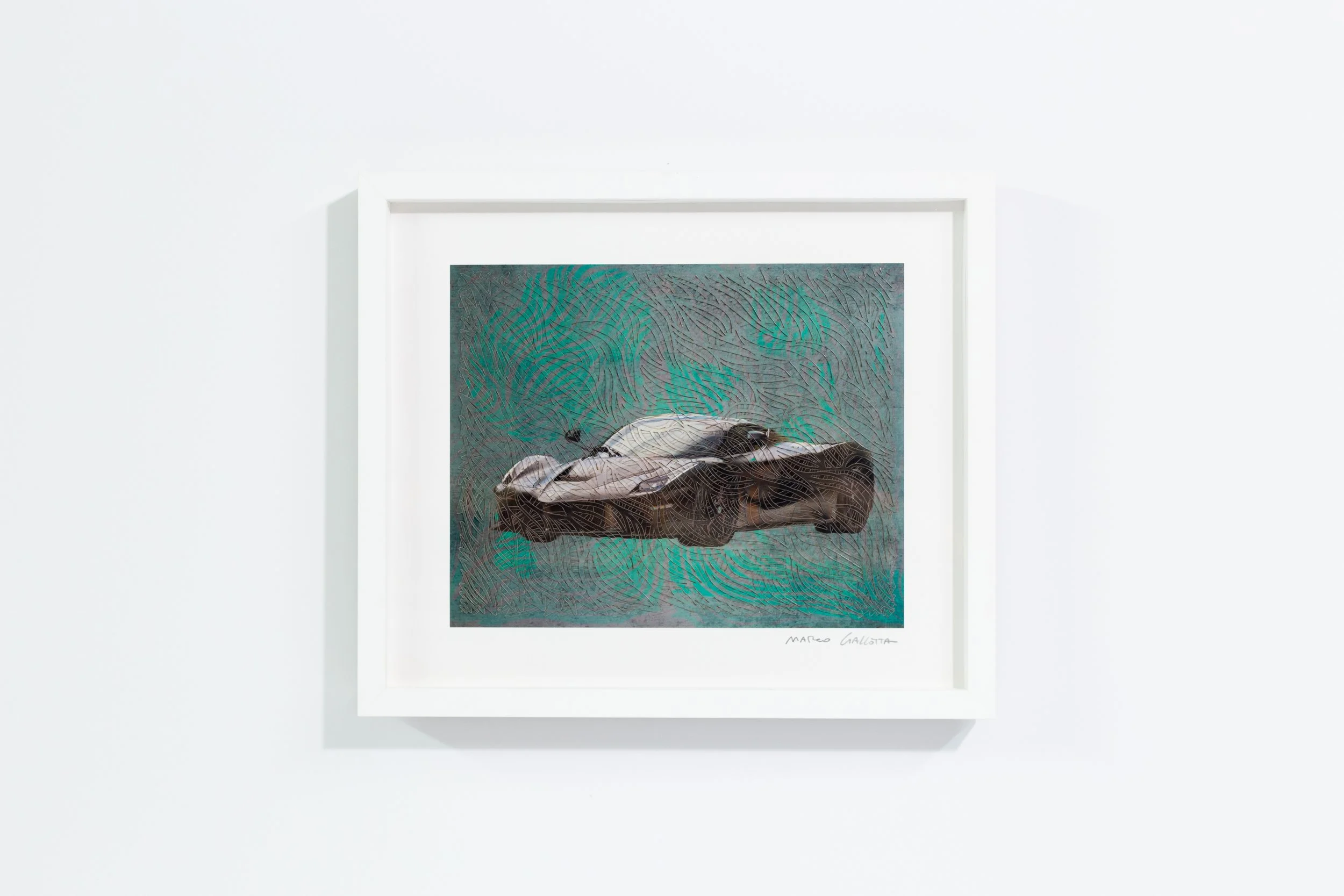
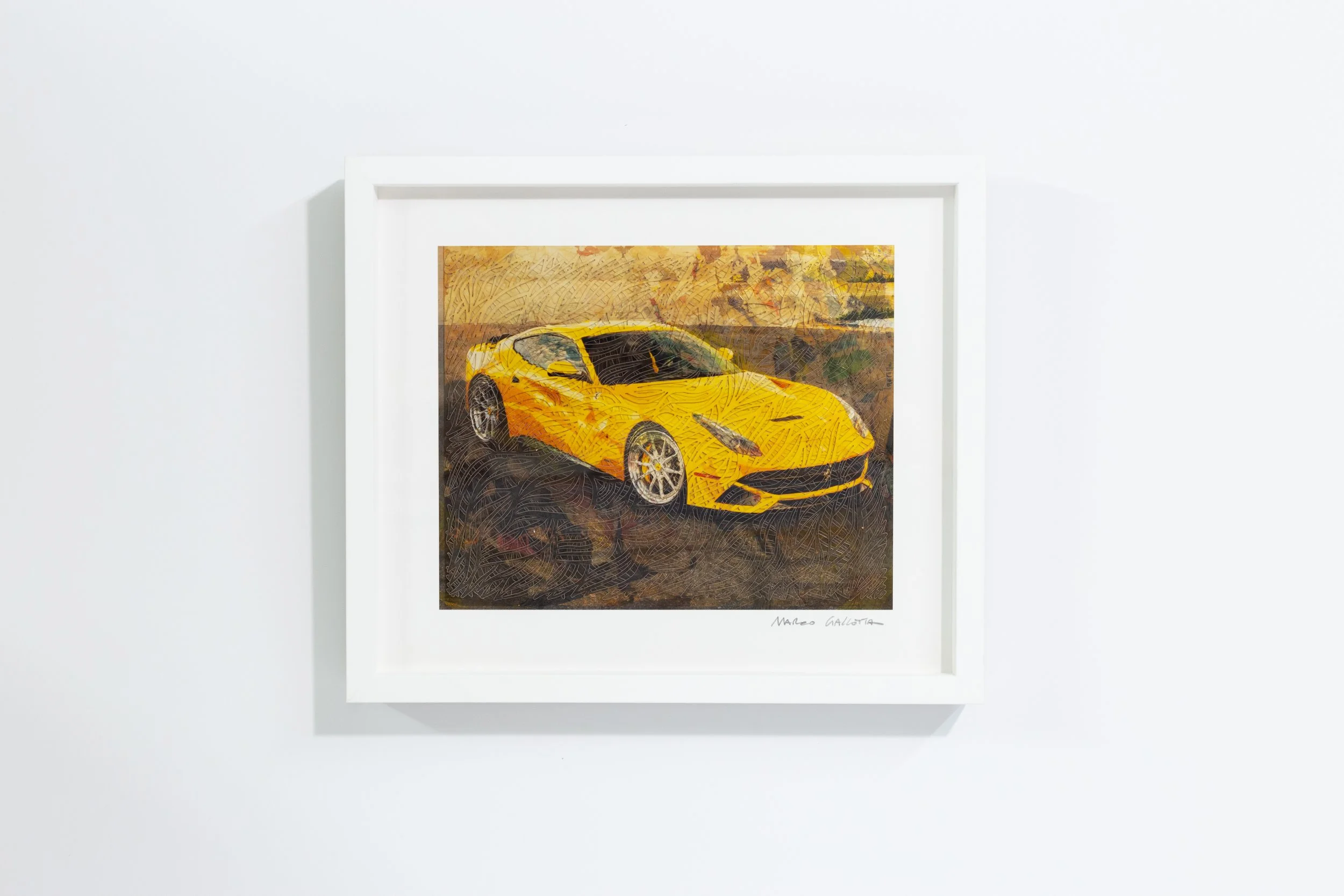
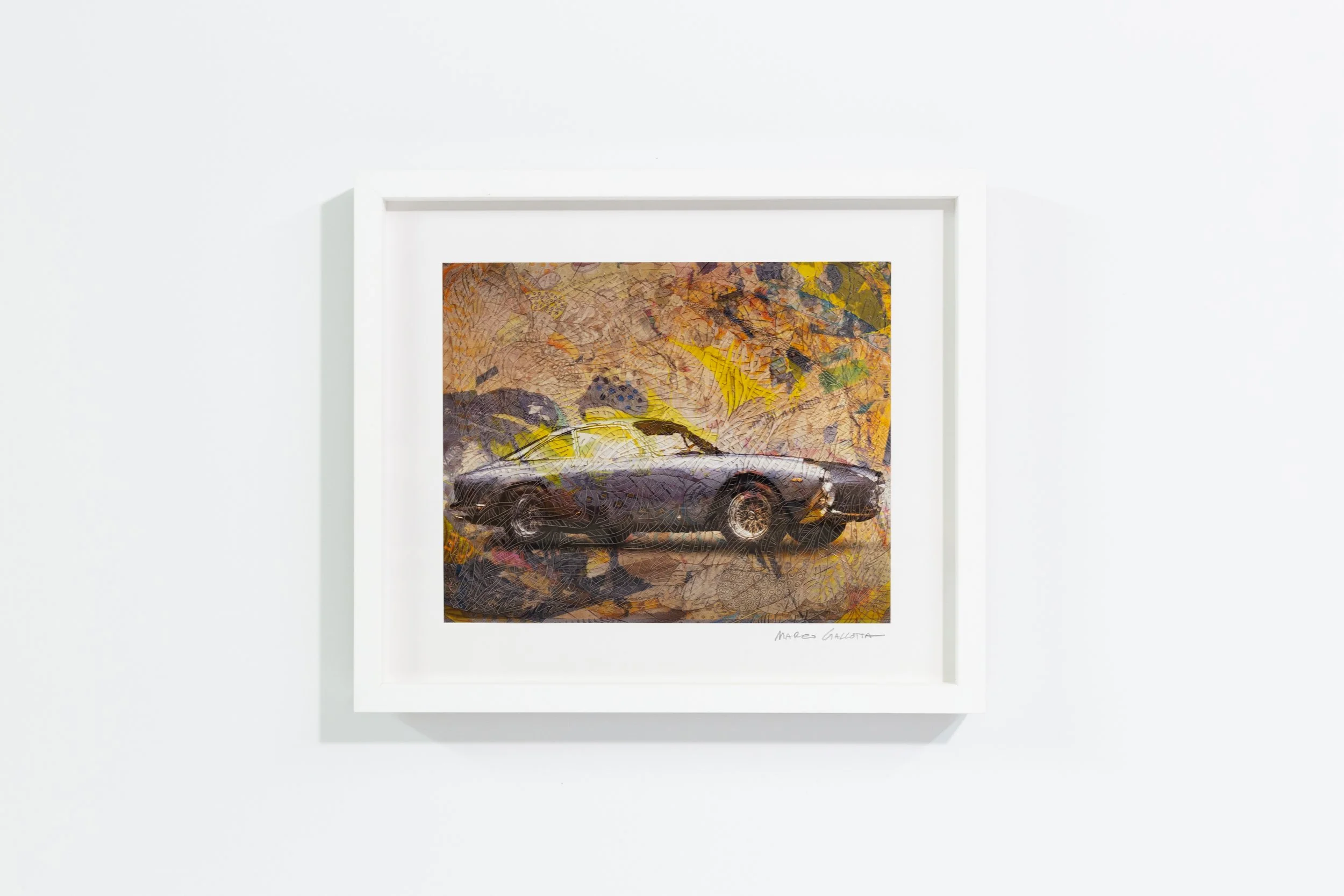
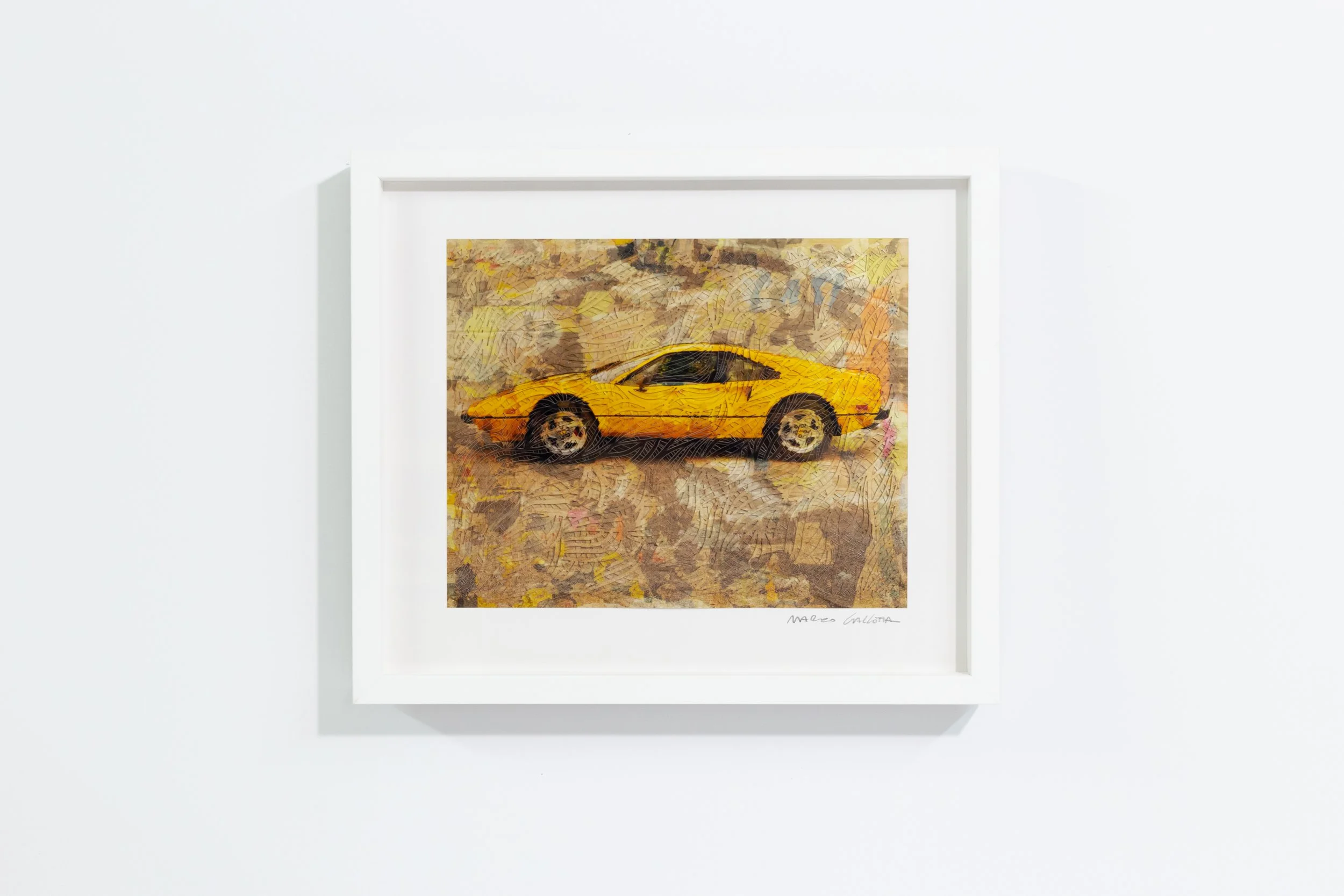
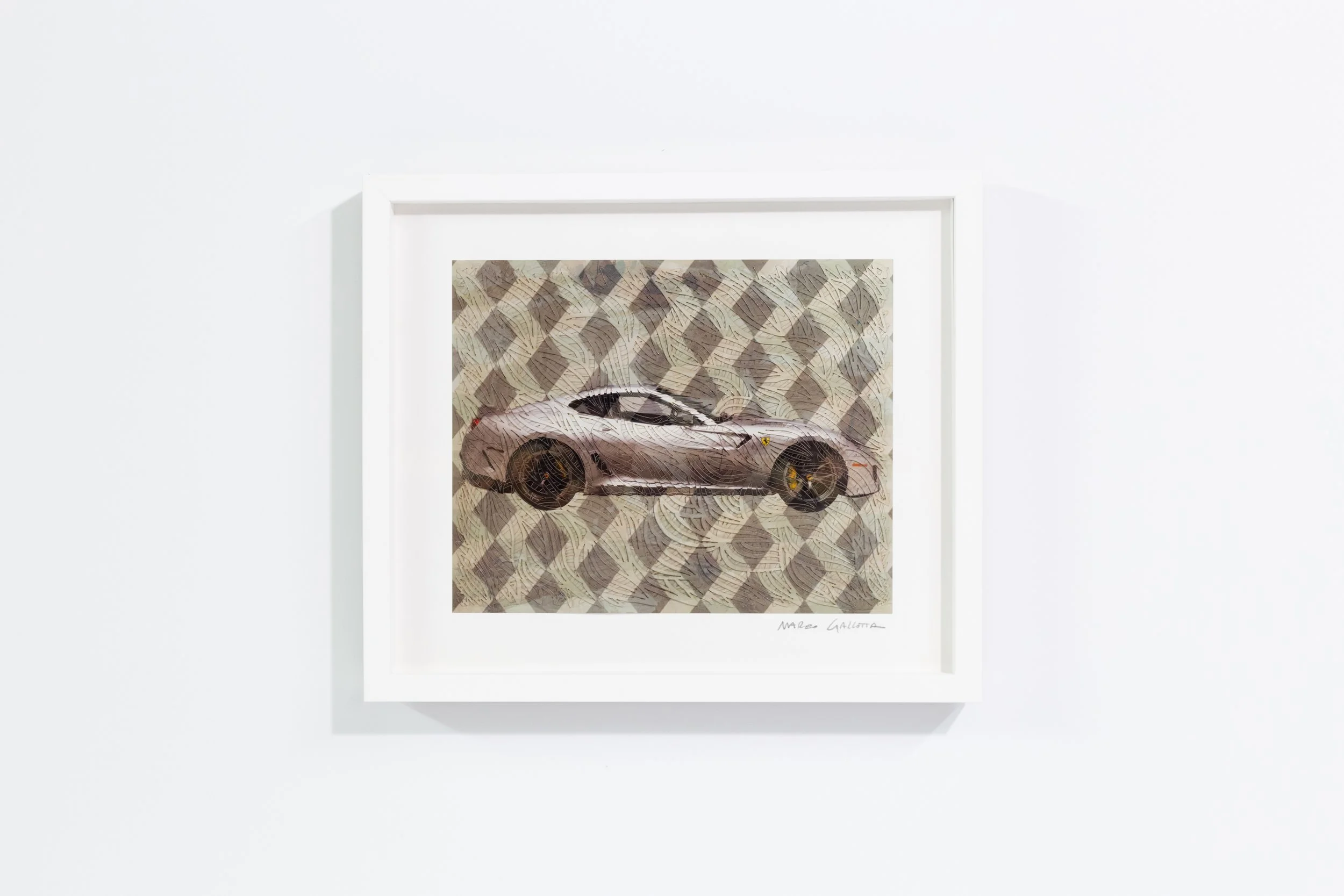
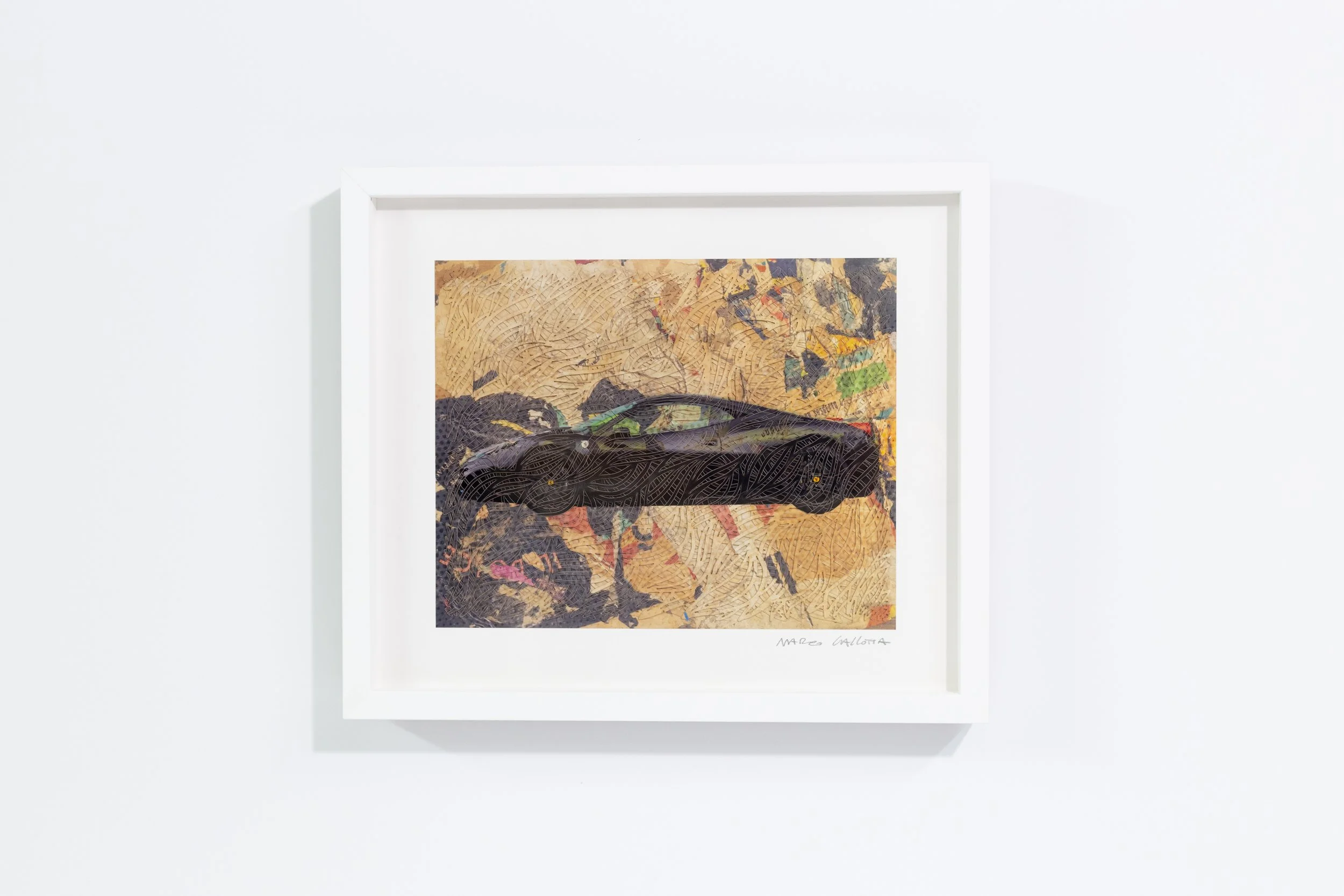

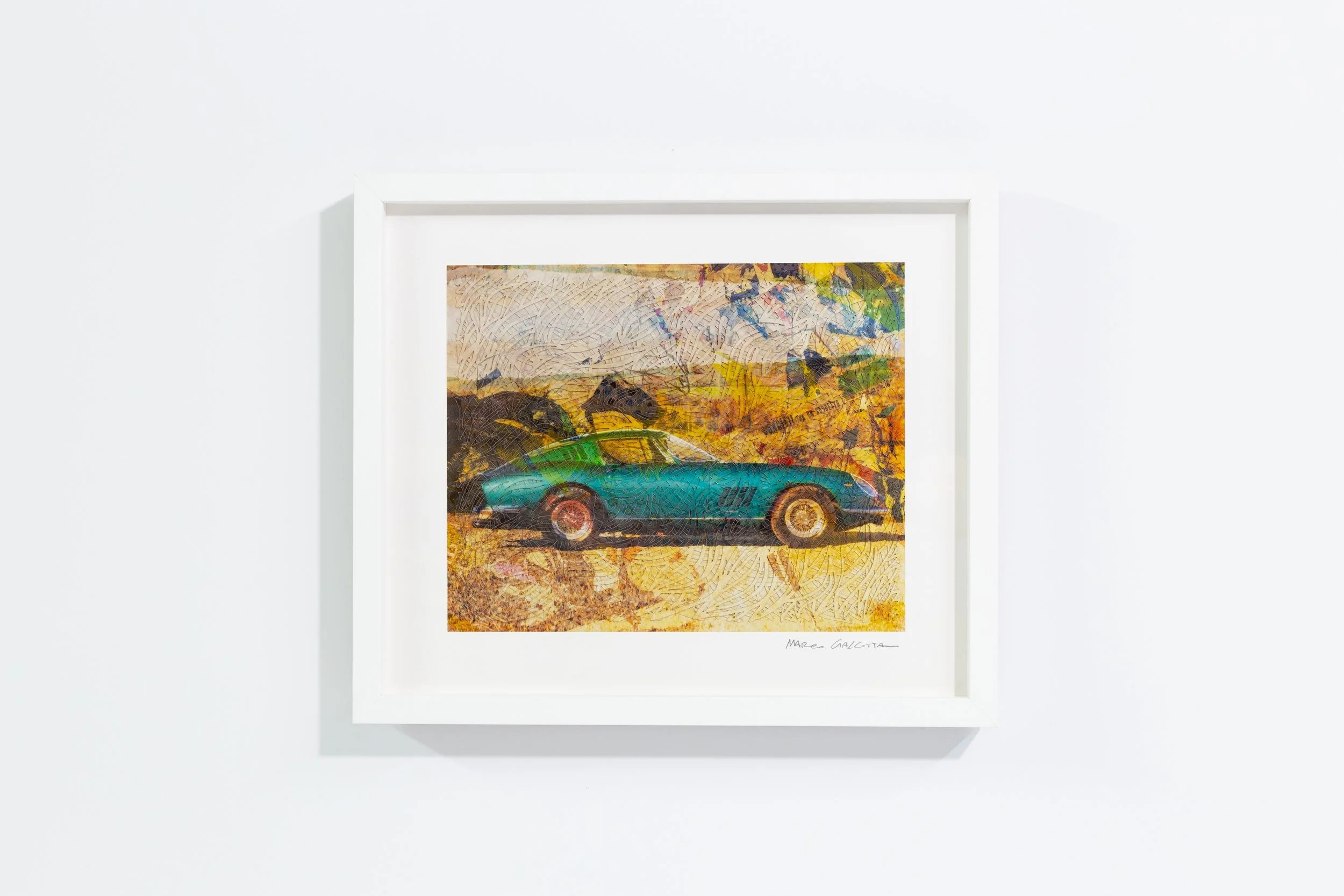
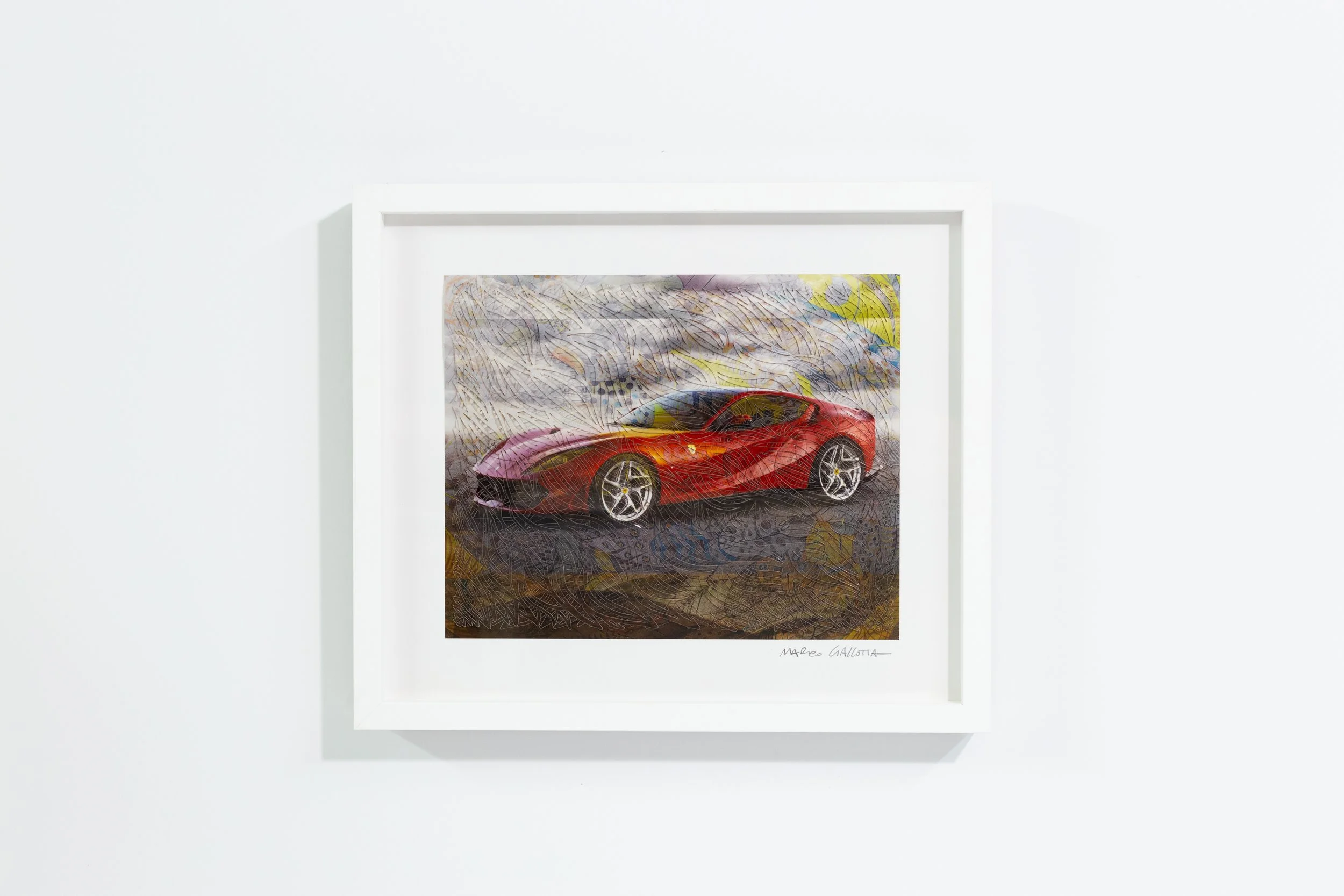
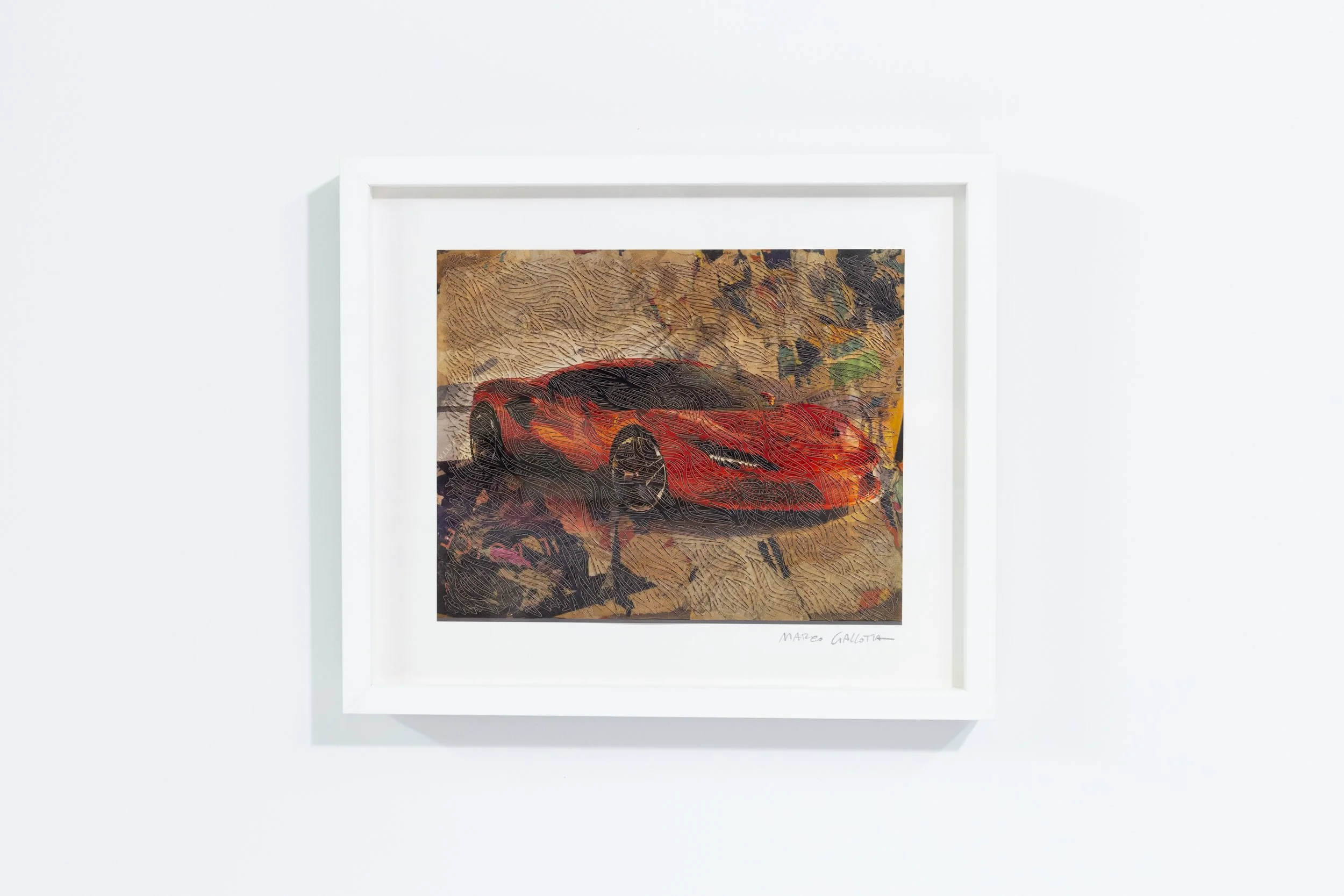
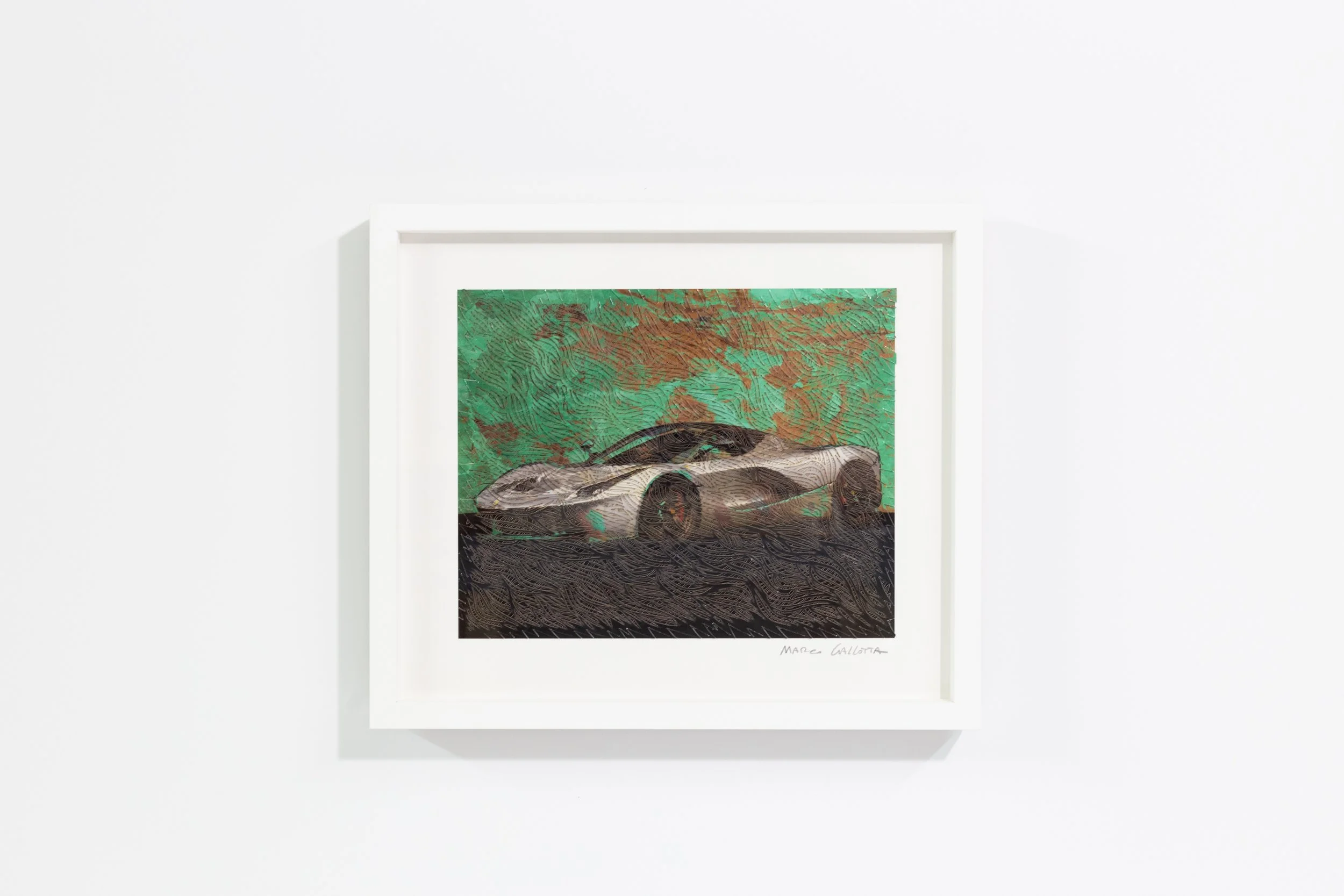
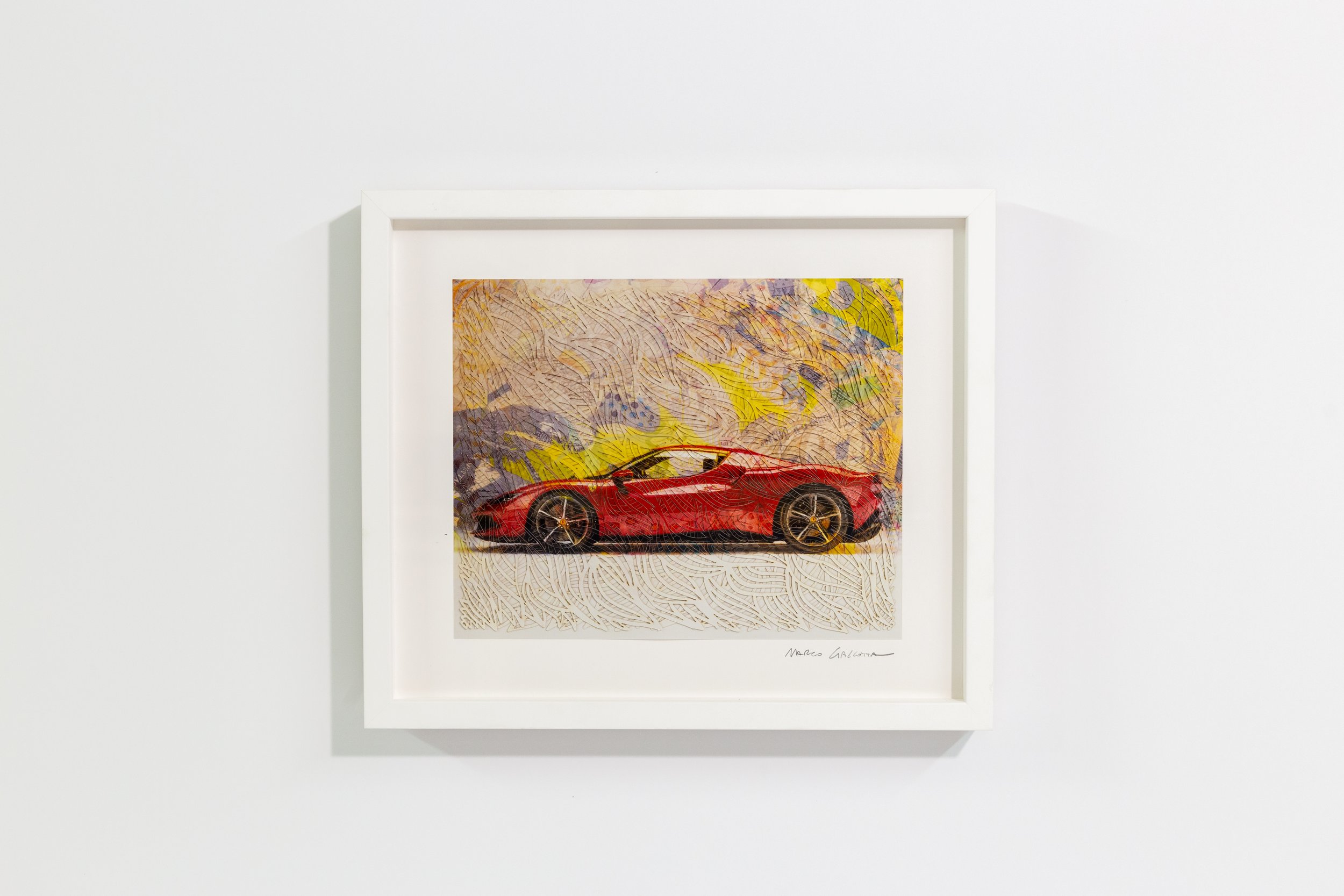
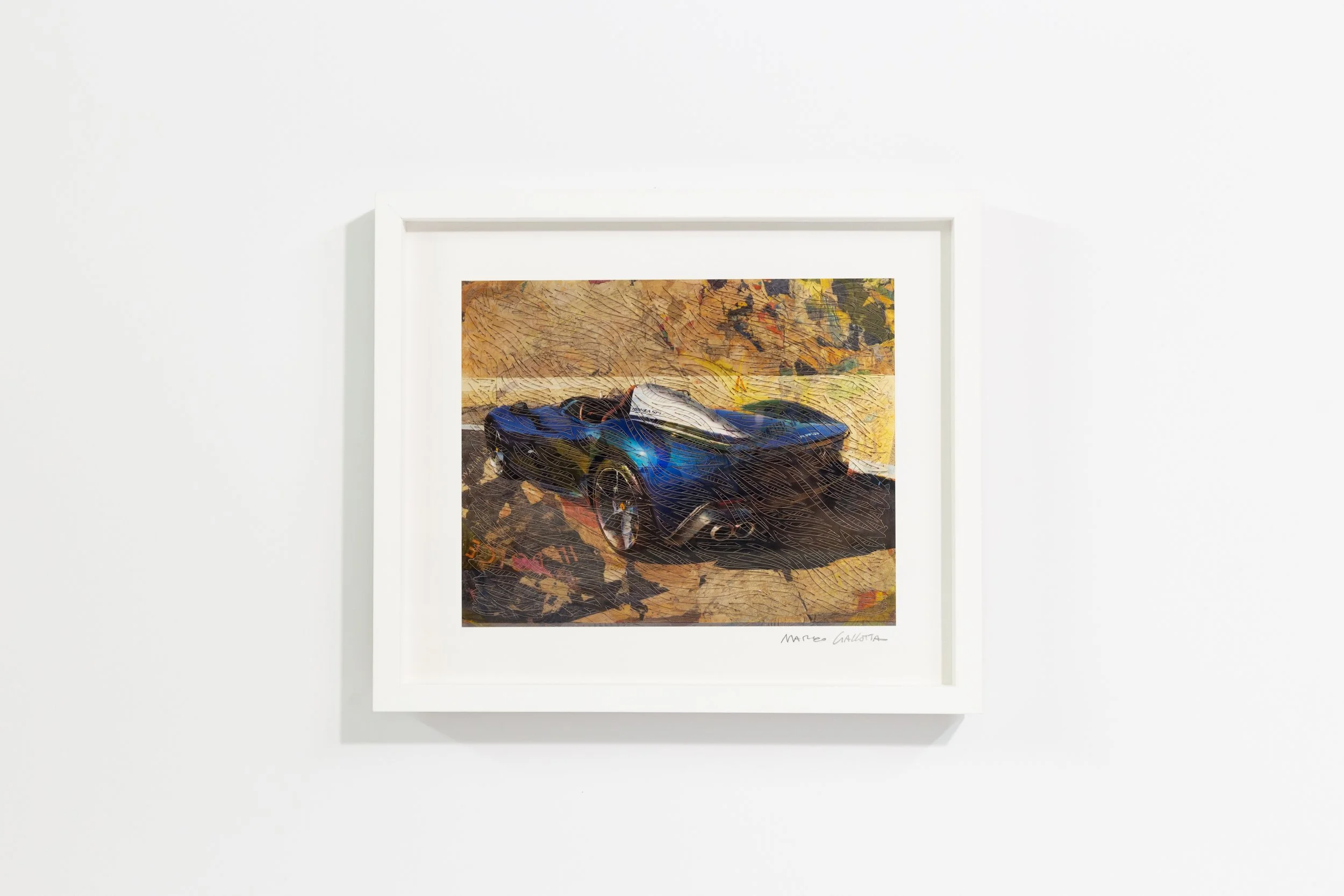
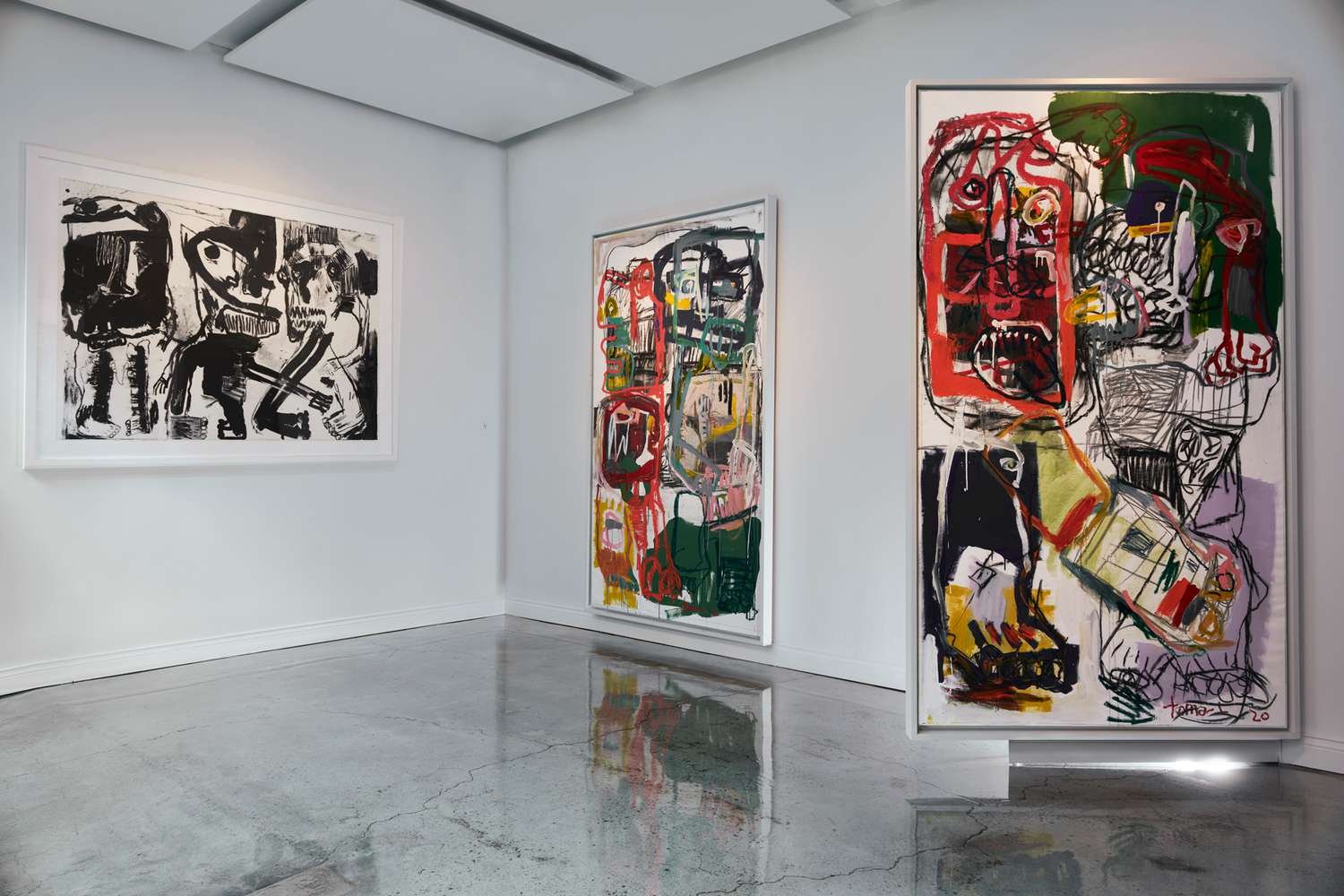
When a Canvas Float Frame Becomes a Door
A custom canvas float frame designed and fabricated to function as a door for a New York City restaurant, combining artwork, framing and architectural function.
A frame doesn't always end at the wall.
For this New York City restaurant, a canvas float frame was designed to serve two purposes: presenting the artwork while functioning as a working door within the interior.
The challenge was to preserve the visual language of a traditional float frame while accounting for movement, structure, clearance, and the demands of daily use. The result integrates artwork, framing, and architecture into a single functional element.